Tenants In Common Vs Joint Tenants Vs Tenants By The Entirety In Arizona
Description

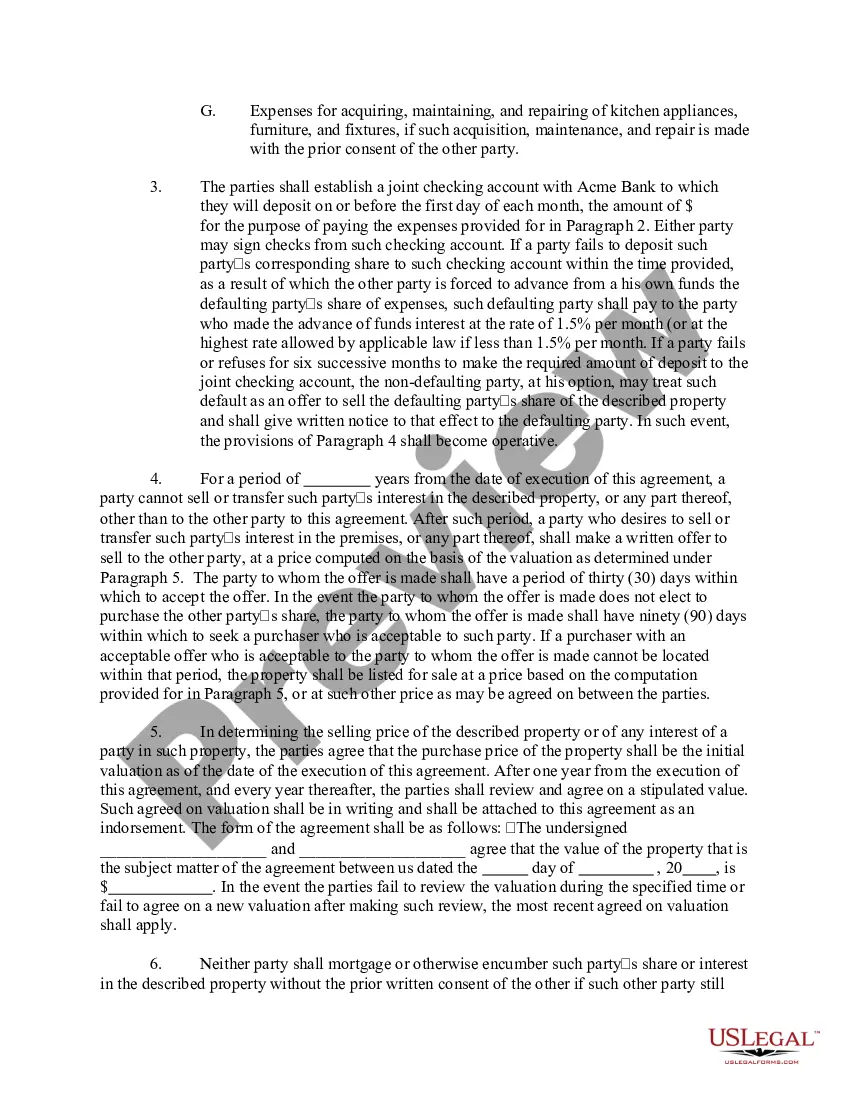
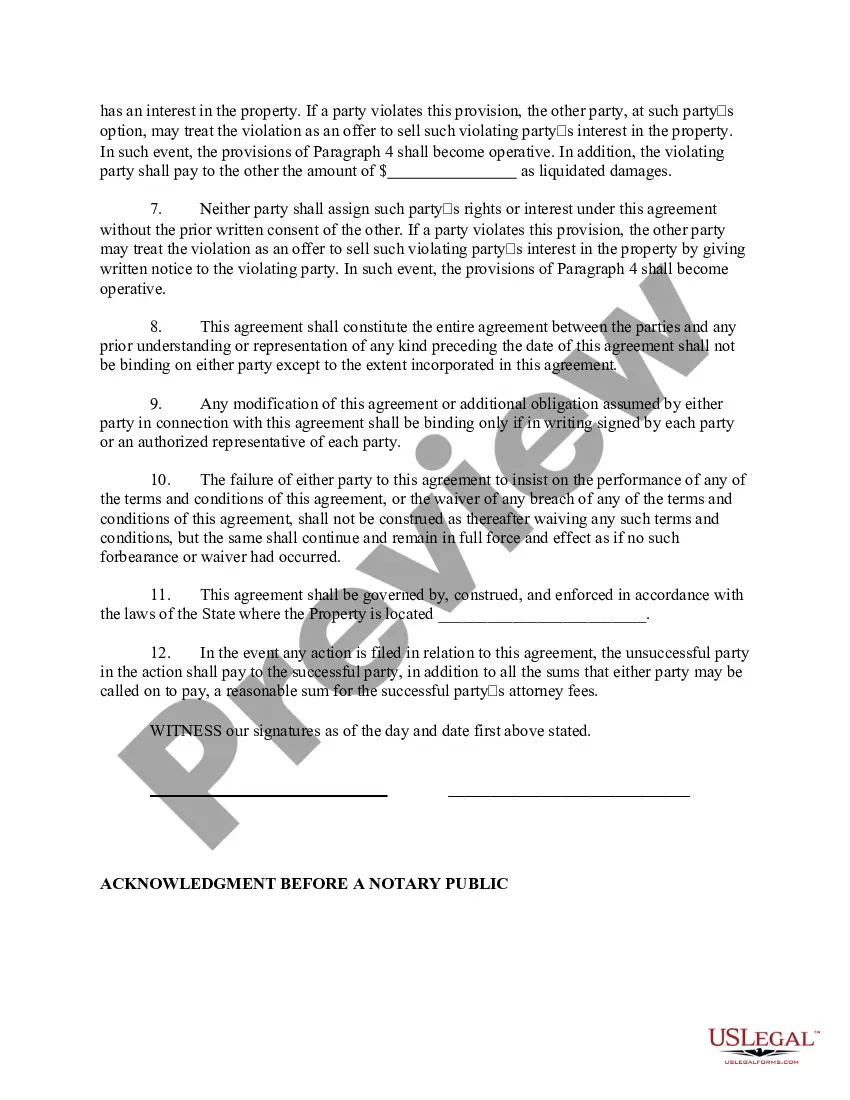
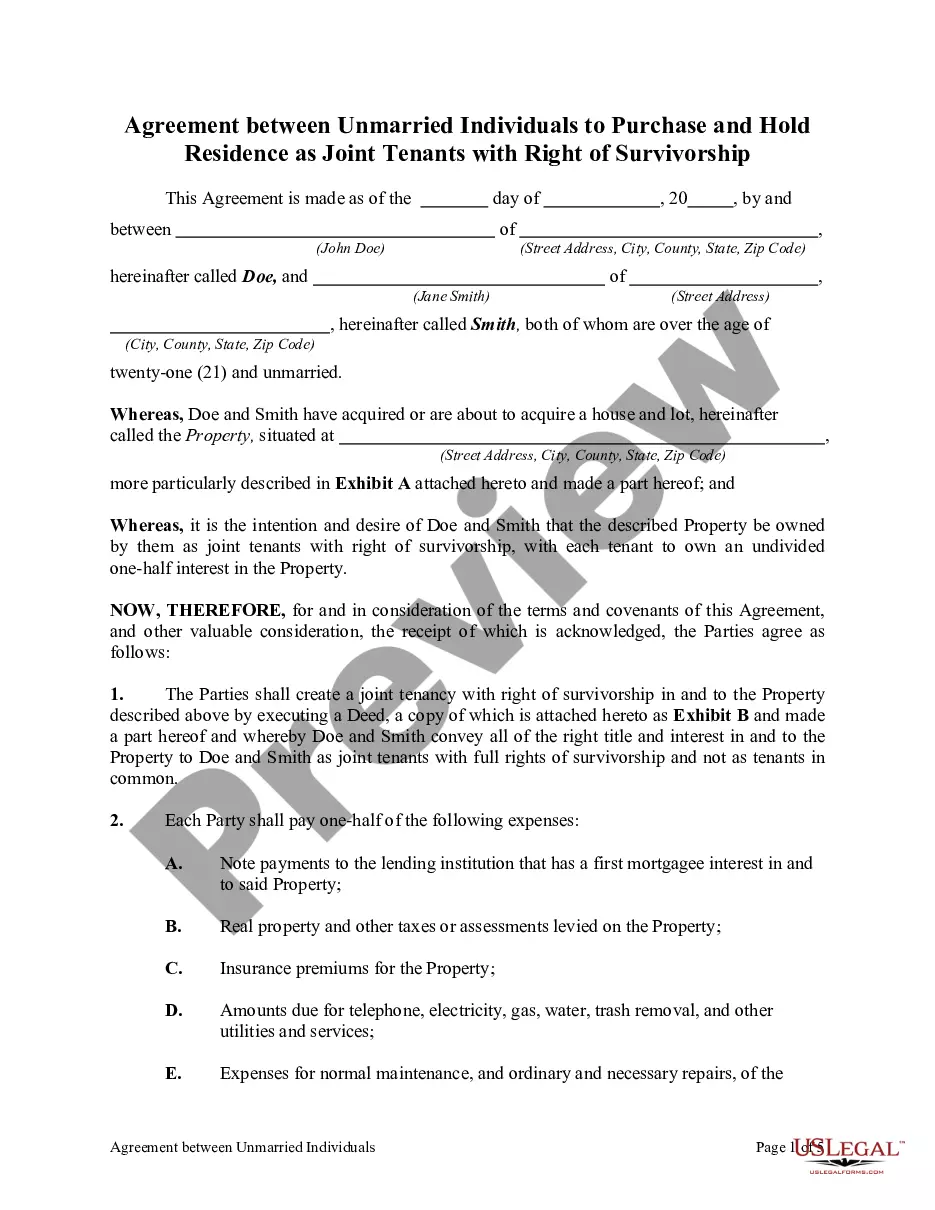
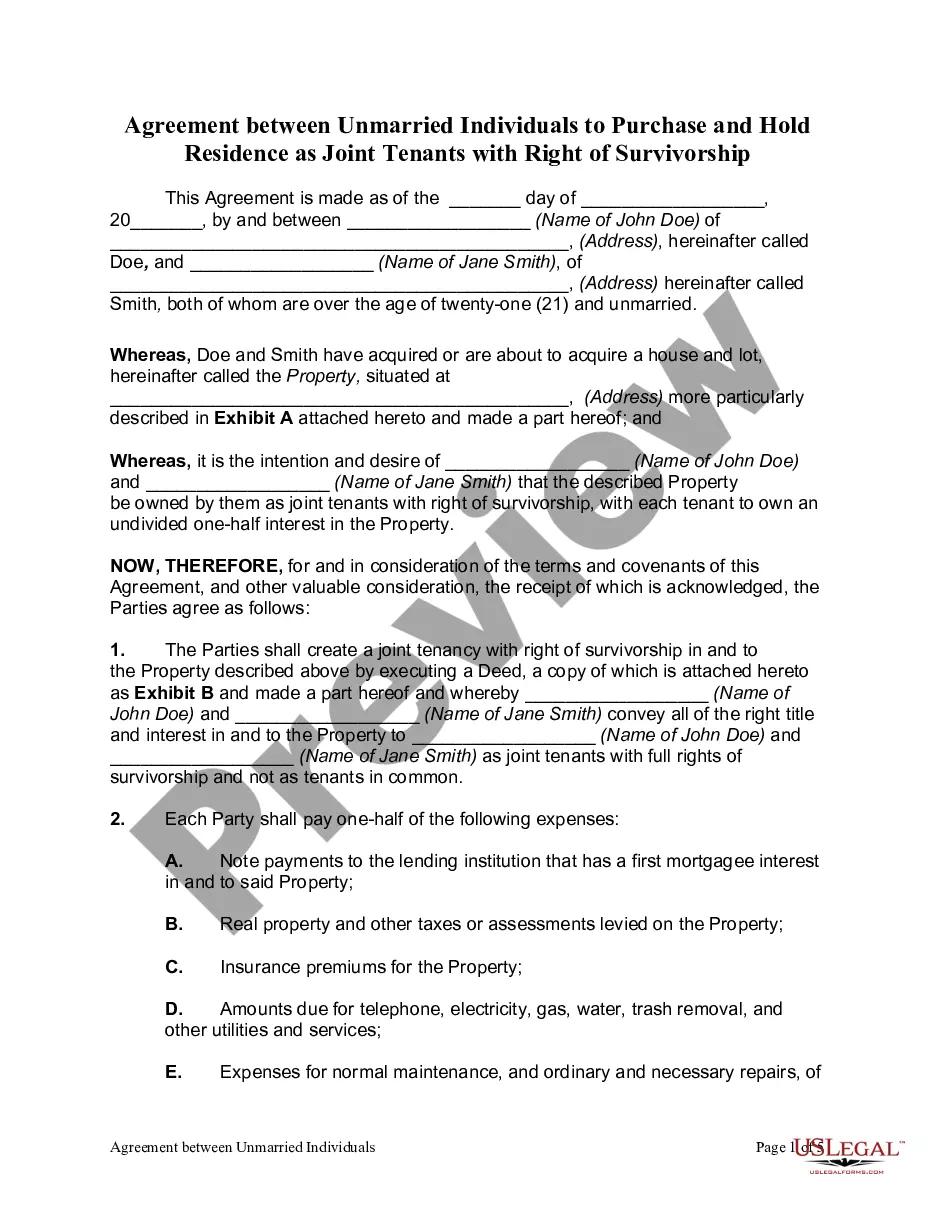
Get your form ready online
Our built-in tools help you complete, sign, share, and store your documents in one place.
Make edits, fill in missing information, and update formatting in US Legal Forms—just like you would in MS Word.
Download a copy, print it, send it by email, or mail it via USPS—whatever works best for your next step.
Sign and collect signatures with our SignNow integration. Send to multiple recipients, set reminders, and more. Go Premium to unlock E-Sign.
If this form requires notarization, complete it online through a secure video call—no need to meet a notary in person or wait for an appointment.
We protect your documents and personal data by following strict security and privacy standards.

Make edits, fill in missing information, and update formatting in US Legal Forms—just like you would in MS Word.

Download a copy, print it, send it by email, or mail it via USPS—whatever works best for your next step.

Sign and collect signatures with our SignNow integration. Send to multiple recipients, set reminders, and more. Go Premium to unlock E-Sign.

If this form requires notarization, complete it online through a secure video call—no need to meet a notary in person or wait for an appointment.

We protect your documents and personal data by following strict security and privacy standards.
Looking for another form?

Form popularity
FAQ
Joint tenants in common are usually referred to as JTIC, and it usually refers to property owned where rights of survivorship do not apply. It means that each individual owns a specific part of the property, and upon their passing, the other individuals will not have a right of survivorship to that specific portion.
Further tenancy in common allows parties to hold unequal shares of property interest. Joint tenancy requires each co-owner to hold equal shares of property. Further, co-owners must transfer the deed at the same time. In this sense, joint tenancy is rigid compared to tenancy in common.
Further tenancy in common allows parties to hold unequal shares of property interest. Joint tenancy requires each co-owner to hold equal shares of property. Further, co-owners must transfer the deed at the same time. In this sense, joint tenancy is rigid compared to tenancy in common.
Joint tenancy is most common among married couples because it helps property owners avoid probate. Without joint tenancy, a spouse would have to wait for their partner's Last Will to go through a legal review process—which can take months or even years.
For instance, if you're married, the most common way to title your home is Tenancy by the Entirety (TBE). That endows survivorship rights, some creditor protection, and allows for transfers only with the consent of both spouses.
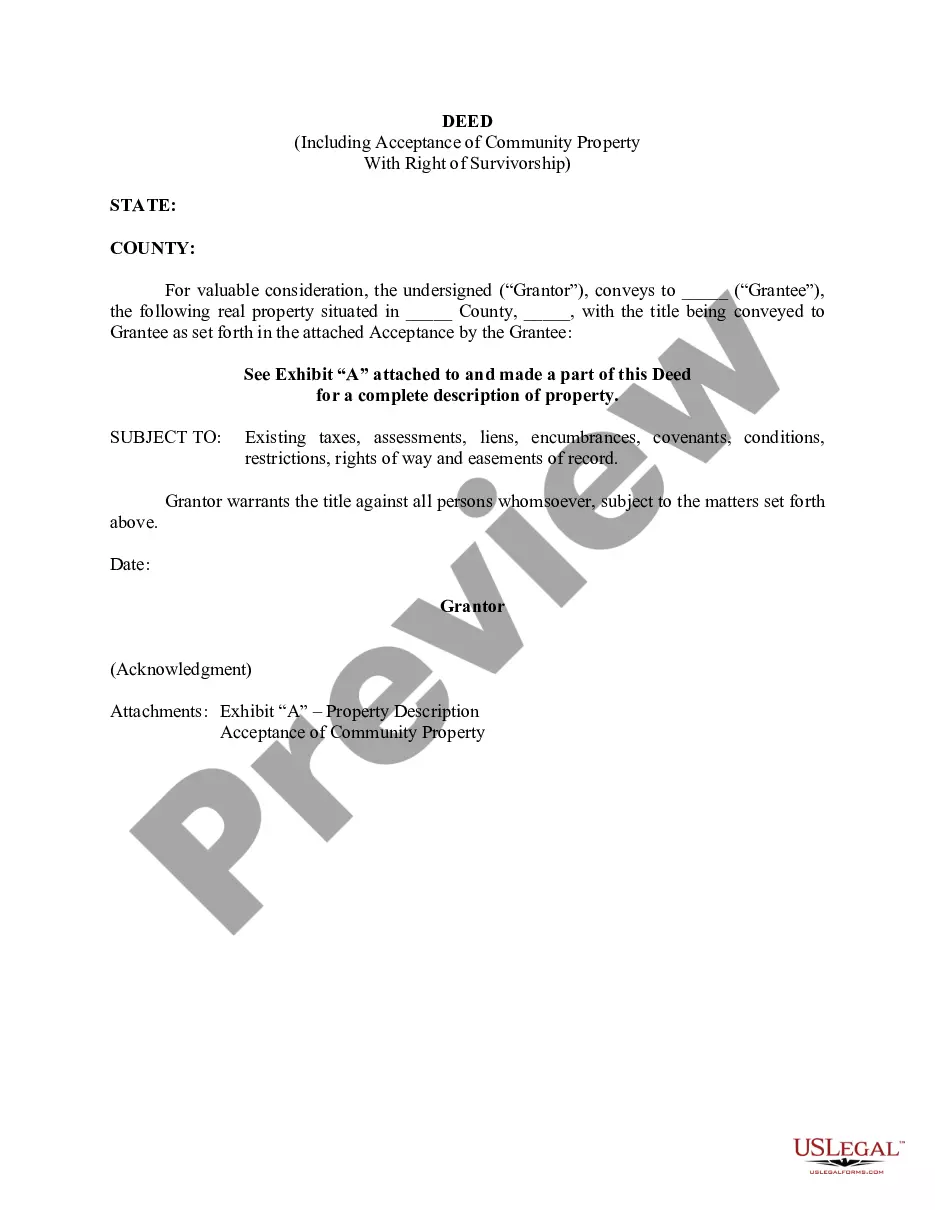
These are the ways to take title in Arizona: Community Property, Community Property With Right Of Survivorship, Joint Tenancy With Right Of Survivorship, Tenancy In Common, Trust (With A Trustee), Sole And Separate Property, Corporation, General Partnership.
To transfer ownership of a property to a relative in Arizona, it is necessary to complete and file a legal document known as a deed. The signed deed must then be recorded with the county's land records office where the property resides.
These are the ways to take title in Arizona: Community Property, Community Property With Right Of Survivorship, Joint Tenancy With Right Of Survivorship, Tenancy In Common, Trust (With A Trustee), Sole And Separate Property, Corporation, General Partnership.
The most common deed form in Arizona is the warranty deed. Warranty deeds provide protection to the buyer in the form of a warranty by the seller that guarantees no issues with the title.
