Rent Condo With Garage In Massachusetts
Description

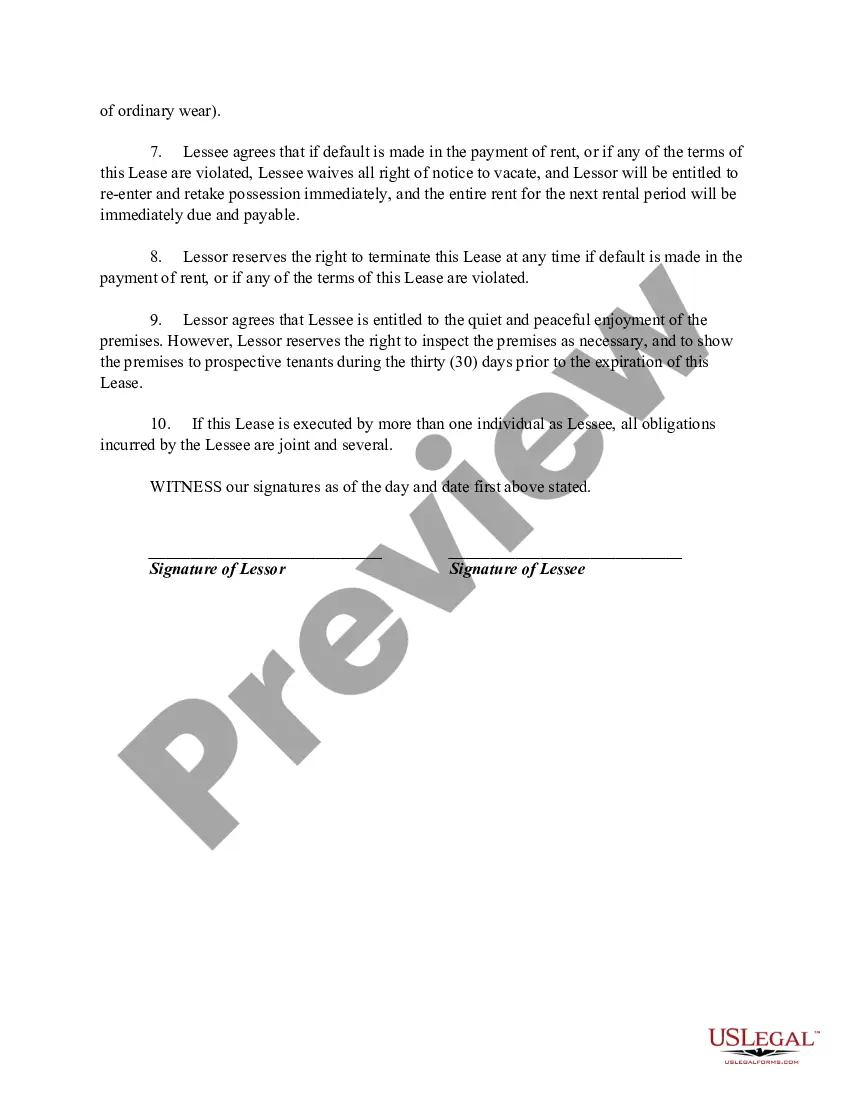
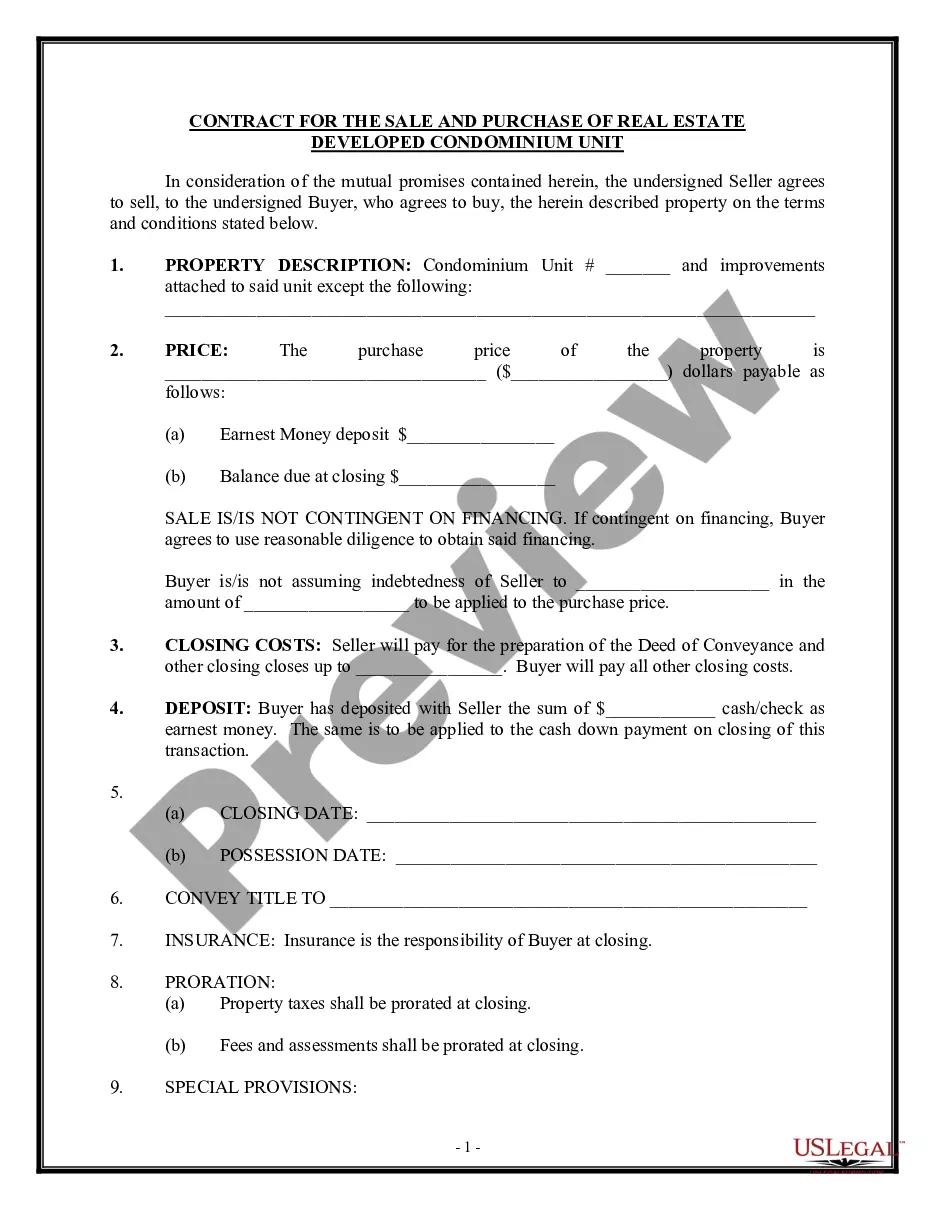
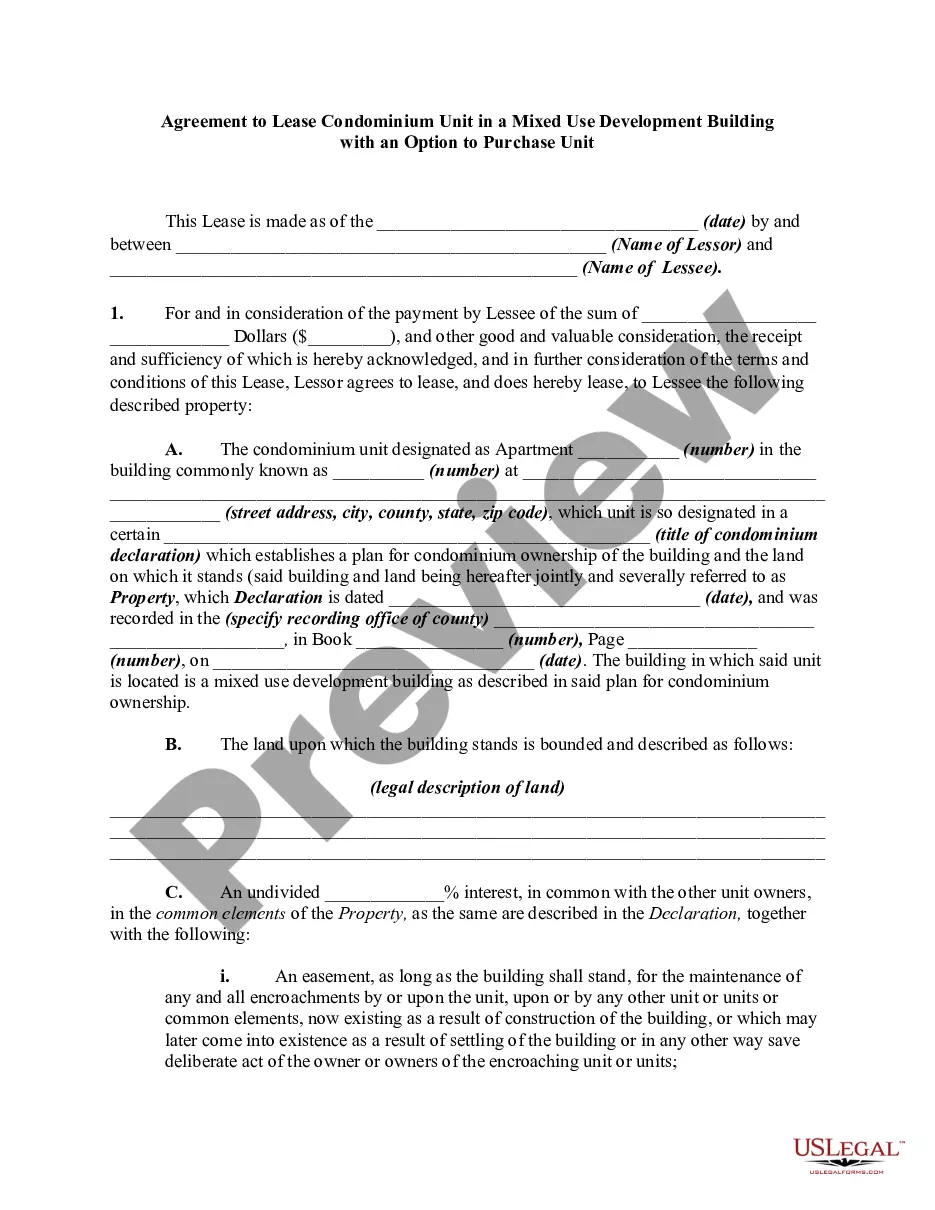
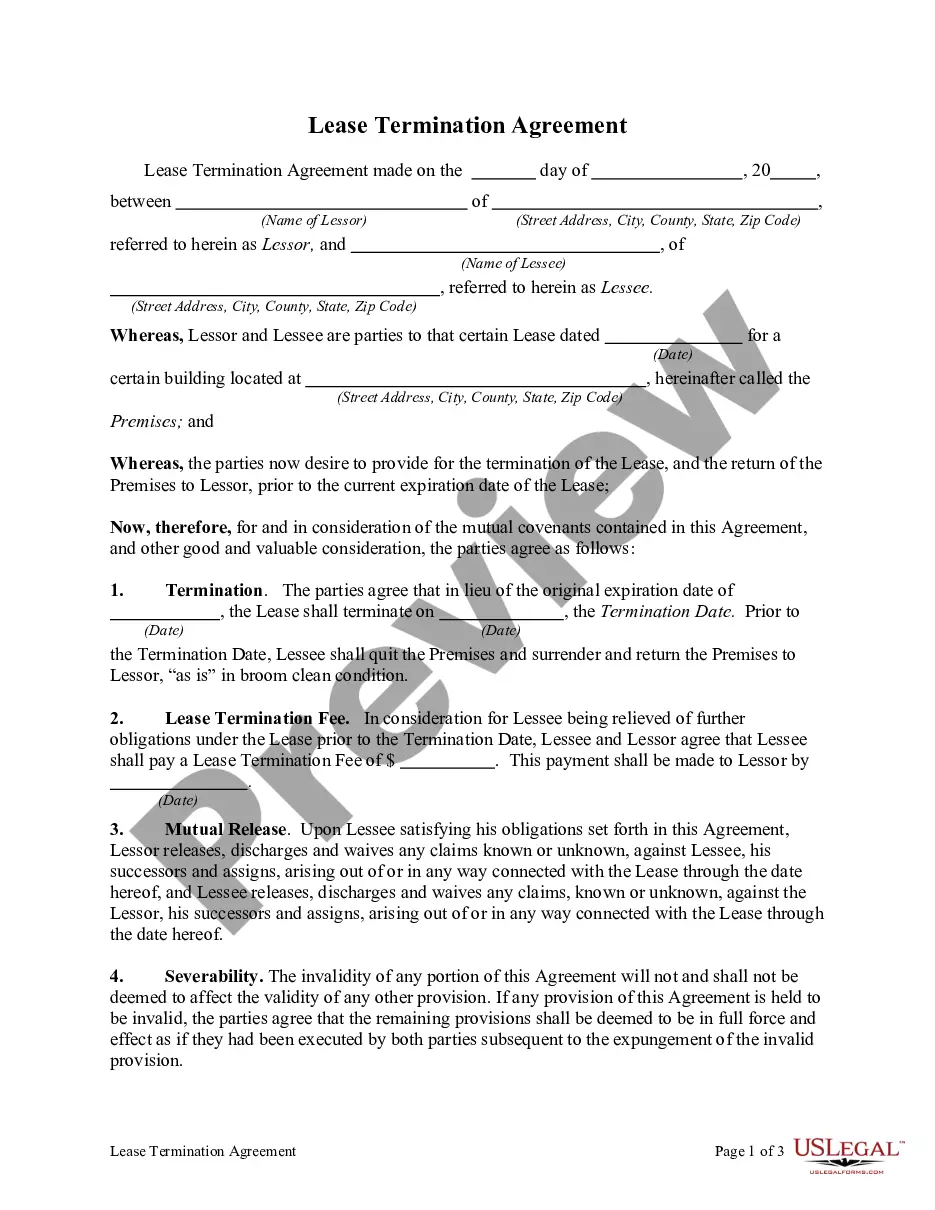
Get your form ready online
Our built-in tools help you complete, sign, share, and store your documents in one place.
Make edits, fill in missing information, and update formatting in US Legal Forms—just like you would in MS Word.
Download a copy, print it, send it by email, or mail it via USPS—whatever works best for your next step.
Sign and collect signatures with our SignNow integration. Send to multiple recipients, set reminders, and more. Go Premium to unlock E-Sign.
If this form requires notarization, complete it online through a secure video call—no need to meet a notary in person or wait for an appointment.
We protect your documents and personal data by following strict security and privacy standards.

Make edits, fill in missing information, and update formatting in US Legal Forms—just like you would in MS Word.

Download a copy, print it, send it by email, or mail it via USPS—whatever works best for your next step.

Sign and collect signatures with our SignNow integration. Send to multiple recipients, set reminders, and more. Go Premium to unlock E-Sign.

If this form requires notarization, complete it online through a secure video call—no need to meet a notary in person or wait for an appointment.

We protect your documents and personal data by following strict security and privacy standards.
Looking for another form?





Form popularity
FAQ
Generally, a landlord cannot take possession of the rental property, physically remove the tenant or their personal property, or change the locks without going through a court. Depending on the reason for eviction, a landlord must provide the tenant either a 14-Day or 30-day Notice to Quit.
The right to enter the apartment A landlord may generally enter the apartment at reasonable times and upon reasonable notice for these reasons: To show the apartment to prospective tenants, purchasers, lenders or their agents. To inspect the premises. To make repairs.
Landlord harassment in Massachusetts refers to any behavior by a landlord that interferes with a tenant's peaceful enjoyment of their rental property. This includes the following actions, among others: Unauthorized entry into the rental property without prior notification or consent.
The right to enter the apartment A landlord may generally enter the apartment at reasonable times and upon reasonable notice for these reasons: To show the apartment to prospective tenants, purchasers, lenders or their agents. To inspect the premises. To make repairs.
Generally, a landlord cannot take possession of the rental property, physically remove the tenant or their personal property, or change the locks without going through a court. Depending on the reason for eviction, a landlord must provide the tenant either a 14-Day or 30-day Notice to Quit.
Talk to the landlord Offer a larger security deposit: Many landlords will be willing to overlook a lower credit score if you can offer a larger security deposit. Get a co-signer: If you have a friend or family member with good credit who is willing to co-sign your lease, this may help you qualify for an apartment.
