Job Application Letter For Bank In Tarrant
Description

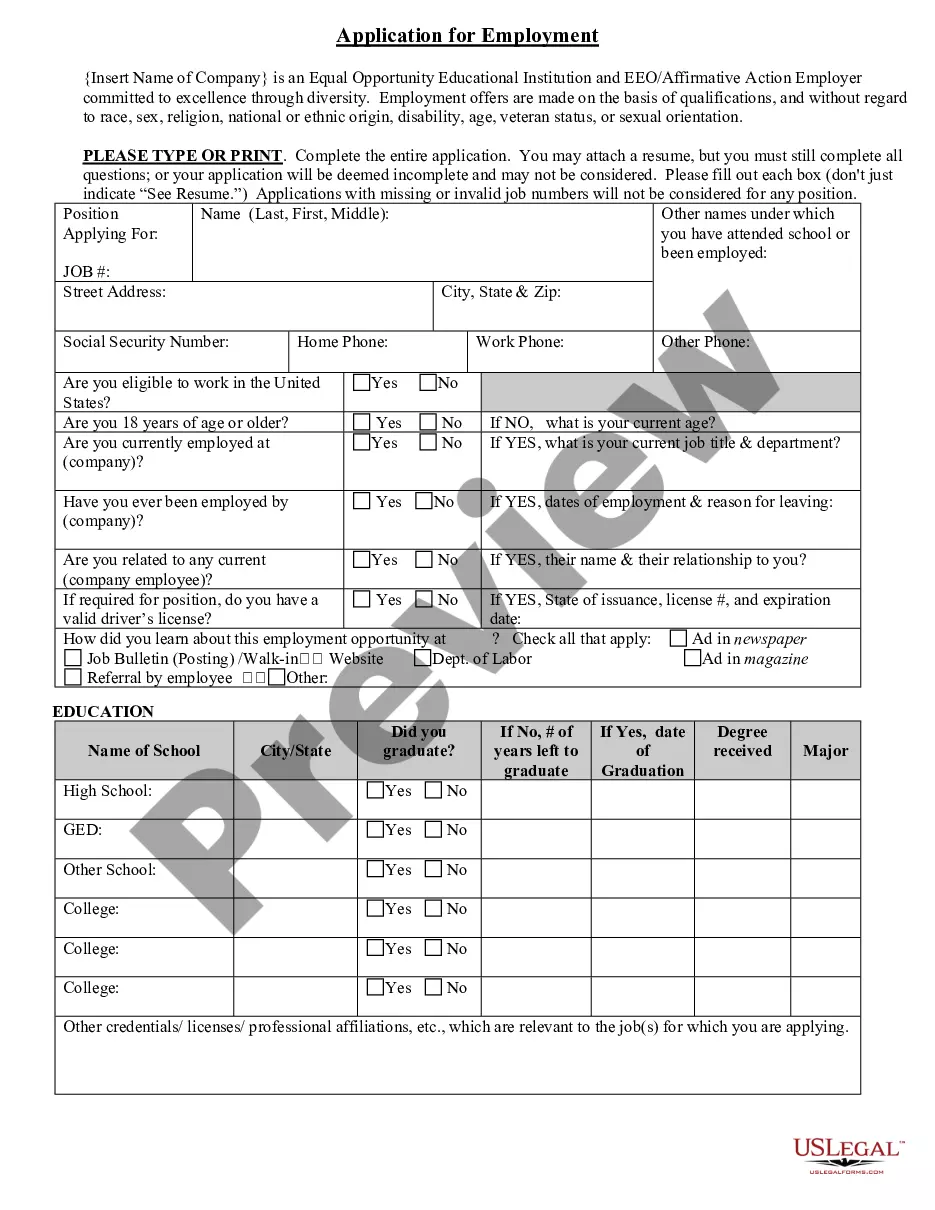
Get your form ready online
Our built-in tools help you complete, sign, share, and store your documents in one place.
Make edits, fill in missing information, and update formatting in US Legal Forms—just like you would in MS Word.
Download a copy, print it, send it by email, or mail it via USPS—whatever works best for your next step.
Sign and collect signatures with our SignNow integration. Send to multiple recipients, set reminders, and more. Go Premium to unlock E-Sign.
If this form requires notarization, complete it online through a secure video call—no need to meet a notary in person or wait for an appointment.
We protect your documents and personal data by following strict security and privacy standards.

Make edits, fill in missing information, and update formatting in US Legal Forms—just like you would in MS Word.

Download a copy, print it, send it by email, or mail it via USPS—whatever works best for your next step.

Sign and collect signatures with our SignNow integration. Send to multiple recipients, set reminders, and more. Go Premium to unlock E-Sign.

If this form requires notarization, complete it online through a secure video call—no need to meet a notary in person or wait for an appointment.

We protect your documents and personal data by following strict security and privacy standards.
Looking for another form?
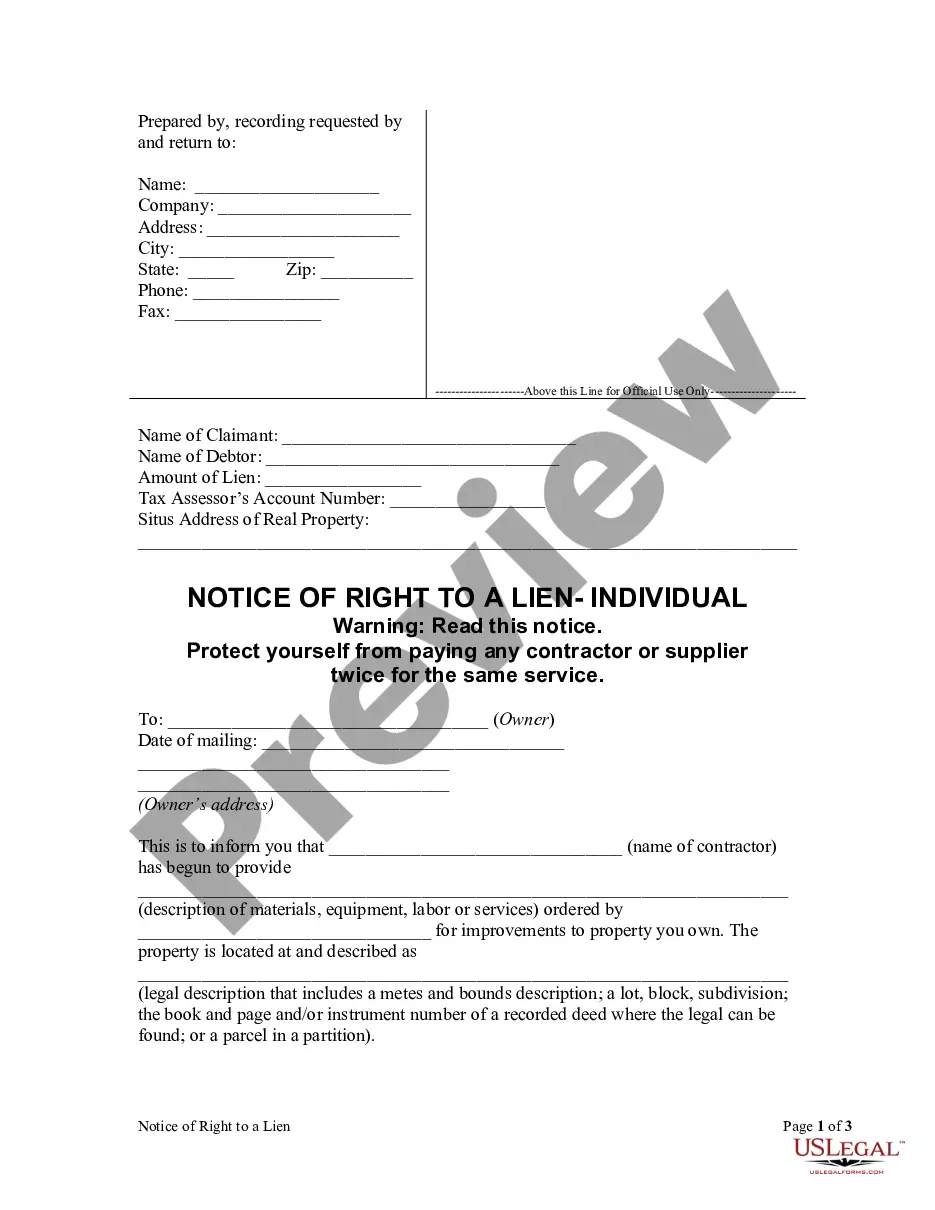
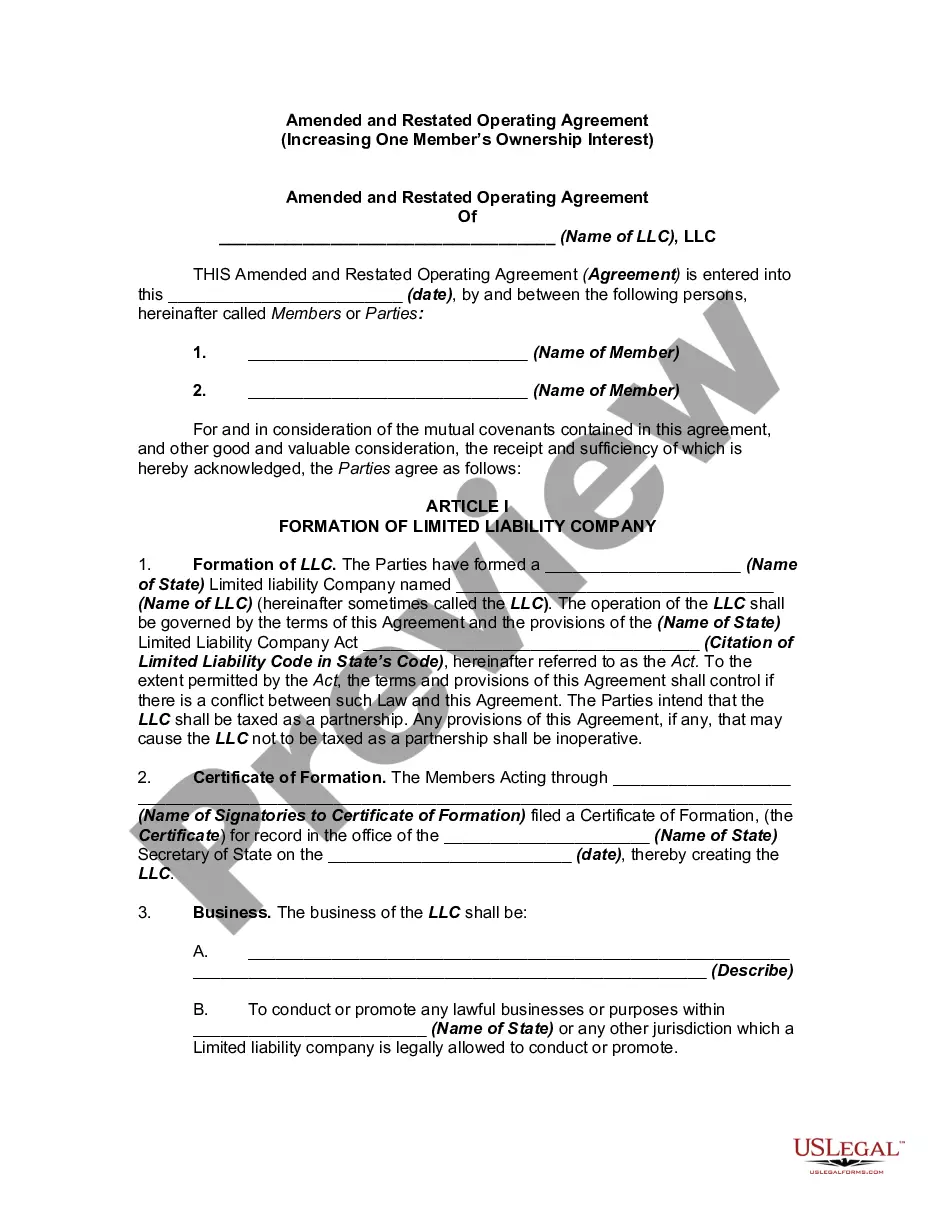

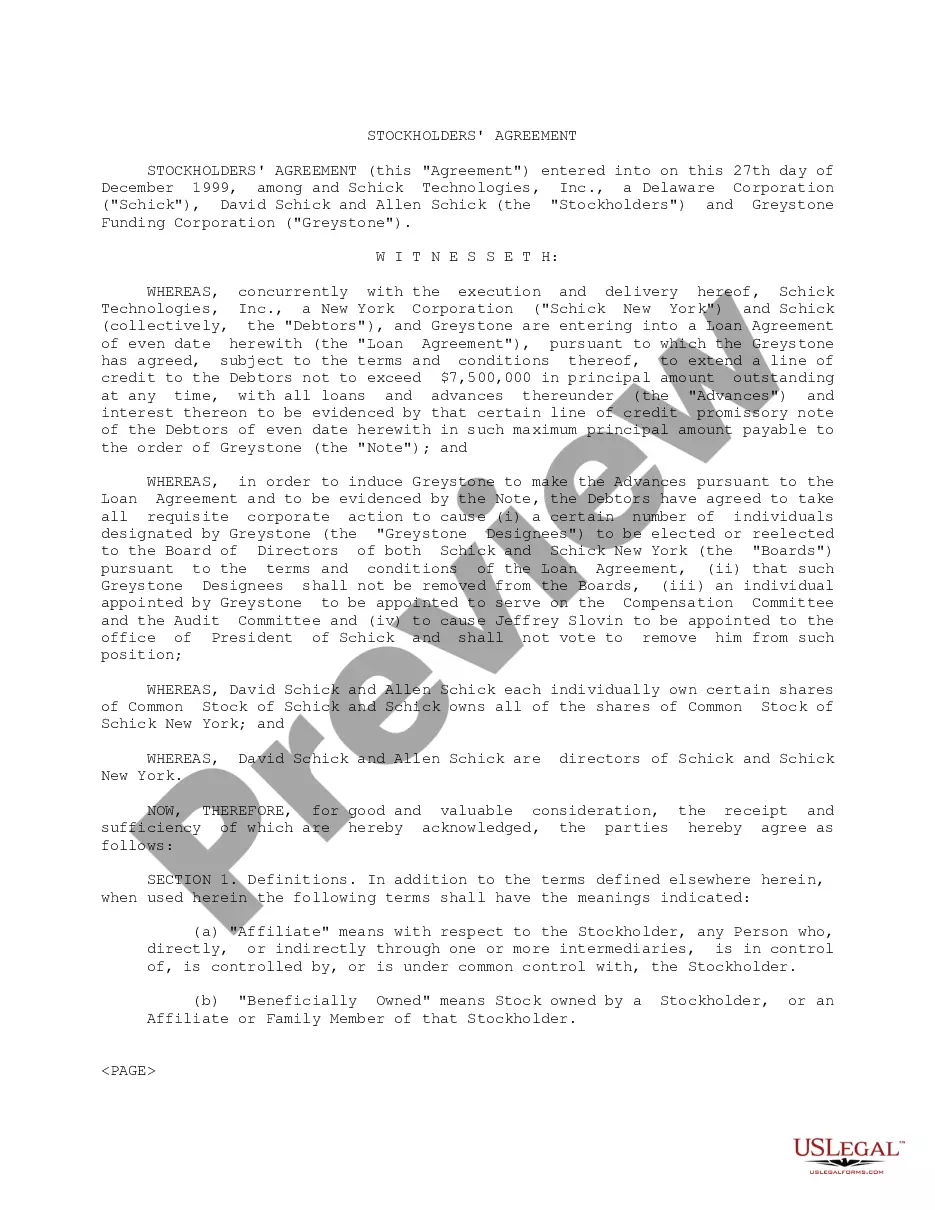



Form popularity
FAQ
Write the Subject: Clearly state the purpose of the letter, such as "Application for Bank Statement." Greeting: Use a formal salutation like "Dear (Branch Manager's Name),". State Your Request: Mention that you are requesting a bank statement and provide your account details, including your name and account number.
Formal Letter Format Sample To Bank Subject: Briefly describe the purpose of the letter Dear Bank Manager's Name, Opening paragraph: Begin by introducing yourself and providing a brief overview of the purpose of. Complimentary close: Sincerely, Yours faithfully, Yours truly, etc. Your Full Name
How to write a banker cover letter Provide contact information. To begin your cover letter, you craft a straightforward and informative header that includes your contact details. Write an opening statement. Describe your professional experience. Include a closing paragraph. Write a professional signoff.
How to pursue a banking career Complete high school. The minimum education requirement for some entry-level banking jobs is a high school diploma or GED. Earn a bachelor's degree. Develop the right skills. Choose a banking specialty. Meet with a career advisor. Get an internship. Network. Enroll in training programs.
Keep a professional tone and show enthusiasm for the role and bank. Follow a clear structure from start to finish in your cover letter. Use the keywords from the job description, ensuring it is ATS-friendly. Proofread your cover letter carefully to avoid errors and impress the hiring manager.
An application letter is important to include when you're submitting your resume for a job. This type of letter allows you to elaborate on your qualifications and explains why you want the position.
How to write a bank teller cover letter Format your document. Add a heading. Mention the position you're seeking. Discuss your interest in the job. Highlight your experience. Emphasize your interest. Include a call to action. Sign the letter.
The reader is looking for two things right up front: who you are and why they should care. In the introduction, you should name your school, major, and GPA, and explain how you came to apply for this position (e.g., met someone at the bank, went to a company info session, etc.).
New tellers are not generally required to have special training or prior experience working in banks; they generally receive a month or more of on-the-job training. With enough experience and an excellent work record, tellers can eventually become head tellers.
How To Write an Application Letter for a Bank Job Set up Your Document. Heading and Salutation. Opening Paragraph. Body Paragraphs. Discussing Relevant Skills. Mentioning Related Experiences. Closing Paragraph. Proofreading Your Application Letter.
