Dental Office Application For Sale In Orange
Description

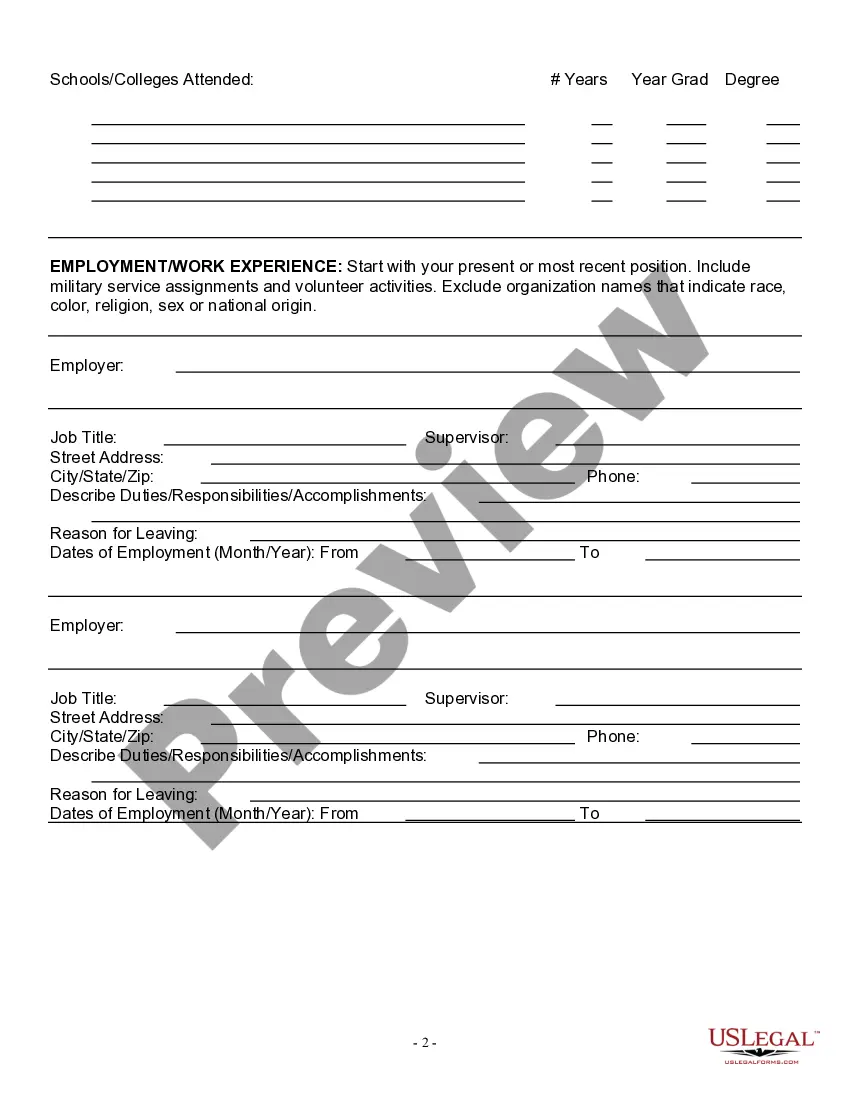
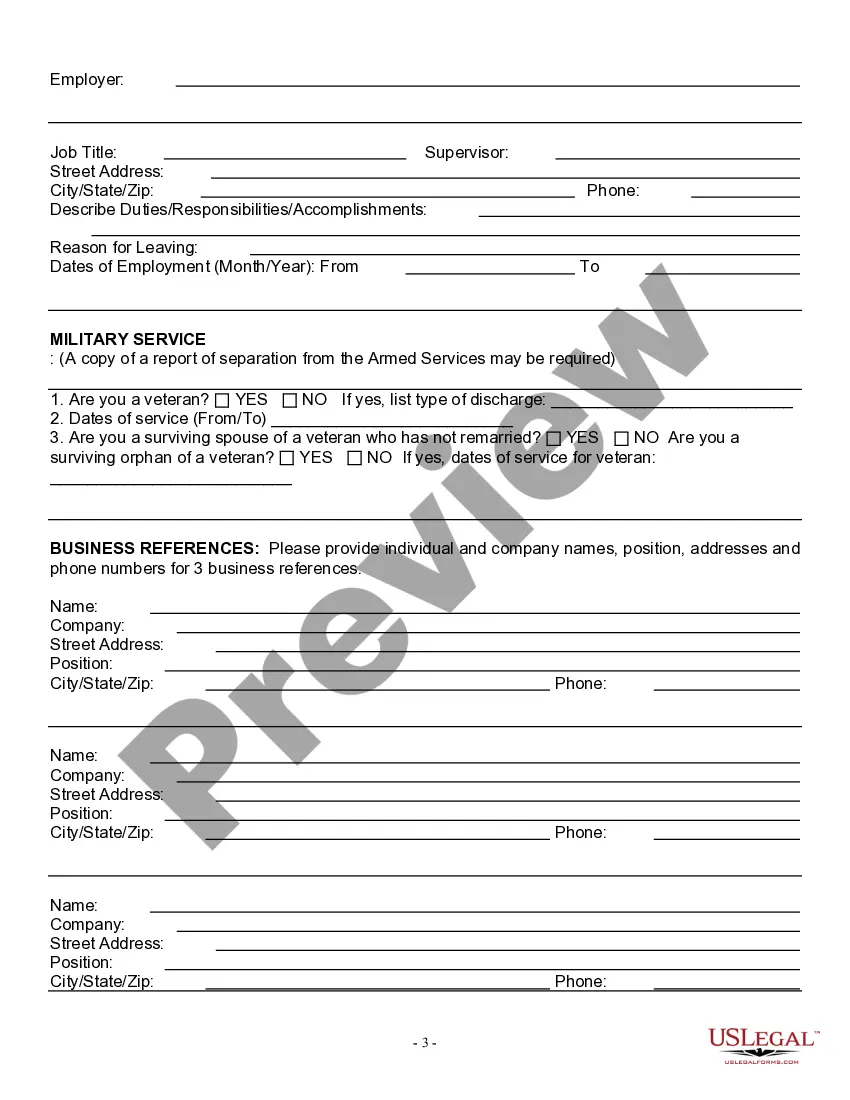
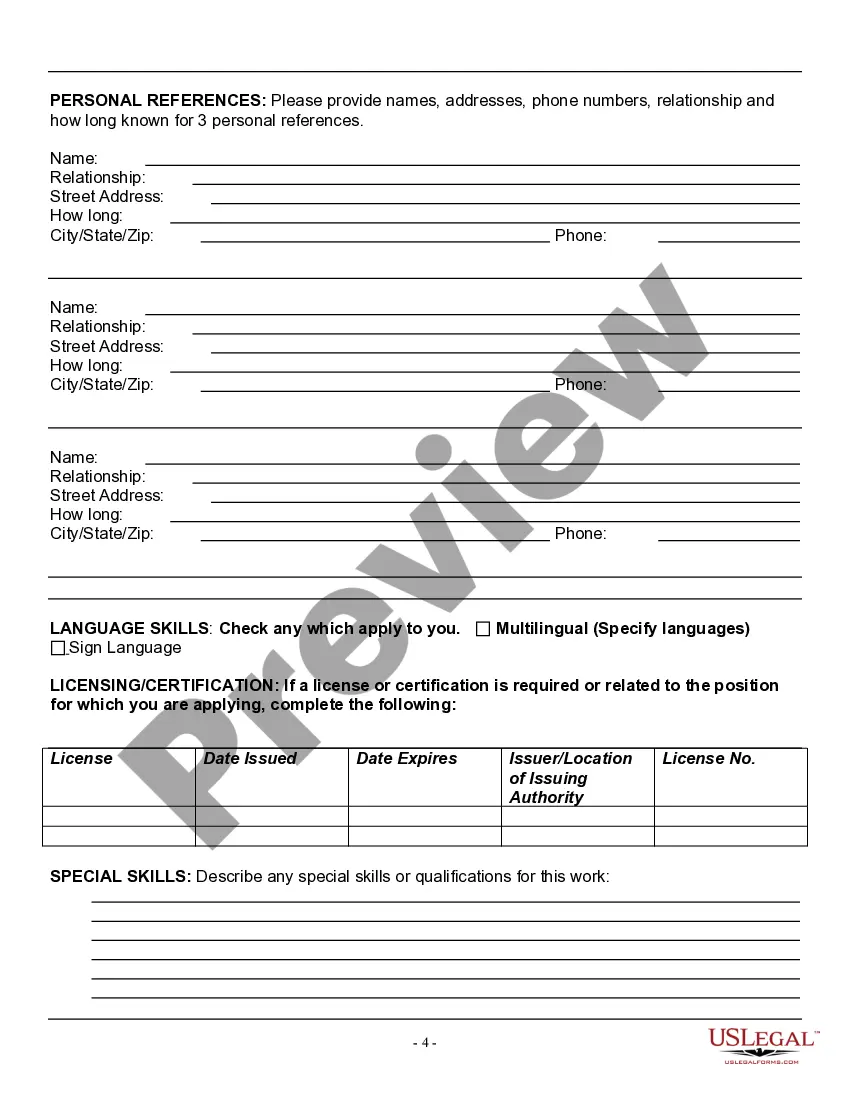
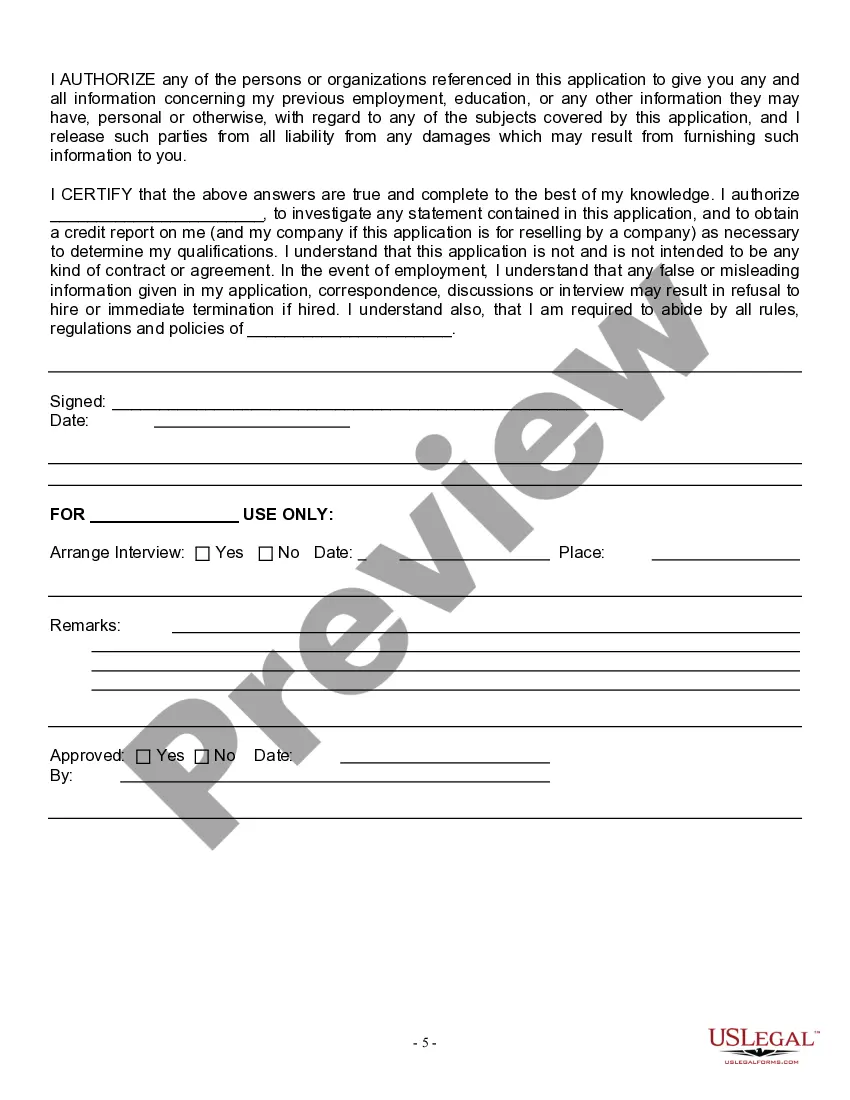
Get your form ready online
Our built-in tools help you complete, sign, share, and store your documents in one place.
Make edits, fill in missing information, and update formatting in US Legal Forms—just like you would in MS Word.
Download a copy, print it, send it by email, or mail it via USPS—whatever works best for your next step.
Sign and collect signatures with our SignNow integration. Send to multiple recipients, set reminders, and more. Go Premium to unlock E-Sign.
If this form requires notarization, complete it online through a secure video call—no need to meet a notary in person or wait for an appointment.
We protect your documents and personal data by following strict security and privacy standards.

Make edits, fill in missing information, and update formatting in US Legal Forms—just like you would in MS Word.

Download a copy, print it, send it by email, or mail it via USPS—whatever works best for your next step.

Sign and collect signatures with our SignNow integration. Send to multiple recipients, set reminders, and more. Go Premium to unlock E-Sign.

If this form requires notarization, complete it online through a secure video call—no need to meet a notary in person or wait for an appointment.

We protect your documents and personal data by following strict security and privacy standards.
Looking for another form?









Form popularity
FAQ
This is typically called a valuation multiple, and it is an easy way to get a ballpark estimate of the value of your dental practice. In general, you should expect a dental practice to sell for 0.5x to 0.75x of its gross annual revenue, but there are multiple factors that will play a role.
Dental Practice Overhead Breakdown (Percentages) ing to the American Dental Association, industry benchmarks for dental practice management should be between 59% and 62% for your practice's overhead costs. These include rent, utilities, payroll, supplies, lab fees, taxes, and insurance.
Capitalized Earnings Method In this method, you must divide your net present value by a capitalization rate to determine your total dental practice valuation. This capitalization rate can range between 15% and 30% depending on your specific dental practice type and size.
Dental practices in the U.S. maintain profit margins typically between 30% and 40%, although margins vary depending on factors like location, services provided, and practice size. This aligns with the national median overhead rate of 61.9%, meaning practices generally retain around 38.1% as profit.
In a popular area, selling a dental practice can take about 6-12 weeks after the practice valuation is completed. In areas with less demand, such as rural areas, it could realistically take 2-5 years. The length of time on the market depends not only on the practice location but also on several other variables.
United States. In most cases throughout the United States (with the exception of a few very limited circumstances), only dentists or specifically prescribed dental care professionals (DCPs) can carry out the business of dentistry.
Accidental exposure to blood or other biological fluids is a common occurrence in dentistry, and its post-exposure management is a key component of infection prevention and control programs designed to prevent the transmission of blood-borne pathogens such as hepatitis B and C viruses (HBV, HCV) and human ...
Lack of Bloodborne Pathogens Training One of the most frequent dental OSHA violations is a failure to provide adequate training on bloodborne pathogens. Dental professionals are at risk of exposure to pathogens such as: HIV. Hepatitis B.
OSHA's Top 10 Safety Violations 2022 1 Fall Protection–General Requirements – 5,260 citations. 2 Hazard Communication – 2,424 citations. 3 Respiratory Protection – 2,185 citations. 4 Ladders – 2,143 citations. 5 Scaffolding – 2,058 citations. 6 Lockout/Tagout – 1,977 citations. 7 Powered Industrial Trucks – 1,749 citations.
Here are the most common OSHA violations for Fiscal Year (FY) 2024 and their associated standard numbers: Fall protection (1926.501) — 6,307 violations. Hazard communication (1910.1200) — 2,888 violations. Ladders (1926.1053) — 2,573 violations. Respiratory protection (1910.134) — 2,470 violations.
