Dog Walking Payment Policy In Kings
Description

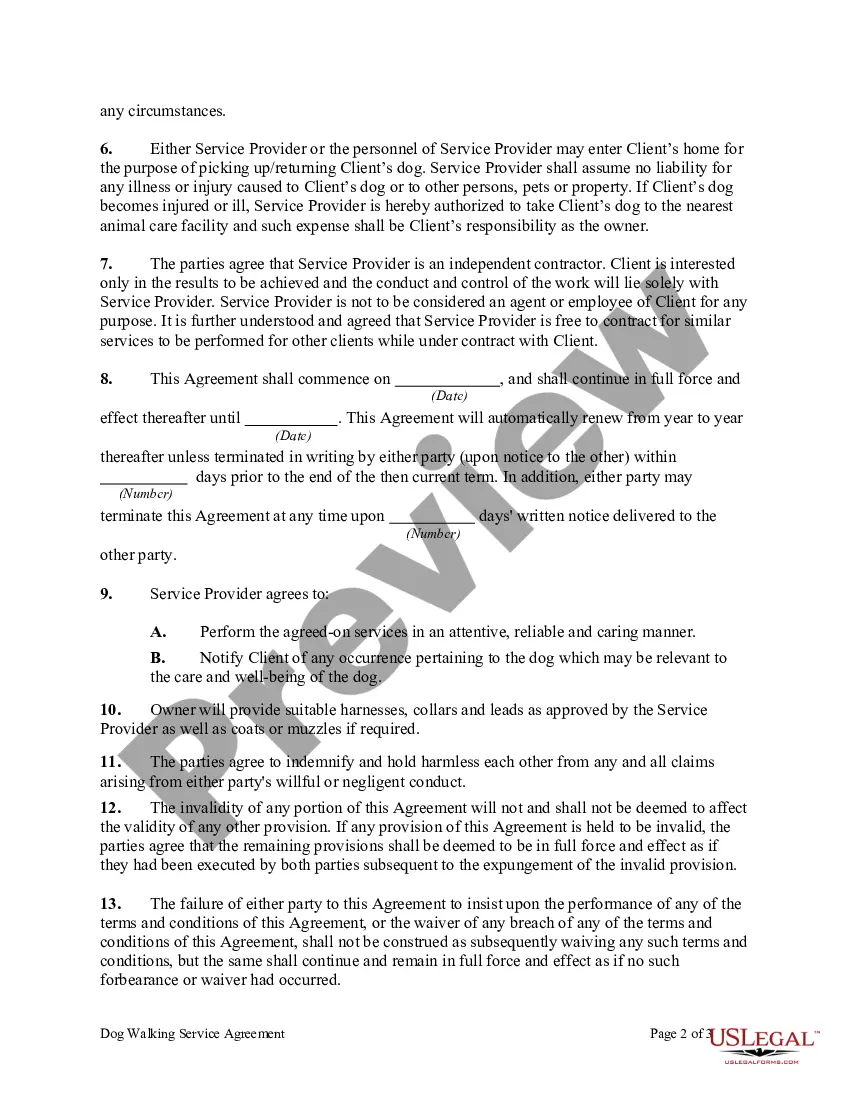
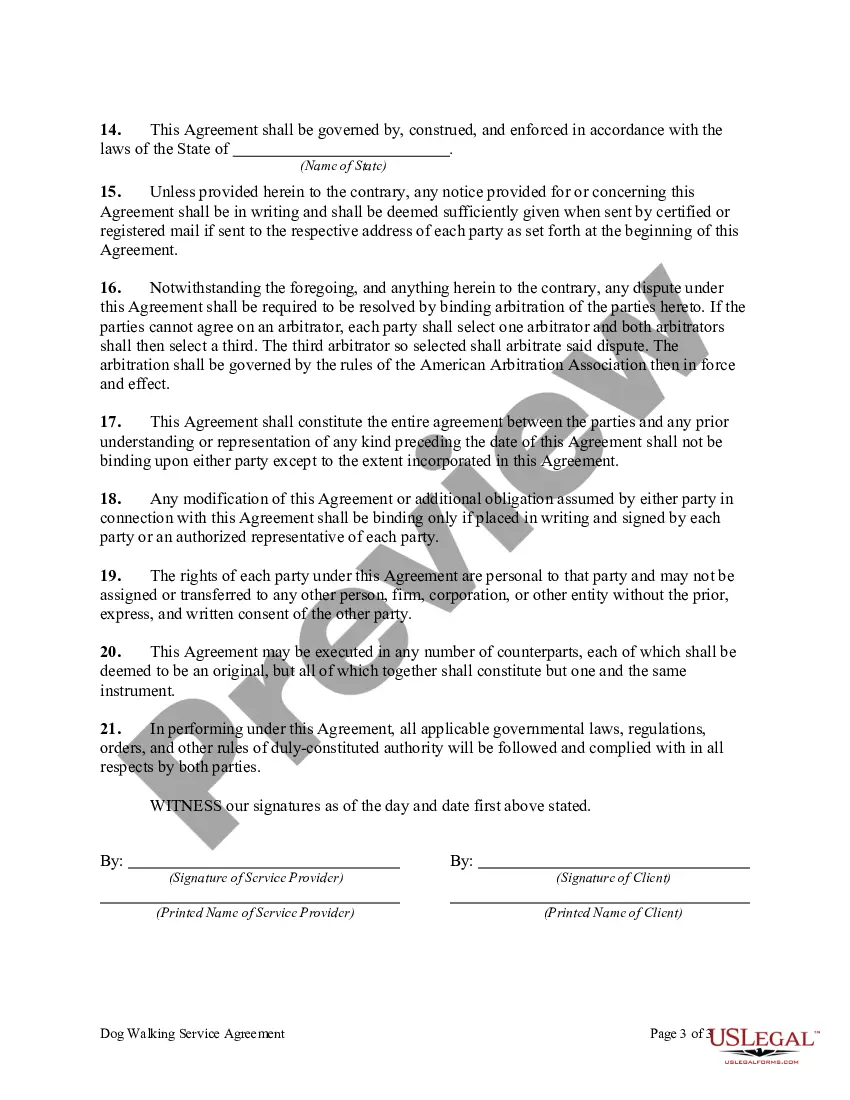
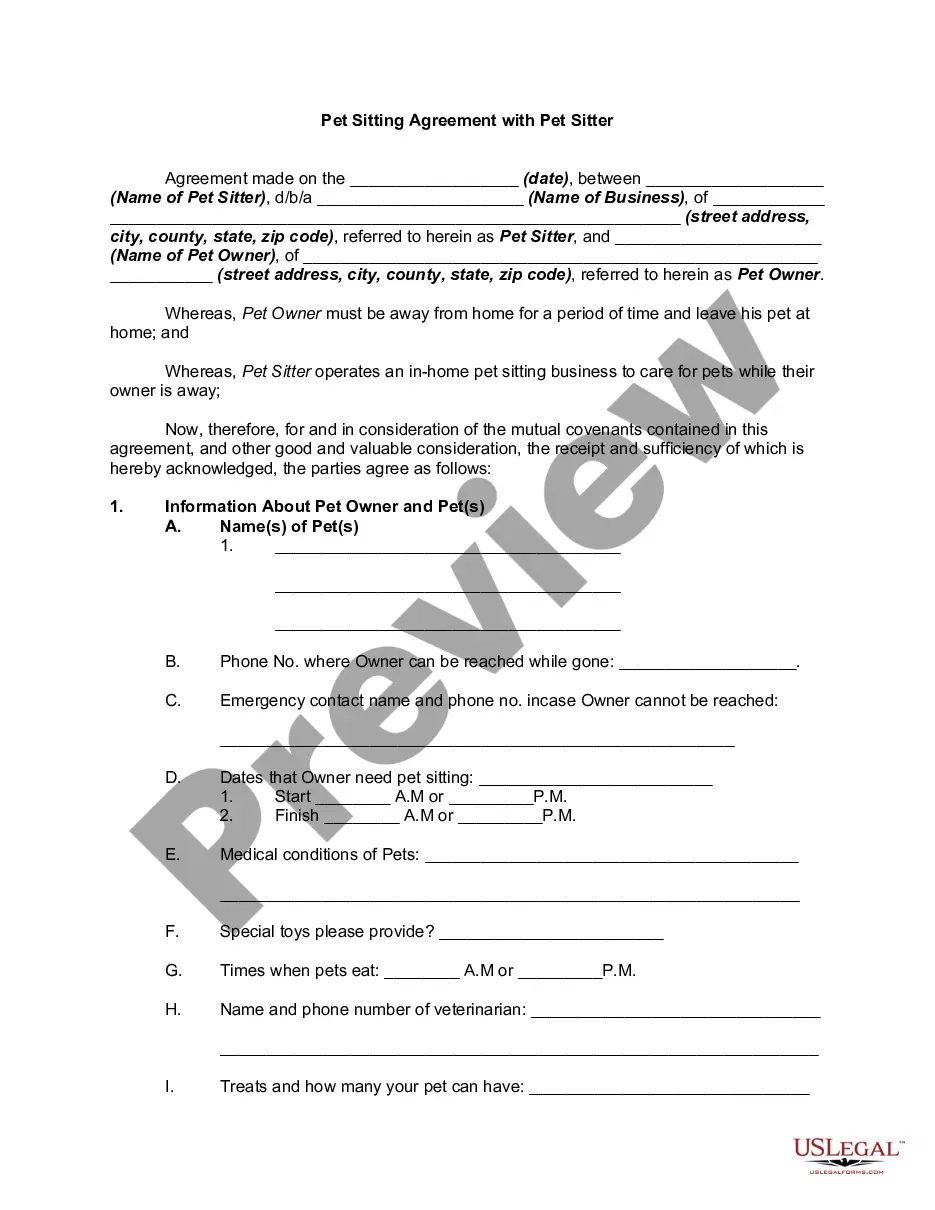
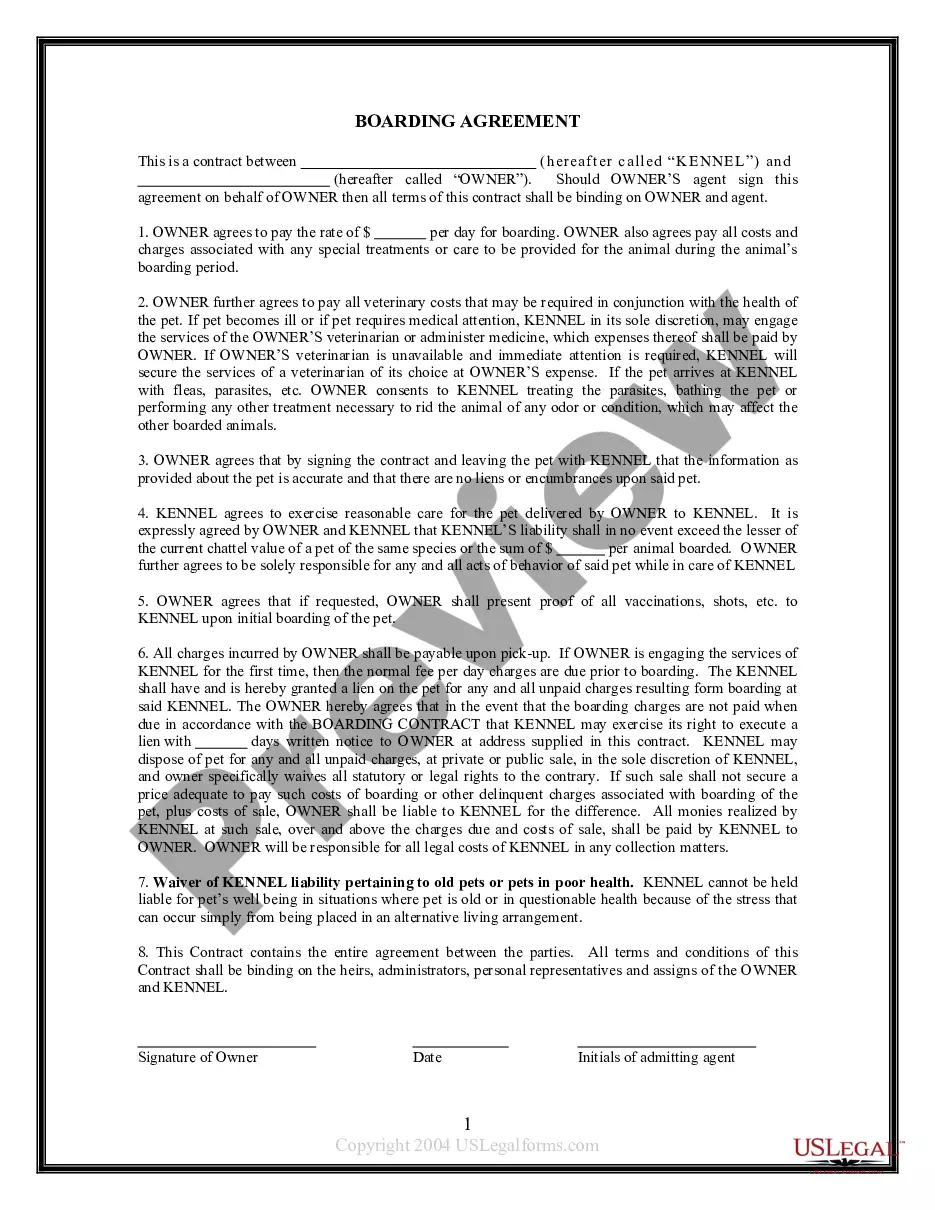
Get your form ready online
Our built-in tools help you complete, sign, share, and store your documents in one place.
Make edits, fill in missing information, and update formatting in US Legal Forms—just like you would in MS Word.
Download a copy, print it, send it by email, or mail it via USPS—whatever works best for your next step.
Sign and collect signatures with our SignNow integration. Send to multiple recipients, set reminders, and more. Go Premium to unlock E-Sign.
If this form requires notarization, complete it online through a secure video call—no need to meet a notary in person or wait for an appointment.
We protect your documents and personal data by following strict security and privacy standards.

Make edits, fill in missing information, and update formatting in US Legal Forms—just like you would in MS Word.

Download a copy, print it, send it by email, or mail it via USPS—whatever works best for your next step.

Sign and collect signatures with our SignNow integration. Send to multiple recipients, set reminders, and more. Go Premium to unlock E-Sign.

If this form requires notarization, complete it online through a secure video call—no need to meet a notary in person or wait for an appointment.

We protect your documents and personal data by following strict security and privacy standards.
Looking for another form?
Form popularity
FAQ
I started my dog walking/pet sitting company in May as a solo operator. 7 months later, I have 3 part-time employees and revenue is around $9k/month. Monthly profit depends on how much I work in the field. If employees were doing 100% of the work, profit would be ~$2,300 a month.
Under this classification both dog walkers and dog groomers would be classified within occupation group 6139 - Animal care services occupations not elsewhere classified.
Dog walking is a great side hustle because the clients are adorable, you get exercise, you're helping out a caring pet owner (having a dog of my own, I know what it's like to want the best for your pup), the hours are short and you can make around $16-$24/hour depending on your rates.
What To Include in a Dog Walking Contract Start with your service agreement. List all your services, add-ons, and rates. Cancellation policies. Insurance and liabilities. Emergency procedures and other terms and conditions. Exceptions and negative policies. Dog Walking Forms – Pet Details. Social media use.
Self-Employment: If you operate as an independent dog walker, you are likely considered self-employed. This means you will need to file a Schedule C (Form 1040) to report your income and expenses.
What is certainly true is that a dog walker charging £11.50 per dog, per hour, and performing 197 dog-walks per month, can equal the current UK median salary of £27,200 a year. And, at a rate of 13 dog-walks per day, that month's work is done in just over 15 days.
High liability You will be responsible for the health and safety of the dogs you walk. If they eat something they shouldn't, become injured, bite a person or another dog, or run away from you, you will be responsible.
Dog walkers walk dogs for clients and follow agreed-upon routes and schedules. They provide food and water, and dispose of waste products. They provide companionship during work hours or vacation absences as well. They are also responsible for taking pets to the veterinarian in the event of an emergency.
