Deed Of Agreement Example In Utah
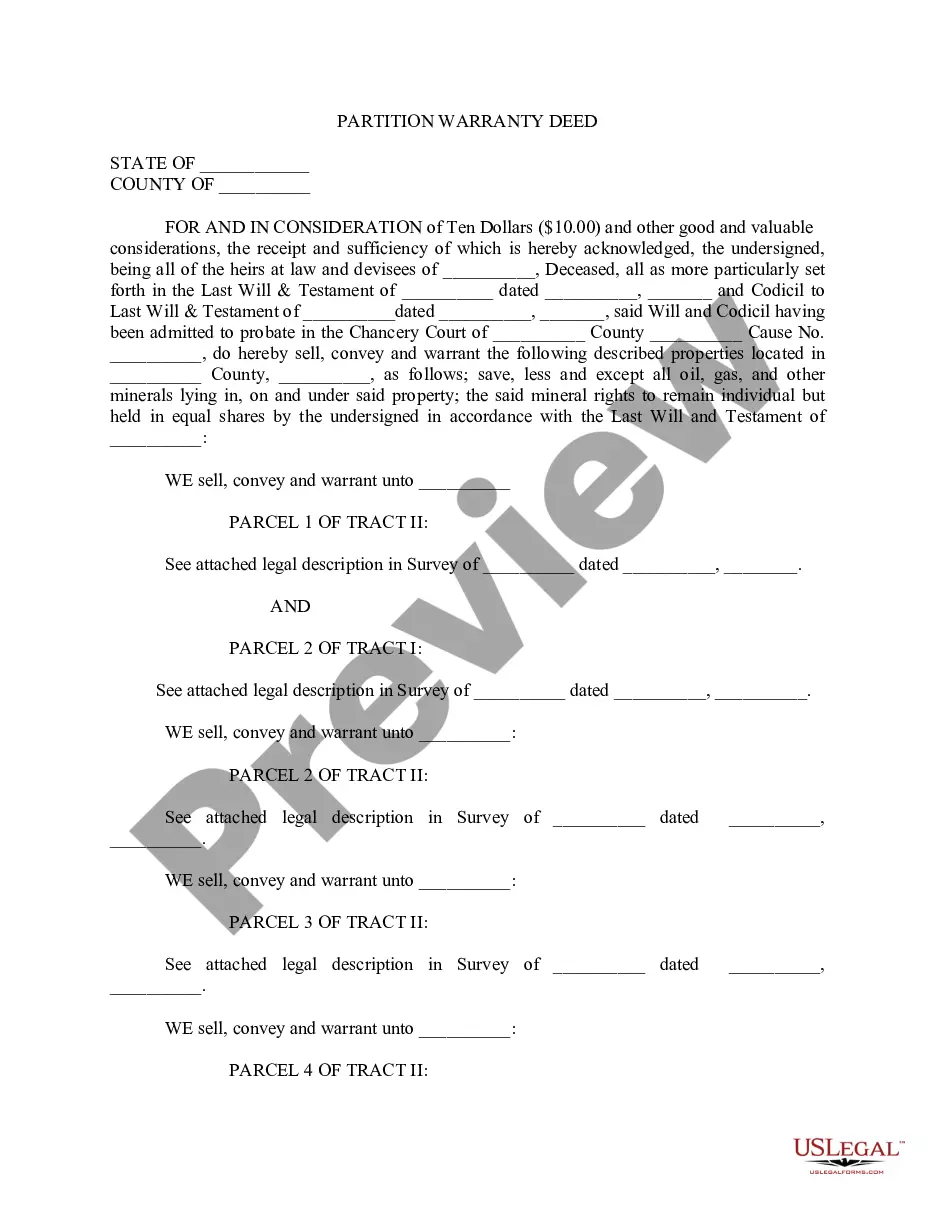
Description

Get your form ready online
Our built-in tools help you complete, sign, share, and store your documents in one place.
Make edits, fill in missing information, and update formatting in US Legal Forms—just like you would in MS Word.
Download a copy, print it, send it by email, or mail it via USPS—whatever works best for your next step.
Sign and collect signatures with our SignNow integration. Send to multiple recipients, set reminders, and more. Go Premium to unlock E-Sign.
If this form requires notarization, complete it online through a secure video call—no need to meet a notary in person or wait for an appointment.
We protect your documents and personal data by following strict security and privacy standards.

Make edits, fill in missing information, and update formatting in US Legal Forms—just like you would in MS Word.

Download a copy, print it, send it by email, or mail it via USPS—whatever works best for your next step.

Sign and collect signatures with our SignNow integration. Send to multiple recipients, set reminders, and more. Go Premium to unlock E-Sign.

If this form requires notarization, complete it online through a secure video call—no need to meet a notary in person or wait for an appointment.

We protect your documents and personal data by following strict security and privacy standards.
Looking for another form?






Form popularity
FAQ
The key documents required for a title transfer in Utah include the Certificate of Title, Bill of Sale, Release of Lien, and Affidavit of Ownership. Having these documents prepared is essential for a successful transfer process.
Understanding Property Ownership in Utah There could be any number of reasons why you need to locate the owner of a property. You can do so easily by visiting the local county recorder's office and asking to see the most recent deed.
In the U.S., most recorders of deeds are elected officials who serve the area of a county or equivalent jurisdiction.
Abstracts and their indexes are available through the county recorders' offices; the Archives has microfilm copies for some Utah counties. Deeds. These are recorded copies of various types of deeds registered with the county recorder that show land ownership and changes to land ownership.
Utah is known as a Trust Deed and Promissory Note state. There are references to a foreclosure being allowed under the law, typically in a Contract for Deed transaction but this is certainly not the standard.
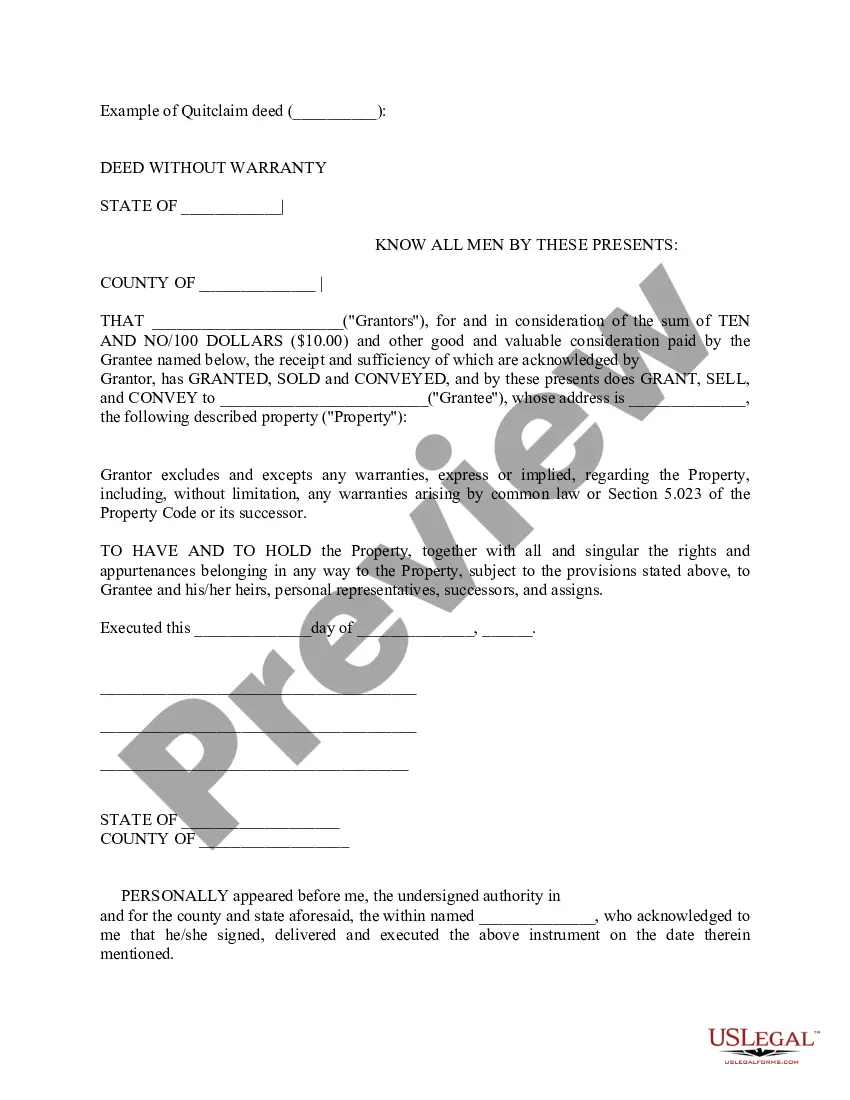
Conversely, for you to have a legally binding and valid deed, it must be set out in writing and clearly stated as a deed and not an agreement. It must contain language stating that the document is a deed but does not need to have the word 'deed' written on its front cover.
Address. Types of records. Available deeds and their indexes. Including grantor and grantee indexesMoreAddress. Types of records. Available deeds and their indexes. Including grantor and grantee indexes are available through the county recorder offices these records show land ownership.
What Records are Public in Utah? Court Records: Case filings, judgments, and other documents related to civil and criminal proceedings in Utah courts. Vital Records: Birth certificates, death certificates, marriage licenses, and divorce records.
Yes and No. Recourse action is governed by state, and depending on what state the property is located it may be vulnerable to recourse actions. Utah and Nevada are the two most common states SBSU lends to. Utah is a recourse state, Nevada is a NON-recourse state.
