Agreement Division Property With Land In Texas
Description


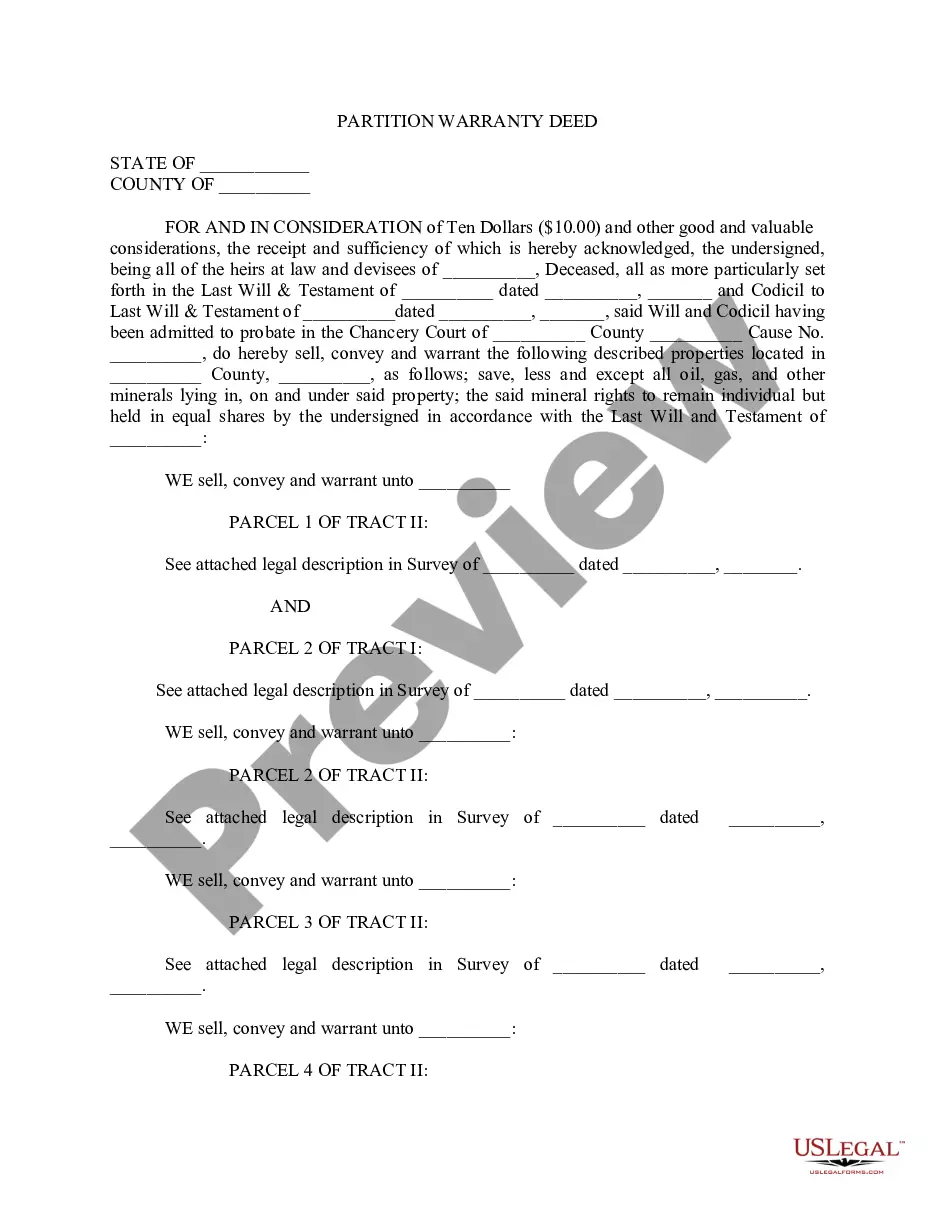
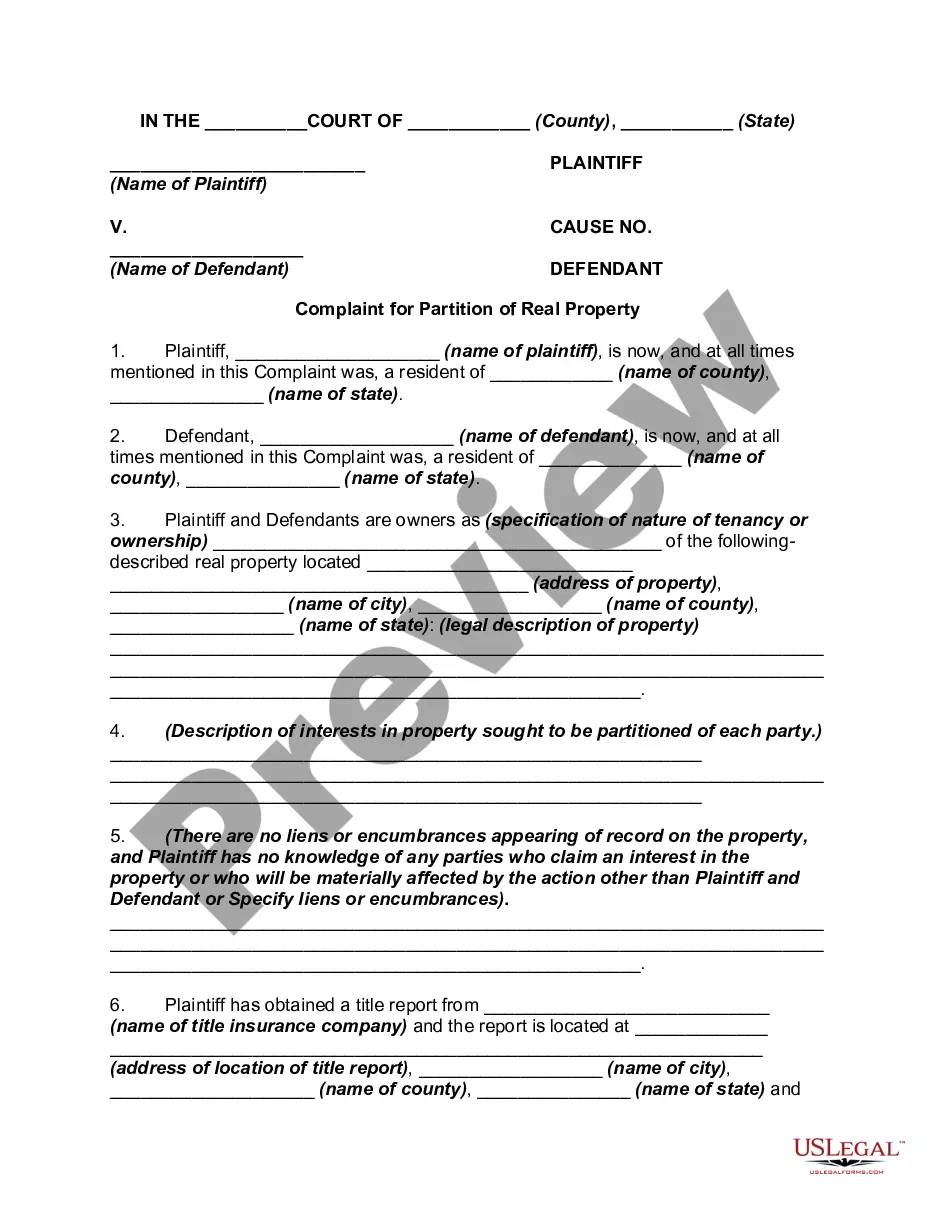
Get your form ready online
Our built-in tools help you complete, sign, share, and store your documents in one place.
Make edits, fill in missing information, and update formatting in US Legal Forms—just like you would in MS Word.
Download a copy, print it, send it by email, or mail it via USPS—whatever works best for your next step.
Sign and collect signatures with our SignNow integration. Send to multiple recipients, set reminders, and more. Go Premium to unlock E-Sign.
If this form requires notarization, complete it online through a secure video call—no need to meet a notary in person or wait for an appointment.
We protect your documents and personal data by following strict security and privacy standards.

Make edits, fill in missing information, and update formatting in US Legal Forms—just like you would in MS Word.

Download a copy, print it, send it by email, or mail it via USPS—whatever works best for your next step.

Sign and collect signatures with our SignNow integration. Send to multiple recipients, set reminders, and more. Go Premium to unlock E-Sign.

If this form requires notarization, complete it online through a secure video call—no need to meet a notary in person or wait for an appointment.

We protect your documents and personal data by following strict security and privacy standards.
Looking for another form?





Form popularity
FAQ
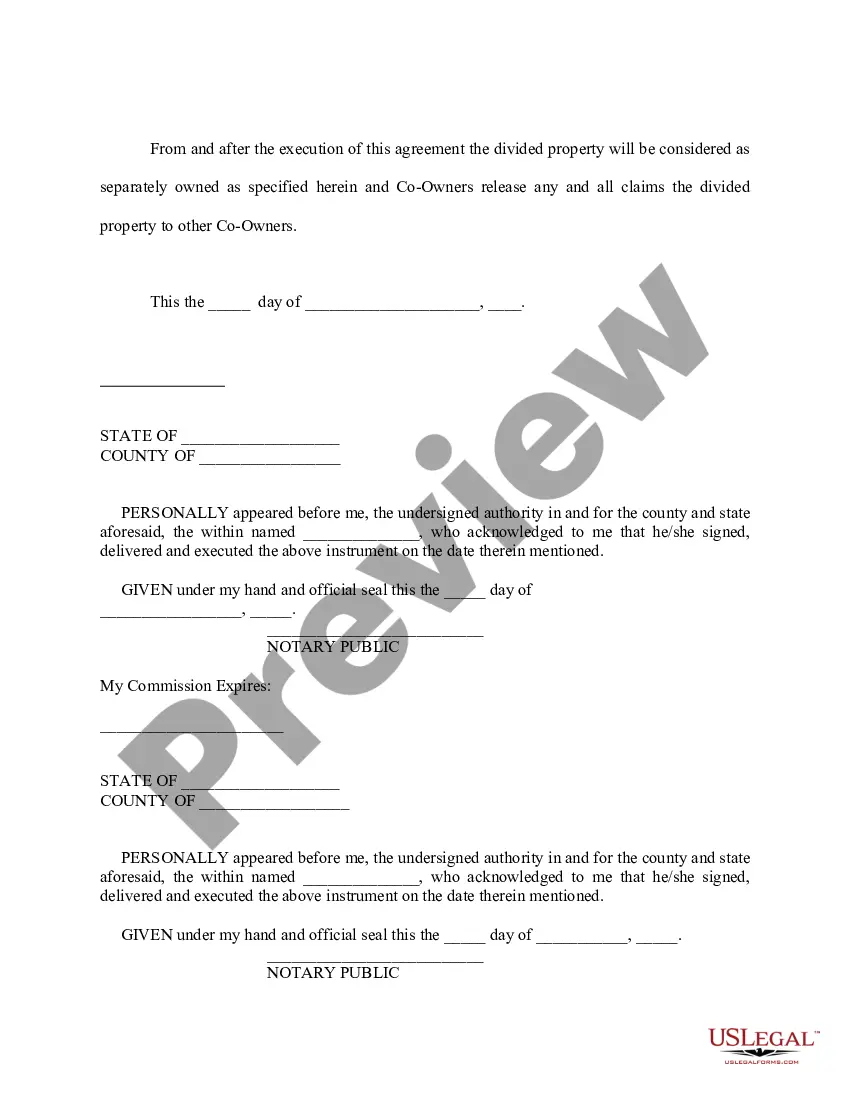
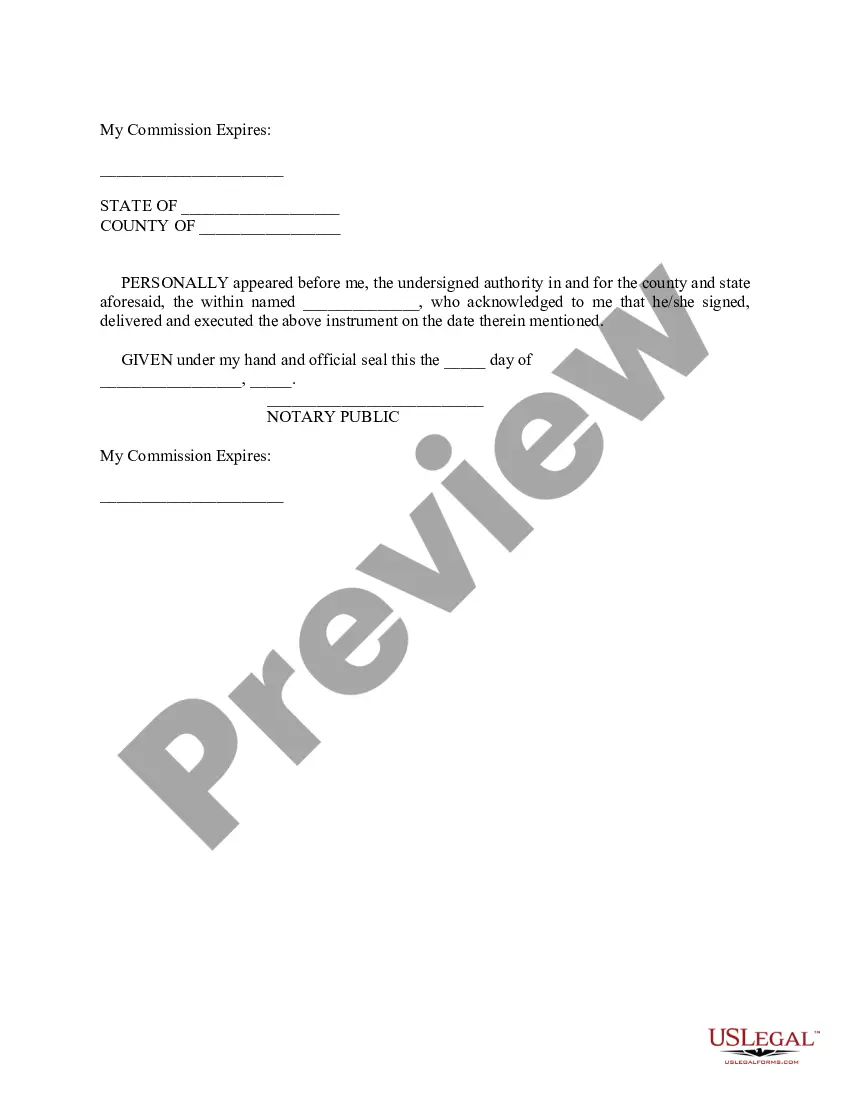
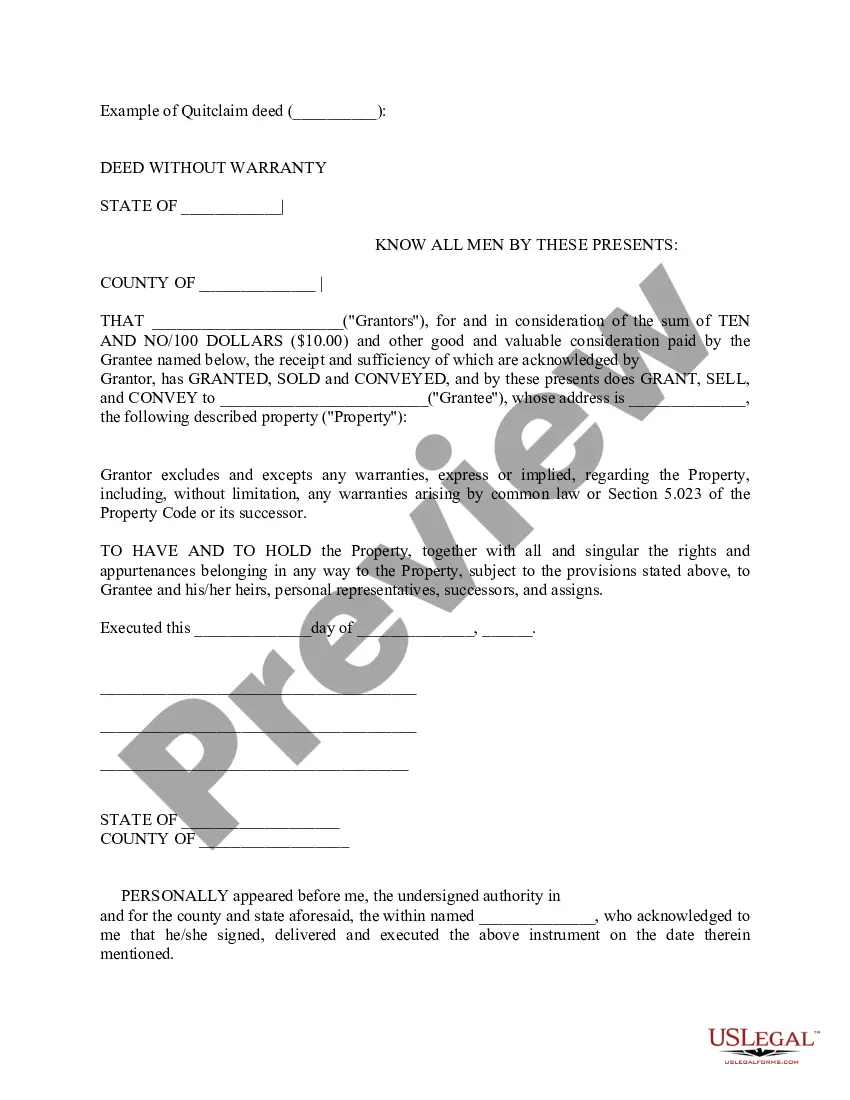
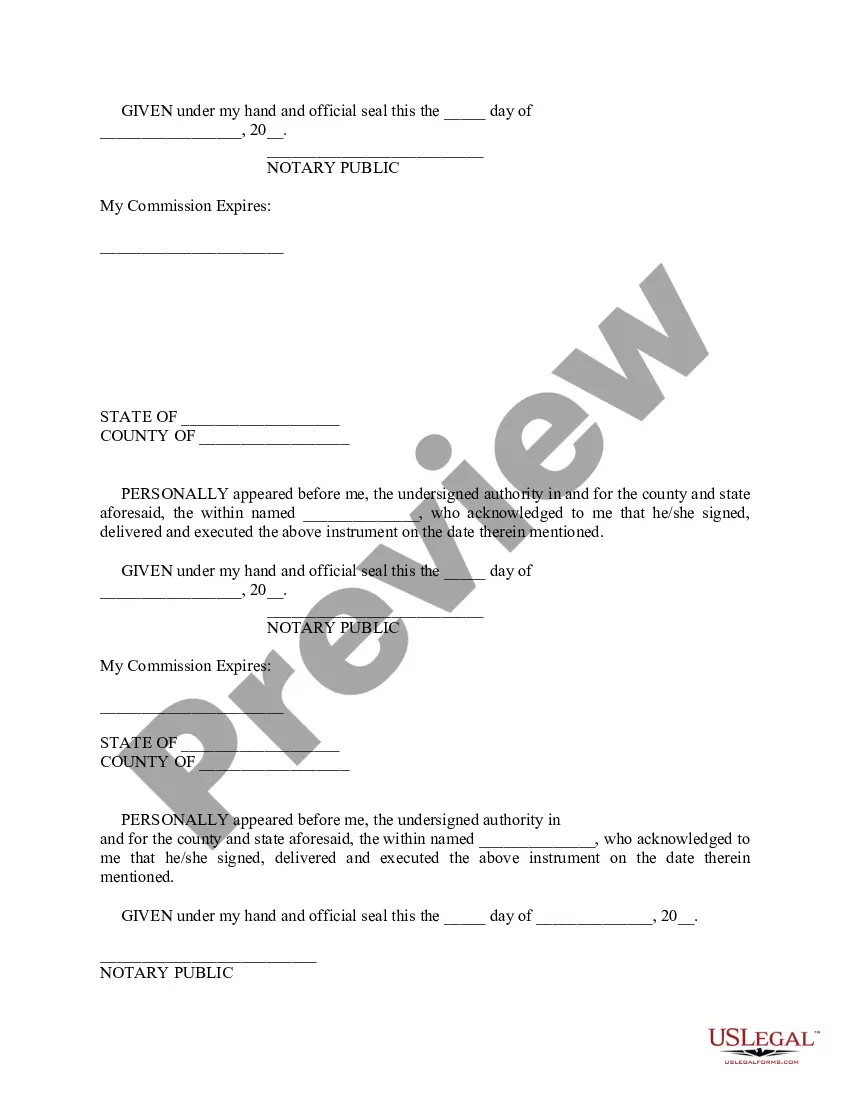
A state of ownership of real property in which one or more persons or entities own a share or interest in the entire piece of land rather than owning specific tracts. This is common with mineral estates in Texas.
Unless both spouses agree, a spouse must prove that something is separate property by “clear and convincing evidence.” If a spouse cannot prove something is separate property, it is considered to be community property. Read Gathering and Presenting Evidence to help you understand what is allowed in court.
A plat is required if a tract is being divided into two or more parts to lay out: (1) a subdivision of the tract; or (2) suburban, building, or other lots; or streets, alleys, squares, parks, or other parts of the tract intended by the owner of the tract to be dedicated to public use. Tex. Loc.
Every co-owner of an interest in the property (no matter how small) must agree in order for a voluntary partition to occur. The remedy when agreement cannot be reached is for one or more of the co-owners to seek a court-ordered division by means of a partition suit.
Every co-owner of an interest in the property (no matter how small) must agree in order for a voluntary partition to occur. The remedy when agreement cannot be reached is for one or more of the co-owners to seek a court-ordered division by means of a partition suit.
You'll need approval from your local planning or zoning board to split your property legally. This process often involves submitting a subdivision application, which outlines the proposed division and includes detailed property surveys and maps.
Usually, there are seven categories into which a piece of real estate could fall: residential, commercial, mixed-use, industrial, agricultural, green space, and tourism.
There are two potential pathways in seeking a partition: Partitions may be in kind (meaning that property is divided into separate parcels and each parcel is allotted to a separate owner) or by sale (meaning that property is sold and sale proceeds are divided among the owners).
A plat is required if a tract is being divided into two or more parts to lay out: (1) a subdivision of the tract; or (2) suburban, building, or other lots; or streets, alleys, squares, parks, or other parts of the tract intended by the owner of the tract to be dedicated to public use. Tex. Loc.
