Sample Partition Agreement With Canada In Mecklenburg
Description

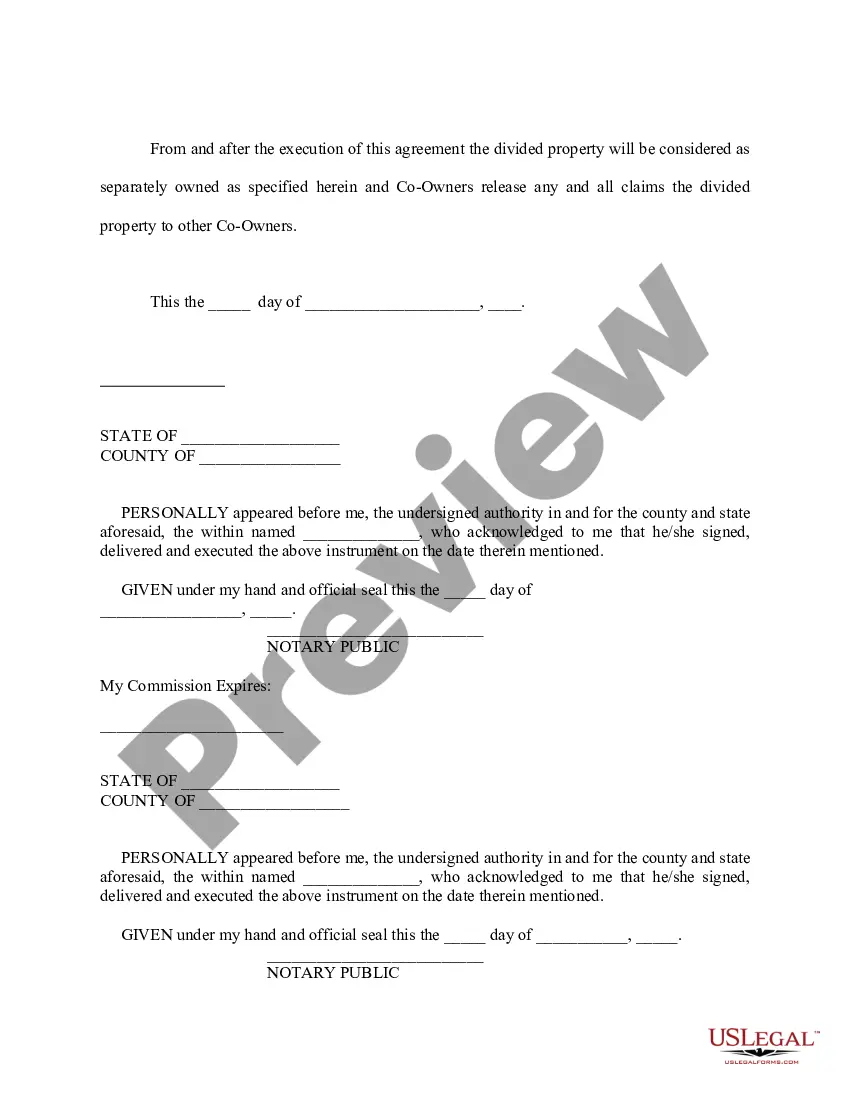
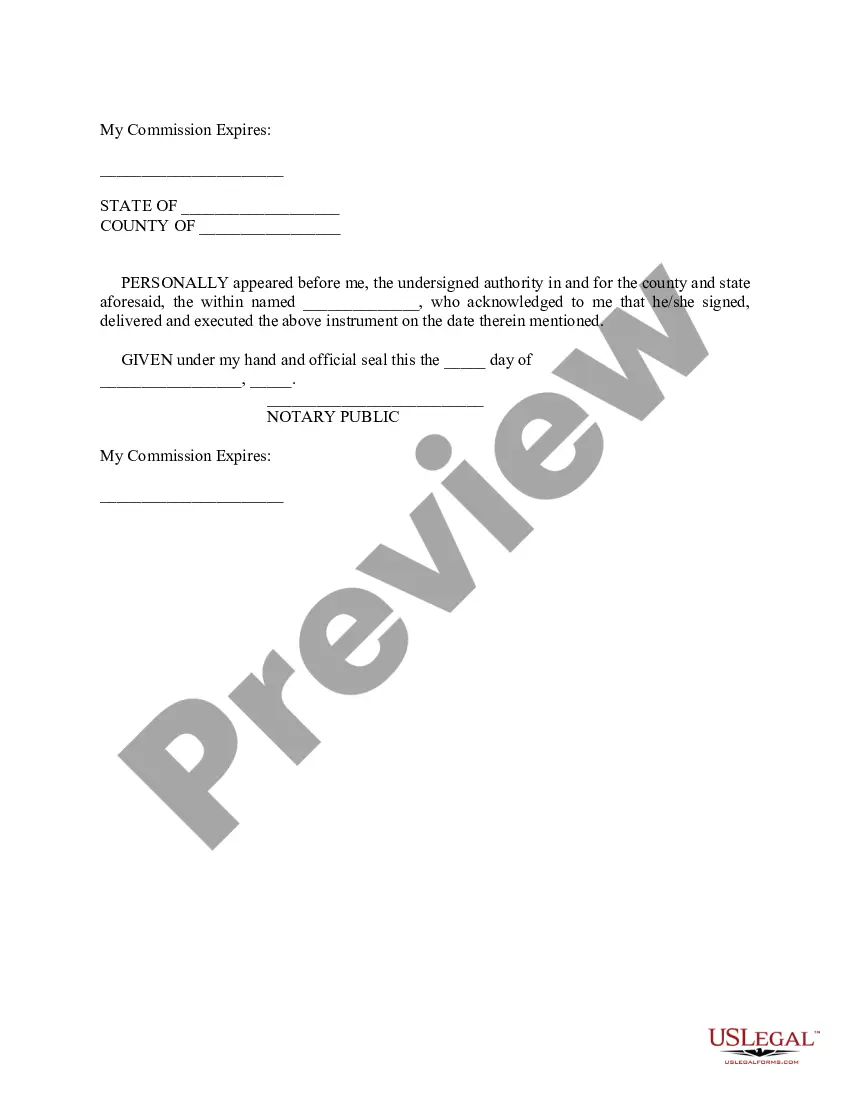
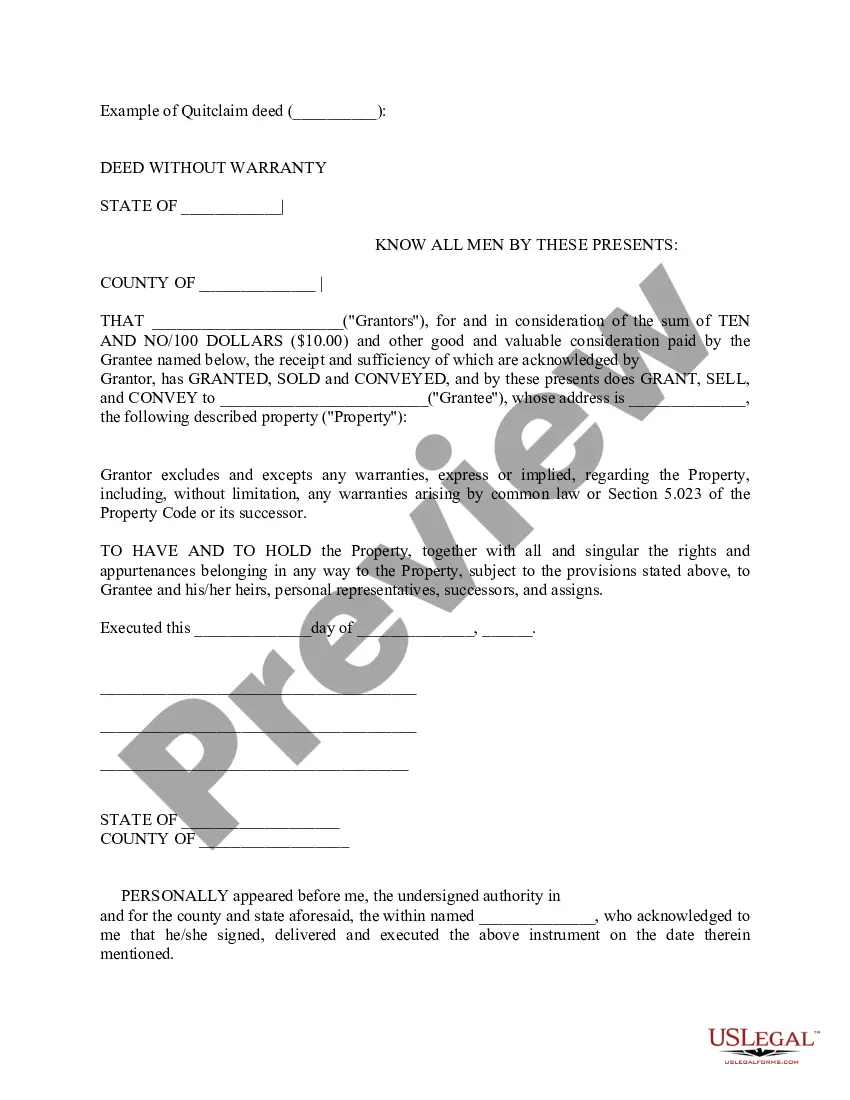
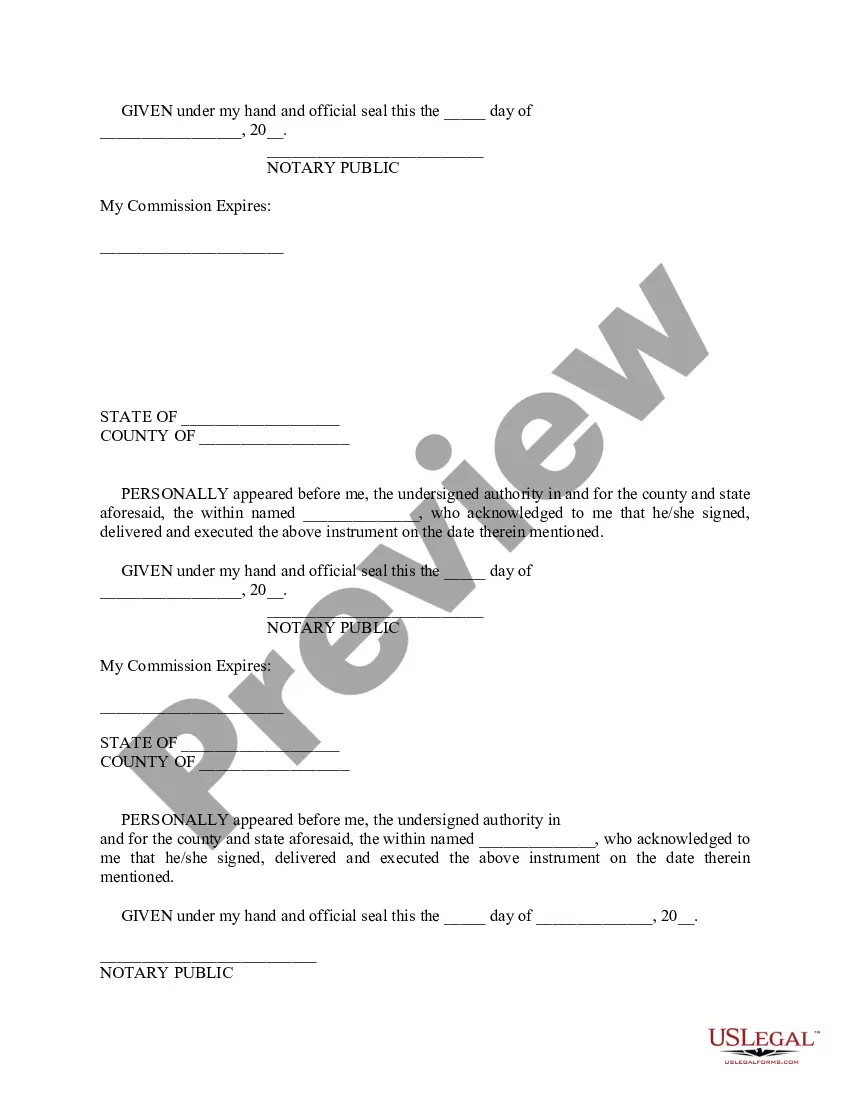

Get your form ready online
Our built-in tools help you complete, sign, share, and store your documents in one place.
Make edits, fill in missing information, and update formatting in US Legal Forms—just like you would in MS Word.
Download a copy, print it, send it by email, or mail it via USPS—whatever works best for your next step.
Sign and collect signatures with our SignNow integration. Send to multiple recipients, set reminders, and more. Go Premium to unlock E-Sign.
If this form requires notarization, complete it online through a secure video call—no need to meet a notary in person or wait for an appointment.
We protect your documents and personal data by following strict security and privacy standards.

Make edits, fill in missing information, and update formatting in US Legal Forms—just like you would in MS Word.

Download a copy, print it, send it by email, or mail it via USPS—whatever works best for your next step.

Sign and collect signatures with our SignNow integration. Send to multiple recipients, set reminders, and more. Go Premium to unlock E-Sign.

If this form requires notarization, complete it online through a secure video call—no need to meet a notary in person or wait for an appointment.

We protect your documents and personal data by following strict security and privacy standards.
Looking for another form?





Form popularity
FAQ
The German capital of Berlin, despite being deep inside the Soviet occupation area, was also to be split into four separate zones. The four powers would also work together via the Berlin-based Allied Control Council, formed in August 1945, which would oversee matters relating to the whole of Germany.
During the post-WWII Allied occupation from 1945 to 1955, millions of US, British, French, and Soviet troops were stationed in Germany.
At the end of the Second World War, in ance with agreements made between Winston Churchill, Franklin D. Roosevelt and Joseph Stalin at Yalta in February 1945, Germany was divided by the victorious Allies - Britain, the US, the Soviet Union and France - into four zones of occupation.
Initial demobilization in Europe Category I consisted of units to remain in Europe. The occupying force for Germany would consist of eight divisions and a total occupying force of 337,000 personnel to be reduced further in June 1946. Category II consisted of units to be re-deployed to the Pacific.
Although a defeated West Germany was forbidden from having a standing army immediately after the end of World War II, the Allies quickly changed that stance as the Cold War began and by 1955 Germany's Bundeswehr came into existence as a NATO member with the chief mission to hold off the threat of a Soviet invasion.
The British Occupation of Germany, 1945–49: A Case Study in Post-Conflict Reconstruction. The British occupation of part of West Germany was most successful when it allowed the German people to rebuild their political, economic and social infrastructure without external impositions.
