Partition Rules In Los Angeles
Description


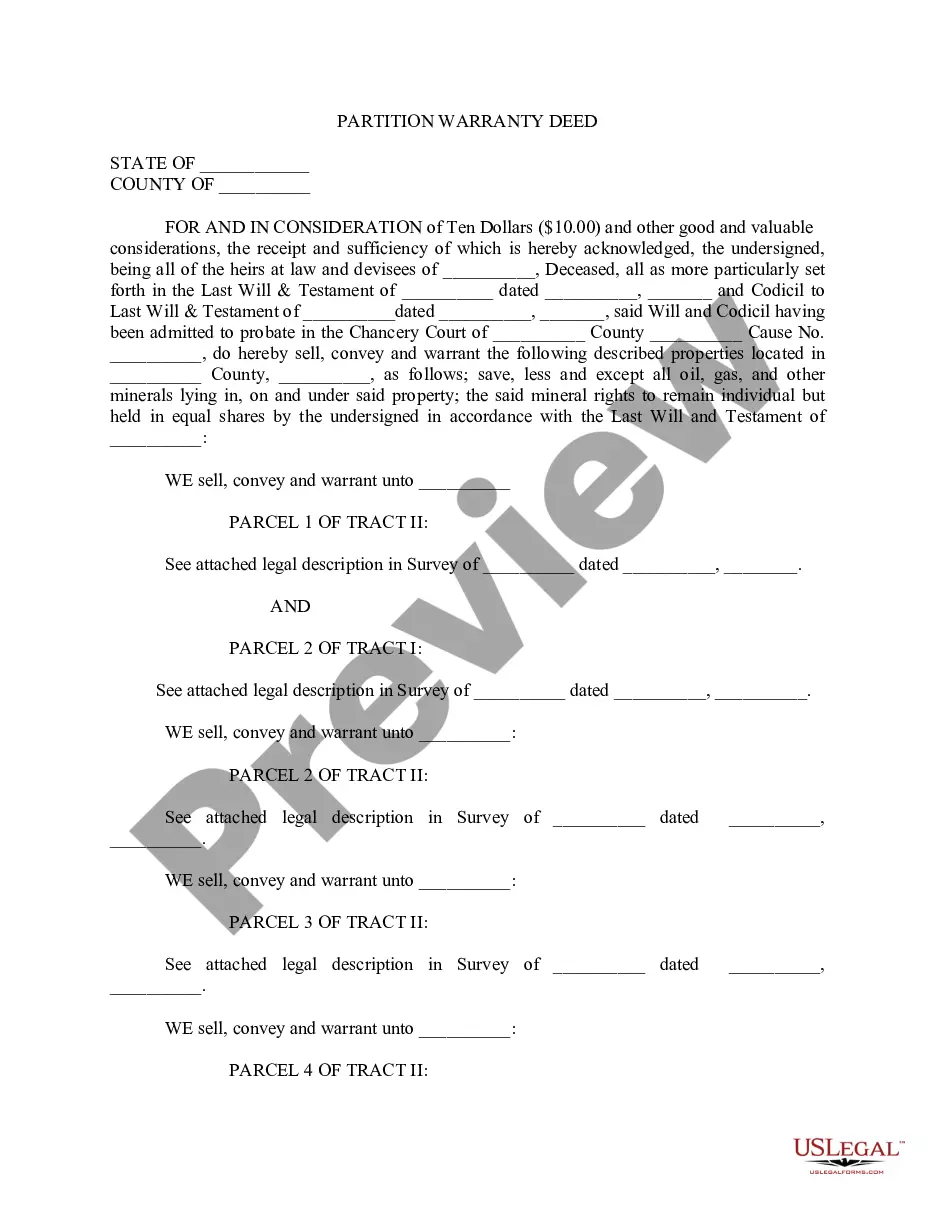
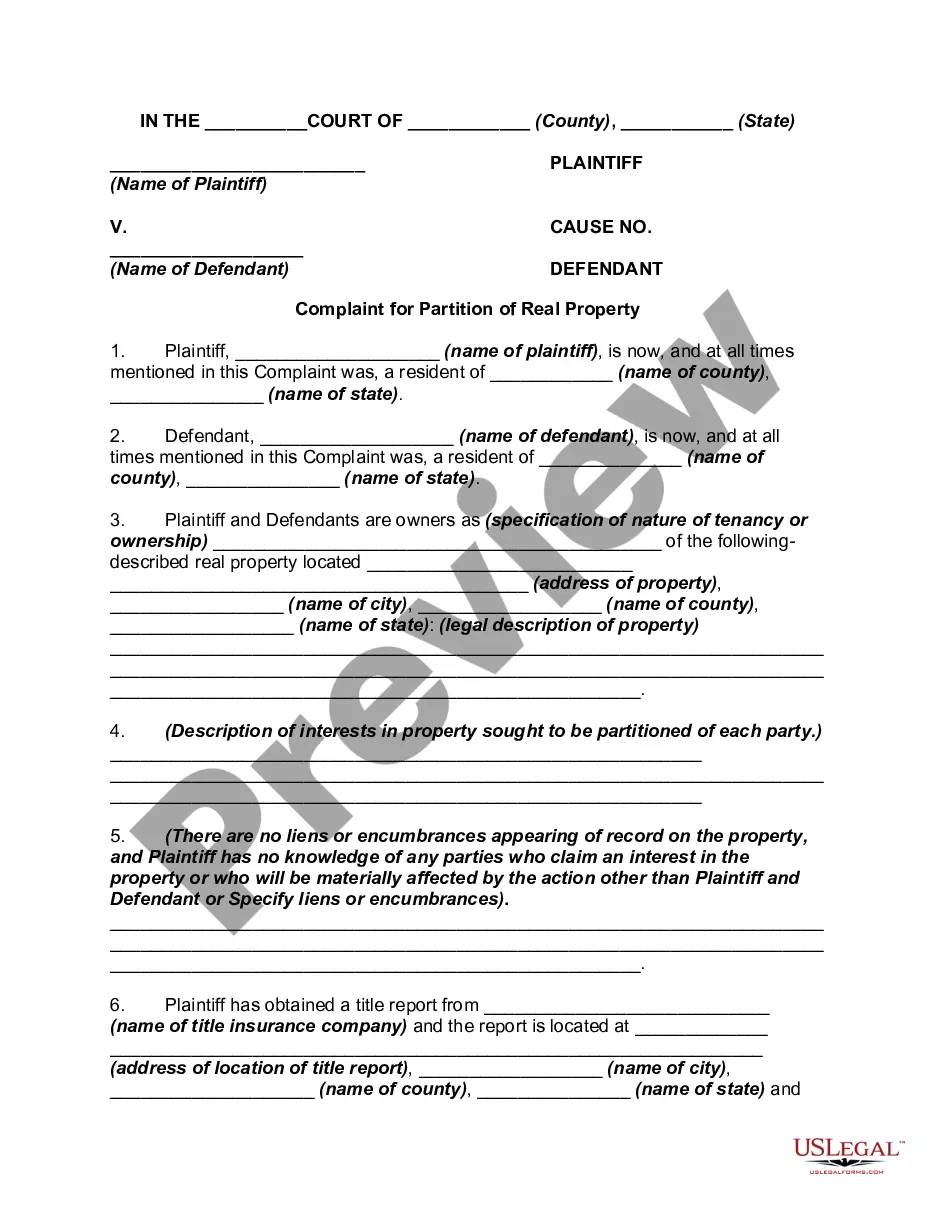
Get your form ready online
Our built-in tools help you complete, sign, share, and store your documents in one place.
Make edits, fill in missing information, and update formatting in US Legal Forms—just like you would in MS Word.
Download a copy, print it, send it by email, or mail it via USPS—whatever works best for your next step.
Sign and collect signatures with our SignNow integration. Send to multiple recipients, set reminders, and more. Go Premium to unlock E-Sign.
If this form requires notarization, complete it online through a secure video call—no need to meet a notary in person or wait for an appointment.
We protect your documents and personal data by following strict security and privacy standards.

Make edits, fill in missing information, and update formatting in US Legal Forms—just like you would in MS Word.

Download a copy, print it, send it by email, or mail it via USPS—whatever works best for your next step.

Sign and collect signatures with our SignNow integration. Send to multiple recipients, set reminders, and more. Go Premium to unlock E-Sign.

If this form requires notarization, complete it online through a secure video call—no need to meet a notary in person or wait for an appointment.

We protect your documents and personal data by following strict security and privacy standards.
Looking for another form?






Form popularity
FAQ
To ensure a partition wall serves its purpose effectively, there are four key requirements it must meet: strength and stability, sound insulation, fire resistance, and aesthetic appeal.
Separate or self acquired property of any member of the family is not eligible to be divided amongst the coparceners of the family on partition. If a partition of a property can be effected without shattering the intrinsic value of the whole property, such partition is mandatory to be made.
Event. That's the first thing so one they have to be mutually disjoint. And two their union has toMoreEvent. That's the first thing so one they have to be mutually disjoint. And two their union has to be the other event entirely. So B1 to BN is a partition of an event B.
Legal Notice: If no agreement is reached, a legal notice must be served to all parties, informing them of the intent to partition the property. Filing a Partition Suit: In case of disagreements, a partition suit can be filed in court. The court examines all evidence and issues a decree for the division of property.
Any co-owner—called a co-tenant—or a creditor can force a sale of the property. A creditor can also seize at least a portion of the debtor's property or the proceeds of a sale.
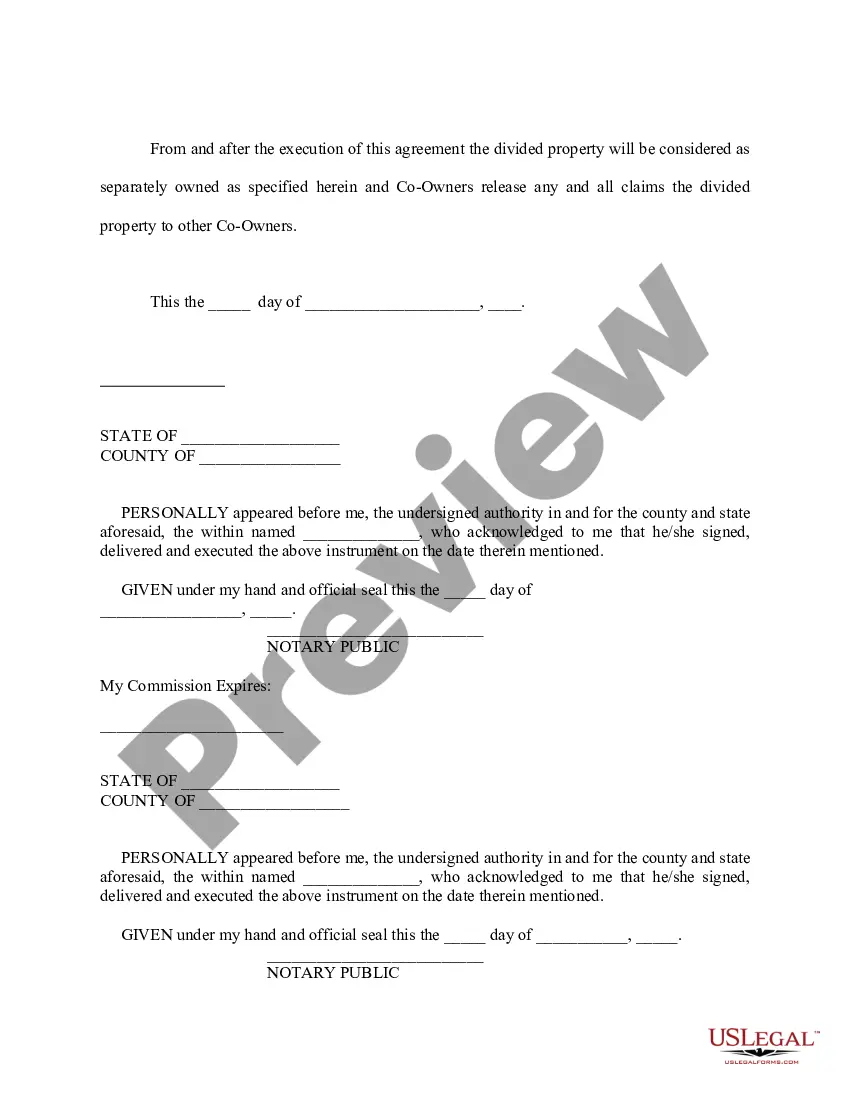
A partition action is filed in the Court by submitting a “complaint” that complies with all of the requirements of the Code of Civil Procedure. In California, almost all of the partition actions are filed by attorneys on behalf of parties because there are a number of technical legal requirements for filing a lawsuit.
Within three years: (a) An action upon a liability created by statute, other than a penalty or forfeiture. (b) An action for trespass upon or injury to real property.
Here is an overview on how a partition action will play out in court. The party who wishes to initiate the action (the “Plaintiff”) must file a verified complaint for partition. The court will first determine the ownership interests of each of the co-owners.
California Code of Civil Procedure section 872.210 defines the persons who are authorized to commence an action of partition. The section broadens the people who may attempt to bring a partition, while retaining a limitation on property held in community or quasi-community interest.
The California Law Civil Procedure Code section 872.210 states anyone who wants to dissolve ownership that is jointly owned with another person has a legal right to sell his/her interest if desired. Eligibility for Partitions are: Inheritance that is usually family members who inherit real and personal property.