Texas Partition Agreement With Spouse In Allegheny
Description

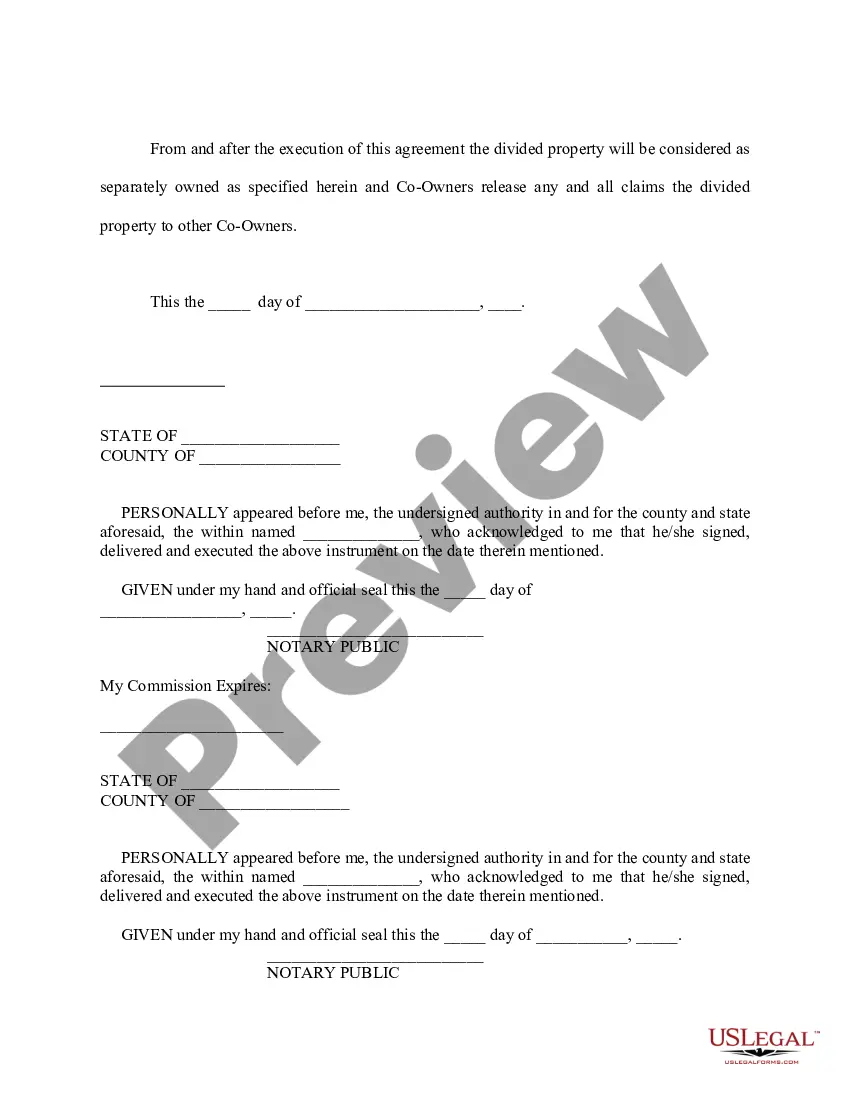
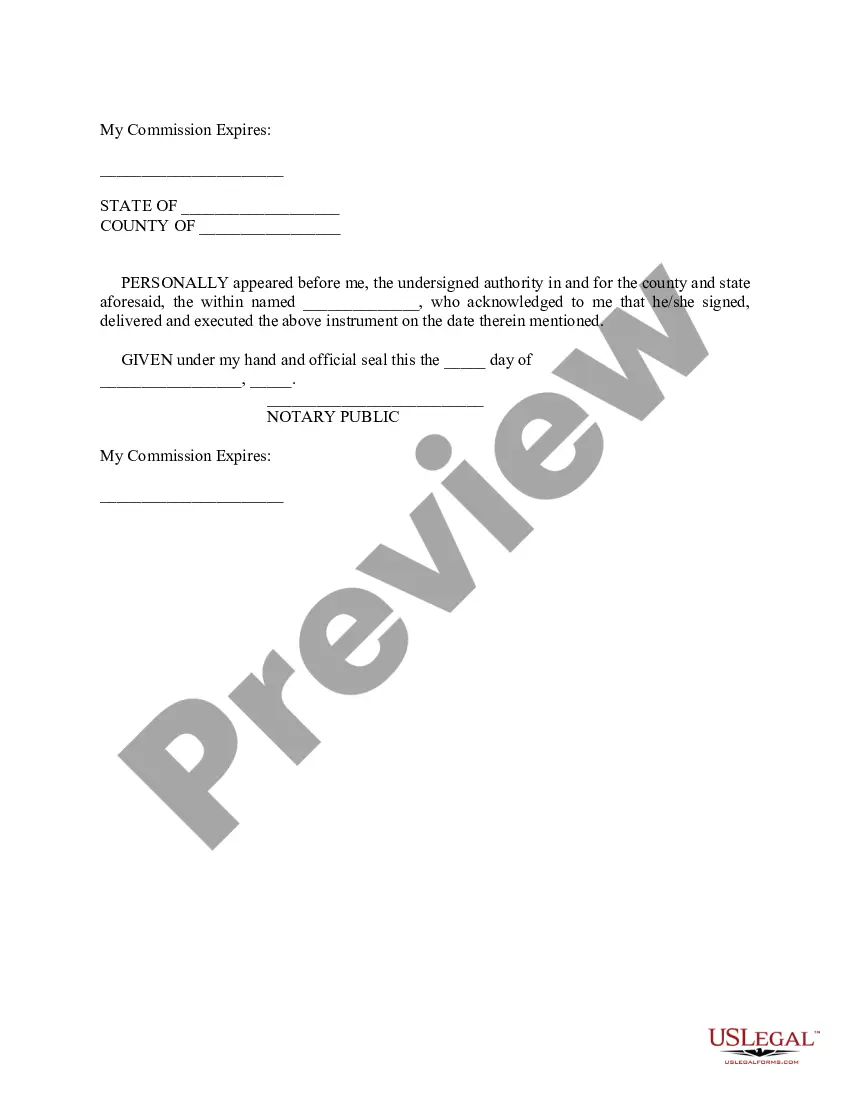
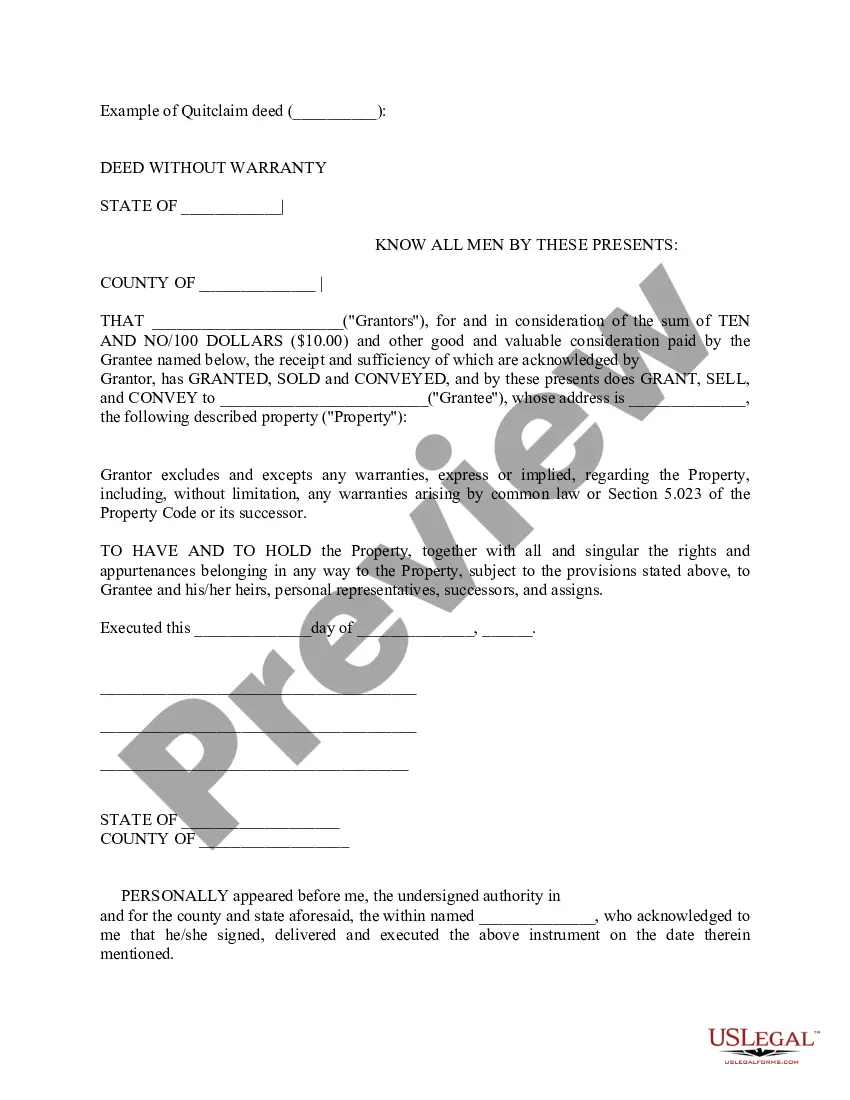
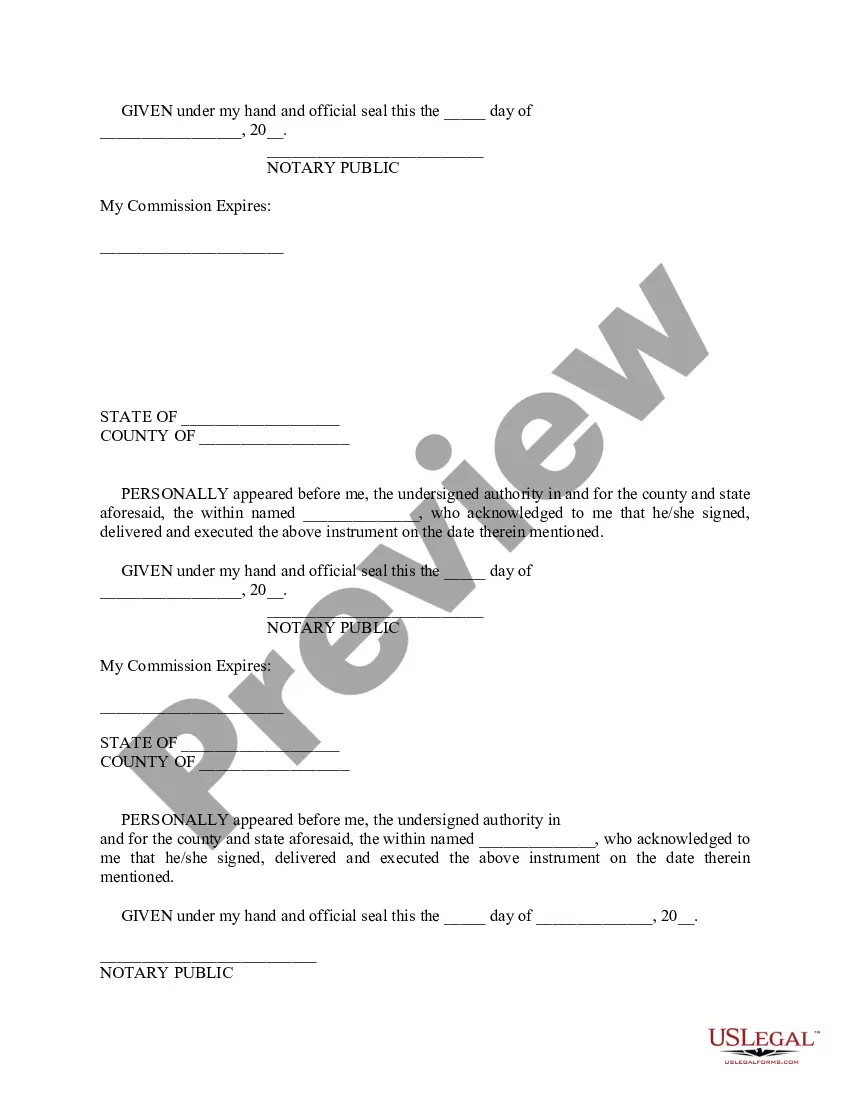

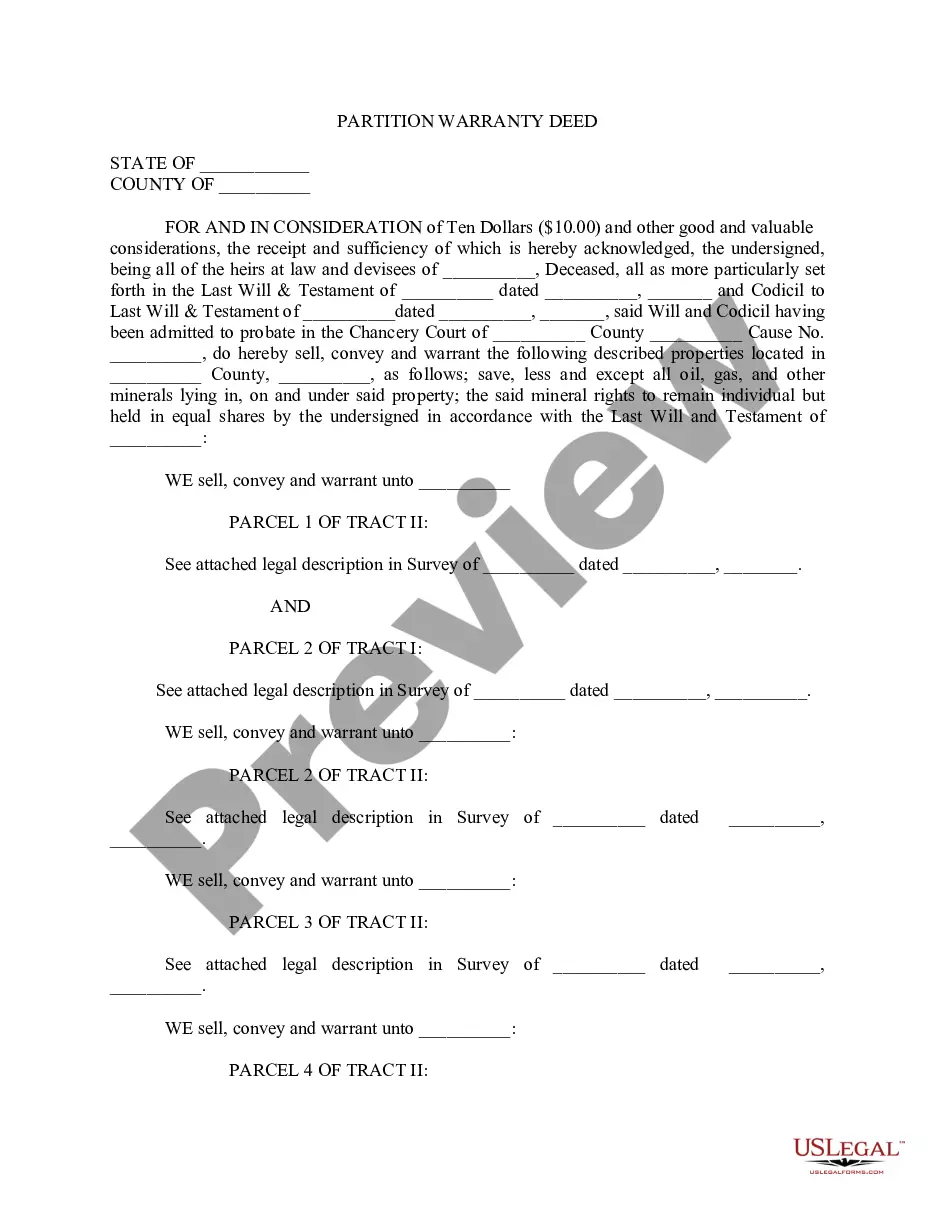
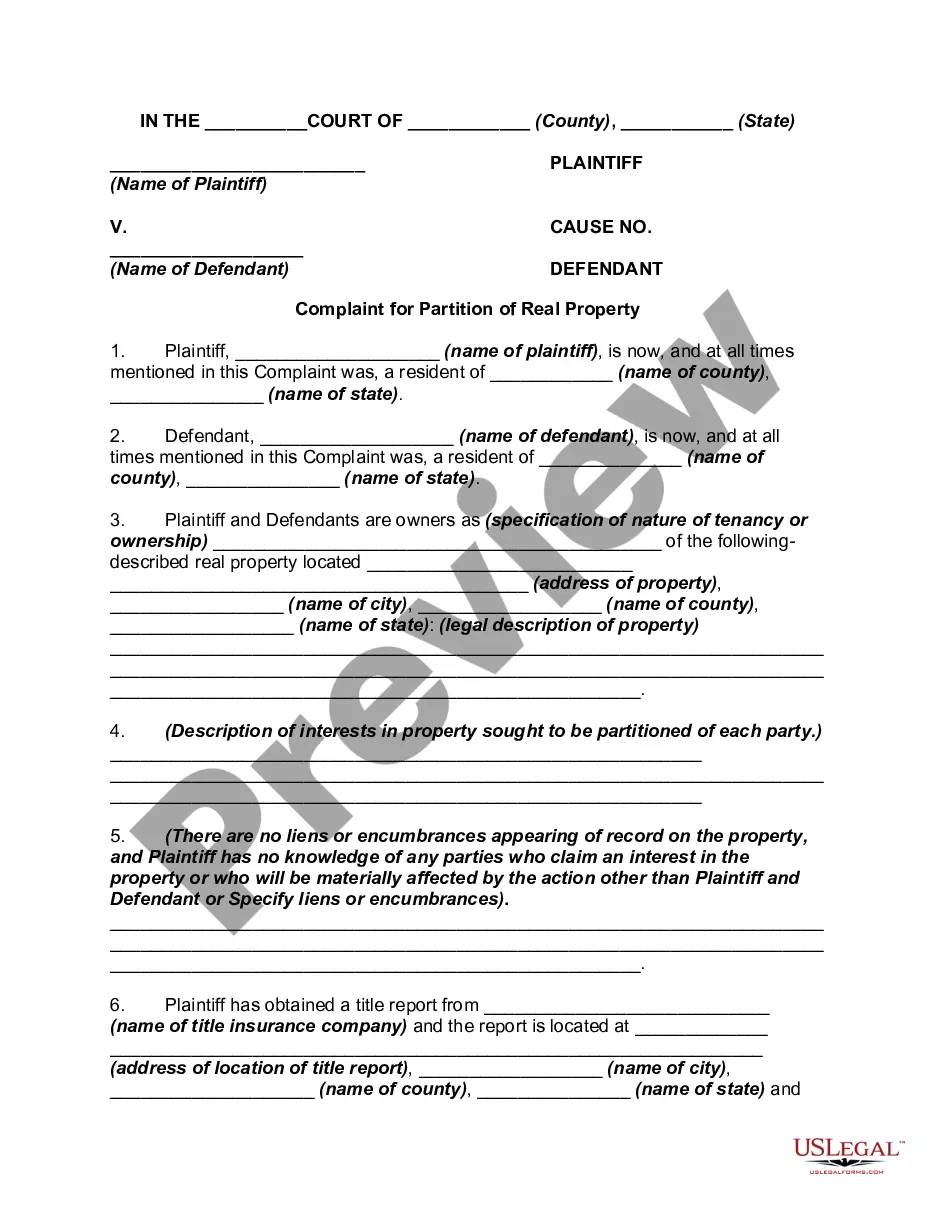
Get your form ready online
Our built-in tools help you complete, sign, share, and store your documents in one place.
Make edits, fill in missing information, and update formatting in US Legal Forms—just like you would in MS Word.
Download a copy, print it, send it by email, or mail it via USPS—whatever works best for your next step.
Sign and collect signatures with our SignNow integration. Send to multiple recipients, set reminders, and more. Go Premium to unlock E-Sign.
If this form requires notarization, complete it online through a secure video call—no need to meet a notary in person or wait for an appointment.
We protect your documents and personal data by following strict security and privacy standards.

Make edits, fill in missing information, and update formatting in US Legal Forms—just like you would in MS Word.

Download a copy, print it, send it by email, or mail it via USPS—whatever works best for your next step.

Sign and collect signatures with our SignNow integration. Send to multiple recipients, set reminders, and more. Go Premium to unlock E-Sign.

If this form requires notarization, complete it online through a secure video call—no need to meet a notary in person or wait for an appointment.

We protect your documents and personal data by following strict security and privacy standards.
Looking for another form?









Form popularity
FAQ
The parties acknowledge that, to convert additional separate property of either party into com- munity property, the parties must prepare and sign a separate written instrument. This agreement may be enforced by suit in law or equity by either of the parties or by their heirs, executors, attorneys, or assigns.
The owning spouse may deed the property directly into his or her own name together with the name of the receiving spouse (i.e., both spouses are listed as grantees with expressly-stated rights of survivorship) and, so long as both spouses recite terms and sign the deed as a written agreement, the statutory requirements ...
Even if only one spouse's name is on the deed, any property bought during the marriage is presumed to be community property, unless it was bought with separate property funds. The spouse claiming it as separate property must prove it in court.
Community vs. Separate property, as defined under Texas law, is any asset that you owned before your marriage, as well as anything you received individually as a gift or inheritance during your marriage. Pre-marriage ownership – Anything you owned before you got married remains solely yours.
Community property under the intestate succession laws be distributed all to the surviving spouse if there are no children or if all children are of the marriage.
Texas Laws on Community Debt In many community property jurisdictions, debts incurred during the marriage are presumed to be the joint responsibility of both spouses.
A debtor that is married might offer various defenses based on the community property laws of the state of Texas. This page discusses some of those issues. A spouse's separate property cannot be seized to satisfy a judgment against the other spouse unless both spouses are liable under other rule of law.
In short, yes, you should have an attorney to represent you in a postnuptial agreement for several reasons: To be sure you are treated fairly in the agreement. To have the agreement upheld, as a court is much more likely to say it is a valid contract if both parties were represented by counsel when they entered into it.