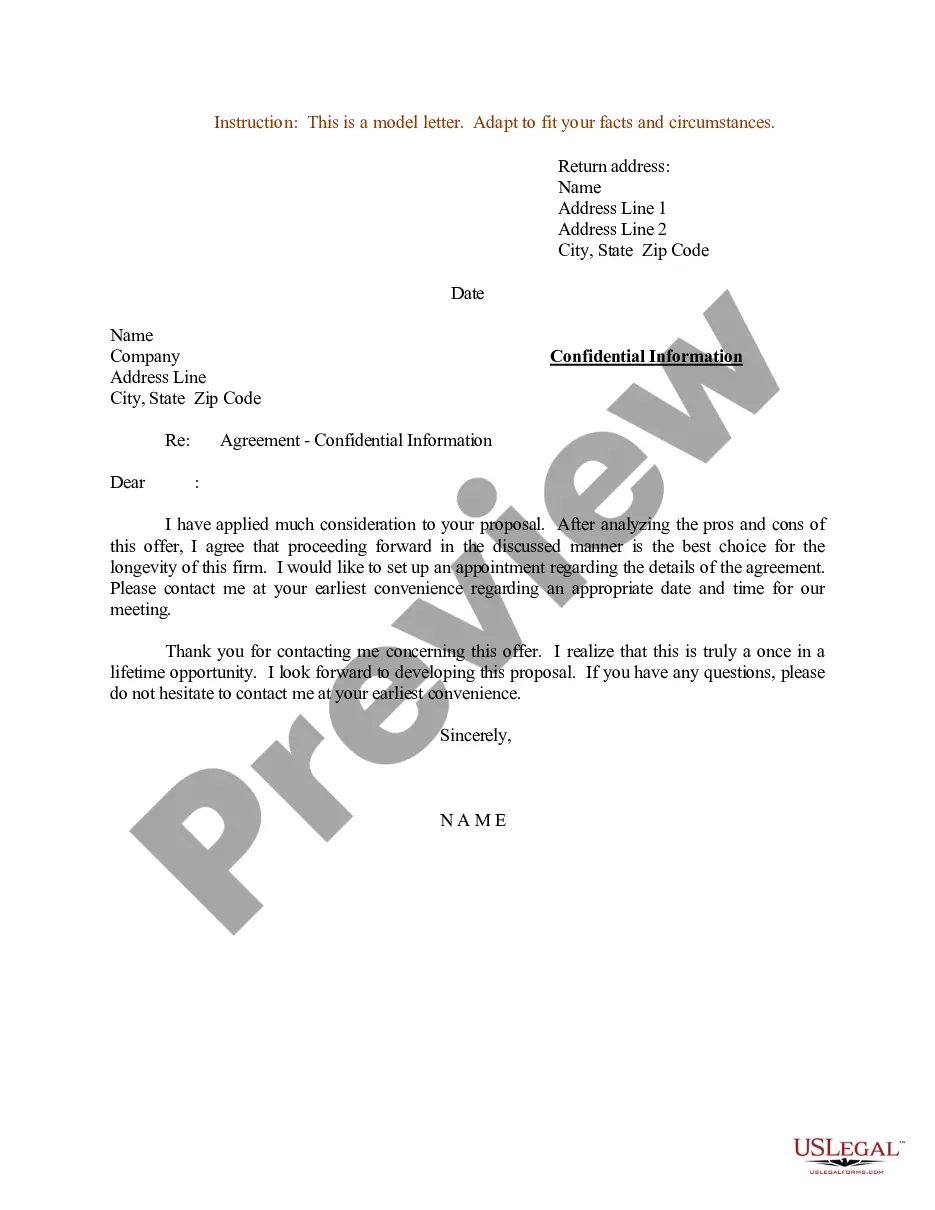
Sample Letter For Disclosing Confidential Information Without Consent In Washington
Description
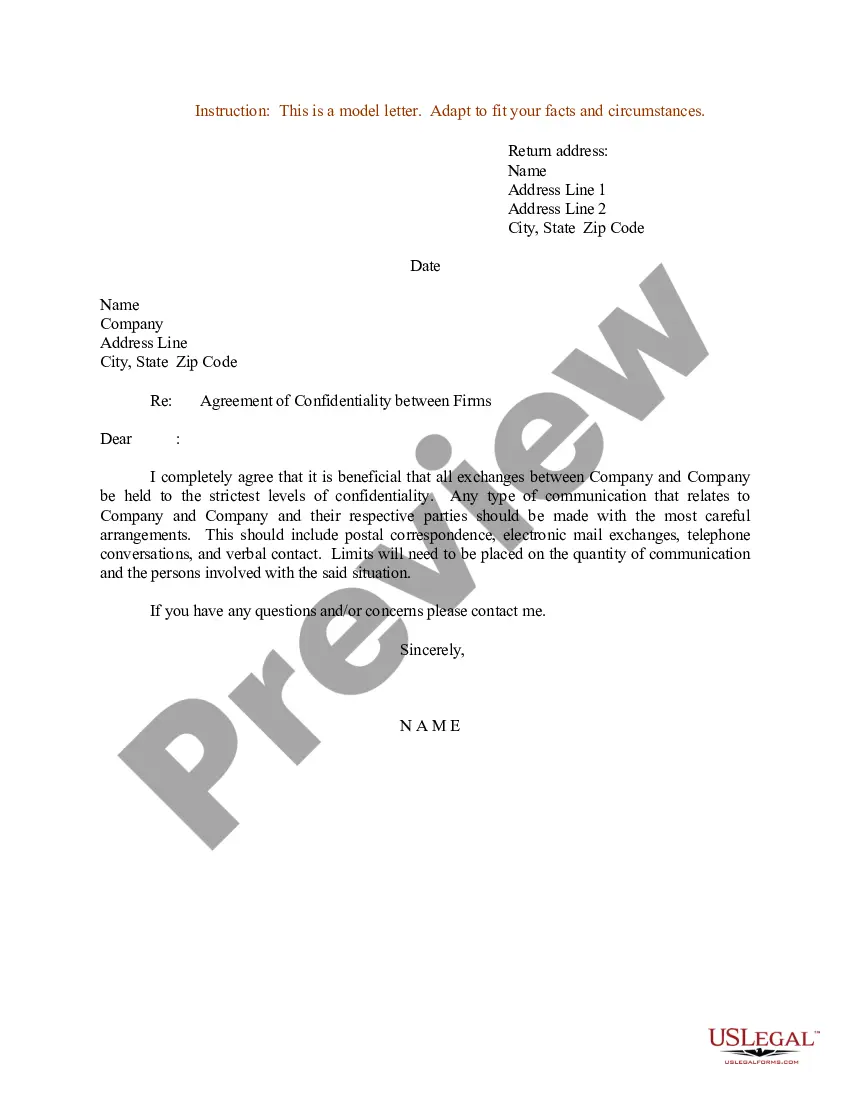

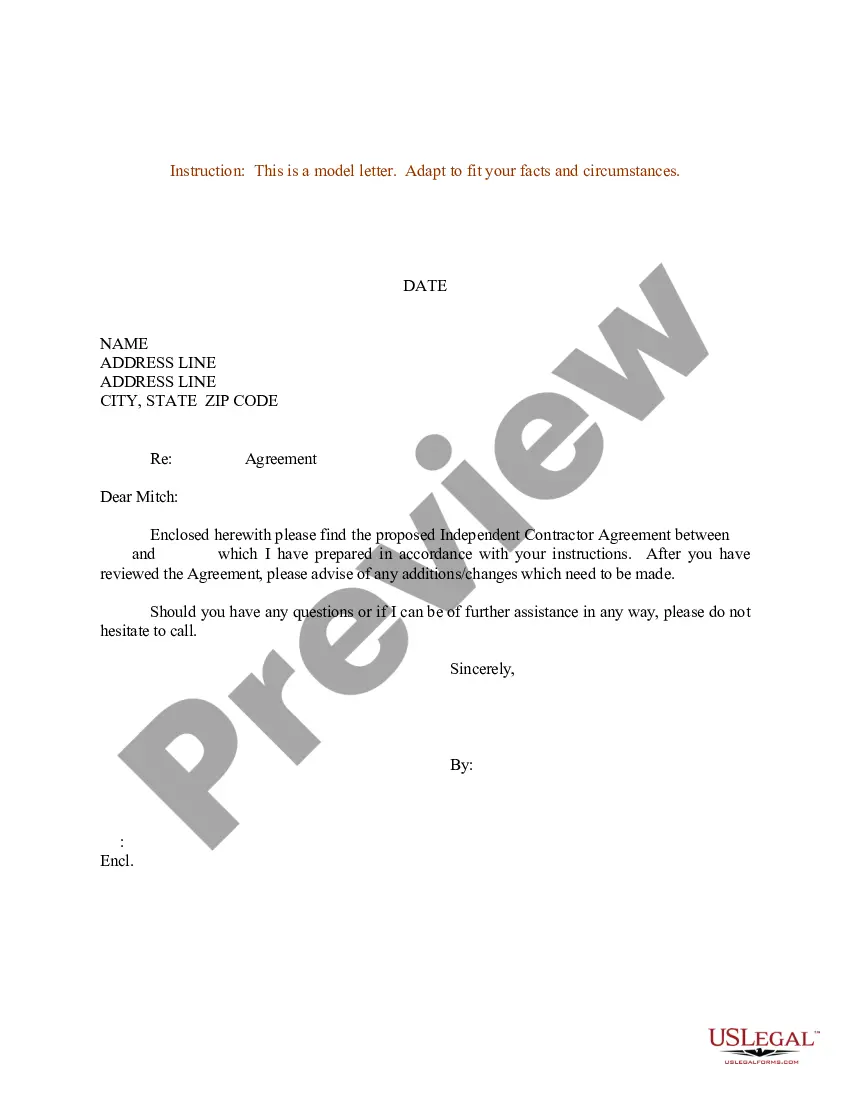
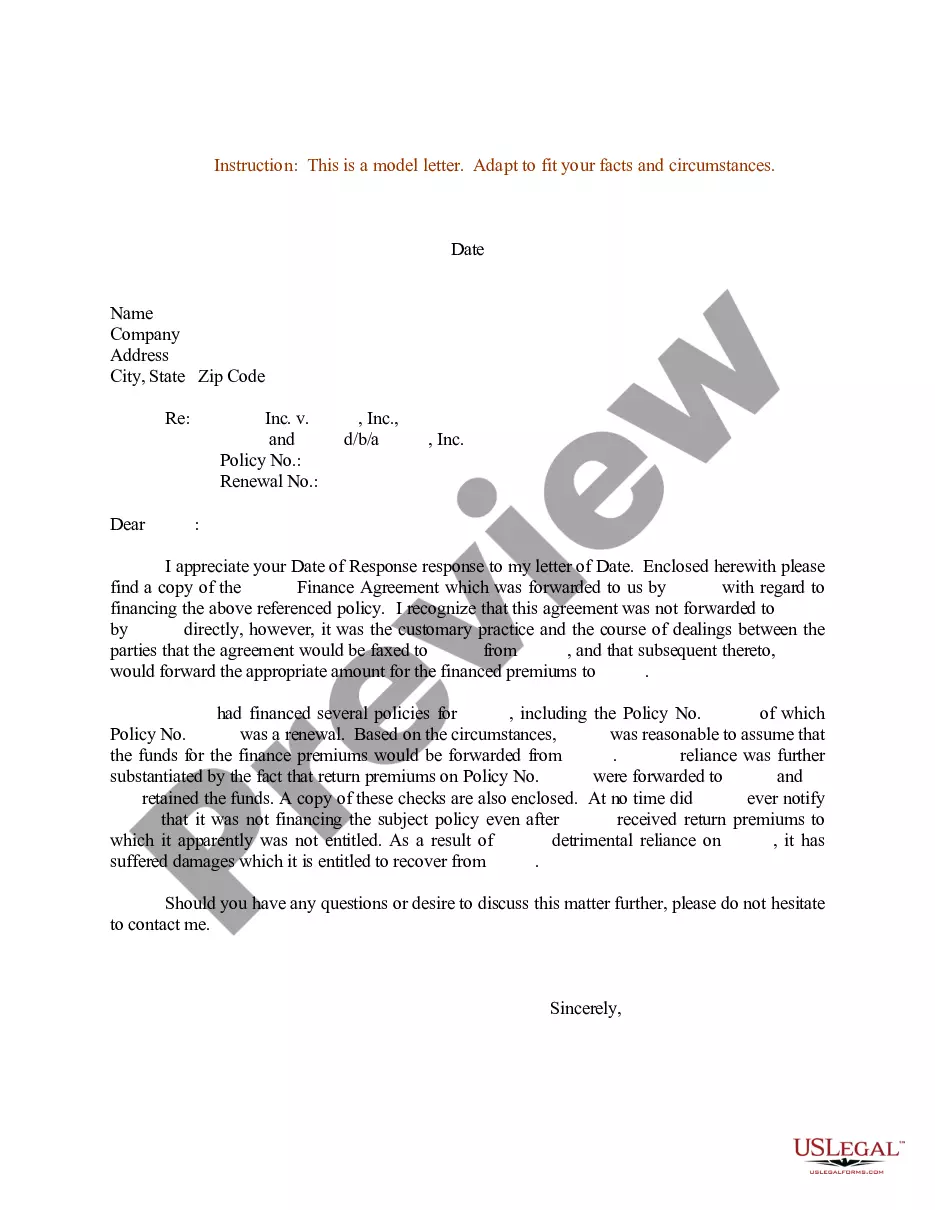
Get your form ready online
Our built-in tools help you complete, sign, share, and store your documents in one place.
Make edits, fill in missing information, and update formatting in US Legal Forms—just like you would in MS Word.
Download a copy, print it, send it by email, or mail it via USPS—whatever works best for your next step.
Sign and collect signatures with our SignNow integration. Send to multiple recipients, set reminders, and more. Go Premium to unlock E-Sign.
If this form requires notarization, complete it online through a secure video call—no need to meet a notary in person or wait for an appointment.
We protect your documents and personal data by following strict security and privacy standards.

Make edits, fill in missing information, and update formatting in US Legal Forms—just like you would in MS Word.

Download a copy, print it, send it by email, or mail it via USPS—whatever works best for your next step.

Sign and collect signatures with our SignNow integration. Send to multiple recipients, set reminders, and more. Go Premium to unlock E-Sign.

If this form requires notarization, complete it online through a secure video call—no need to meet a notary in person or wait for an appointment.

We protect your documents and personal data by following strict security and privacy standards.
Looking for another form?
Form popularity
FAQ
How to use this notification letter of confidentiality breach Open with an introduction: Address the recipient respectfully and state the purpose of the letter. Provide details of the breach: Clearly describe the nature of the breach, including what information was affected and how the incident occurred, if known.
The Act prohibits agreements containing non-disclosure and non-disparagement provisions that restrict applicants, employees, and independent contractors from openly discussing conduct or a legal settlement involving conduct that the applicant, employee, or contractor “reasonably believed” was illegal discrimination, ...
A disclaimer should be clear, concise, and polite. For example, you may write: "This letter and its enclosures are confidential and intended for the exclusive use of the addressee. If you are not the intended recipient, please notify the sender immediately and destroy this letter and its enclosures.
A covered entity is permitted, but not required, to use and disclose protected health information, without an individual's authorization, for the following purposes or situations: (1) To the Individual (unless required for access or accounting of disclosures); (2) Treatment, Payment, and Health Care Operations; (3) ...
A confidentiality agreement should include the names and addresses of the parties to the contract. Consider also including: Reason for the agreement: Explain why you're sharing this information. The information disclosed: Be specific about the subject matter and what exactly is included in the agreement.
In the workplace, a breach of confidence can take place when a worker, either intentionally or unintentionally, discloses or uses information that could damage the employer's business, clients, or employees. If a worker breaches confidentiality, legal action may be taken against them by their employer.
Examples of confidential information include a person's phone number and address, medical records, and social security. Companies also have confidential information such as financial records, trade secrets, customer information, and marketing strategies.
A confidentiality agreement should include a clear definition of the confidential information, scope of the agreement, obligations of the receiving party, the duration of the contract, any exceptions to confidentiality, and the consequences of a breach of the contract.
Clear identification of confidential information An effective confidential email disclaimer should clearly identify the type of information that is considered confidential. This helps recipients understand what they should keep private and protects your organization from unintentional disclosures.
A disclaimer should be clear, concise, and polite. For example, you may write: "This letter and its enclosures are confidential and intended for the exclusive use of the addressee. If you are not the intended recipient, please notify the sender immediately and destroy this letter and its enclosures.