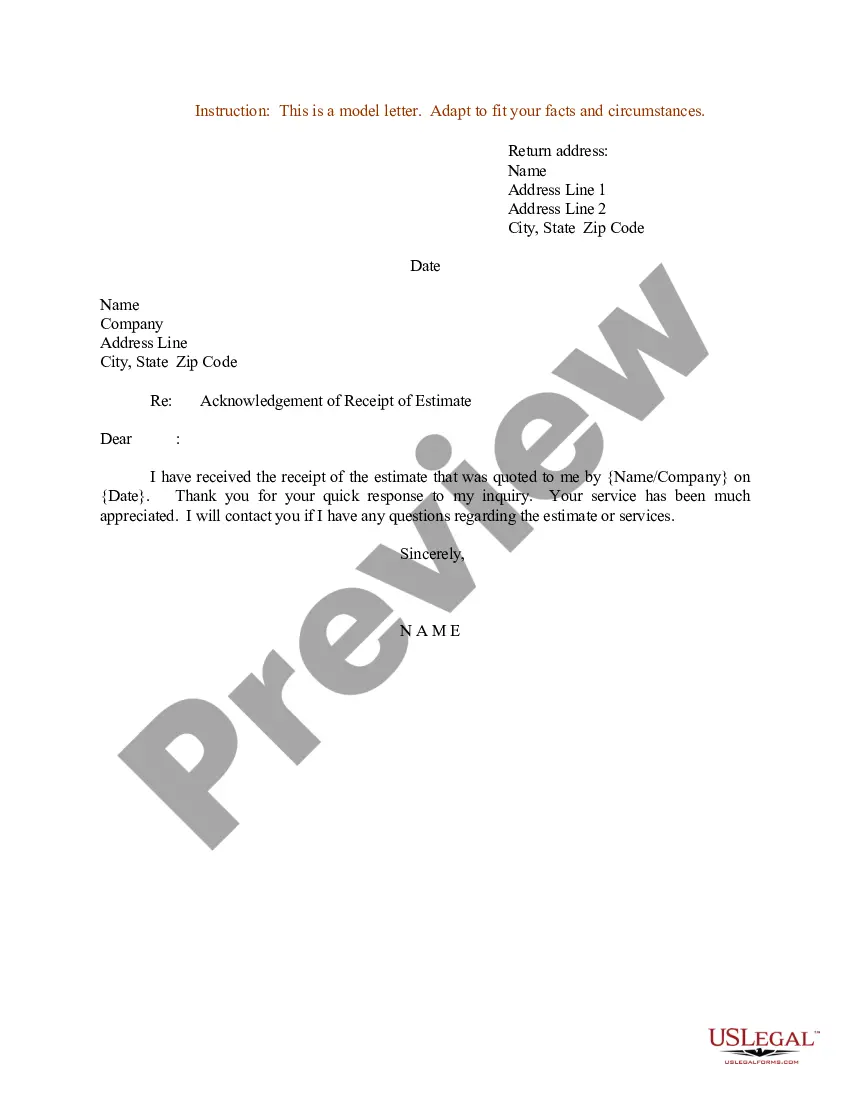
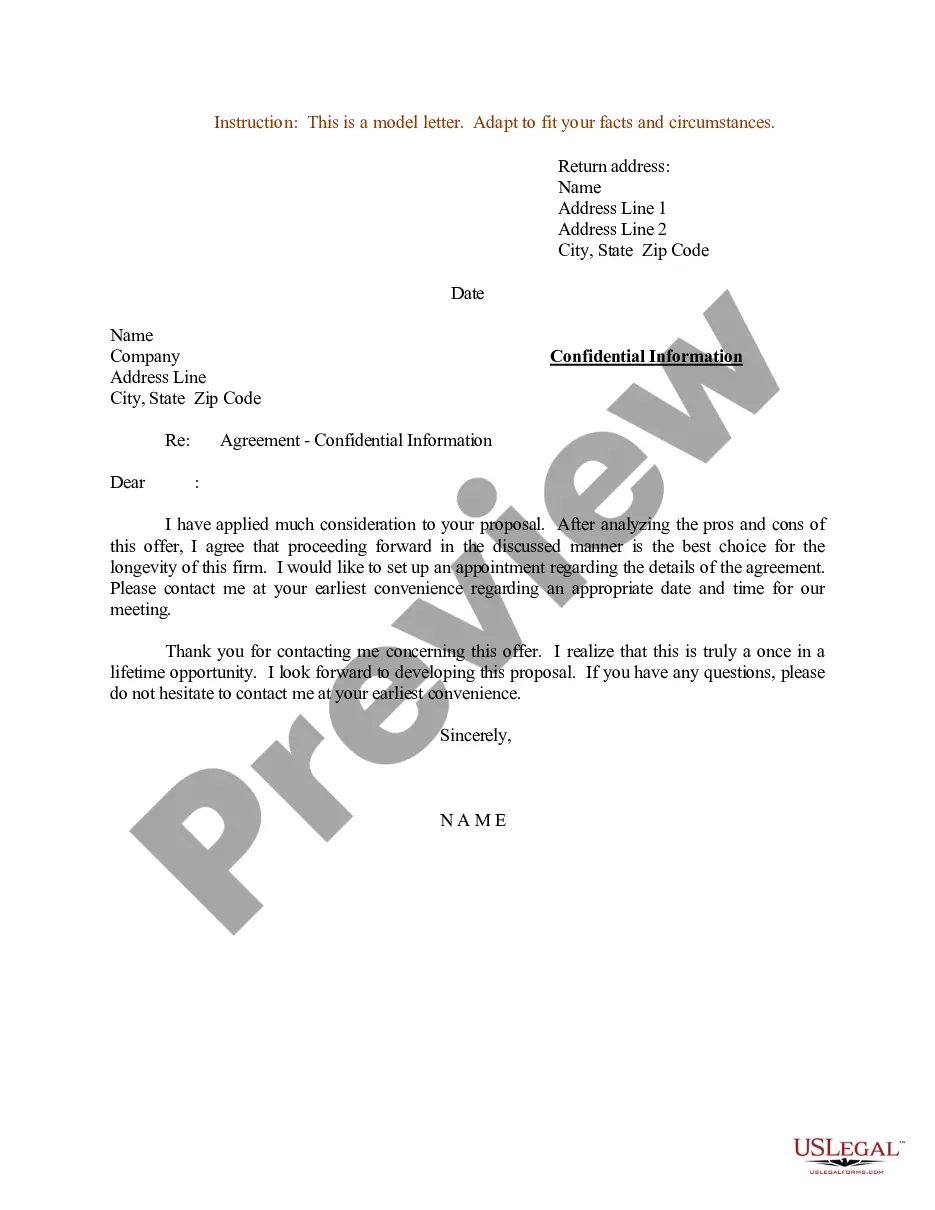
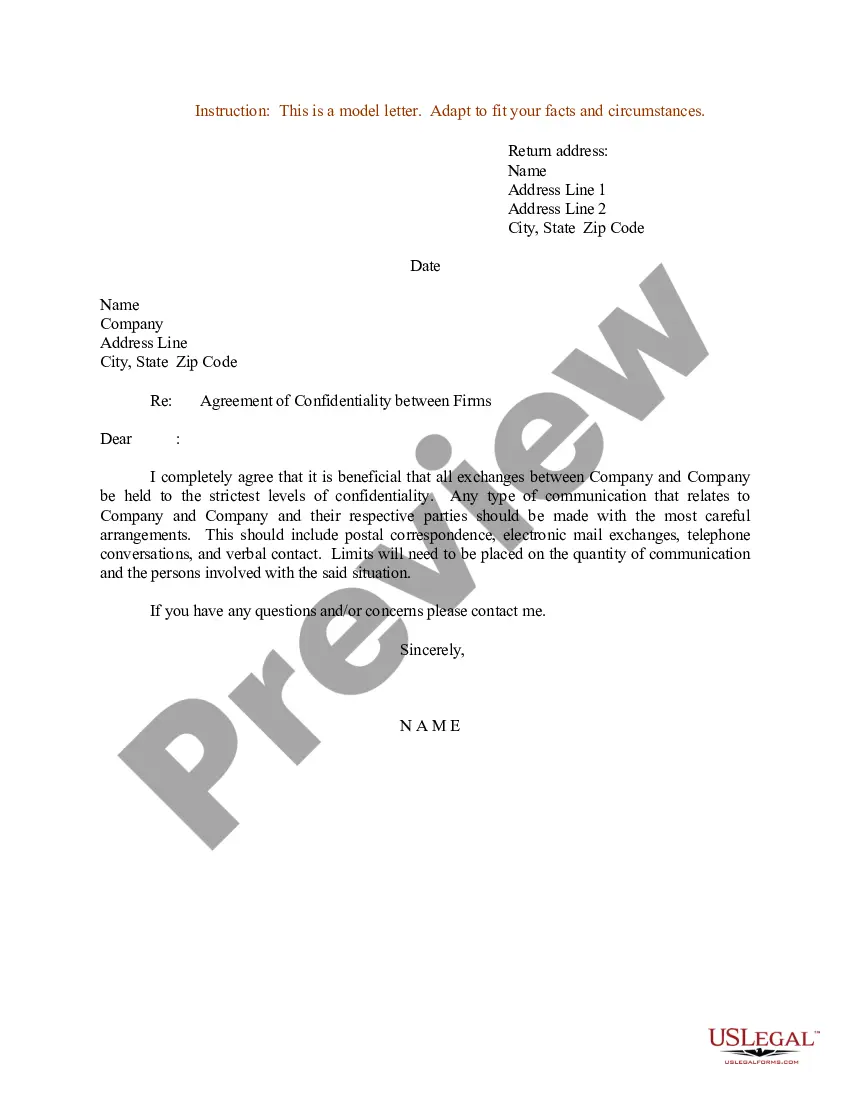
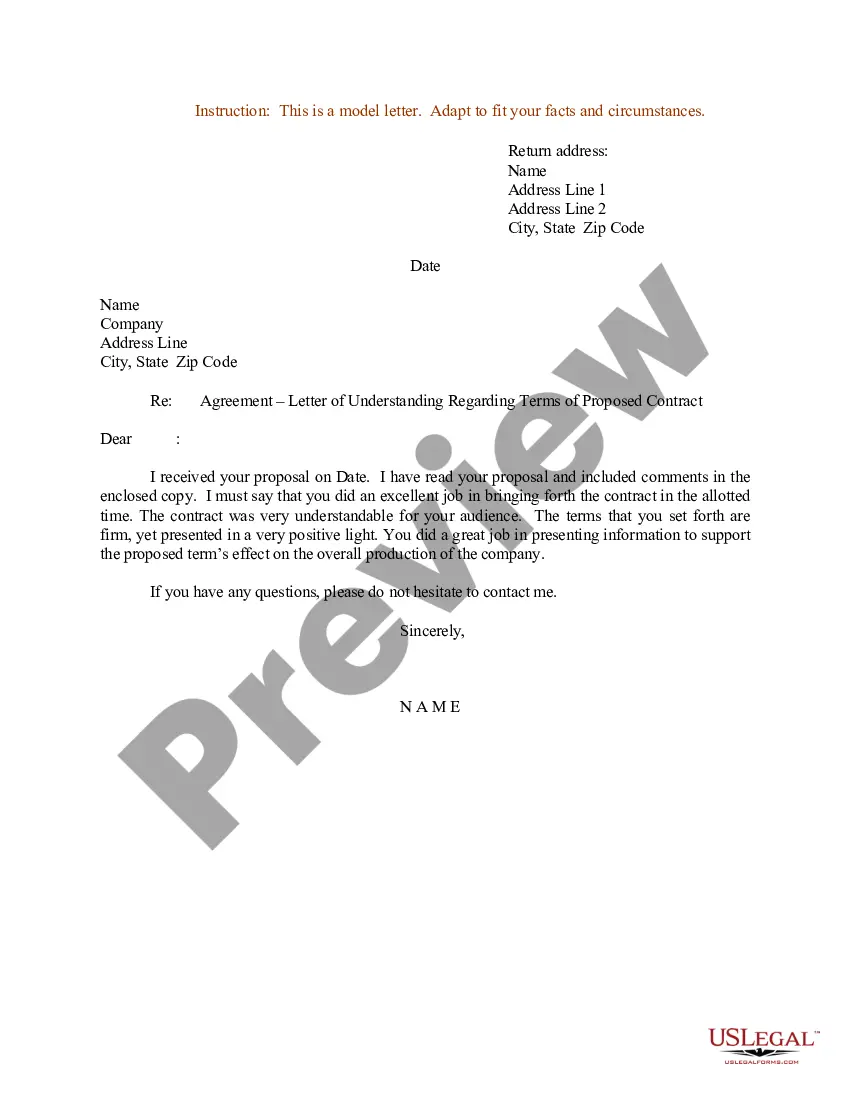
Private And Confidential Letter Sample For A Friend In San Jose
Description

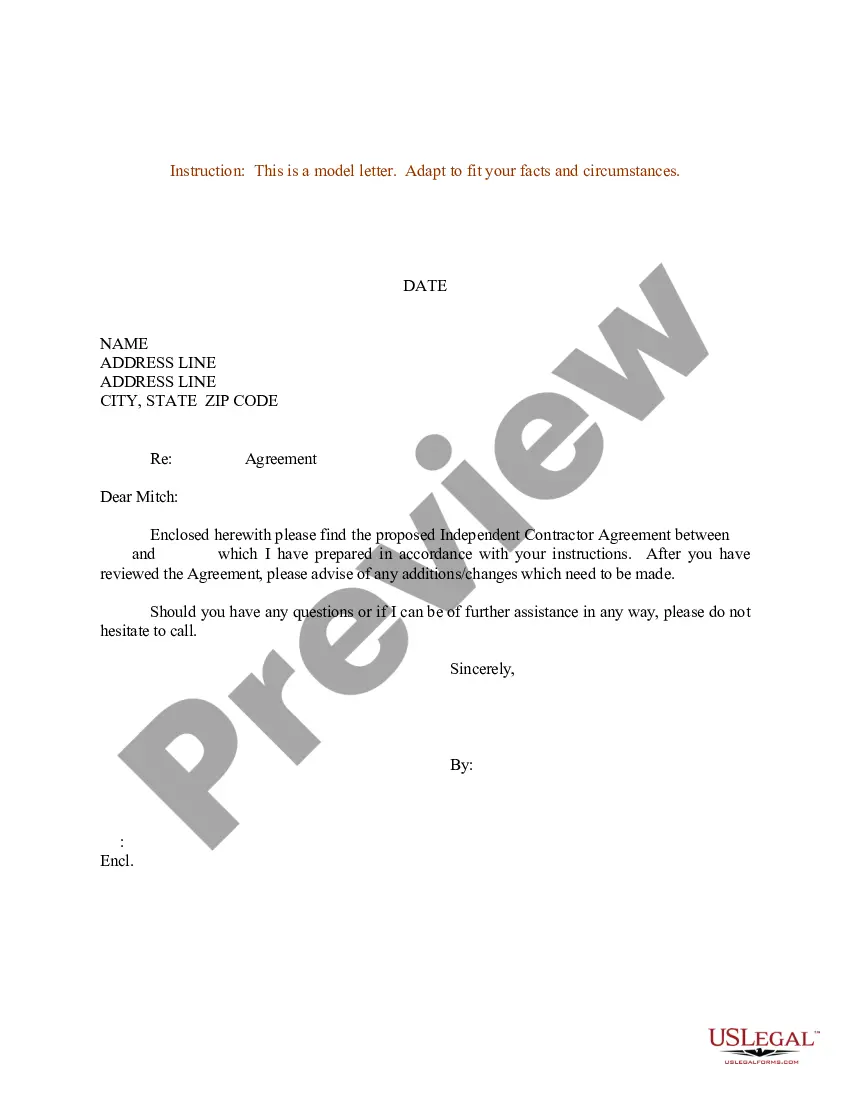
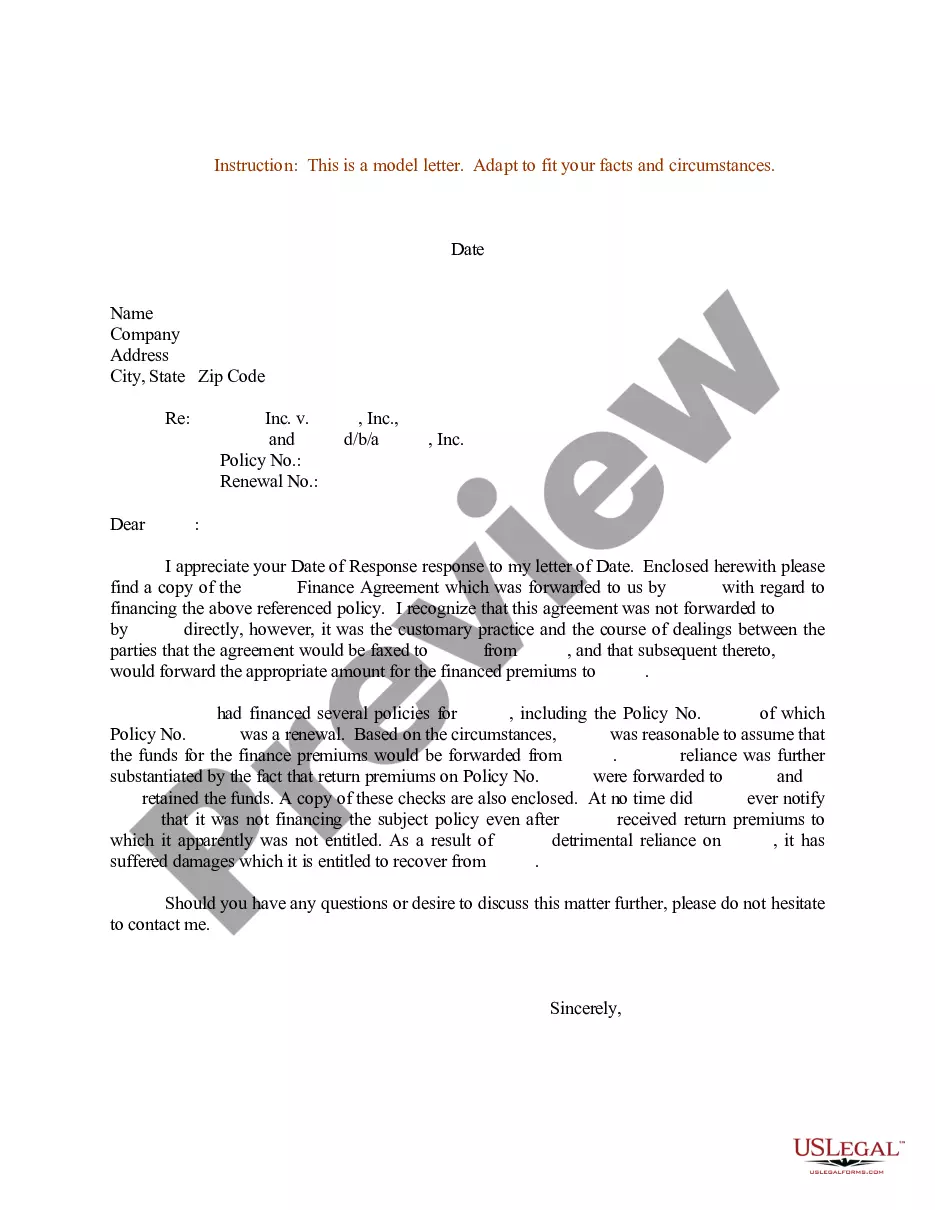
Get your form ready online
Our built-in tools help you complete, sign, share, and store your documents in one place.
Make edits, fill in missing information, and update formatting in US Legal Forms—just like you would in MS Word.
Download a copy, print it, send it by email, or mail it via USPS—whatever works best for your next step.
Sign and collect signatures with our SignNow integration. Send to multiple recipients, set reminders, and more. Go Premium to unlock E-Sign.
If this form requires notarization, complete it online through a secure video call—no need to meet a notary in person or wait for an appointment.
We protect your documents and personal data by following strict security and privacy standards.

Make edits, fill in missing information, and update formatting in US Legal Forms—just like you would in MS Word.

Download a copy, print it, send it by email, or mail it via USPS—whatever works best for your next step.

Sign and collect signatures with our SignNow integration. Send to multiple recipients, set reminders, and more. Go Premium to unlock E-Sign.

If this form requires notarization, complete it online through a secure video call—no need to meet a notary in person or wait for an appointment.

We protect your documents and personal data by following strict security and privacy standards.
Looking for another form?
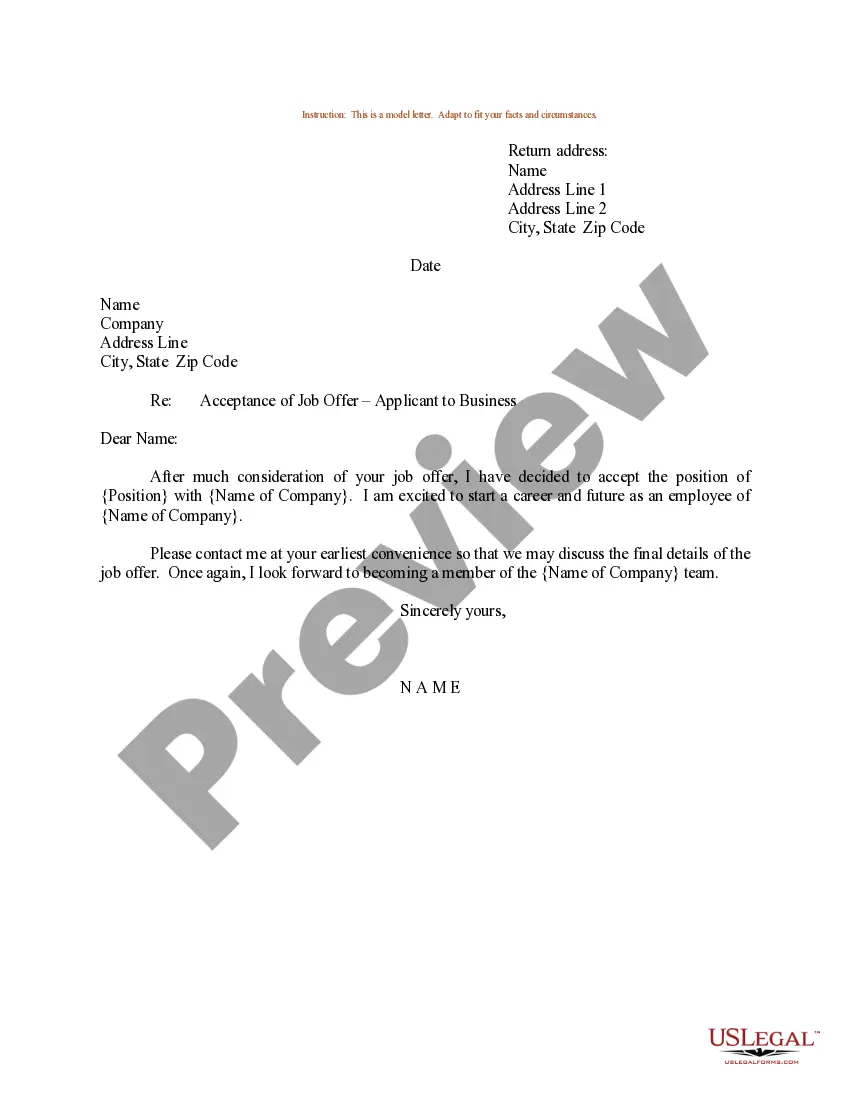







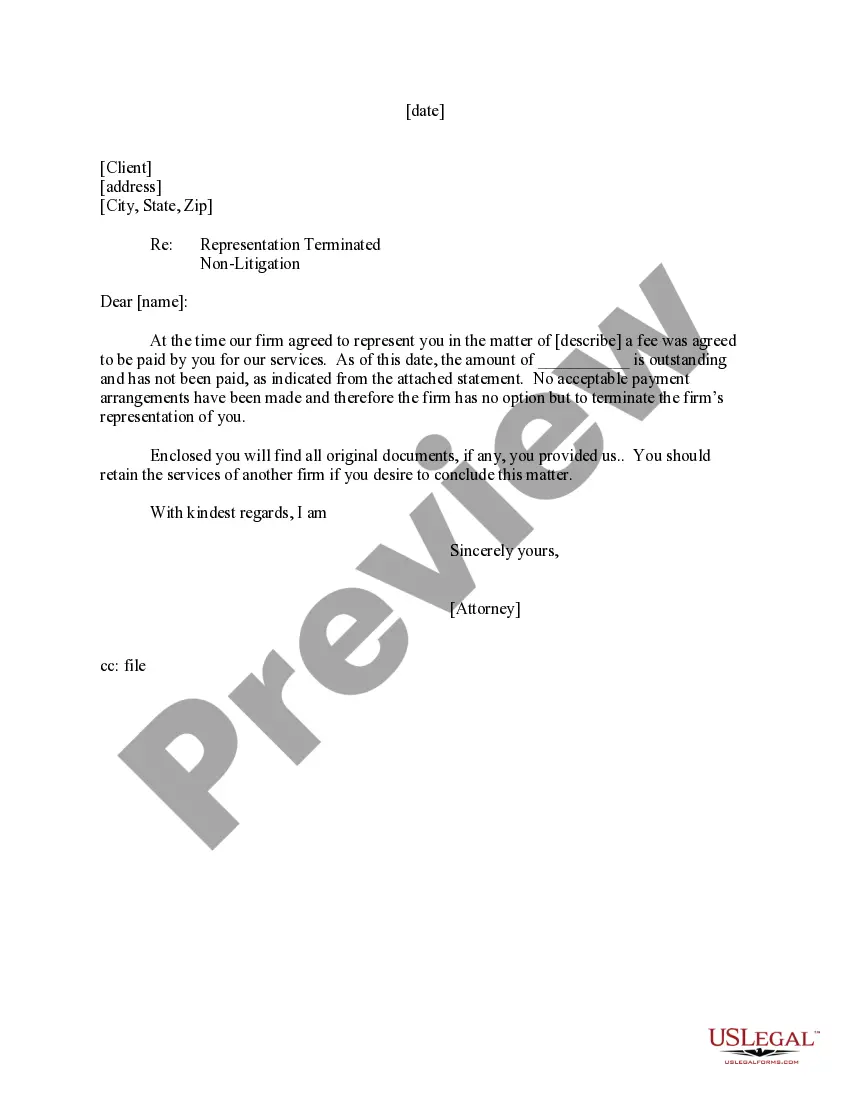
Form popularity
FAQ
A disclaimer should be clear, concise, and polite. For example, you may write: "This letter and its enclosures are confidential and intended for the exclusive use of the addressee. If you are not the intended recipient, please notify the sender immediately and destroy this letter and its enclosures.
There are, broadly speaking, five main types of confidential information. Employee Information. In the course of the job, you will hear information about individuals within your organisation. Managerial Information. Organisational Information. Customer or Contact Information. Professional Information.
If you get a letter stamped confidential, that means you're not supposed to tell anyone else what it says. It's private and you're not supposed to blab about it.
The following information is confidential: Social Security number. Name. Personal financial information. Family information. Medical information. Credit card numbers, bank account numbers, amount / what donated. Telephone / fax numbers, e-mail, URLs.
Three main categories of confidential information exist: business, employee and management information. It is important to keep confidential information confidential as noted in the subcategories below. Customer lists: Should someone get a hold of your customer list, they could steal customers from you.
Here's a list of 3 types of confidential documentation that you should take good care of. Contracts and Commercial Documents. Some of the most important confidential documents include contracts and other business documents. Confidential Employee Information. Office Plans and Internal Documentation.
A disclaimer should be clear, concise, and polite. For example, you may write: "This letter and its enclosures are confidential and intended for the exclusive use of the addressee. If you are not the intended recipient, please notify the sender immediately and destroy this letter and its enclosures.
Short answer: No, it's not. Read on for the much longer answer… The value of the words 'Private and Confidential' in a legal sense depends on the context in which they are used.
One way to indicate confidentiality and sensitivity is to use labels on the letter and the envelope, such as "Confidential", "Personal", "Private", or "Sensitive". These labels should be placed on the top or bottom of the letter, and on the front or back of the envelope.
1) Any confidential information provided by the disclosing party to the receiving party in written form must be clearly marked as "confidential" when first communicated. This is required to designate the written material as containing sensitive information subject to the confidentiality obligations under the agreement.