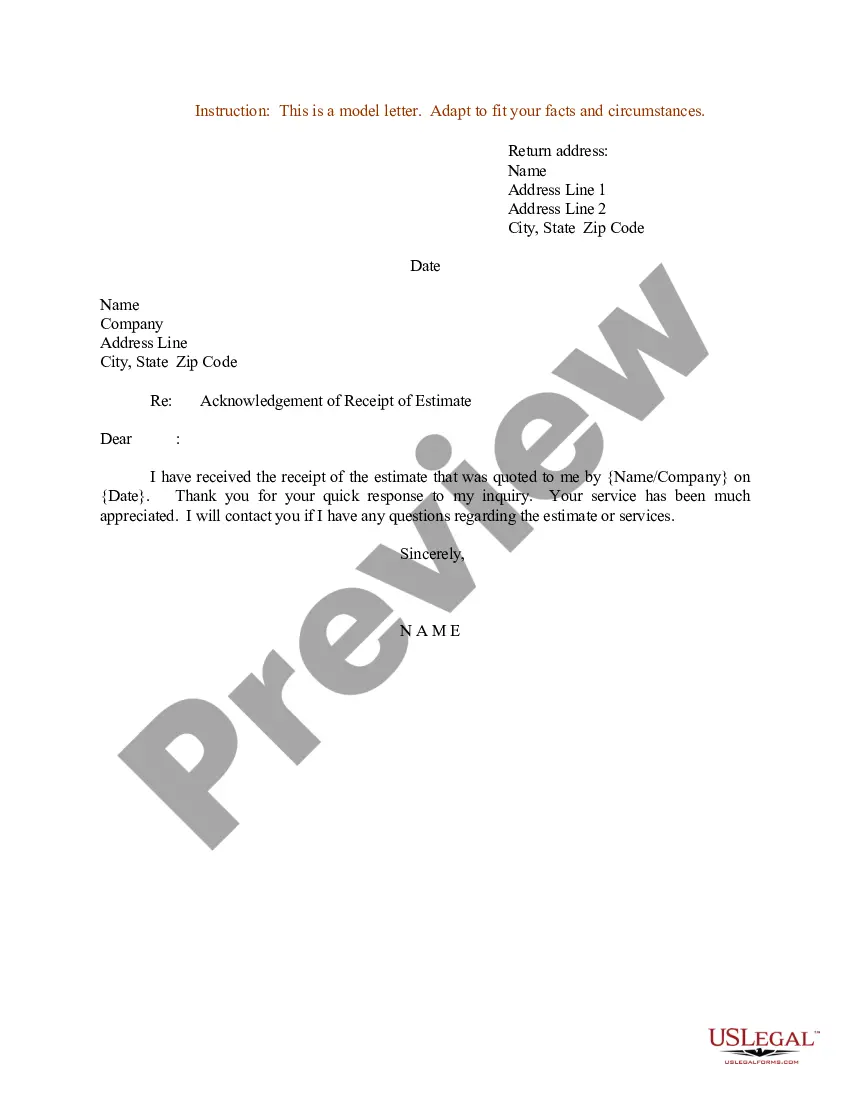
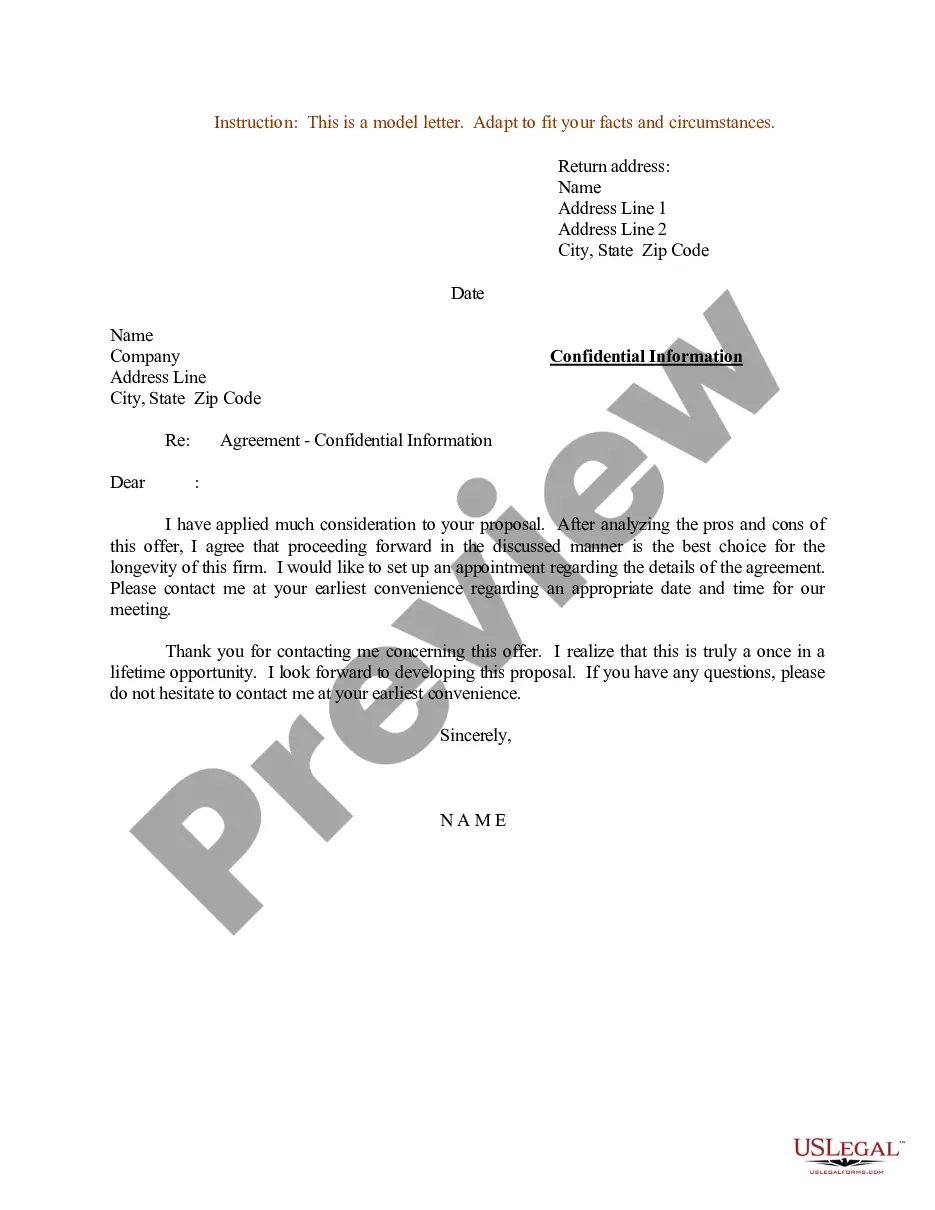
Private And Confidential Letter Sample For Resume In Pennsylvania
Description


Get your form ready online
Our built-in tools help you complete, sign, share, and store your documents in one place.
Make edits, fill in missing information, and update formatting in US Legal Forms—just like you would in MS Word.
Download a copy, print it, send it by email, or mail it via USPS—whatever works best for your next step.
Sign and collect signatures with our SignNow integration. Send to multiple recipients, set reminders, and more. Go Premium to unlock E-Sign.
If this form requires notarization, complete it online through a secure video call—no need to meet a notary in person or wait for an appointment.
We protect your documents and personal data by following strict security and privacy standards.

Make edits, fill in missing information, and update formatting in US Legal Forms—just like you would in MS Word.

Download a copy, print it, send it by email, or mail it via USPS—whatever works best for your next step.

Sign and collect signatures with our SignNow integration. Send to multiple recipients, set reminders, and more. Go Premium to unlock E-Sign.

If this form requires notarization, complete it online through a secure video call—no need to meet a notary in person or wait for an appointment.

We protect your documents and personal data by following strict security and privacy standards.
Looking for another form?









Form popularity
FAQ
How to write a personal assistant cover letter Read the job posting. Research the company. Include your contact information. Write a salutation and a concise introduction. Discuss your most relevant experience. Demonstrate your research. Write a memorable conclusion. Sign the letter and proofread it.
If you don't know the recipient's name, begin your cover letter with a generic salutation such as ``Dear Hiring Manager'' or ``To Whom It May Concern.'' While it's ideal to address the letter to a specific individual, using a generic greeting is acceptable when the recipient's name is unknown.
A disclaimer should be clear, concise, and polite. For example, you may write: "This letter and its enclosures are confidential and intended for the exclusive use of the addressee. If you are not the intended recipient, please notify the sender immediately and destroy this letter and its enclosures.
How to write a cover letter for a confidential job posting Create a professional letter header. You can start your letter by creating a professional header. Use a formal salutation. Write an opening paragraph. Add body paragraphs. Add a conclusion and closing. Research the company.
A confidential resume is an acceptable way in which to maintain your privacy while showcasing your value to potential employers. For the most part, employers understand this need for privacy, particularly in cases where candidates wish to keep their job search discreet while they are currently employed.
In summary, avoid stating ``company confidential'' on your resume and instead highlight your qualifications in a way that respects confidentiality while still demonstrating your capabilities.
In most simple words, we can define the confidential fax cover sheet as the sheet of paper we attach with the fax document for sharing information, which is completely private and not allows everyone to read or open it.
In this scenario, follow these steps when writing your cover letter: Do your research. Include a traditional header. Use a professional greeting. Recognize the cold call. Write an attention-getting introduction. Explain why you like the company. Describe your strengths. Add a call to action.
Here are our best practices for providing security clearance in a job application: Include your security clearance level and the date you received it. Don't disclose any sensitive or classified details. Mention any relevant training, such as security expertise certificates.
Begin by writing a resume objective, then highlight your educational background, emphasizing any coursework or training related to safety protocols, emergency response, or security procedures. Additionally, include any certifications you have obtained, such as first aid or CPR training.