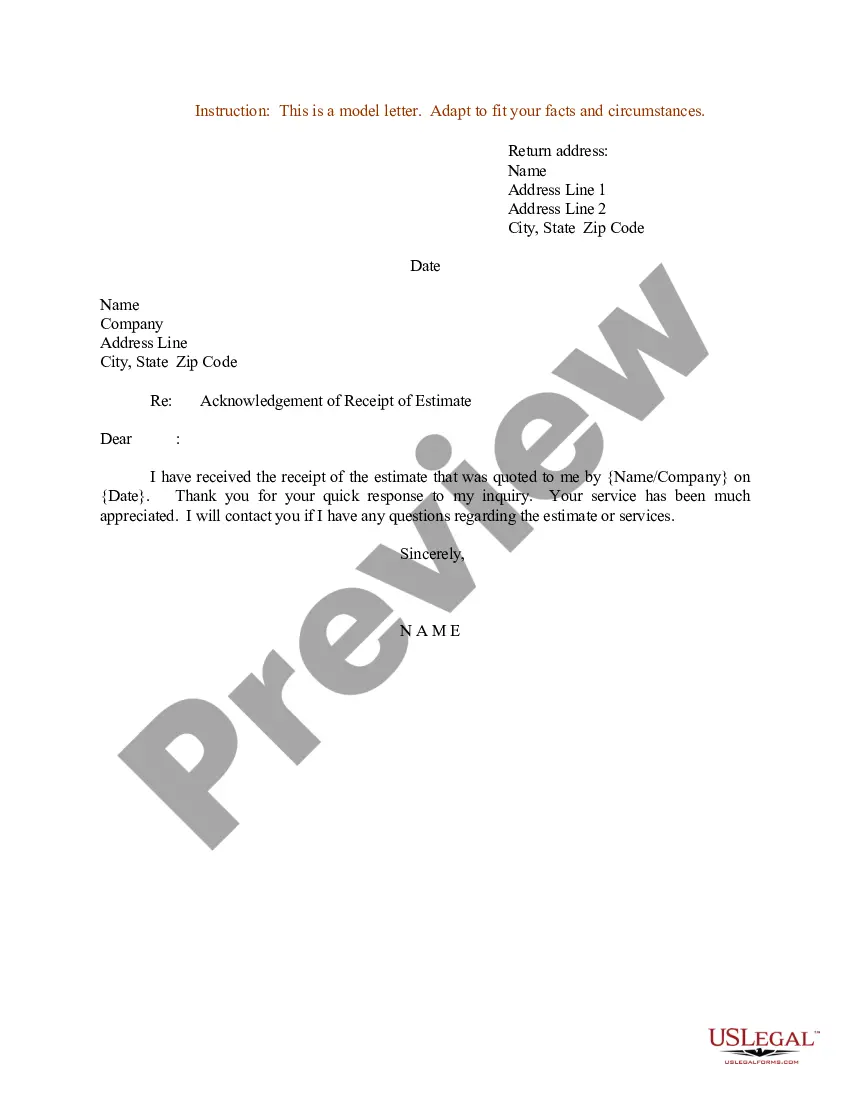
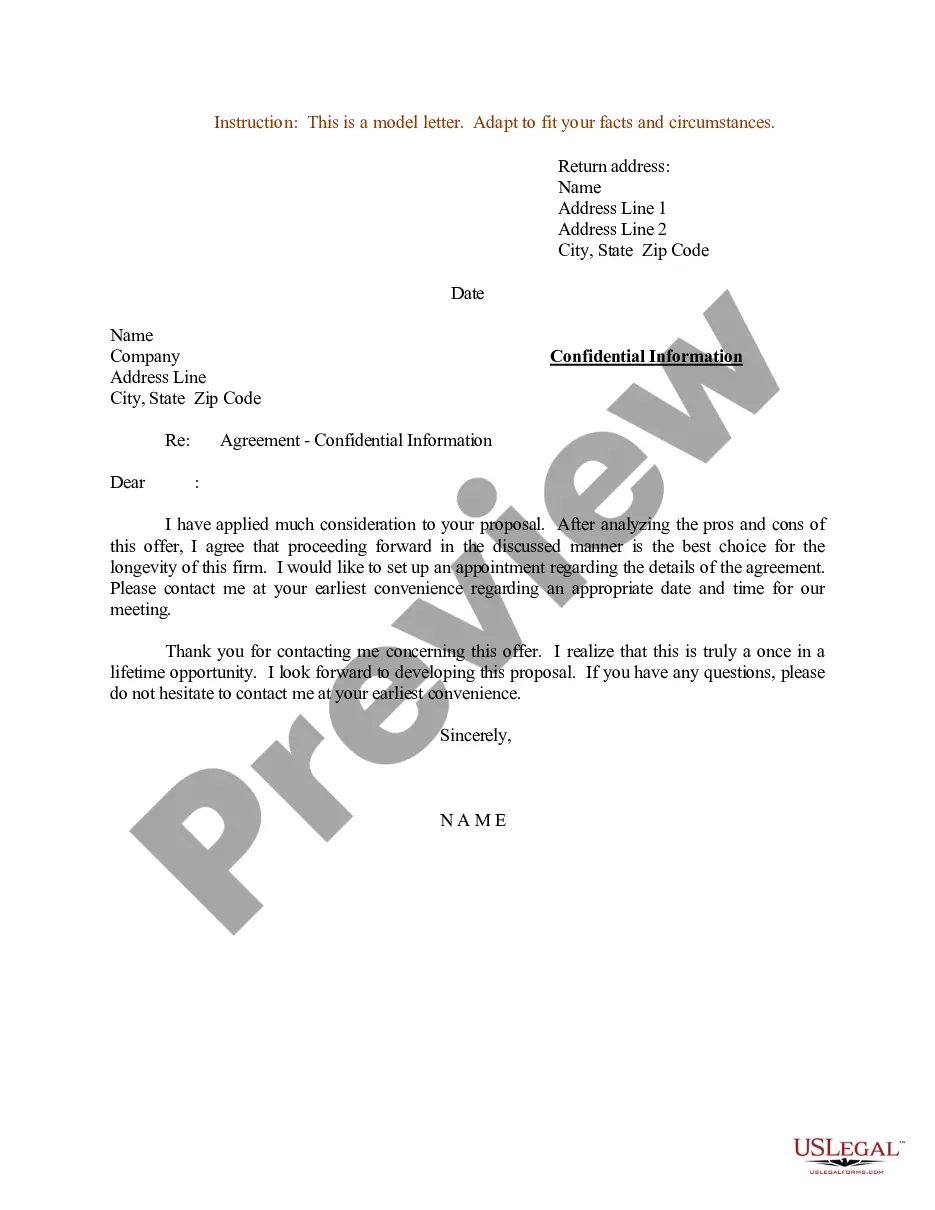
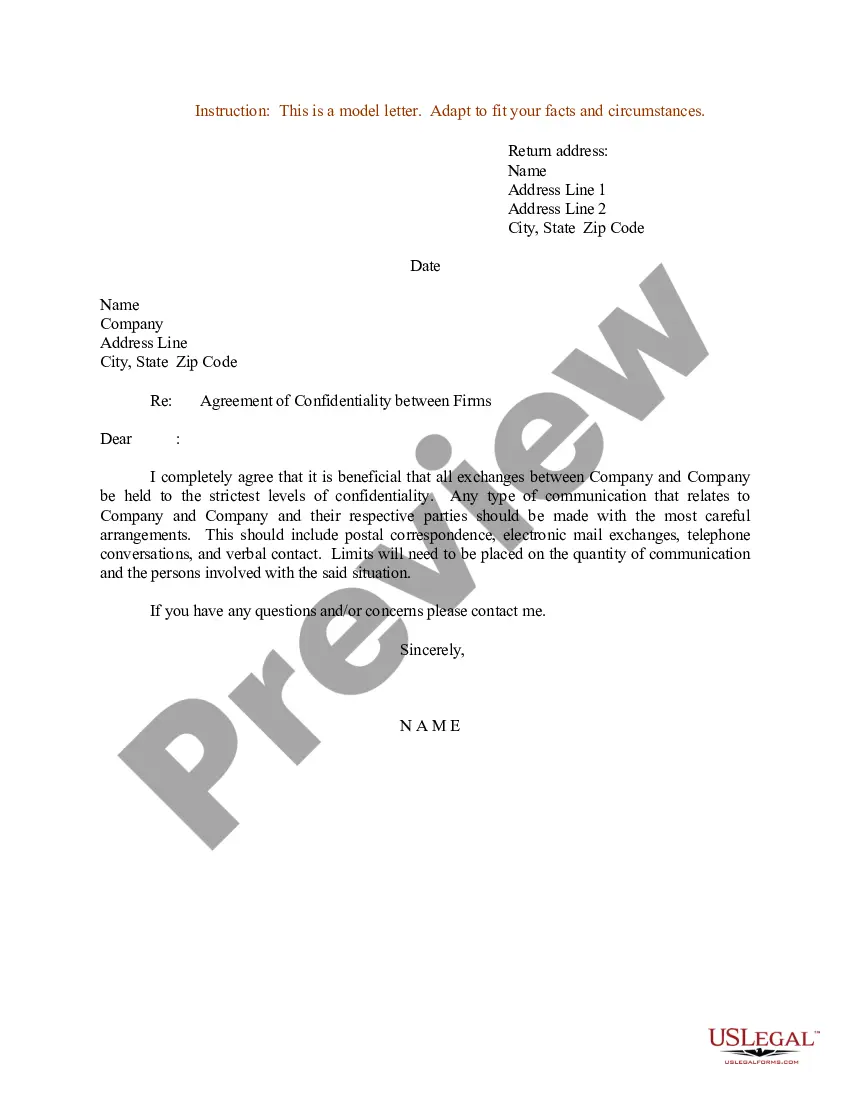
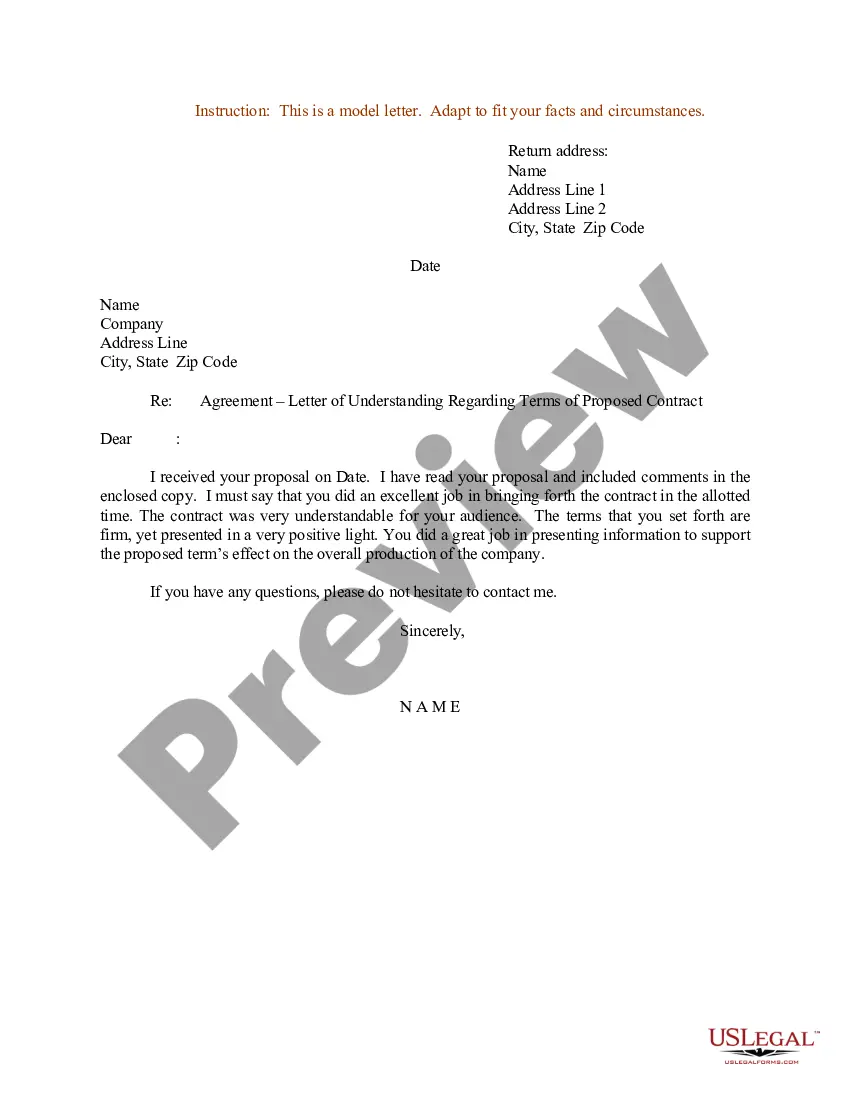
Private And Confidential Letter Sample For Resume In Maryland
Description

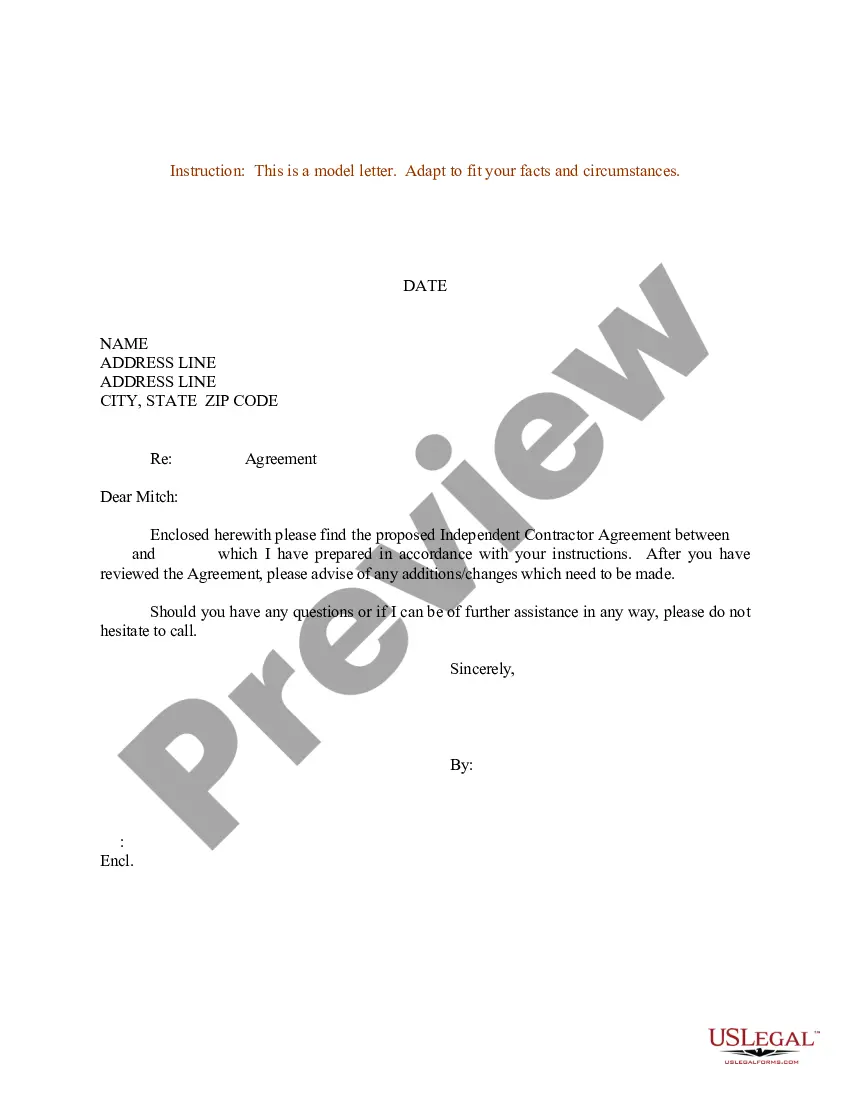
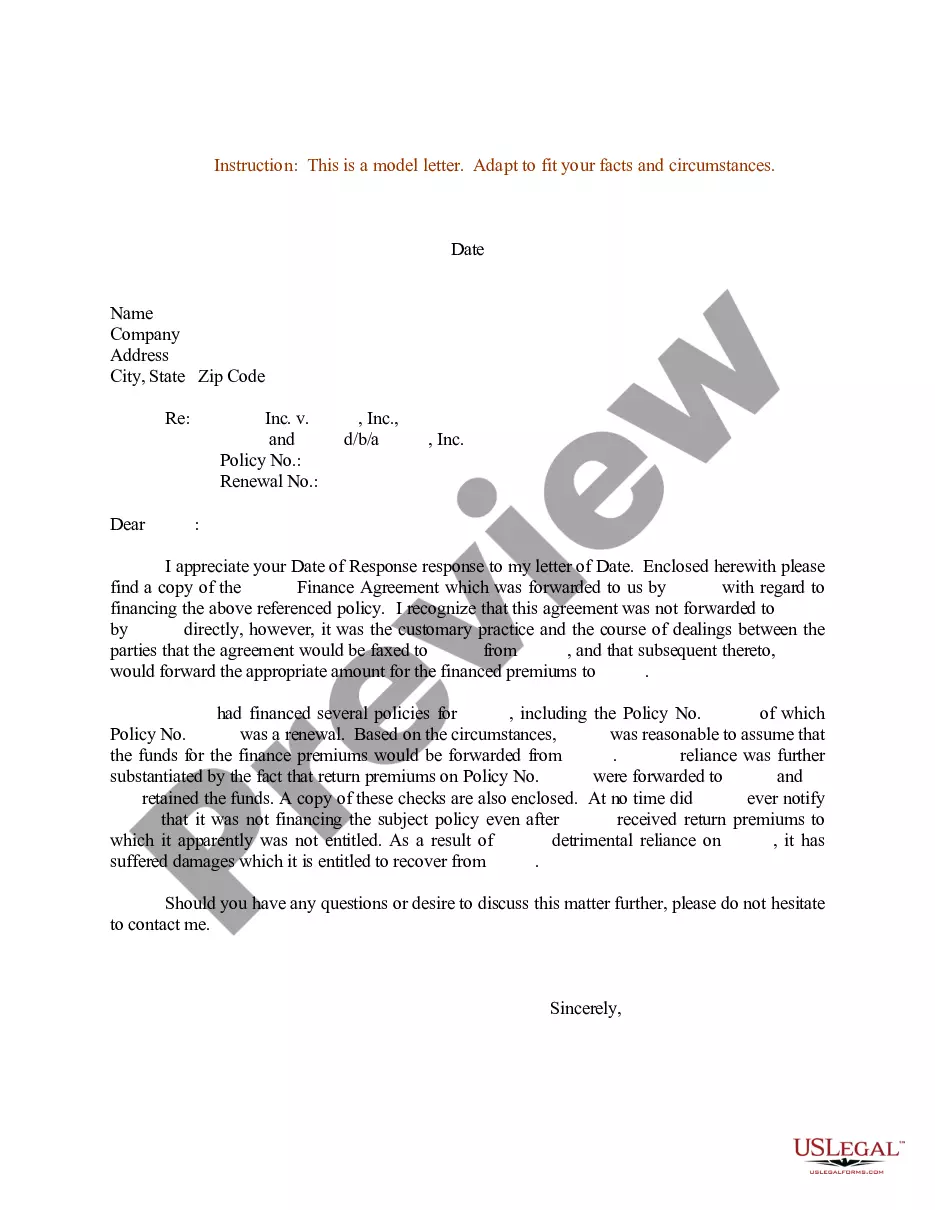
Get your form ready online
Our built-in tools help you complete, sign, share, and store your documents in one place.
Make edits, fill in missing information, and update formatting in US Legal Forms—just like you would in MS Word.
Download a copy, print it, send it by email, or mail it via USPS—whatever works best for your next step.
Sign and collect signatures with our SignNow integration. Send to multiple recipients, set reminders, and more. Go Premium to unlock E-Sign.
If this form requires notarization, complete it online through a secure video call—no need to meet a notary in person or wait for an appointment.
We protect your documents and personal data by following strict security and privacy standards.

Make edits, fill in missing information, and update formatting in US Legal Forms—just like you would in MS Word.

Download a copy, print it, send it by email, or mail it via USPS—whatever works best for your next step.

Sign and collect signatures with our SignNow integration. Send to multiple recipients, set reminders, and more. Go Premium to unlock E-Sign.

If this form requires notarization, complete it online through a secure video call—no need to meet a notary in person or wait for an appointment.

We protect your documents and personal data by following strict security and privacy standards.
Looking for another form?



Form popularity
FAQ
How to write a cover letter for a confidential job posting Create a professional letter header. You can start your letter by creating a professional header. Use a formal salutation. Write an opening paragraph. Add body paragraphs. Add a conclusion and closing. Research the company.
For example, you may write: "This letter and its enclosures are confidential and intended for the exclusive use of the addressee. If you are not the intended recipient, please notify the sender immediately and destroy this letter and its enclosures.
Examples of Using Confidential on a Resume Proven track record of maintaining and protecting confidential data in high-stakes environments. Demonstrated ability to handle sensitive information with discretion and integrity. Professional with experience in confidential stuff.
Prepare the Envelope: Start by addressing your envelope properly with the recipient's name and address near the center. Add the Instructions: Write 'Personal' or 'Confidential' clearly just above or below the recipient's address. This way, it stands out and is immediately visible when the envelope is being handled.
In summary, avoid stating ``company confidential'' on your resume and instead highlight your qualifications in a way that respects confidentiality while still demonstrating your capabilities.
Start With A Salutation You start your personal letter with a salutation. So, your salutation defines how you will approach the conversation. It is the time when you get connected with your recipient. So, if you are writing a formal letter, using a formal tone, such as Dear, respected, is recommended.
The value of the words 'Private and Confidential' in a legal sense depends on the context in which they are used. Often these words are written on correspondence merely to emphasise that the intended recipient must open the letter, rather than someone else.
Confidentiality notices, are common, especially in the legal profession. Here is a common example: CONFIDENTIALITY NOTICE: This message and any accompanying documents contain information belonging to the sender which may be confidential and legally privileged.
How to write a cover letter for a confidential job posting Create a professional letter header. You can start your letter by creating a professional header. Use a formal salutation. Write an opening paragraph. Add body paragraphs. Add a conclusion and closing. Research the company.
These disclaimers generally include statements like: 'the contents of this email are confidential' and 'confidentiality is not waived if you receive it in error'. Much like stamping a document 'confidential' or 'commercial in confidence', these disclaimers do not automatically make the email confidential.