Notary Application For Georgia In Los Angeles
Description

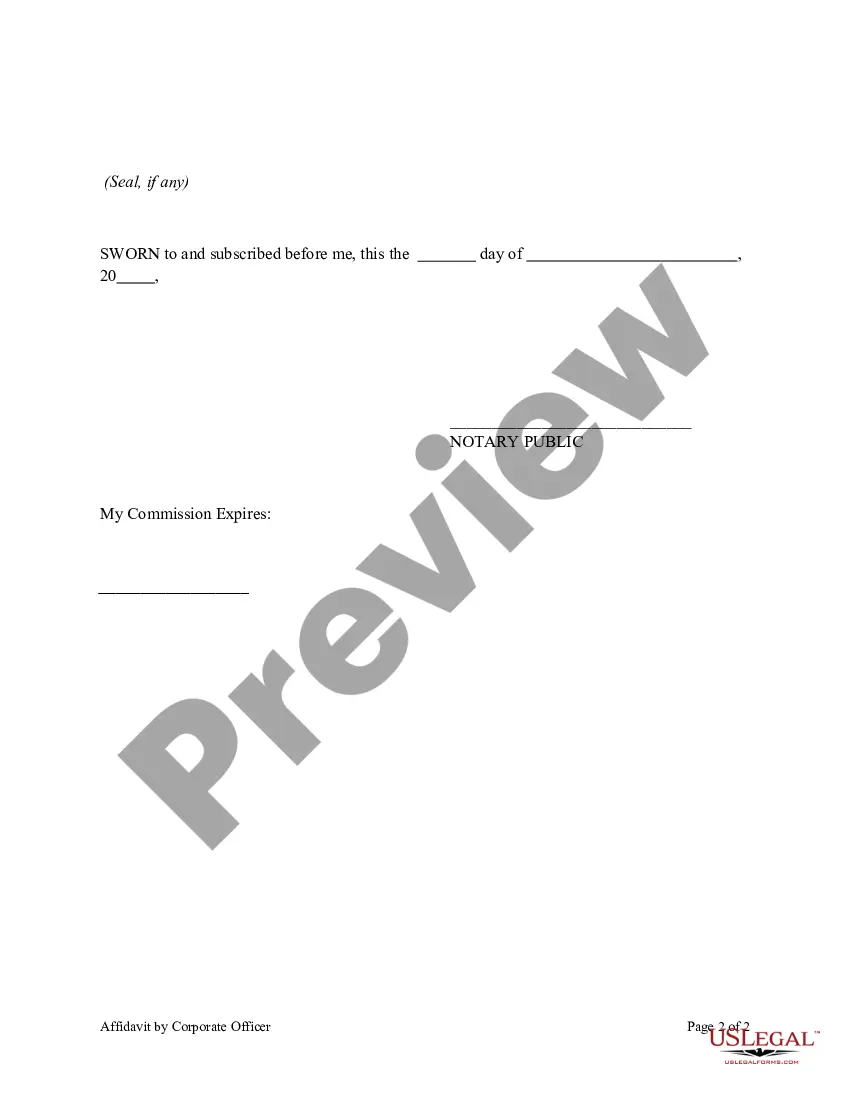
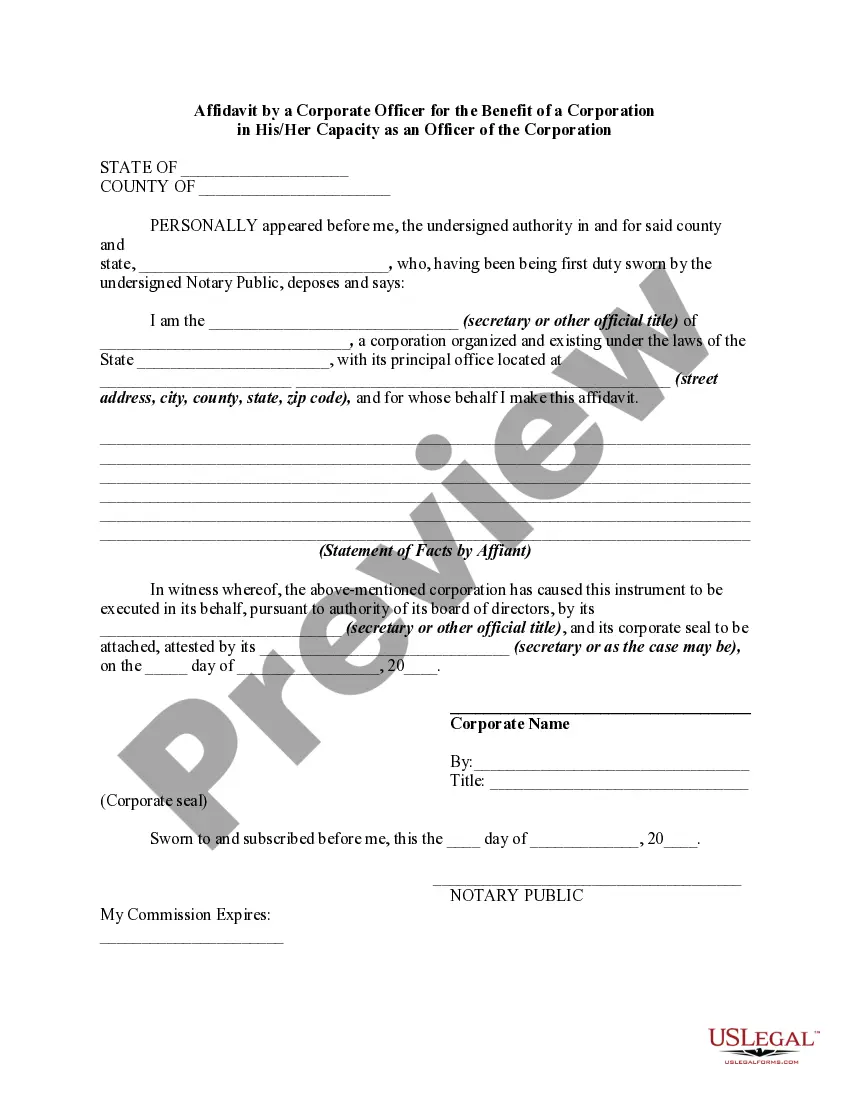
Get your form ready online
Our built-in tools help you complete, sign, share, and store your documents in one place.
Make edits, fill in missing information, and update formatting in US Legal Forms—just like you would in MS Word.
Download a copy, print it, send it by email, or mail it via USPS—whatever works best for your next step.
Sign and collect signatures with our SignNow integration. Send to multiple recipients, set reminders, and more. Go Premium to unlock E-Sign.
If this form requires notarization, complete it online through a secure video call—no need to meet a notary in person or wait for an appointment.
We protect your documents and personal data by following strict security and privacy standards.

Make edits, fill in missing information, and update formatting in US Legal Forms—just like you would in MS Word.

Download a copy, print it, send it by email, or mail it via USPS—whatever works best for your next step.

Sign and collect signatures with our SignNow integration. Send to multiple recipients, set reminders, and more. Go Premium to unlock E-Sign.

If this form requires notarization, complete it online through a secure video call—no need to meet a notary in person or wait for an appointment.

We protect your documents and personal data by following strict security and privacy standards.
Looking for another form?










Form popularity
FAQ
Georgia does not currently allow remote online notarization or eSignatures on notarized documents. To notarize a document in Georgia, you will need to schedule a time and place to meet with a commissioned walk-in or mobile notary.
In order to complete an online notarization in Georgia, you'll need the following: An original, unsigned document (Don't sign it before uploading! ... A computer, iPhone, or Android phone with audio and video capabilities. A valid government–issued photo ID. A U.S. social security number for secure identity verification.
A notary public must file an oath of office and bond with the county clerk's office in the county where their principal place of business is located. This must be done within 30 calendar days from the commencement date of the commission. This 30 day period cannot be extended.
The short answer is yes, notary publics are legally allowed to notarize documents from any state as long the notarial act is conducted within the geographical boundaries of the notary's state of commission.
Generally, crimes involving dishonesty, fraud, or moral turpitude would disqualify someone from being a notary public. All states bar those with felonies from becoming a notary public.
Key elements of notarized documents include the notary's signature and seal, acknowledgment section, jurisdiction information, date and venue, and the signer's identification. These elements confirm the document's authenticity and secure its use in legal proceedings, providing trust and protecting against fraud.
While the language varies depending on the type of notarization and the law of the state in which you are commissioned, the main body of a certificate will require you to note the date of the notarization, the name of the signer appearing before you, and your official name as the Notary.
The answer generally is “no” — Notary commissions are not transferable between states. If you are relocating to another state, you need to resign your current commission and apply for a Notary commission in your new state.
A notarized letter or document is certified by a notary public, a licensed public officer who serves as an impartial witness to the signing of documents and establishes the authenticity of the signatures. A notary's signature and seal are required to authenticate the signature on your letter or legal document.
One of the most common mistakes that notaries make is not printing or signing their name exactly as it appears on their notary commission.
