Notary Public Certification In Ohio In Florida
Description

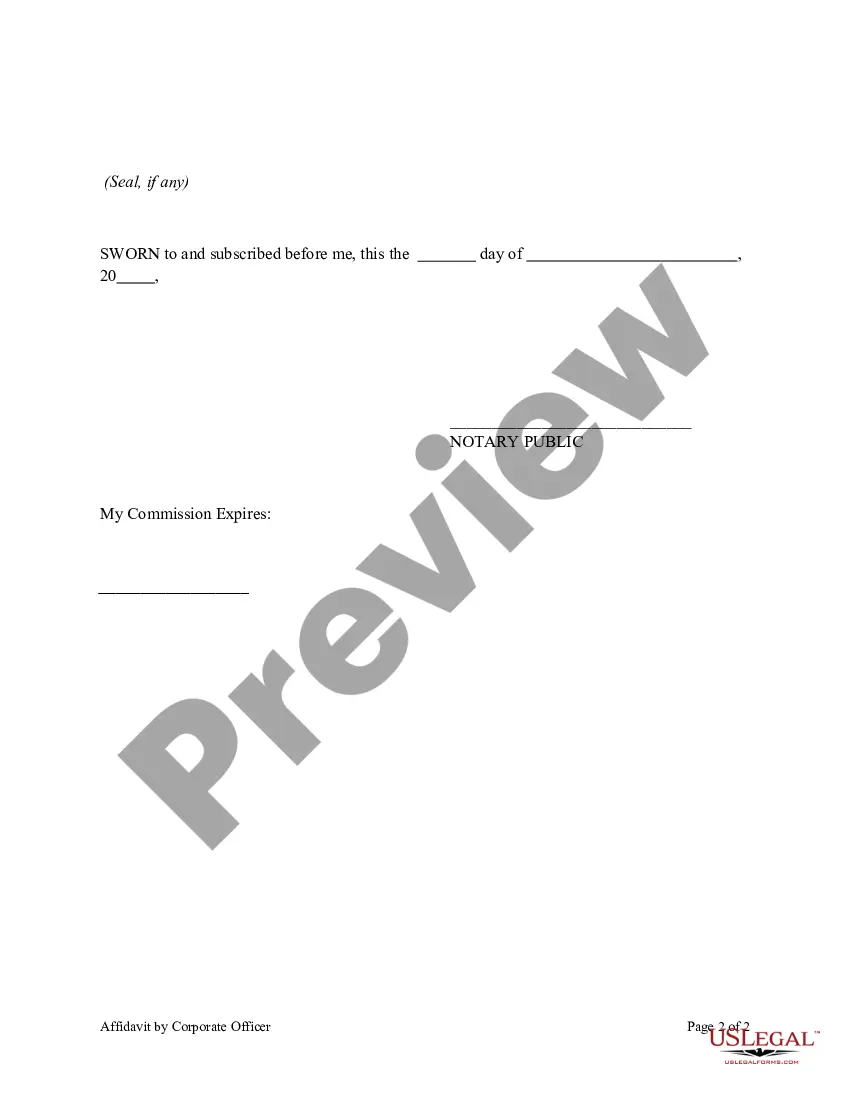
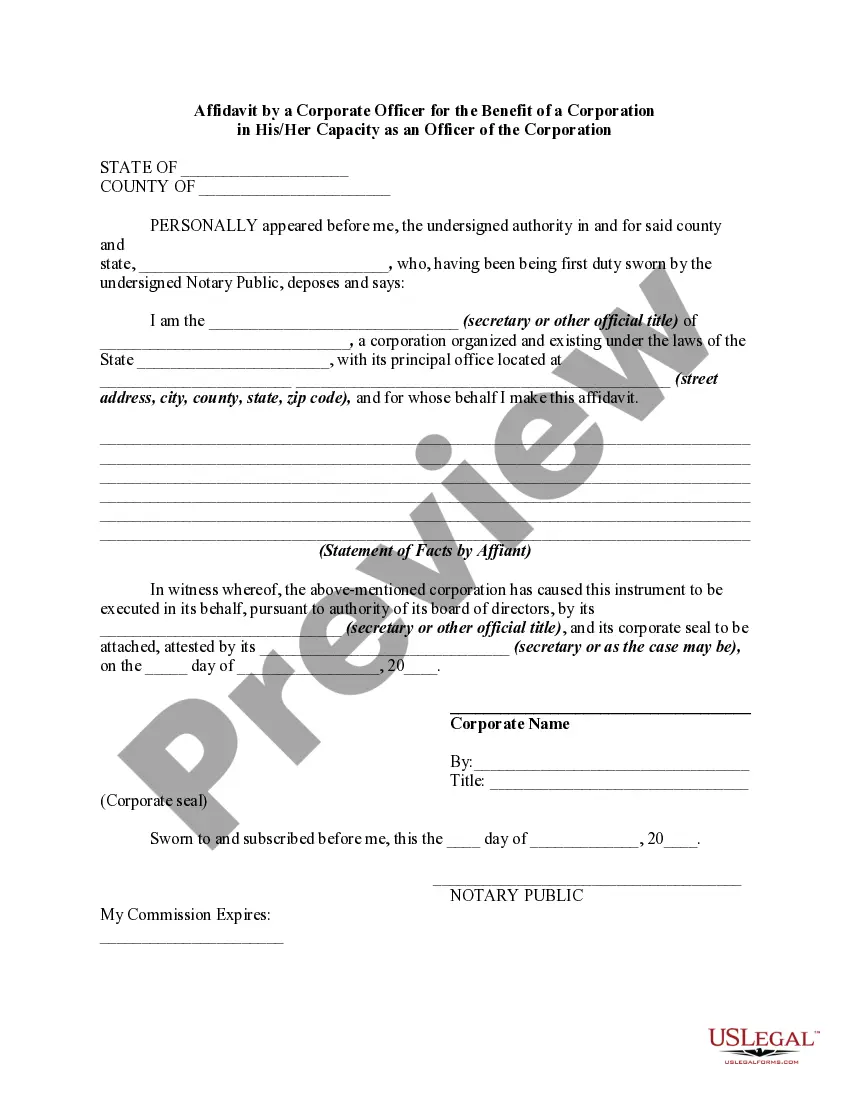
Get your form ready online
Our built-in tools help you complete, sign, share, and store your documents in one place.
Make edits, fill in missing information, and update formatting in US Legal Forms—just like you would in MS Word.
Download a copy, print it, send it by email, or mail it via USPS—whatever works best for your next step.
Sign and collect signatures with our SignNow integration. Send to multiple recipients, set reminders, and more. Go Premium to unlock E-Sign.
If this form requires notarization, complete it online through a secure video call—no need to meet a notary in person or wait for an appointment.
We protect your documents and personal data by following strict security and privacy standards.

Make edits, fill in missing information, and update formatting in US Legal Forms—just like you would in MS Word.

Download a copy, print it, send it by email, or mail it via USPS—whatever works best for your next step.

Sign and collect signatures with our SignNow integration. Send to multiple recipients, set reminders, and more. Go Premium to unlock E-Sign.

If this form requires notarization, complete it online through a secure video call—no need to meet a notary in person or wait for an appointment.

We protect your documents and personal data by following strict security and privacy standards.
Looking for another form?








Form popularity
FAQ
One of the most common mistakes that notaries make is not printing or signing their name exactly as it appears on their notary commission.
An Ohio notary is an official empowered by the state to perform various acts that add an extra layer of security and credibility to legal proceedings. Their primary duties include: Verifying Signatory Identity: A notary ensures that the person signing a document is who they claim to be.
Take the required Notary training course and pass the exam. Complete the application on the SOS website. Receive your commission via email. Buy your official Ohio Notary stamp.
The person signs a statement to attest that the copy presented is a true copy of the original, then their signature can be notarized. In this manner, the signer is certifying the copy; the notary is only providing notarization of the signature. In Ohio, the notary cannot directly certify a copy themselves!
State government regulations strictly bind notaries, restricting them to perform services only within the boundaries of their commission. BUT Notaries can notarize out-of-state documents if they follow the rules and requirements of their jurisdiction and state.
You are allowed to notarize documents that are sent and /or recorded across state borders — provided, of course, that you are notarizing the document within the boundaries of your jurisdiction.
Handwritten documents can be notarized in Ohio, provided they meet certain criteria. The document must be complete with no blank spaces, ensuring no alterations can occur post-signature. Ohio law requires the presence of a proper notarial certificate, which includes the notary's signature, seal, and commission details.
Florida does not require exact wording, but the certificate must include elements spelled out in Florida Statutes, 117.054, including the venue, name of signer, type and date of notarization, form of identification used, the Notary's signature, name and seal, and whether the signer appeared via physical presence or ...
The notarial certificate requires the following: Wording of acknowledgment or jurat; The signature of the notary public; The typed/printed/stamped name of the notary public; The date of the notarial act; The venue where the notarization occurred (county/state); Notary commission's expiration date, if applicable; and.
The notarization of your document does not expire as long as the date on the notarization seal at the time of attestation is valid. In simpler terms, a notary has the authority to notarize a document as long as its commission is valid.
