Notary Application For South Carolina In Broward
Description

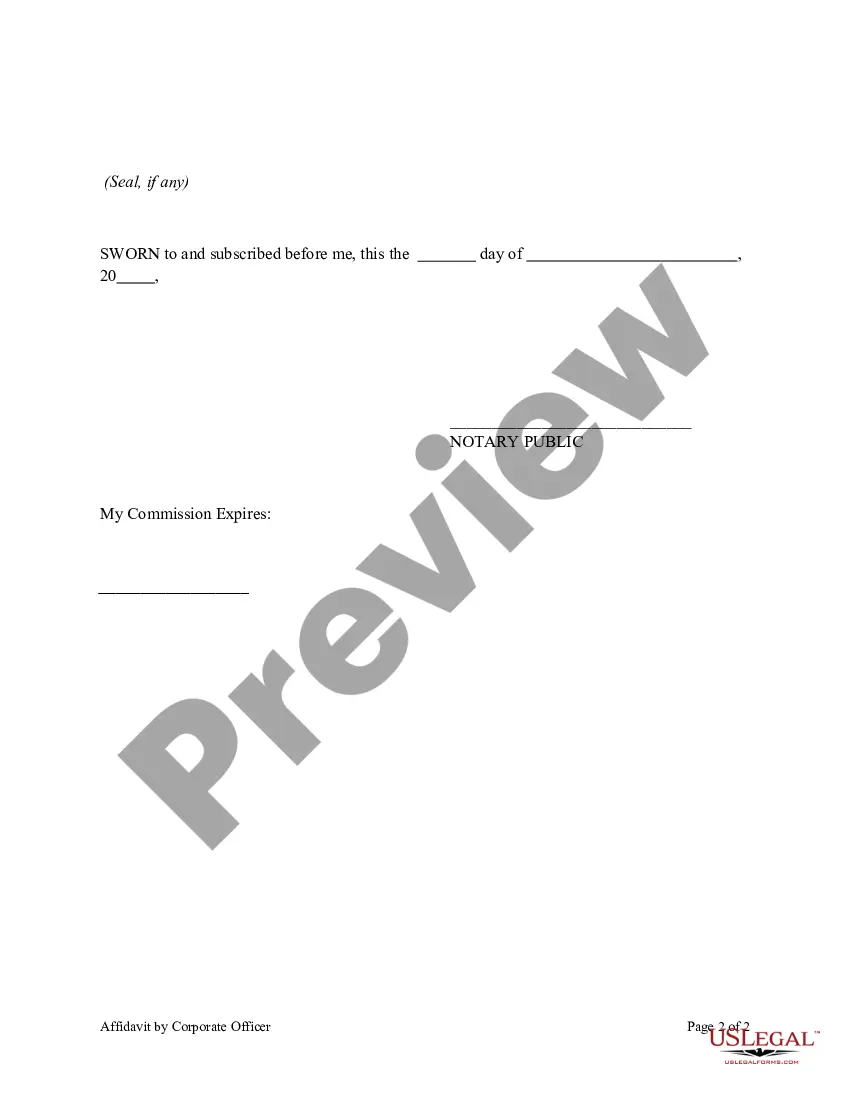
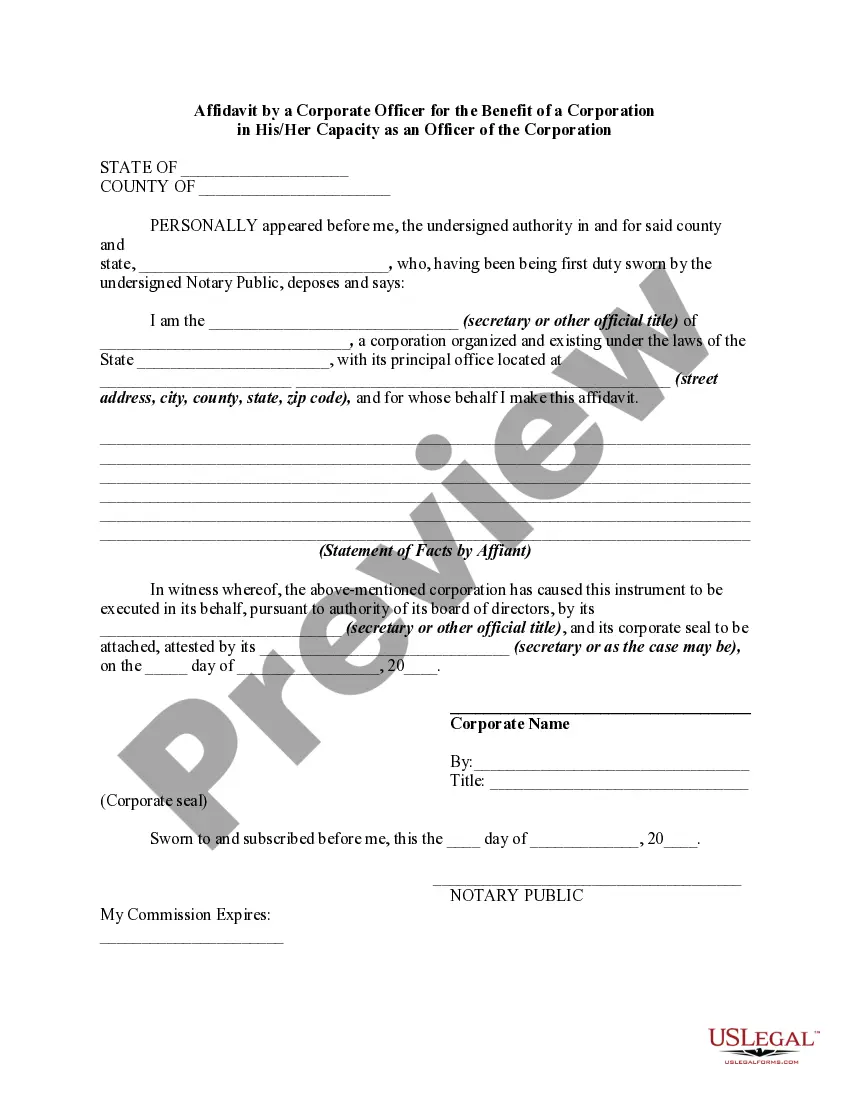
Get your form ready online
Our built-in tools help you complete, sign, share, and store your documents in one place.
Make edits, fill in missing information, and update formatting in US Legal Forms—just like you would in MS Word.
Download a copy, print it, send it by email, or mail it via USPS—whatever works best for your next step.
Sign and collect signatures with our SignNow integration. Send to multiple recipients, set reminders, and more. Go Premium to unlock E-Sign.
If this form requires notarization, complete it online through a secure video call—no need to meet a notary in person or wait for an appointment.
We protect your documents and personal data by following strict security and privacy standards.

Make edits, fill in missing information, and update formatting in US Legal Forms—just like you would in MS Word.

Download a copy, print it, send it by email, or mail it via USPS—whatever works best for your next step.

Sign and collect signatures with our SignNow integration. Send to multiple recipients, set reminders, and more. Go Premium to unlock E-Sign.

If this form requires notarization, complete it online through a secure video call—no need to meet a notary in person or wait for an appointment.

We protect your documents and personal data by following strict security and privacy standards.
Looking for another form?
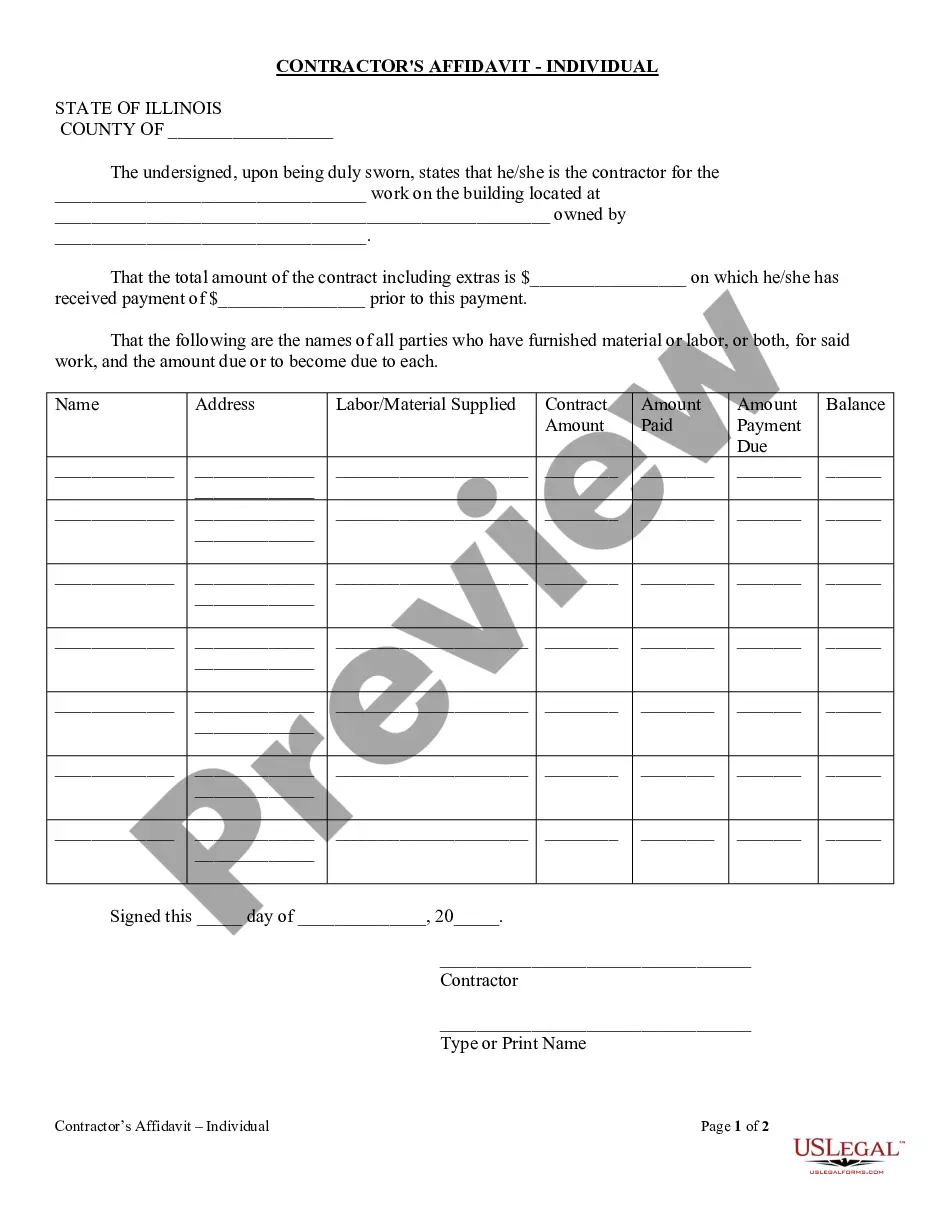


Form popularity
FAQ
The short answer is yes, notary publics are legally allowed to notarize documents from any state as long the notarial act is conducted within the geographical boundaries of the notary's state of commission.
There are no exemptions to the “personal appearance” golden rule. The signer must be physically in the presence of the notary, face-to-face, in the same room at the time of the execution of the notarization. This very important rule also applies to the execution of an electronic notarization.
The South Carolina Electronic Notary Public Act was signed into law in May 2021, and regulations for electronic notarization were finalized in June 2022.
In 2022, South Carolina passed Senate Bill 631, recognizing and regulating RON. Regulations focus on security, user verification, and protecting user data. Notaries must register with the Secretary of State and use approved technology with multi-factor authentication.
The mark must be made in the presence of a notary; 2. The notary writes below the mark: 'Mark affixed by (name of signer by mark) in presence of undersigned notary'; and 3. The notary notarizes the signature by performing an acknowledgement, oath or affirmation, jurat, or verification or proof.
Is online notarization legal in South Carolina? Yes. Notaries who are commissioned to practice online can perform Remote Online Notarization (RON) services in South Carolina. South Carolina remote notarization law became permanent in May, 2021 thanks to the South Carolina Remote Online Notarization Act.
For example, a Notary commissioned in California or Florida may perform notarizations anywhere within the commissioning state's borders, but may not perform a notarization in another state such as Georgia.
