Notary Affidavit For Address Proof In Bronx
Description

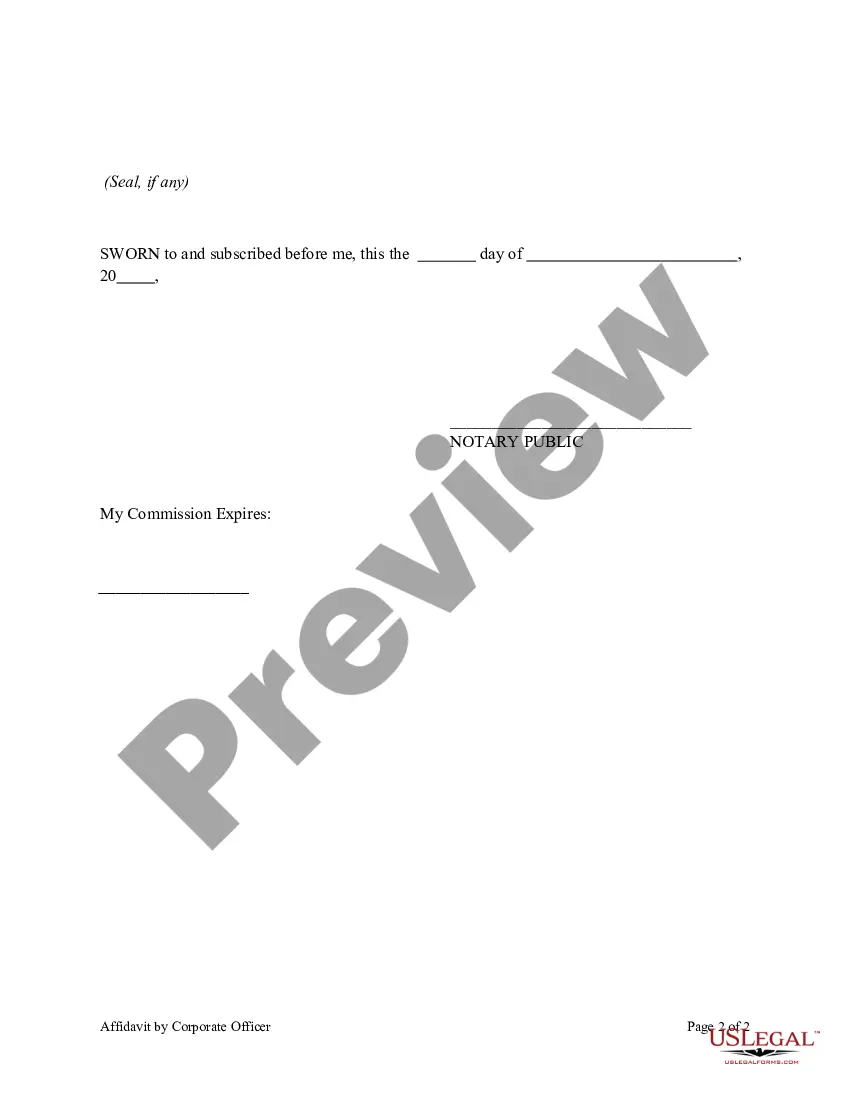
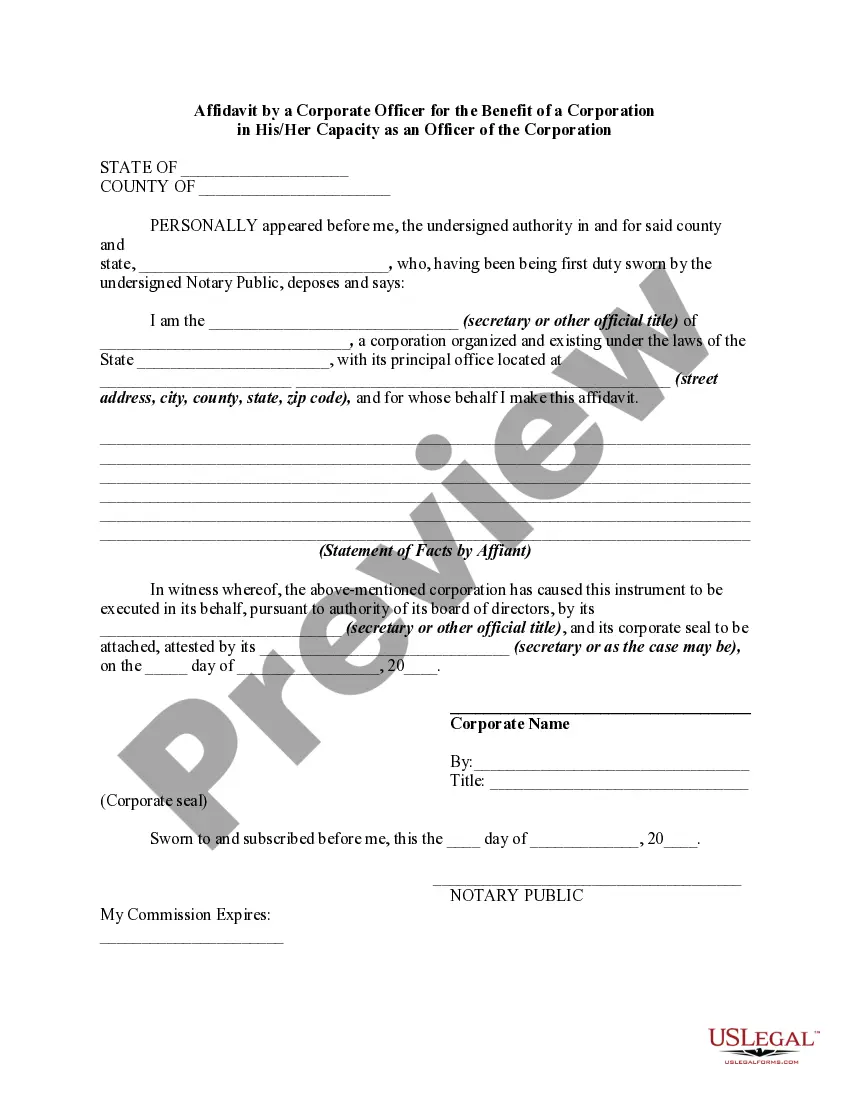
Get your form ready online
Our built-in tools help you complete, sign, share, and store your documents in one place.
Make edits, fill in missing information, and update formatting in US Legal Forms—just like you would in MS Word.
Download a copy, print it, send it by email, or mail it via USPS—whatever works best for your next step.
Sign and collect signatures with our SignNow integration. Send to multiple recipients, set reminders, and more. Go Premium to unlock E-Sign.
If this form requires notarization, complete it online through a secure video call—no need to meet a notary in person or wait for an appointment.
We protect your documents and personal data by following strict security and privacy standards.

Make edits, fill in missing information, and update formatting in US Legal Forms—just like you would in MS Word.

Download a copy, print it, send it by email, or mail it via USPS—whatever works best for your next step.

Sign and collect signatures with our SignNow integration. Send to multiple recipients, set reminders, and more. Go Premium to unlock E-Sign.

If this form requires notarization, complete it online through a secure video call—no need to meet a notary in person or wait for an appointment.

We protect your documents and personal data by following strict security and privacy standards.
Looking for another form?




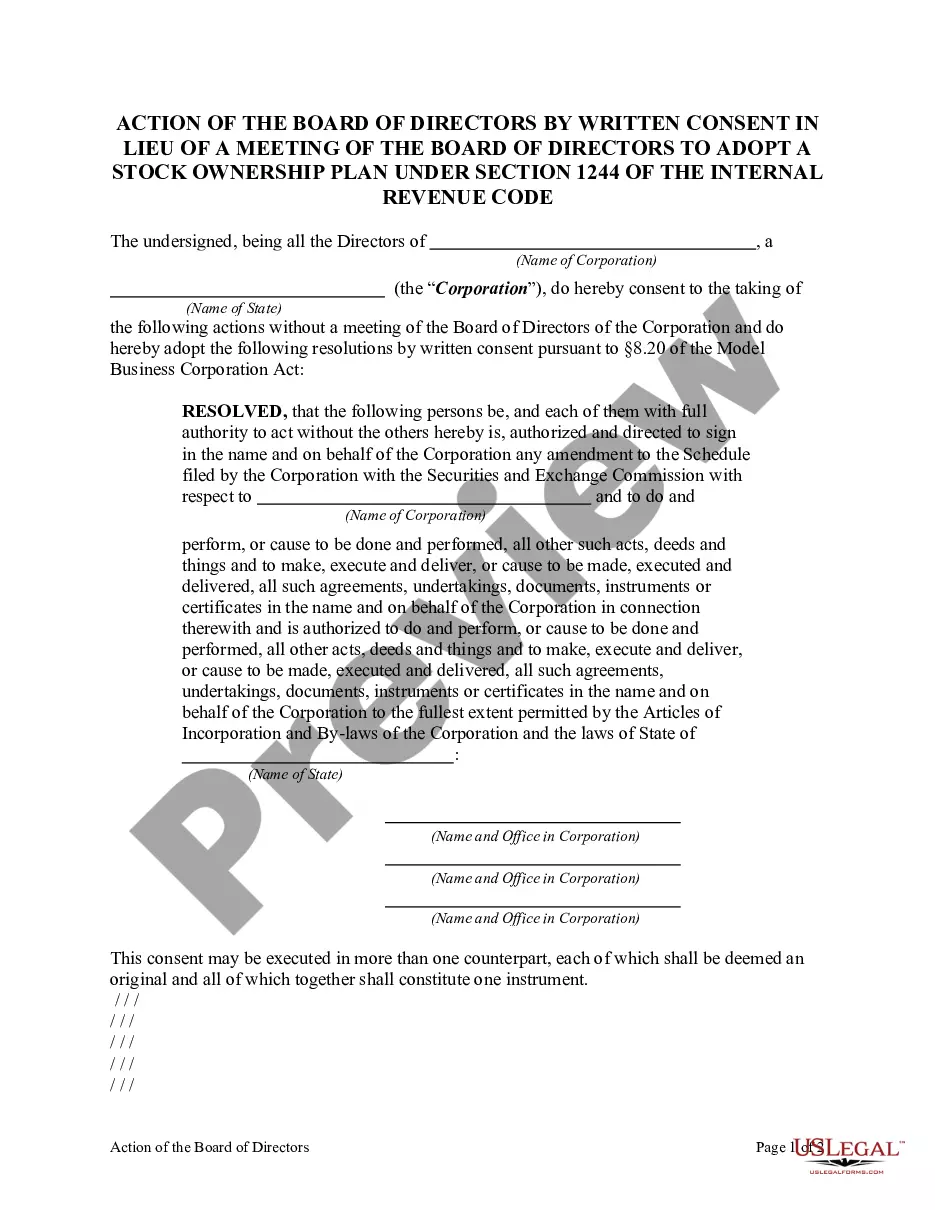




Form popularity
FAQ
New York state civil litigants no longer need a notary to file affidavits, thanks to Governor Kathy Hochul signing Assembly Bill A57721 to amend N.Y. C.P.L.R. § 21062 in late October 2023.
The regulations now require, among other things, that New York notaries make a record of each notarial act they perform and retain that record for 10 years. The regulations implement the 2022 and 2023 §§ 130 and 135-c amendments to the notarial law provisions of New York's Executive Law.
One of the most common mistakes that notaries make is not printing or signing their name exactly as it appears on their notary commission.
Affidavits generally carry greater formal weight and are typically preferred for court filings or formal proceedings. Declarations, while signed under penalty of perjury, lack notarization, making them suitable for less formal settings or jurisdictions that permit unsworn statements.
How to prepare an affidavit? Speak in the first person. This personalizes your affidavit, giving your personal account and testimony. Remain concise. Keeping your message as short as possible helps you to clearly communicate your message, and can make it more impactful. Restate your claims. Notarize your affidavit.
No, in New York, you do not need to notarize your will to make it legal. However, New York allows you to make your will "self-proving" and you'll need to go to a notary if you want to do that. A self-proving will speeds up probate because the court can accept the will without contacting the witnesses who signed it.
Effective January 1, 2024, notarized affidavits are no longer required for most sworn statements submitted in New York state court. No longer limited to lawyers and doctors, court-filed affirmations are now permissible from any witness.
If you need to visit a Notary during regular business hours, you can usually find notarial services at banks, libraries, and mailbox/photocopy shops. Other businesses with Notaries on-site include: FindaNotary. AAA and UPS Stores.
Include your full legal name, current address, and a clear statement certifying your residency. Gather Supporting Documents: Collect documents like utility bills or lease agreements that can substantiate your claim of residence. Find a Notary Public: Locate a licensed notary public in your area.
