Notary Application For Tennessee In Bexar
Description

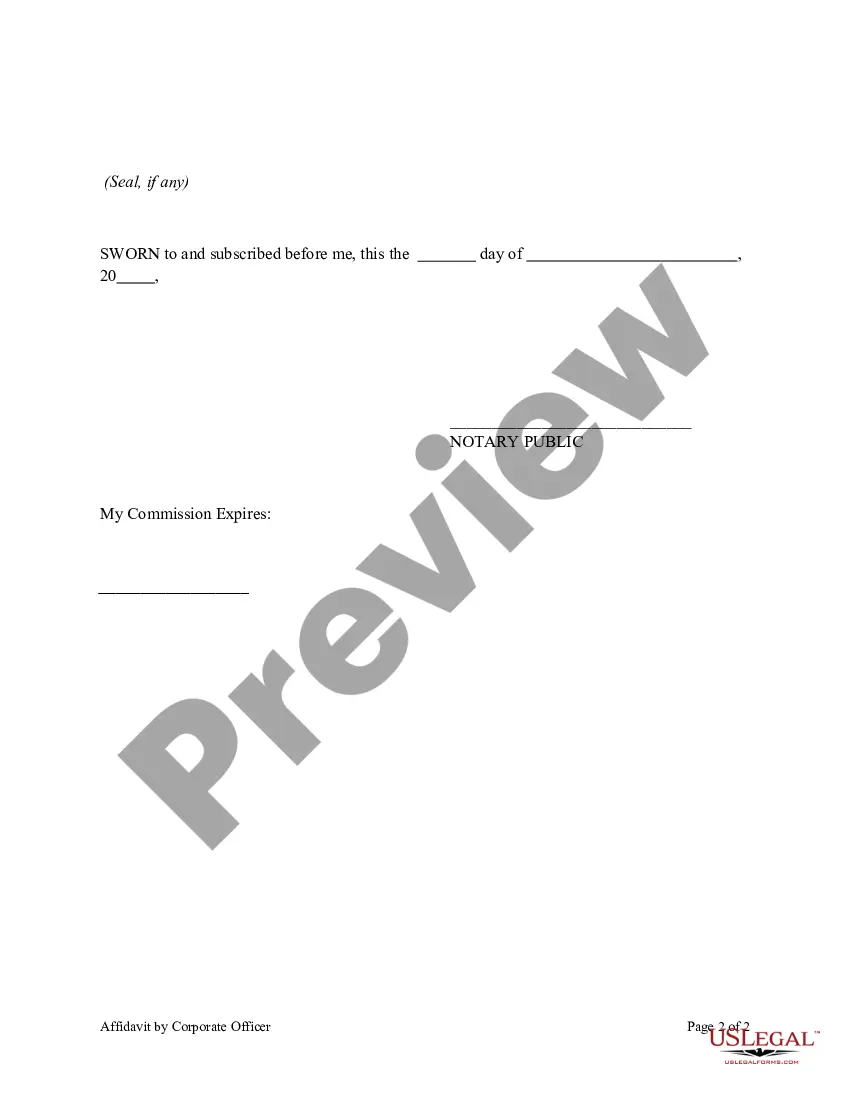
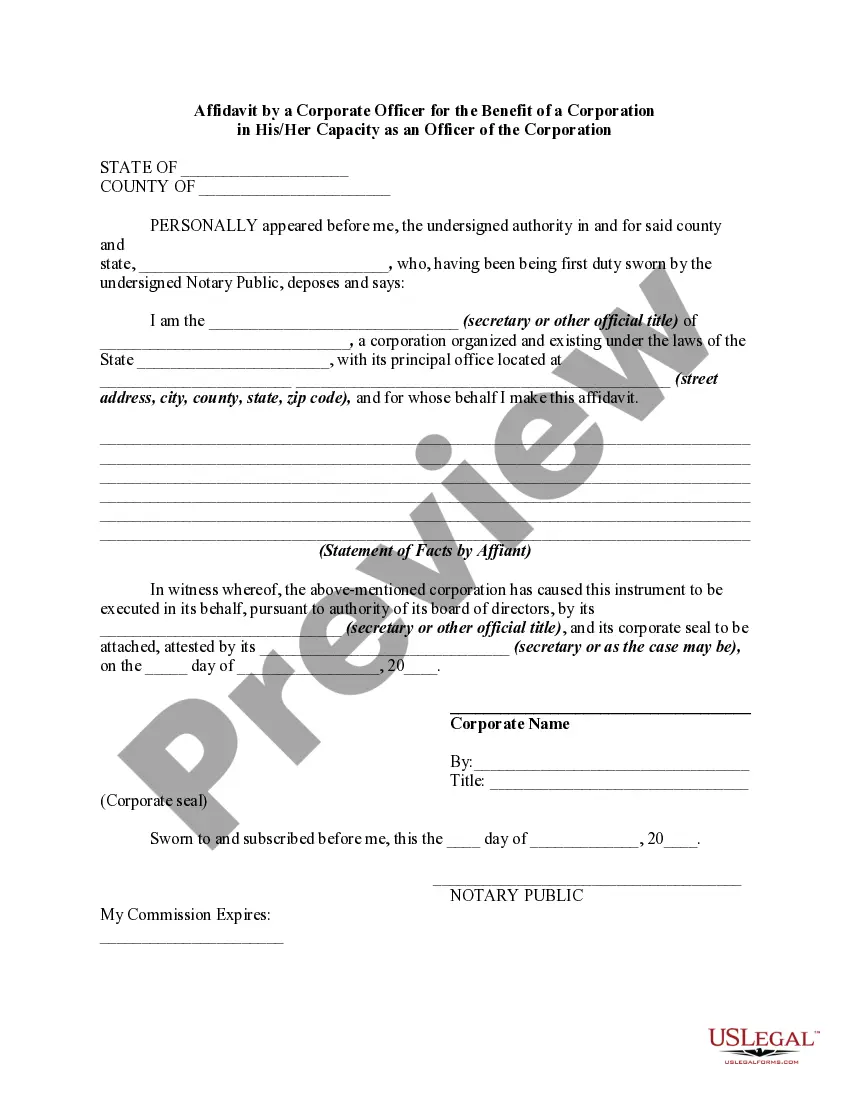
Get your form ready online
Our built-in tools help you complete, sign, share, and store your documents in one place.
Make edits, fill in missing information, and update formatting in US Legal Forms—just like you would in MS Word.
Download a copy, print it, send it by email, or mail it via USPS—whatever works best for your next step.
Sign and collect signatures with our SignNow integration. Send to multiple recipients, set reminders, and more. Go Premium to unlock E-Sign.
If this form requires notarization, complete it online through a secure video call—no need to meet a notary in person or wait for an appointment.
We protect your documents and personal data by following strict security and privacy standards.

Make edits, fill in missing information, and update formatting in US Legal Forms—just like you would in MS Word.

Download a copy, print it, send it by email, or mail it via USPS—whatever works best for your next step.

Sign and collect signatures with our SignNow integration. Send to multiple recipients, set reminders, and more. Go Premium to unlock E-Sign.

If this form requires notarization, complete it online through a secure video call—no need to meet a notary in person or wait for an appointment.

We protect your documents and personal data by following strict security and privacy standards.
Looking for another form?









Form popularity
FAQ
The short answer is yes, notary publics are legally allowed to notarize documents from any state as long the notarial act is conducted within the geographical boundaries of the notary's state of commission.
Some common types of documents that require notarization are as follows: Legal documents: Like affidavits and power of attorney forms. Authorization agreements for nonparent care of a child must be signed in front of a notary. Real estate documents: Deeds, mortgages, and lease agreements.
An online notary public is a commissioned notary public in the State of Texas who has the authority to perform a remote notarization using an audio-visual conference rather than having the individual physically appear before the notary at the time of the notarization.
A Tennessee notary public is authorized to act in any county in Tennessee and has the power to acknowledge signatures upon personal knowledge or satisfactory proof, to administer oaths, to take depositions, qualify parties to bills in chancery, and to take affidavits. T.C.A. § 8-16-112.
One of the most common mistakes that notaries make is not printing or signing their name exactly as it appears on their notary commission.
Though, notarizing a document in a foreign language which you cannot understand is not illegal, proceed with caution through the process to ensure you are completing your notarial duties completing.
Yes, online notary is legal in Tennessee pursuant to Title 8, Chapter 16, Part 3 of the 2021 Tennessee Code. Tennessee law also recognizes and accepts online notarizations performed by out-of-state notaries under their state rules. (see Tennessee Code Title 66. § 66-22-103, § 66-22-107, and § 66-22-110.)
Becoming a notary in Tennessee is a simple process, requiring no formal training or coursework. All you have to do is meet the state requirements — our basic Tennessee notary package will take care of the rest! Once you are officially appointed as a notary, you will hold this position for four years.
You cannot become a notary if you: Serve in the military. Are a member of Congress or hold an office of profit or trust under any foreign power, other state or the United States. Have been convicted of bribery, larceny or certain other offenses unless your rights of citizenship have been restored.
