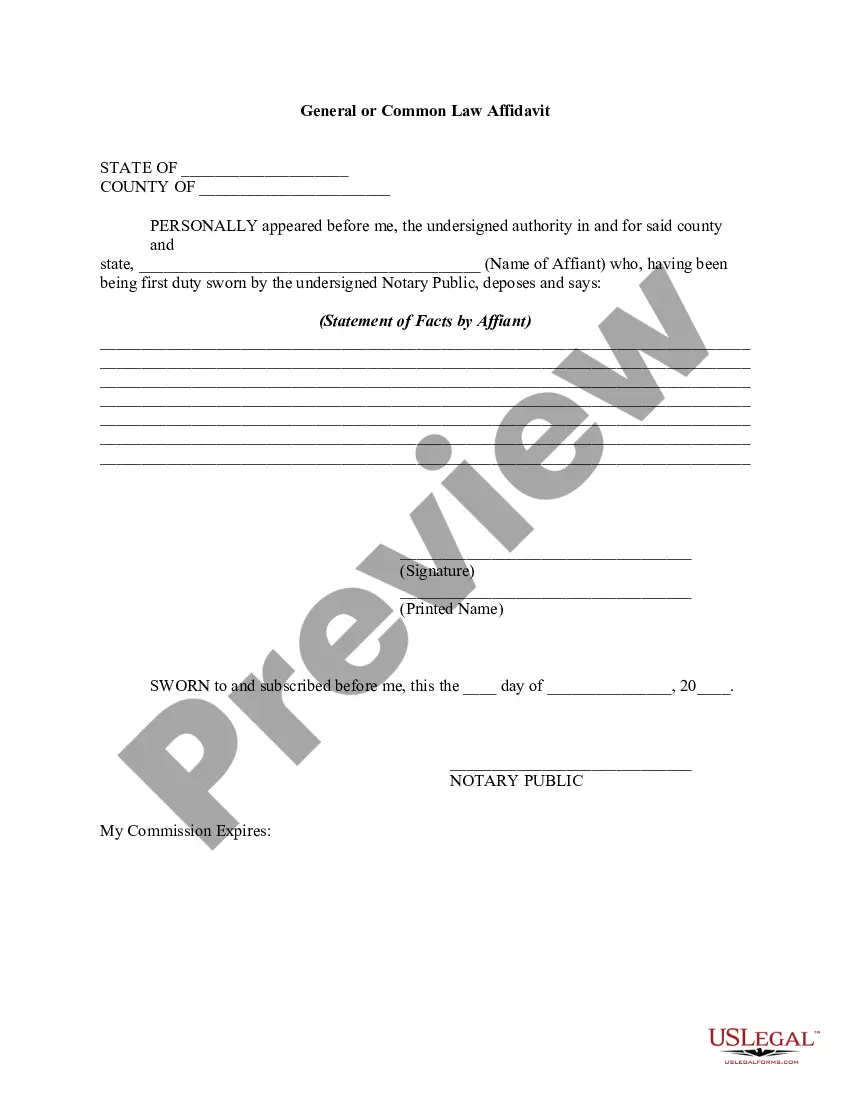
Affidavit Of Non Prosecution Example In North Carolina
Description
Get your form ready online
Our built-in tools help you complete, sign, share, and store your documents in one place.
Make edits, fill in missing information, and update formatting in US Legal Forms—just like you would in MS Word.
Download a copy, print it, send it by email, or mail it via USPS—whatever works best for your next step.
Sign and collect signatures with our SignNow integration. Send to multiple recipients, set reminders, and more. Go Premium to unlock E-Sign.
If this form requires notarization, complete it online through a secure video call—no need to meet a notary in person or wait for an appointment.
We protect your documents and personal data by following strict security and privacy standards.

Make edits, fill in missing information, and update formatting in US Legal Forms—just like you would in MS Word.

Download a copy, print it, send it by email, or mail it via USPS—whatever works best for your next step.

Sign and collect signatures with our SignNow integration. Send to multiple recipients, set reminders, and more. Go Premium to unlock E-Sign.

If this form requires notarization, complete it online through a secure video call—no need to meet a notary in person or wait for an appointment.

We protect your documents and personal data by following strict security and privacy standards.
Looking for another form?





Form popularity
FAQ
Affidavits can occur any time a formal promise is made, and they are often used as a form of documentation tied to a specific person in the proceedings. They are often used in court to serve as evidence toward a singular side in a dispute, or to affirm a claim that someone is making.
This Standard Document is an affidavit of records that can be used by a party in Alberta litigation. The purpose of the affidavit of records is to disclose all records that are relevant and material to the issues in the action that are or have been under the party's control.
An Affidavit of Non-Prosecution is a sworn statement made by a complainant indicating their desire not to proceed with criminal charges against the defendant.
How to prepare an affidavit? Speak in the first person. This personalizes your affidavit, giving your personal account and testimony. Remain concise. Keeping your message as short as possible helps you to clearly communicate your message, and can make it more impactful. Restate your claims. Notarize your affidavit.
Section 138 of the Criminal Code provides that anyone who signs an affidavit or statutory declaration representing that it was sworn or declared before them when it in fact was not is guilty of an offence and is liable to imprisonment for up to two years.
The person signing the affidavit must swear (or affirm) to the truth of its contents. If properly sworn, filed and served on opposing parties, a court can accept the contents as evidence. The person swearing the affidavit need not come to court.
An affidavit is a written statement made under oath. This means that the person who is making the statement has sworn that the document contains the truth and is aware that they will be prosecuted if it is found that the contents of the affidavit (or parts thereof) are untrue.
I ____ (Applicant Name as per id proof), residing at _______(Address as per address proof) do solemnly affirm and stated as under: I am _____ and my name _______, appearing on the enclosed ID proof, is single name. My father's name is ________________.
A valid affidavit must include the affiant's full name, address, a detailed account of the facts, a statement of truth, the affiant's signature, and notarization by a notary public to certify the document's authenticity.
Step 1: Decide what the title of your affidavit will be. Step 2: Put the name and personal background information of the person giving the information in the first paragraph. Step 3: Write an opening sentence in the first person tense. Step 4: Make an outline of the information given or state the facts of the case.

