Affidavit Legal Definition Without Prejudice In Bronx
Description
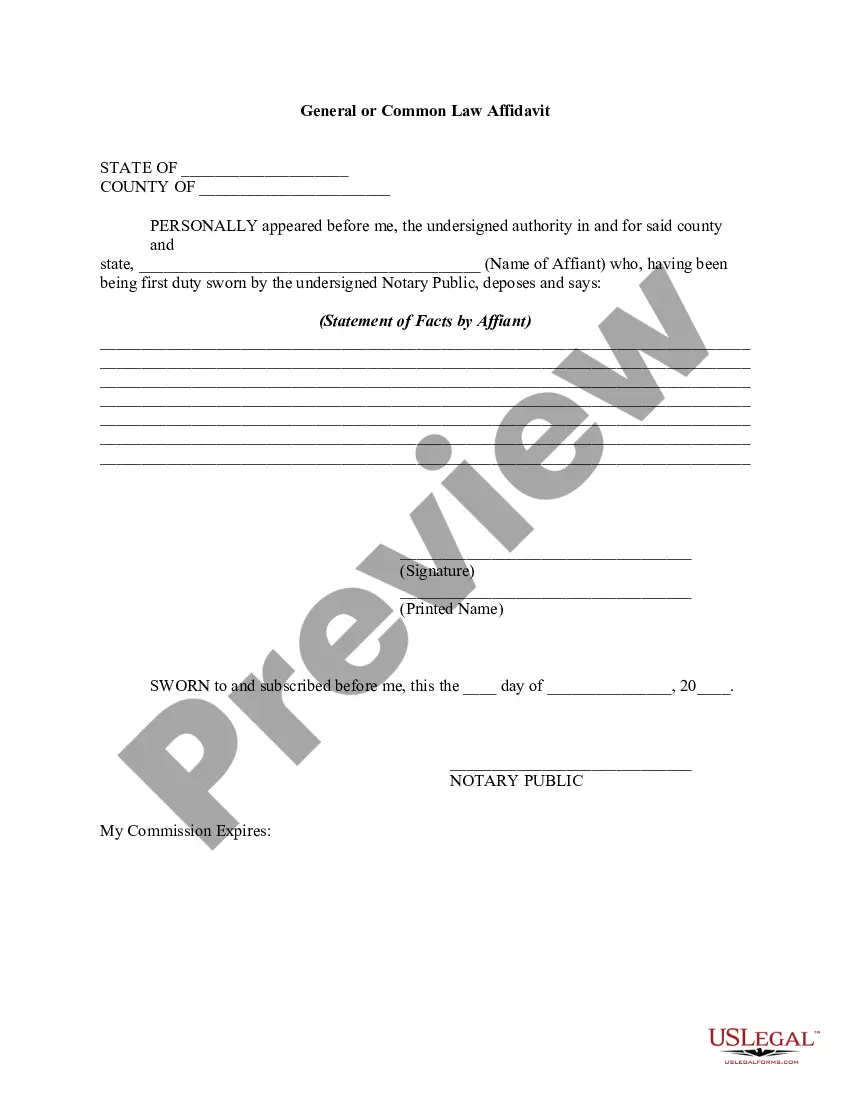
Get your form ready online
Our built-in tools help you complete, sign, share, and store your documents in one place.
Make edits, fill in missing information, and update formatting in US Legal Forms—just like you would in MS Word.
Download a copy, print it, send it by email, or mail it via USPS—whatever works best for your next step.
Sign and collect signatures with our SignNow integration. Send to multiple recipients, set reminders, and more. Go Premium to unlock E-Sign.
If this form requires notarization, complete it online through a secure video call—no need to meet a notary in person or wait for an appointment.
We protect your documents and personal data by following strict security and privacy standards.

Make edits, fill in missing information, and update formatting in US Legal Forms—just like you would in MS Word.

Download a copy, print it, send it by email, or mail it via USPS—whatever works best for your next step.

Sign and collect signatures with our SignNow integration. Send to multiple recipients, set reminders, and more. Go Premium to unlock E-Sign.

If this form requires notarization, complete it online through a secure video call—no need to meet a notary in person or wait for an appointment.

We protect your documents and personal data by following strict security and privacy standards.
Looking for another form?

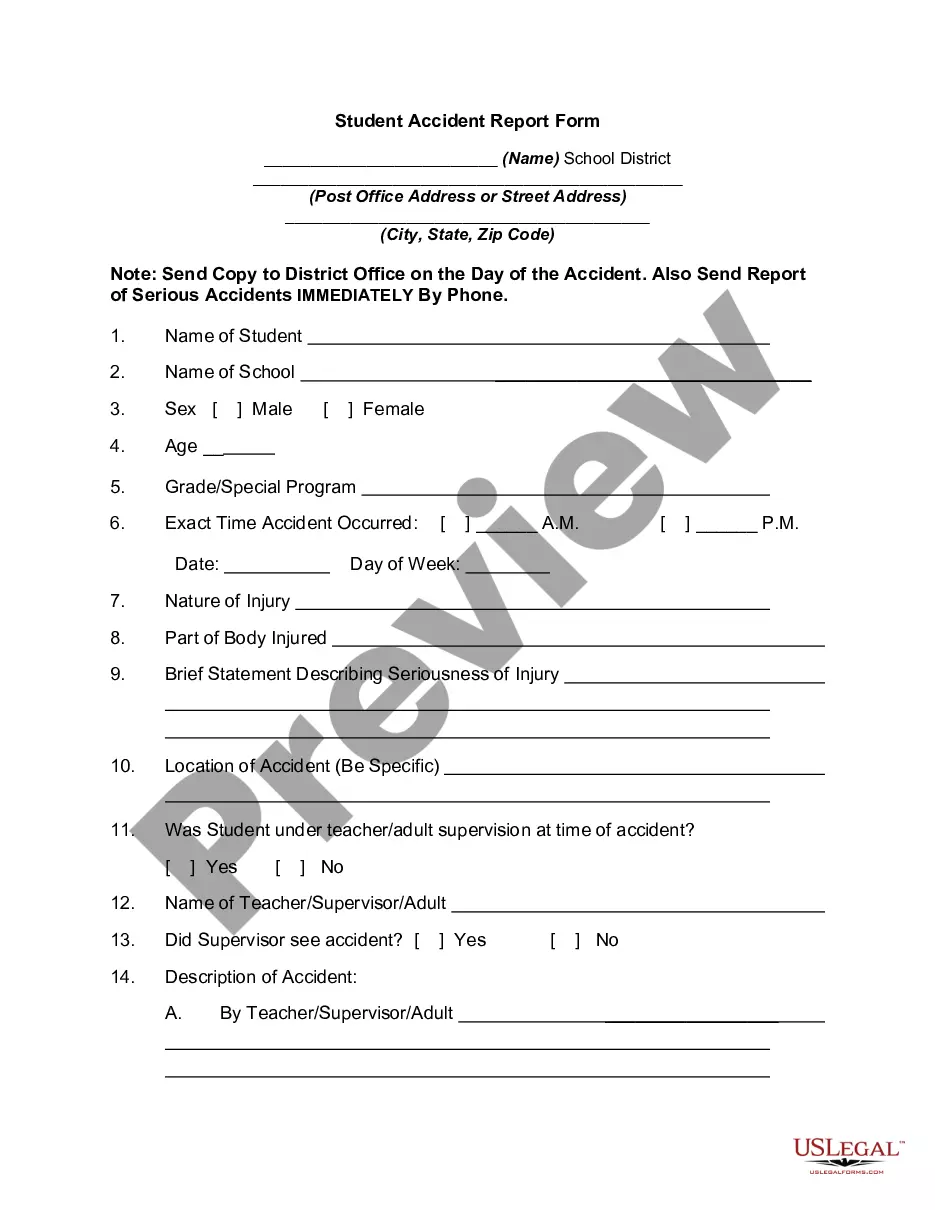




Form popularity
FAQ
If you disagree with what is being asked for in the motion or order to show cause, you must prepare an affidavit in opposition (see Exhibit A). If you agree with what is being asked for, you must prepare an affidavit in support (see Exhibit B). You may attach any documents that support your position as “exhibits”.
The defendant appears by serving an answer or a notice of appearance, or by making a motion which has the effect of extending the time to answer.
The individual accepting papers must be at least 18 years old and not a party to the case. He or she must also be authorized to accept such documents. A friend, relative, coworker, or other responsible adults may qualify. Be sure to consult a legal professional to ensure the service of process is legal and valid.
An order to show cause (OSC) is a request to the court for a new hearing. It can ask for more time or stop the marshal from evicting you. If you do not have a lawyer, you will have to fill out the OSC yourself.
The Order to Show Cause must be accompanied by an "Affidavit in Support" and copies of any documents that support the request and would persuade the judge your application should be granted. Copies of all these papers must be served on all the parties in the manner directed on the Order to Show Cause itself.
CPLR 306 sets forth the information that must be provided in an affidavit of service, which includes: the papers served, the person served and the date of service (CPLR 306(a)); and, when service is made by delivering the summons to an individual, a description of the person to whom the papers were delivered including, ...
It is mandatory that a Show Cause Notice (SCN) is issued if the department contemplates any action prejudicial to the assessee. The SCN would detail the provisions of law allegedly violated and ask the noticee to show cause why action should not be initiated against him under the relevant provisions of the Act/Rules.
In order to respond to a motion or an order to show cause, you must prepare answering papers. If you disagree with what is being asked for in the motion or order to show cause, you must prepare an affidavit in opposition (see Exhibit A).

