Premises Office Share With Tenants In Pennsylvania
Description
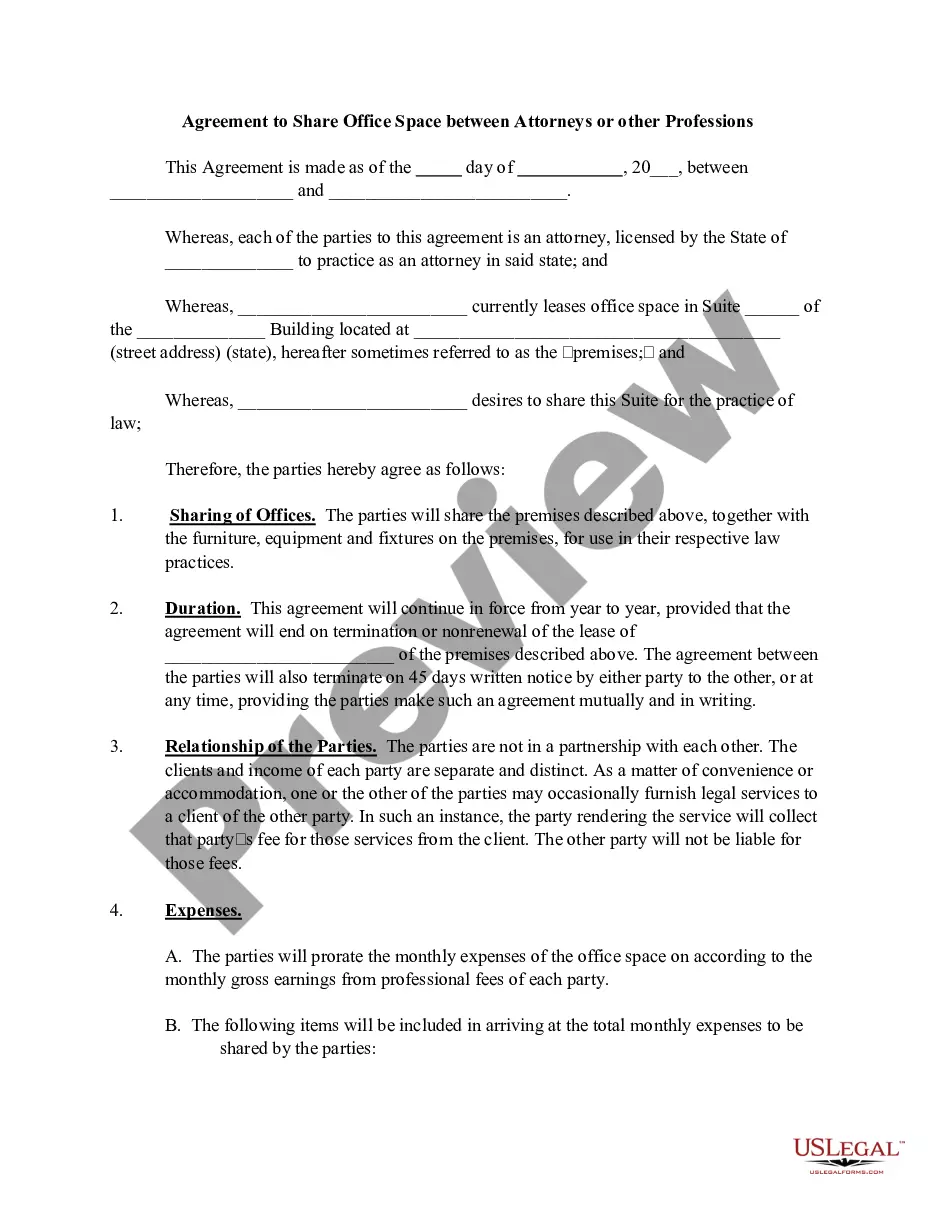
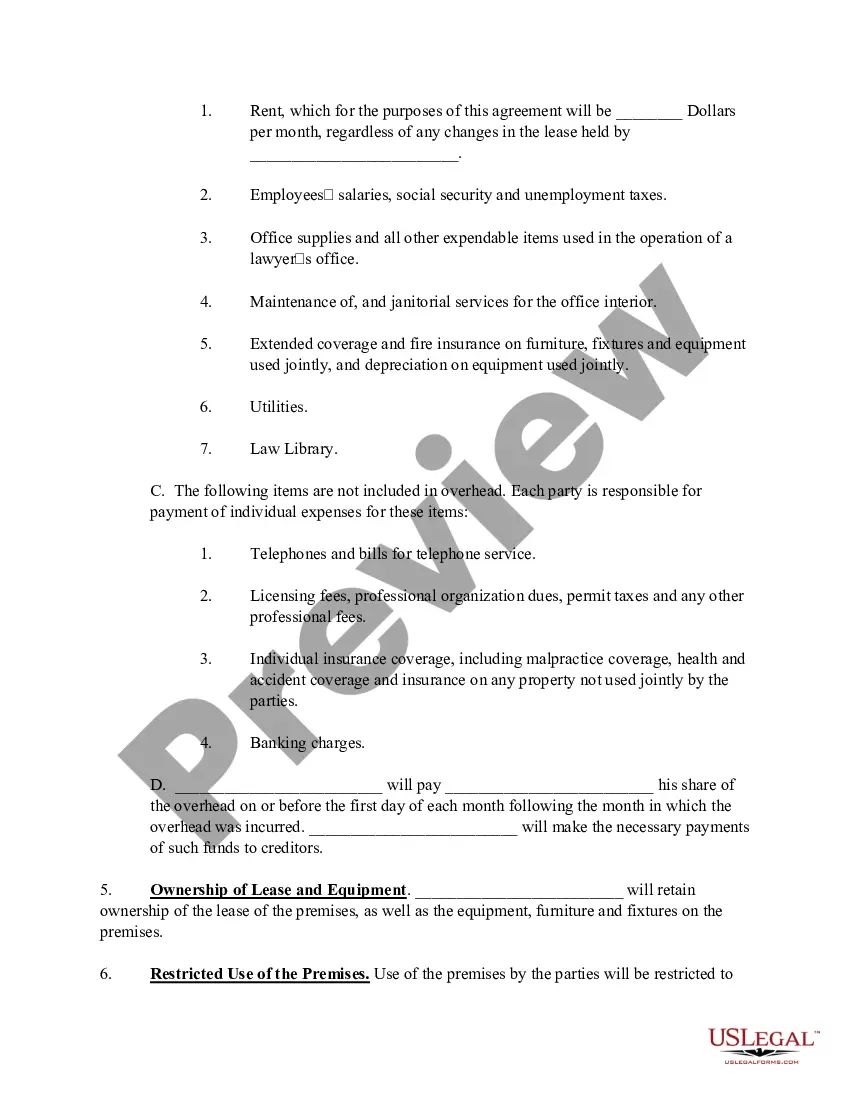
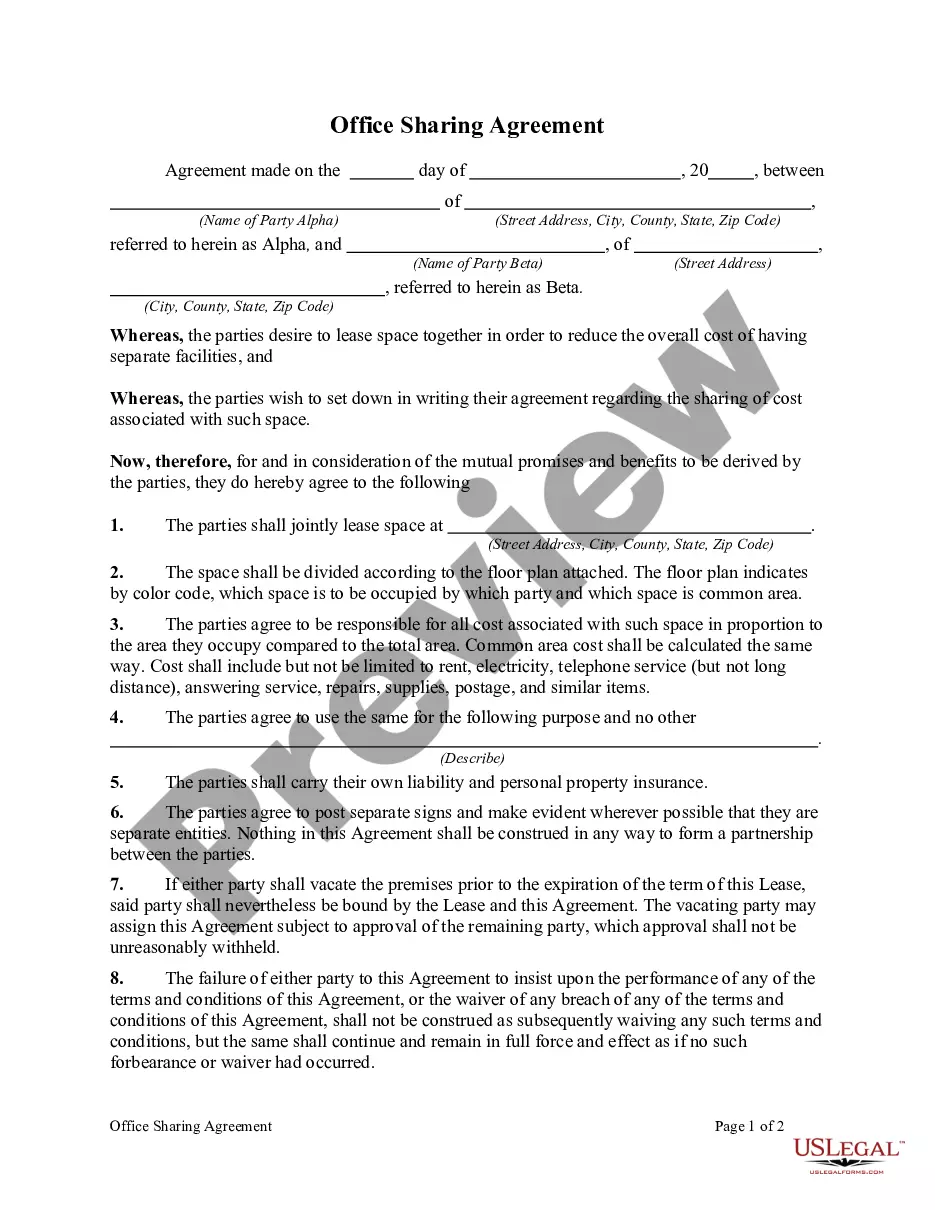
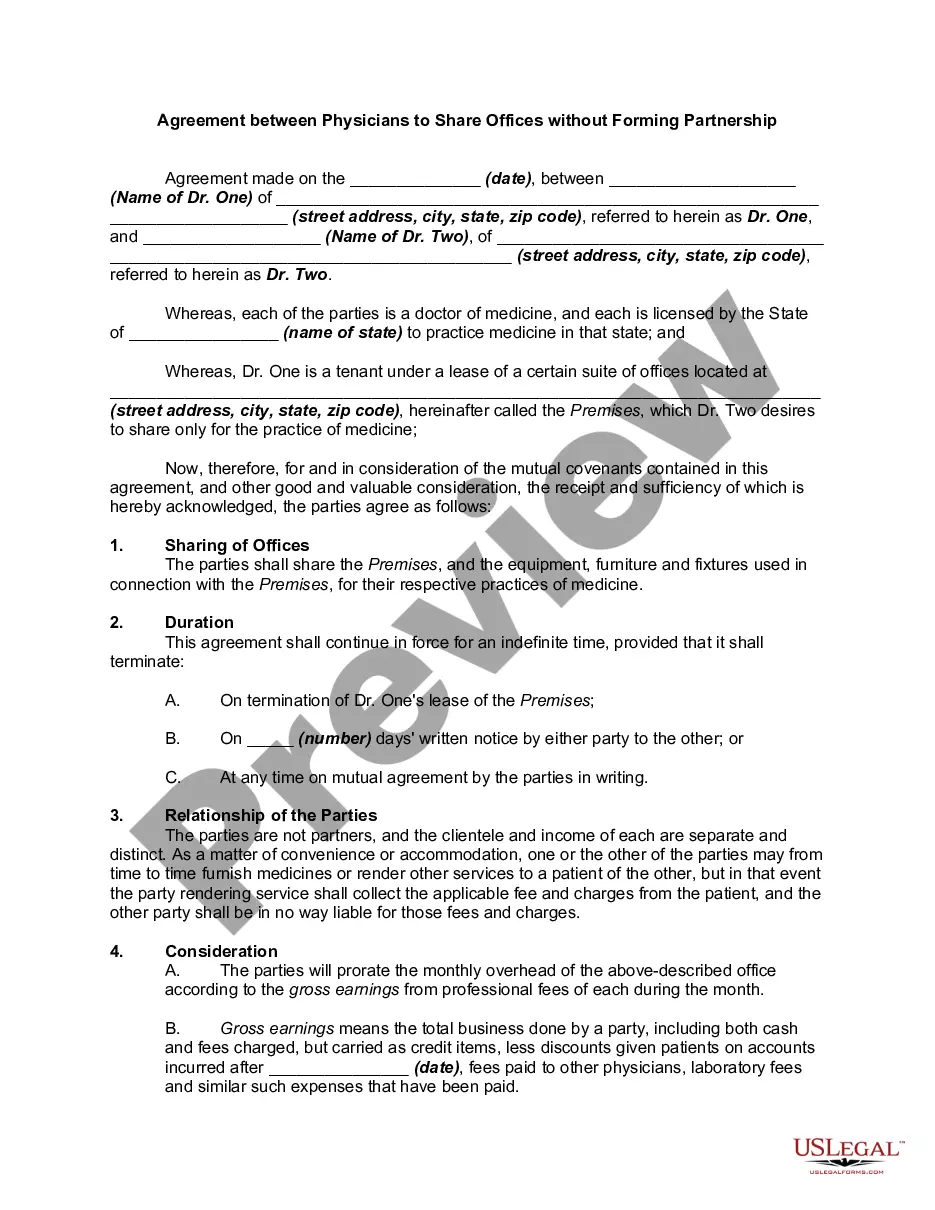
Get your form ready online
Our built-in tools help you complete, sign, share, and store your documents in one place.
Make edits, fill in missing information, and update formatting in US Legal Forms—just like you would in MS Word.
Download a copy, print it, send it by email, or mail it via USPS—whatever works best for your next step.
Sign and collect signatures with our SignNow integration. Send to multiple recipients, set reminders, and more. Go Premium to unlock E-Sign.
If this form requires notarization, complete it online through a secure video call—no need to meet a notary in person or wait for an appointment.
We protect your documents and personal data by following strict security and privacy standards.

Make edits, fill in missing information, and update formatting in US Legal Forms—just like you would in MS Word.

Download a copy, print it, send it by email, or mail it via USPS—whatever works best for your next step.

Sign and collect signatures with our SignNow integration. Send to multiple recipients, set reminders, and more. Go Premium to unlock E-Sign.

If this form requires notarization, complete it online through a secure video call—no need to meet a notary in person or wait for an appointment.

We protect your documents and personal data by following strict security and privacy standards.
Looking for another form?




Form popularity
FAQ
Landlords in Pennsylvania are responsible for maintaining the rental property in a habitable condition. This includes making necessary repairs and ensuring that essential services are provided. Failure to maintain the property can lead to legal consequences.
In Pennsylvania, there is no statewide requirement for landlords to have a rental license.
Landlords in Pennsylvania are responsible for maintaining the rental property in a habitable condition. This includes making necessary repairs and ensuring that essential services are provided. Failure to maintain the property can lead to legal consequences.
A tenant is an individual who has signed a lease agreement and is legally responsible for rent and property maintenance. On the other hand, an occupant lives in the property without being part of the lease agreement and does not have the same financial obligations or legal rights as a tenant.
Tenants have the right to privacy within their rented homes. While landlords may need to enter the property for repairs, inspections, or showings, they are generally required to provide reasonable notice to the tenant, except in emergency situations.
The tenant may be responsible for electric and gas while the landlord is responsible for water and sewer.
The notice must give the reason for eviction. If there is no written lease, the reason for eviction can be simply that the landlord has decided not to renew the lease.
A landlord should not use any self-help measures (measures without judicial process) to evict a commercial tenant or otherwise recover possession of leased premises in Pennsylvania. Examples of landlord self-help measures include: Changing the locks to keep the tenant from entering.
In Pennsylvania, a tenant is a person who rents a dwelling, which can be a condo, an apartment, a single room, a mobile home, or a house. A person renting a hotel room can be a tenant.
Landlord living arrangements A lodger typically rents a spare bedroom and shares certain living spaces in a home with a live-in landlord. A tenant rents a room or home from a landlord who resides elsewhere.
