A Protective Covenant For Property In Utah
Description

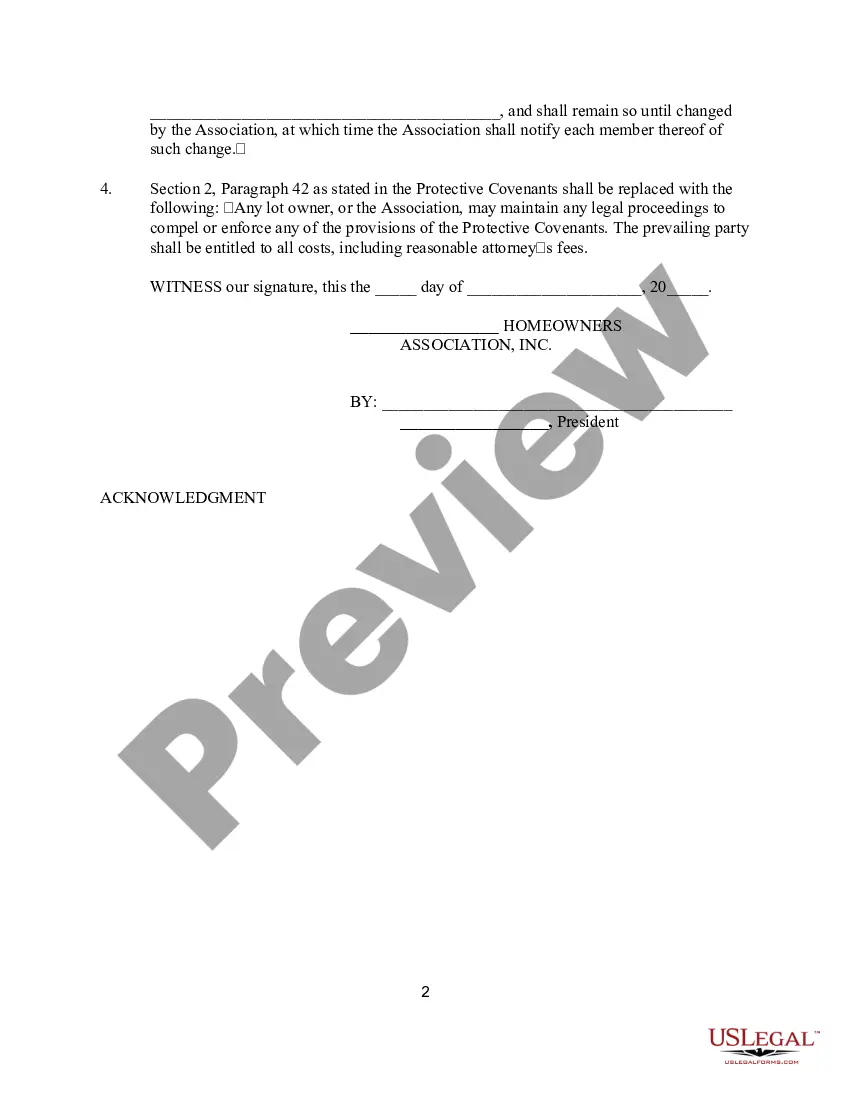
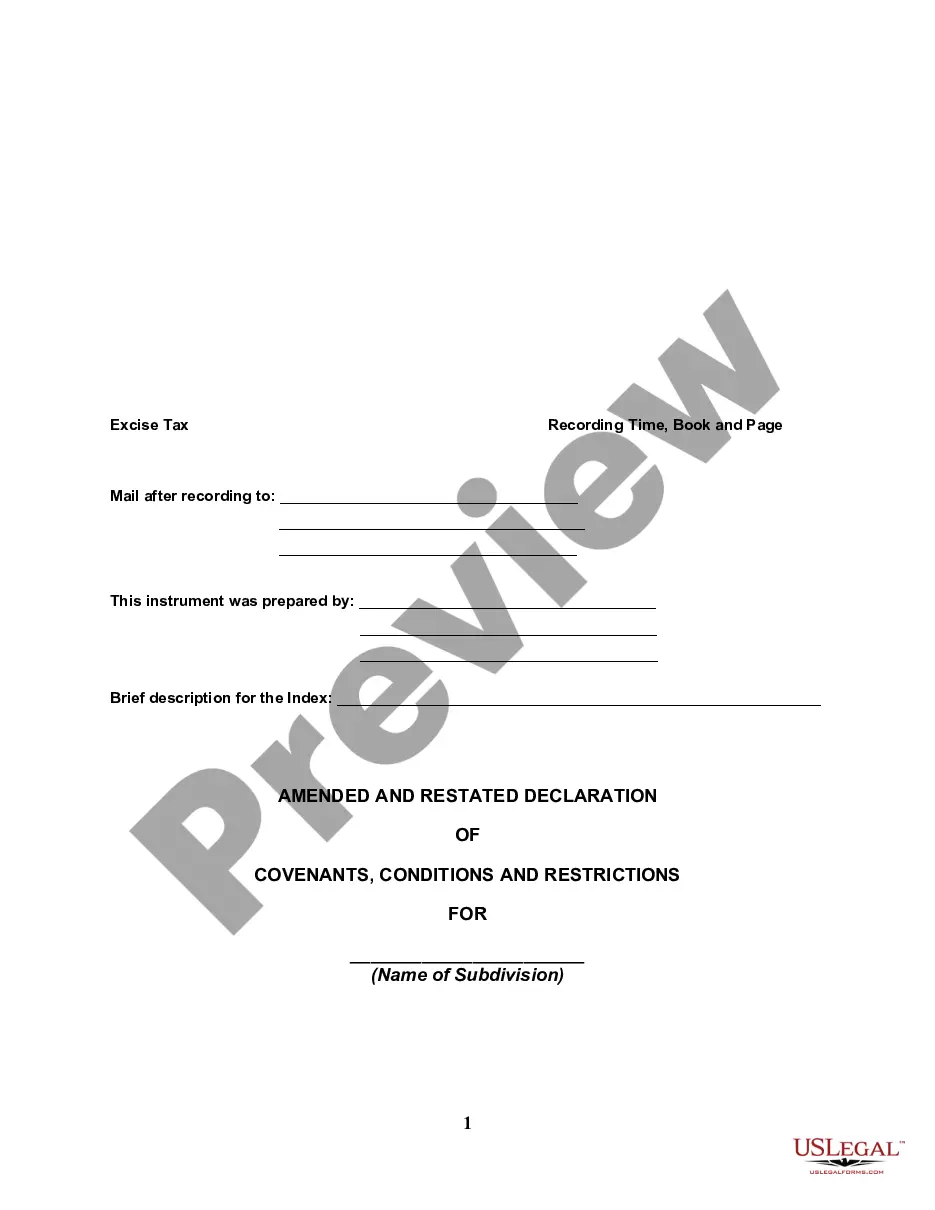
Get your form ready online
Our built-in tools help you complete, sign, share, and store your documents in one place.
Make edits, fill in missing information, and update formatting in US Legal Forms—just like you would in MS Word.
Download a copy, print it, send it by email, or mail it via USPS—whatever works best for your next step.
Sign and collect signatures with our SignNow integration. Send to multiple recipients, set reminders, and more. Go Premium to unlock E-Sign.
If this form requires notarization, complete it online through a secure video call—no need to meet a notary in person or wait for an appointment.
We protect your documents and personal data by following strict security and privacy standards.

Make edits, fill in missing information, and update formatting in US Legal Forms—just like you would in MS Word.

Download a copy, print it, send it by email, or mail it via USPS—whatever works best for your next step.

Sign and collect signatures with our SignNow integration. Send to multiple recipients, set reminders, and more. Go Premium to unlock E-Sign.

If this form requires notarization, complete it online through a secure video call—no need to meet a notary in person or wait for an appointment.

We protect your documents and personal data by following strict security and privacy standards.
Looking for another form?








Form popularity
FAQ
There are two types of restrictive covenants: affirmative and negative. An affirmative covenant obligates a person to act. For example, a covenant that requires the homeowner to keep the trees trimmed in the yard is an affirmative covenant. A negative covenant prohibits a person to act.
76-2-406. Force in defense of property -- Affirmative defense. belonging to an individual whose property the actor has a legal duty to protect. any patterns of abuse or violence between the actor and the individual.
What is The Private Property Protection Act? The Private Property Protection Act is a provision in the Utah Code, which requires state agencies to establish guidelines to review whether proposed actions impact the use and ownership of private property.
Deadly force in defense of individuals on real property. the force is necessary to prevent the commission of the forcible felony. for the purpose of committing a forcible felony.
Protective covenants, also known as restrictive covenants, are legal obligations embedded in the deed of a property. These covenants are agreements between property owners that impose certain restrictions or requirements on the use of the land.
You can only use force to defend yourself in case of a trespasser. However, you are only supposed to use as much force necessary to eliminate the threat. Since the line is a bit blurred and difficult to decipher, it would be best to hire an attorney if you have been part of an encounter such as trespassing.
