Contract Law For Small Business In Riverside
Description

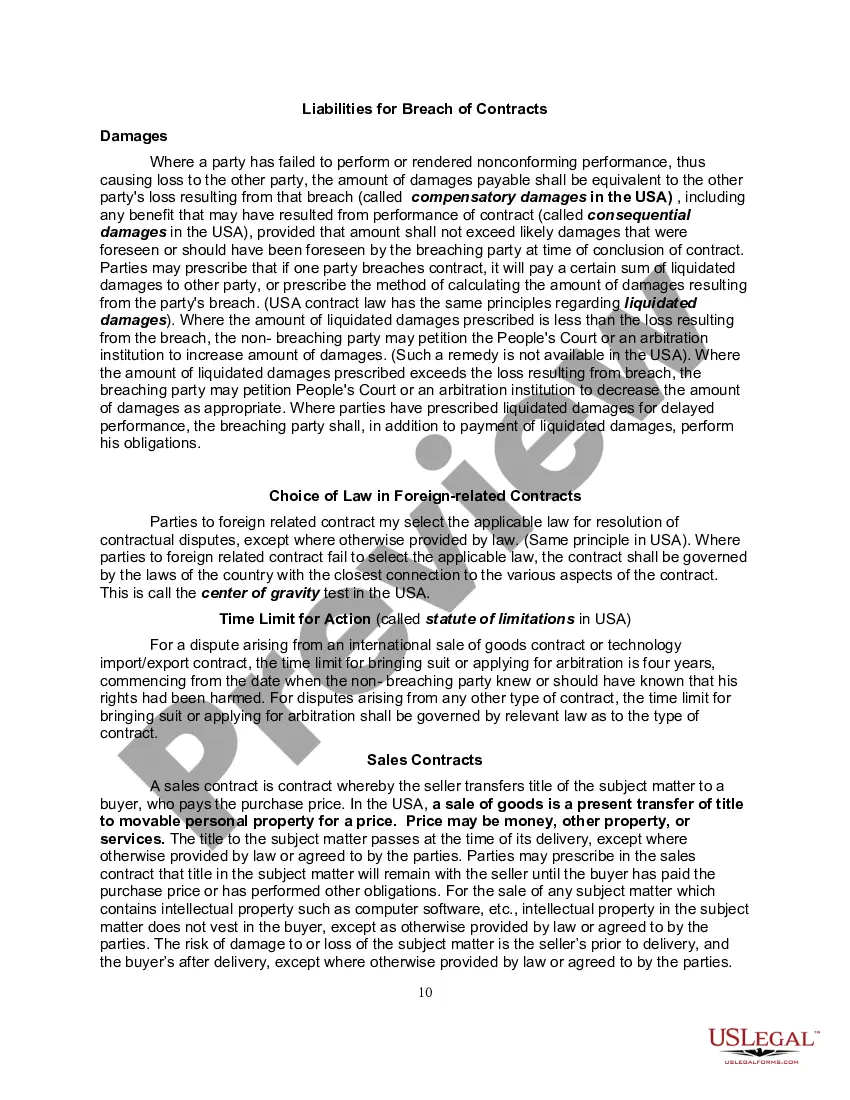


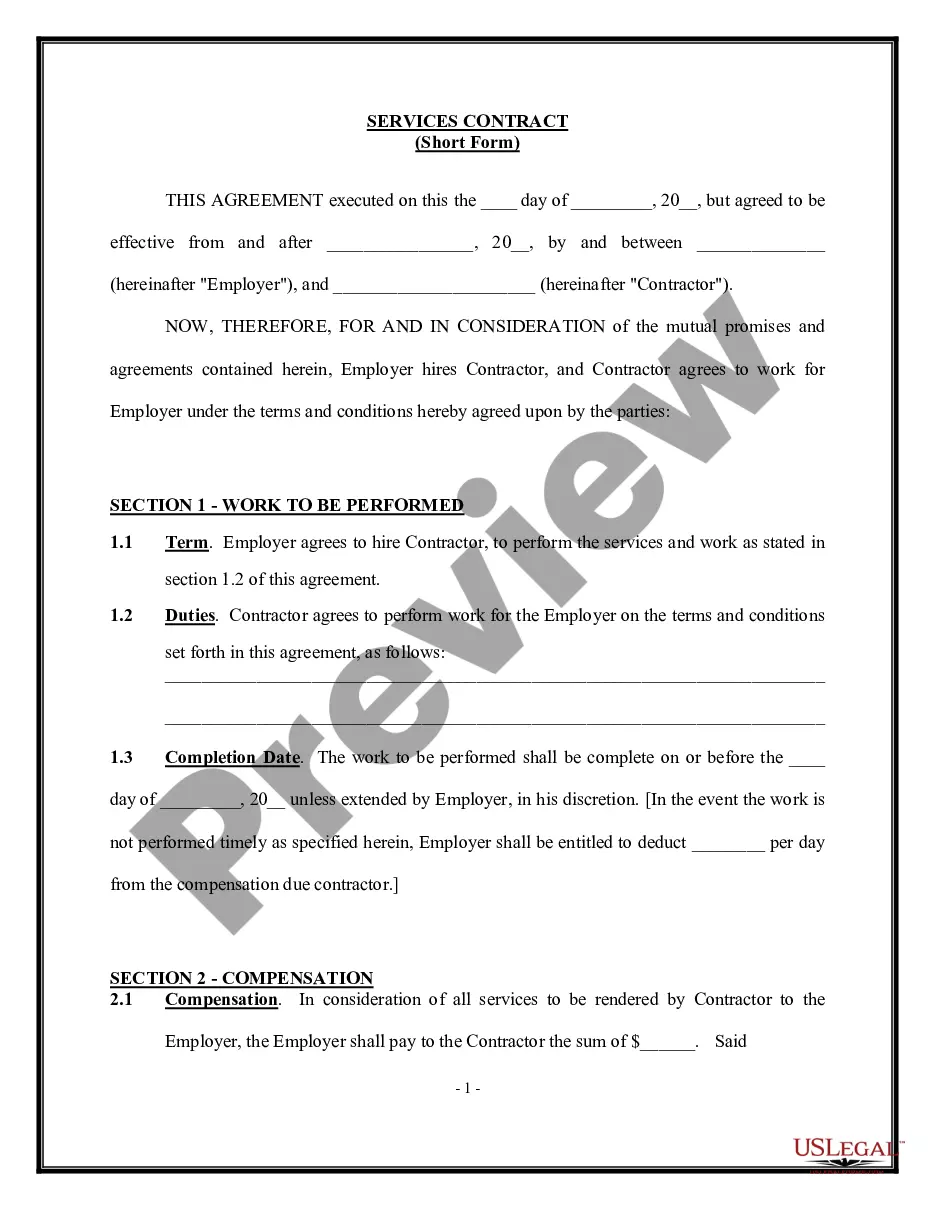
Get your form ready online
Our built-in tools help you complete, sign, share, and store your documents in one place.
Make edits, fill in missing information, and update formatting in US Legal Forms—just like you would in MS Word.
Download a copy, print it, send it by email, or mail it via USPS—whatever works best for your next step.
Sign and collect signatures with our SignNow integration. Send to multiple recipients, set reminders, and more. Go Premium to unlock E-Sign.
If this form requires notarization, complete it online through a secure video call—no need to meet a notary in person or wait for an appointment.
We protect your documents and personal data by following strict security and privacy standards.

Make edits, fill in missing information, and update formatting in US Legal Forms—just like you would in MS Word.

Download a copy, print it, send it by email, or mail it via USPS—whatever works best for your next step.

Sign and collect signatures with our SignNow integration. Send to multiple recipients, set reminders, and more. Go Premium to unlock E-Sign.

If this form requires notarization, complete it online through a secure video call—no need to meet a notary in person or wait for an appointment.

We protect your documents and personal data by following strict security and privacy standards.
Looking for another form?


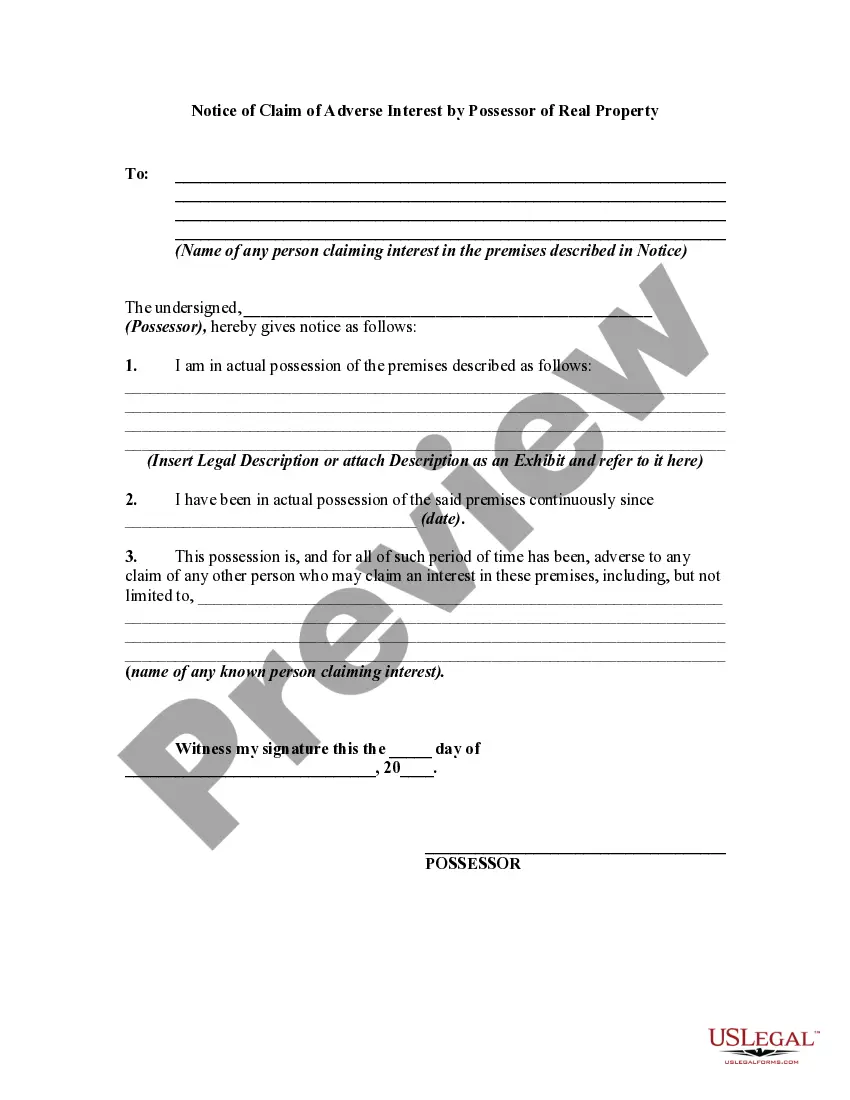




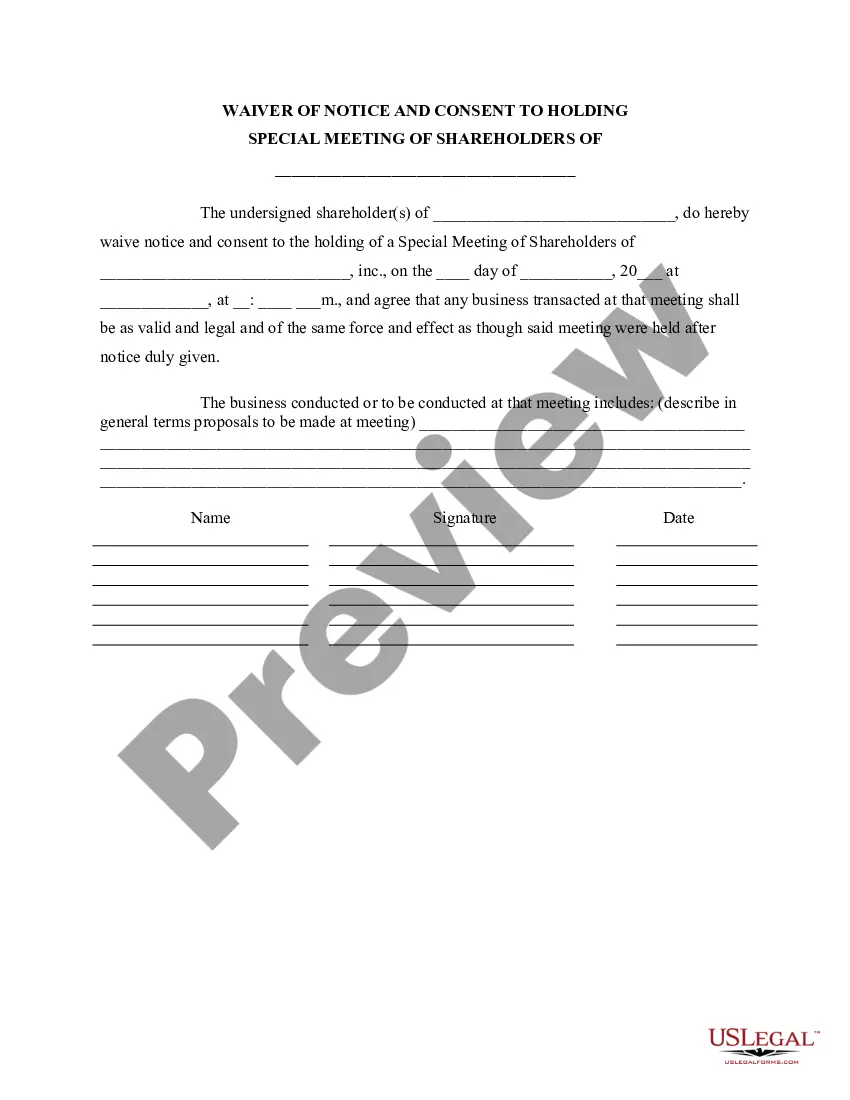

Form popularity
FAQ
Small claims court is a court of limited jurisdiction. It can only hear and decide cases that claim damages of $10,000 or less. Limited civil courts can only hear and decide cases for up to $25,000. While these are heard in California superior courts, the judge has to follow the jurisdictional limits in these cases.
In 1998, California unified their superior and municipal courts into a single superior court with jurisdiction over all case types. Each of California's 58 counties has one Superior Court which are considered courts of general jurisdiction.
This site allows for the electronic filing of documents Unlimited Civil, including Complex, Limited Civil, Unlawful Detainers and Small Claims cases with the Riverside Superior Court. Please read the Riverside Superior Court General Order re: Electronic Filing for Civil .
Write the contract in six steps Start with a contract template. Open with the basic information. Describe in detail what you have agreed to. Include a description of how the contract will be ended. Write into the contract which laws apply and how disputes will be resolved. Include space for signatures.
How to create an LLC operating agreement in 9 steps Decide between a template or an attorney. Include your business information. List your LLC's members. Choose a management structure. Outline ownership transfers and dissolution. Determine tax structure. Gather LLC members to sign the agreement. Distribute copies.
Contracts governing all other types of transactions, including real estate transactions and employment agreements, are governed by what is known as the “common law.” These sets of rules vary ing to the state in which a business operates, and they are created largely through the decisions of courts and judges.
To be legally binding a contract must include an offer, acceptance, and consideration. The contract should be in writing. There is no requirement for the involvement of a third person.
Contract law, the field of the law of obligations concerned with contracts, is based on the principle that agreements must be honoured. Like other areas of private law, contract law varies between jurisdictions.
Business law covers a wide range of topics such as contracts, property rights, corporate governance, taxes, business formation and dissolution, consumer protection, environmental regulations, and many more.
There are four essential elements of forming a contract: offer, acceptance, consideration, and intention to create legal relations. Beyond this, the terms of the contract must also be unambiguous, and the parties must have the mental capacity to agree.
