A Protective Covenant For Clues In Georgia
Description
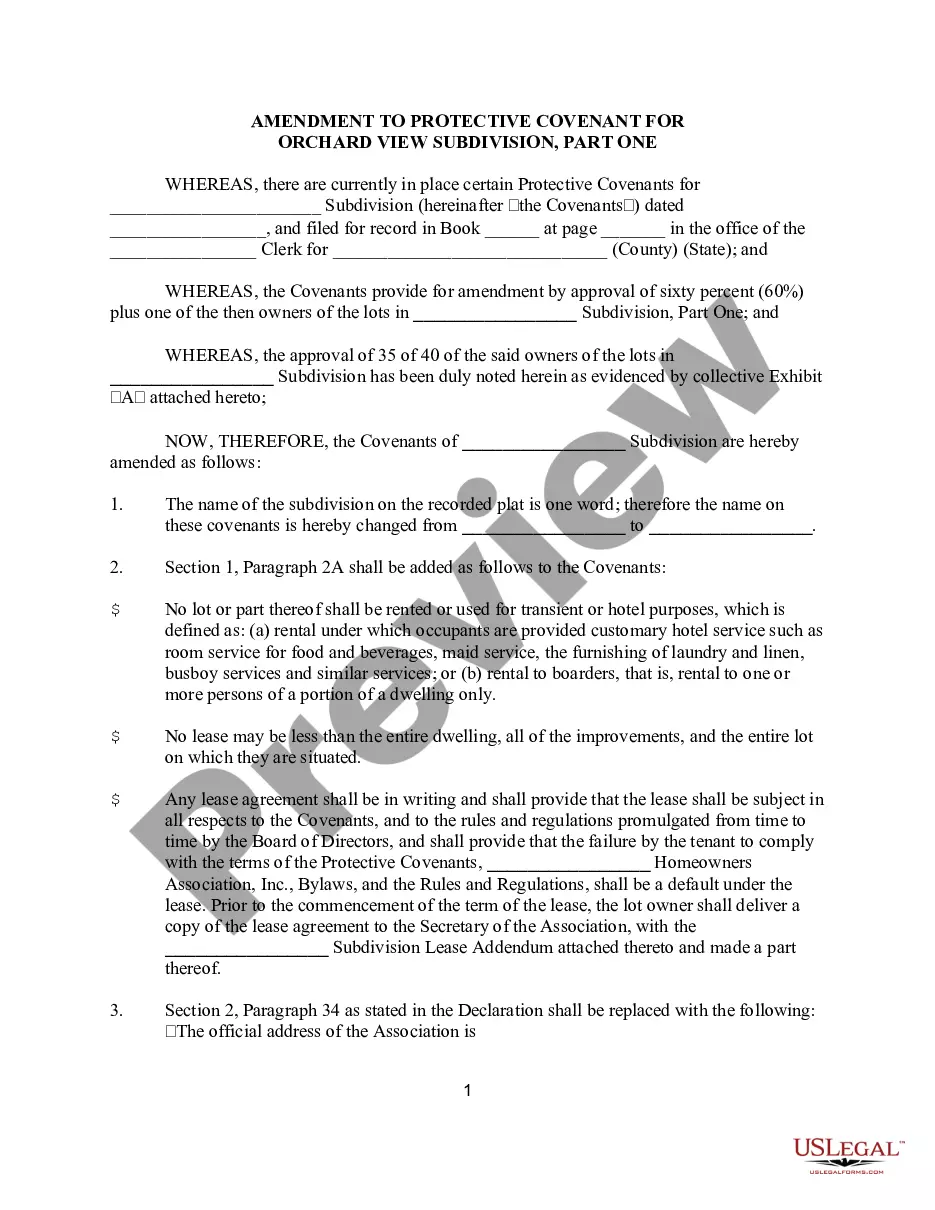
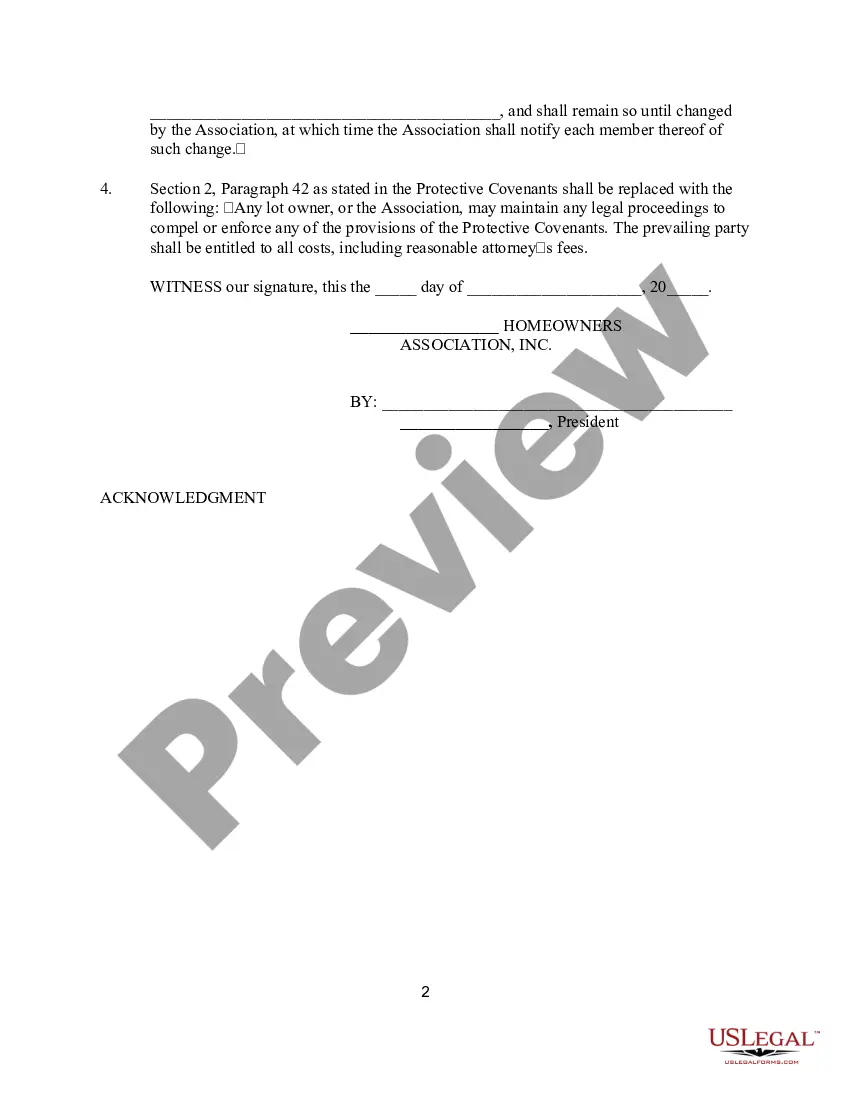
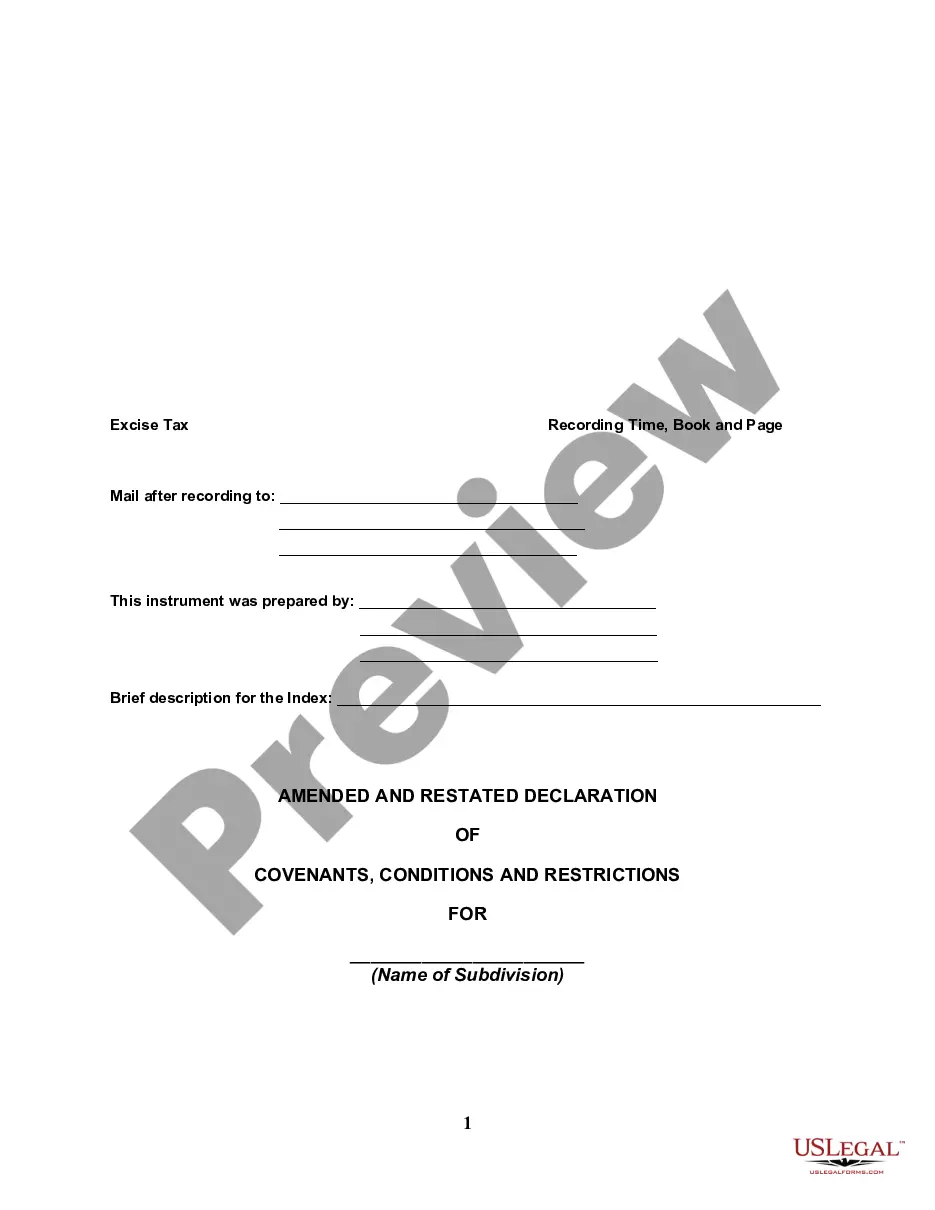
Get your form ready online
Our built-in tools help you complete, sign, share, and store your documents in one place.
Make edits, fill in missing information, and update formatting in US Legal Forms—just like you would in MS Word.
Download a copy, print it, send it by email, or mail it via USPS—whatever works best for your next step.
Sign and collect signatures with our SignNow integration. Send to multiple recipients, set reminders, and more. Go Premium to unlock E-Sign.
If this form requires notarization, complete it online through a secure video call—no need to meet a notary in person or wait for an appointment.
We protect your documents and personal data by following strict security and privacy standards.

Make edits, fill in missing information, and update formatting in US Legal Forms—just like you would in MS Word.

Download a copy, print it, send it by email, or mail it via USPS—whatever works best for your next step.

Sign and collect signatures with our SignNow integration. Send to multiple recipients, set reminders, and more. Go Premium to unlock E-Sign.

If this form requires notarization, complete it online through a secure video call—no need to meet a notary in person or wait for an appointment.

We protect your documents and personal data by following strict security and privacy standards.
Looking for another form?










Form popularity
FAQ
A covenant never to sue is equivalent to a release as is a bond to indemnify a debtor against his own debt. (Orig. Code 1863, § 2802; Code 1868, § 2810; Code 1873, § 2861; Code 1882, § 2861; Civil Code 1895, § 3714; Civil Code 1910, § 4308; Code 1933, § 20-909.)
Penalties for Violating Georgia's Move Over Law Fines: Offenders can face fines up to $500, depending on the circumstances and county. Points on Your License: A violation adds 3 points to your driving record.
Before this new law, almost all convictions stayed on your record for life. As of 2021, you can now petition the court to restrict and seal (expunge) certain convictions from your record. Many pardoned felonies are included.
Perpetual Duration: Prior to 1993, Georgia law generally provided that covenants expire after 20 years. In 1994, the law was amended to permit covenants to automatically renew. Yet, Georgia courts have subsequently held that covenants in communities recorded prior to 1994 do not receive the benefit of the 1994 law.
No discovery shall be had unless ordered by the court for good cause. In addition, the superior court shall be authorized to issue a summary ruling on the conveyance of any intended common areas or other property in the common interest community to the association or other appropriate entity.
Protective covenants, also known as restrictive covenants, are legal obligations embedded in the deed of a property. These covenants are agreements between property owners that impose certain restrictions or requirements on the use of the land.
Are non-compete provisions enforceable in Georgia? Yes. But under the Old Law it was and is very difficult to do so. 85-90% of such agreements we review are, in fact, not enforceable.
Although they are generally referred to collectively as restrictive, or restrictive and protective, covenants, there are two types of such covenants: (i) restrictions on the use of the property, and (ii) affirmative obligations imposed on the owner of the properties.
The two categories of covenants are a conditional covenant, in which each party promises to uphold certain terms lest the covenant is broken, and an unconditional covenant, in which the covenant cannot be broken.
A real covenant is only enforceable if it was created intentionally, it relates to the property in question, and two kinds of privity are established. Additionally, a real covenant must be in writing. The party capable of enforcing the covenant depends on whether the burden or the benefit runs with the land.
