Restrictive Covenants For Independent Contractor In Washington
Description

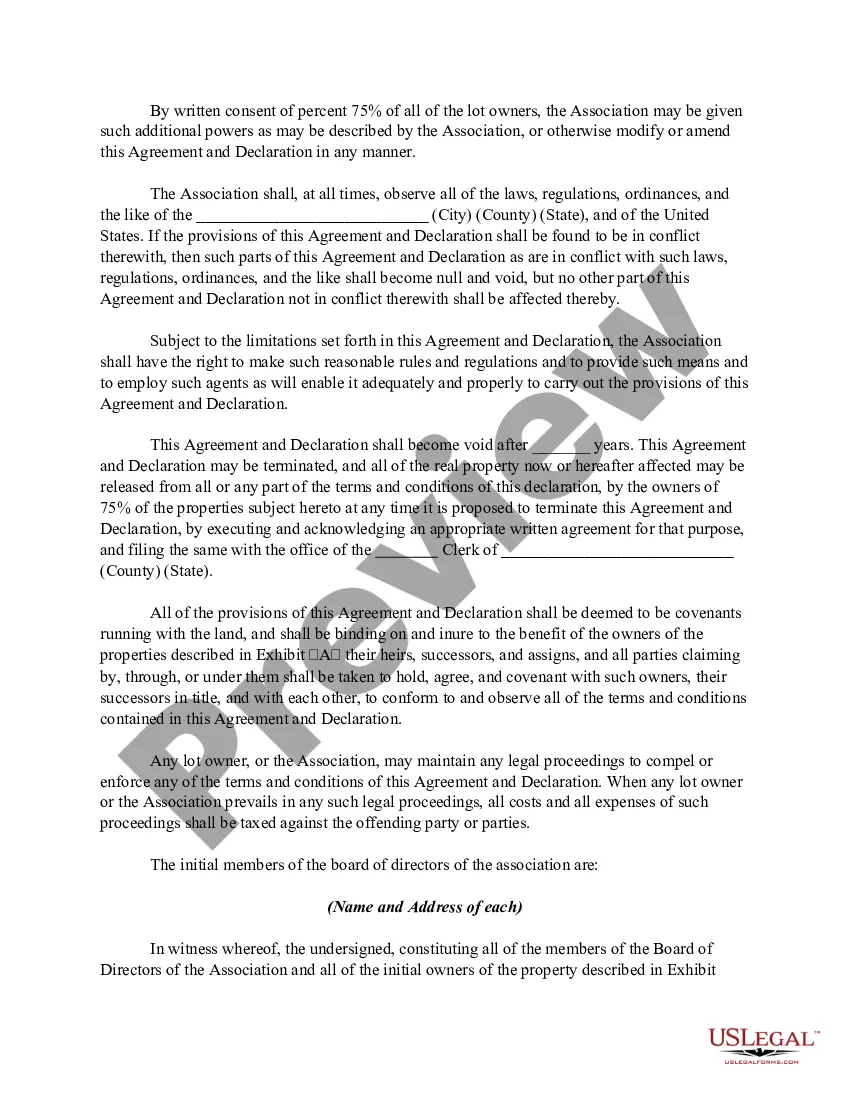
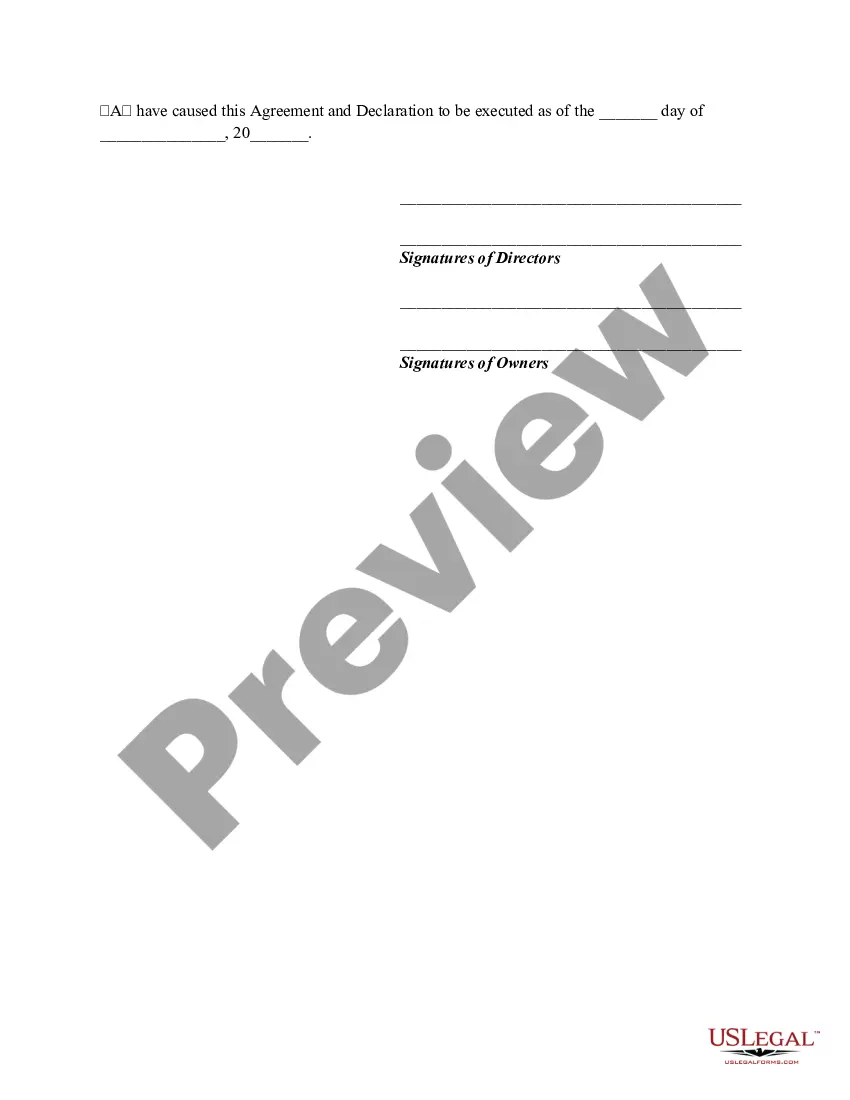
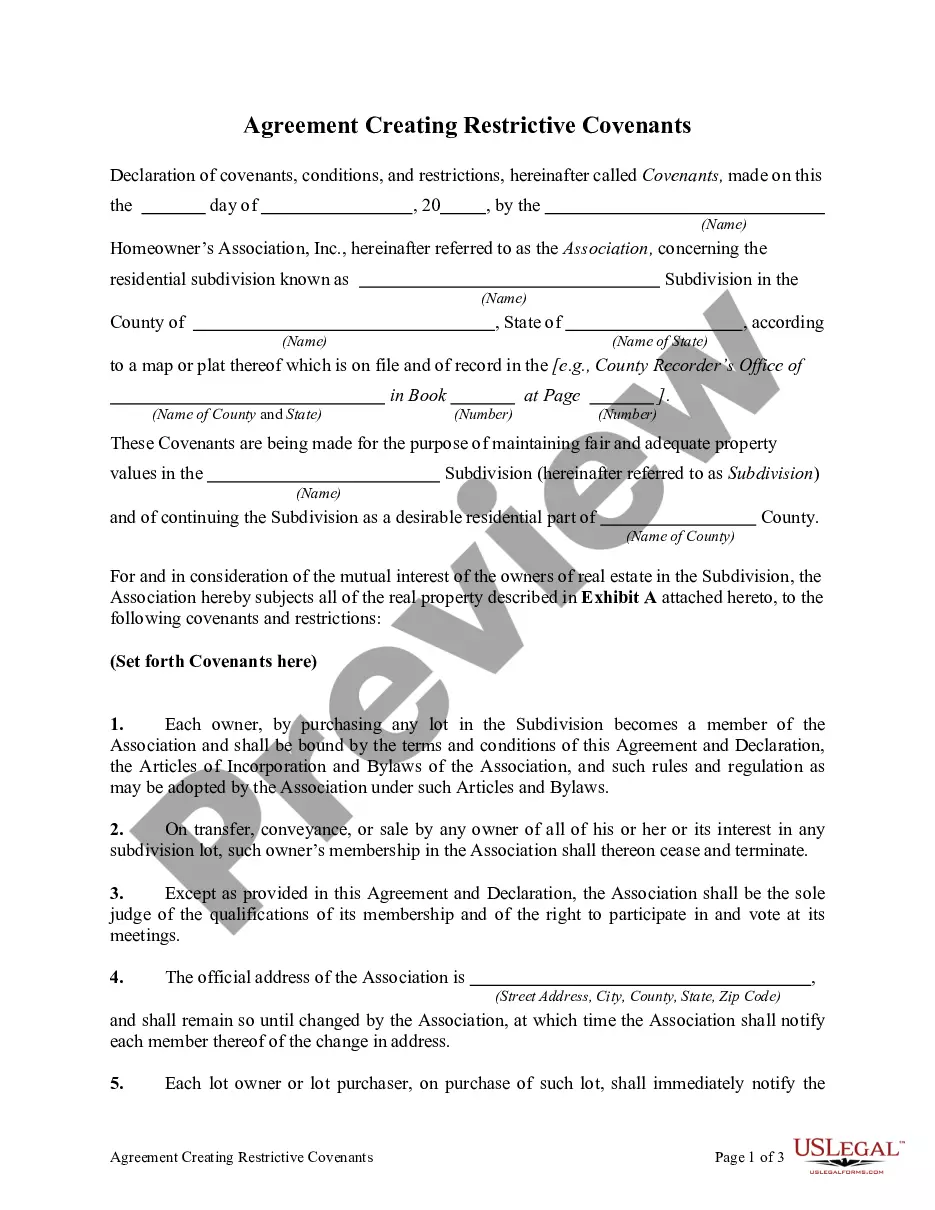
Get your form ready online
Our built-in tools help you complete, sign, share, and store your documents in one place.
Make edits, fill in missing information, and update formatting in US Legal Forms—just like you would in MS Word.
Download a copy, print it, send it by email, or mail it via USPS—whatever works best for your next step.
Sign and collect signatures with our SignNow integration. Send to multiple recipients, set reminders, and more. Go Premium to unlock E-Sign.
If this form requires notarization, complete it online through a secure video call—no need to meet a notary in person or wait for an appointment.
We protect your documents and personal data by following strict security and privacy standards.

Make edits, fill in missing information, and update formatting in US Legal Forms—just like you would in MS Word.

Download a copy, print it, send it by email, or mail it via USPS—whatever works best for your next step.

Sign and collect signatures with our SignNow integration. Send to multiple recipients, set reminders, and more. Go Premium to unlock E-Sign.

If this form requires notarization, complete it online through a secure video call—no need to meet a notary in person or wait for an appointment.

We protect your documents and personal data by following strict security and privacy standards.
Looking for another form?









Form popularity
FAQ
As the owner of a structure, whether private residence, office building, or apartment complex, you are allowed to act as your own general contractor as long as the person hired to work for you (such as a subcontractor) has a contractor licensed and bonded by the Department of Labor and Industry of the State of ...
Washington has severely restricted non-competition agreements since 2020 when a new state law took effect. This law includes rules on anti-moonlighting policies and provisions: No Moonlighting Restrictions for Low Wage Workers, Unless an Exception Applies.
The general rule is that an individual is an independent contractor if the person for whom the services are performed has the right to control or direct only the result of the work and not what will be done and how it will be done. If you are an independent contractor, then you are self-employed.
Ing to its website, the 2025 threshold for employees is $123,394.17. Washington maintains a higher income threshold for independent contractors, which increases to $308,485.43 in 2025.
Only employees or independent contractors who earn more than the thresholds established by law can be held to non-competition agreements. If an employee or independent contractor has earnings less than the threshold specified under law, the non-compete agreements is considered void and unenforceable under RCW 49.62.
Ingly, if, for example, a restrictive covenant between employer and employee includes a five-year term, the covenant is unlikely to be deemed enforceable by a court. In the sale of business context, courts typically are more willing to enforce covenants lasting longer than 1-2 years.
The short answer is no, not yet, but their future looks uncertain. In this update we have a look at developments affecting restrictive covenants across various jurisdictions around the globe and what multinational employers should know.
Washington has severely restricted non-competition agreements since 2020 when a new state law took effect. This law includes rules on anti-moonlighting policies and provisions: No Moonlighting Restrictions for Low Wage Workers, Unless an Exception Applies.
The primary remedy for breach of a Restrictive Covenant is a permanent injunction to restrain the breach. However, the courts have jurisdiction to award damages instead of an injunction.
A real covenant is only enforceable if it was created intentionally, it relates to the property in question, and two kinds of privity are established. Additionally, a real covenant must be in writing. The party capable of enforcing the covenant depends on whether the burden or the benefit runs with the land.
