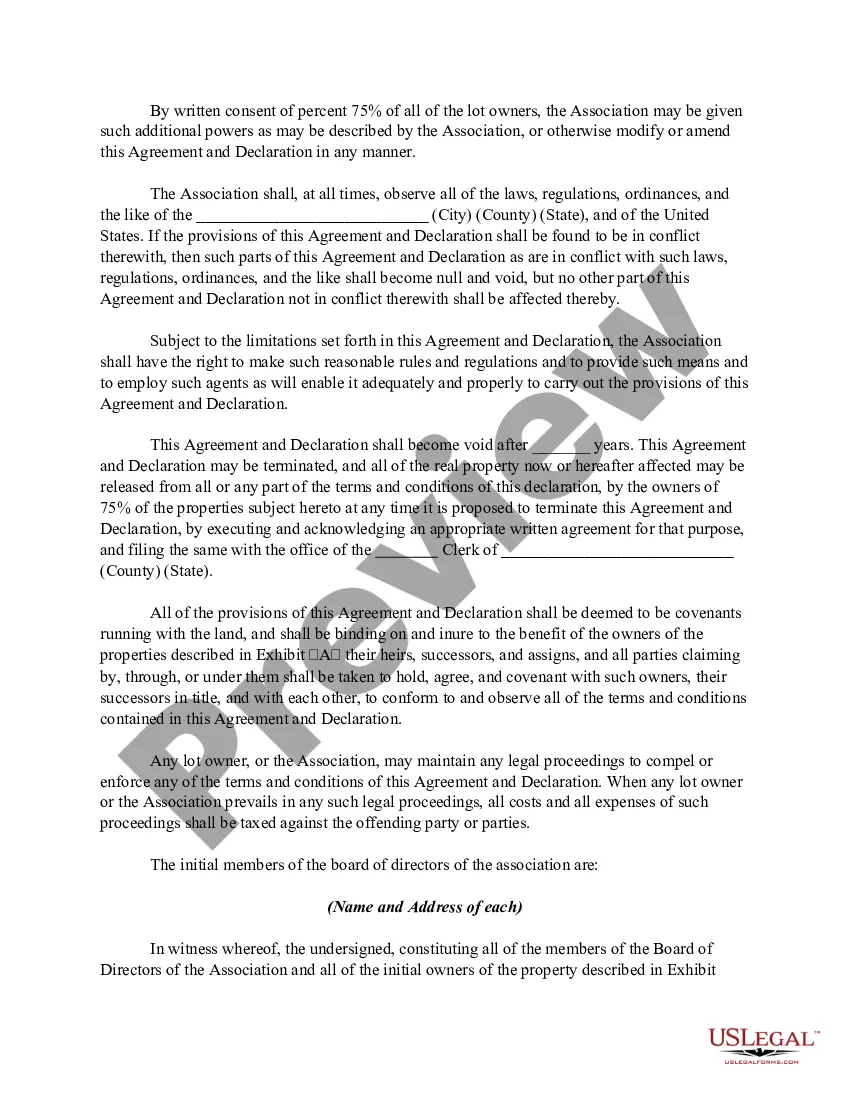
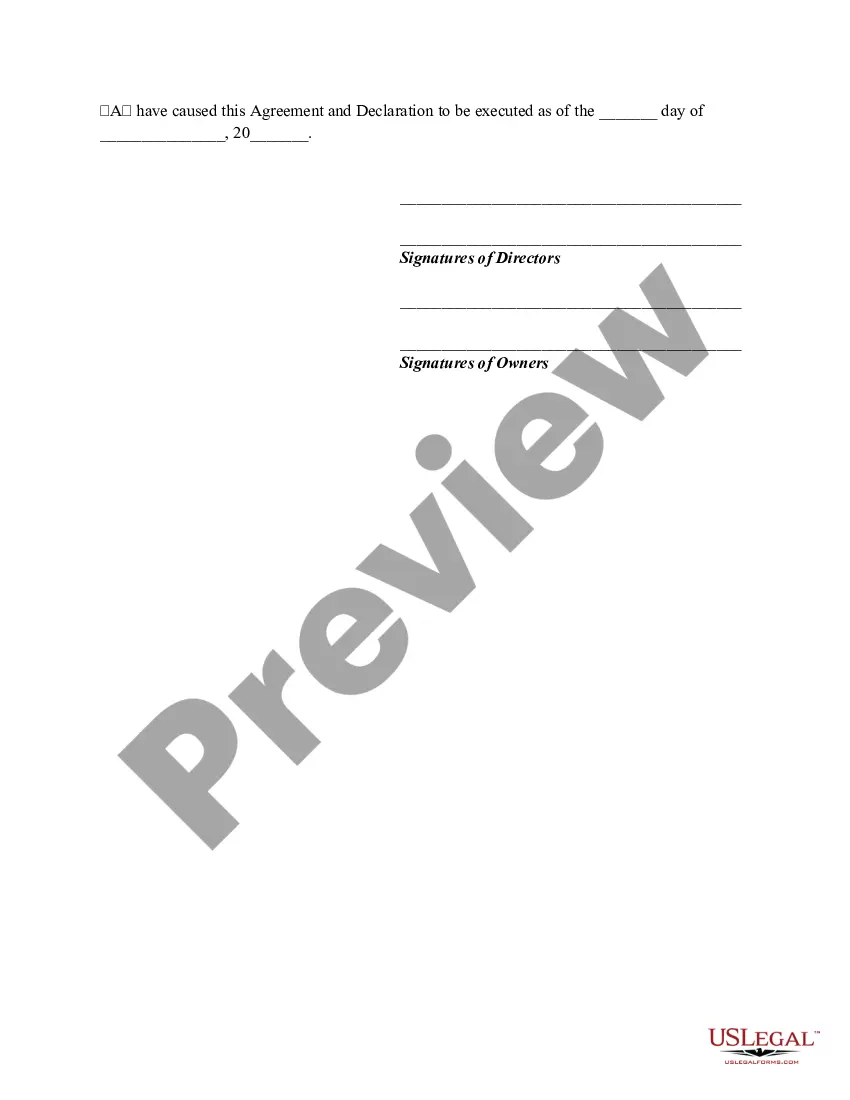
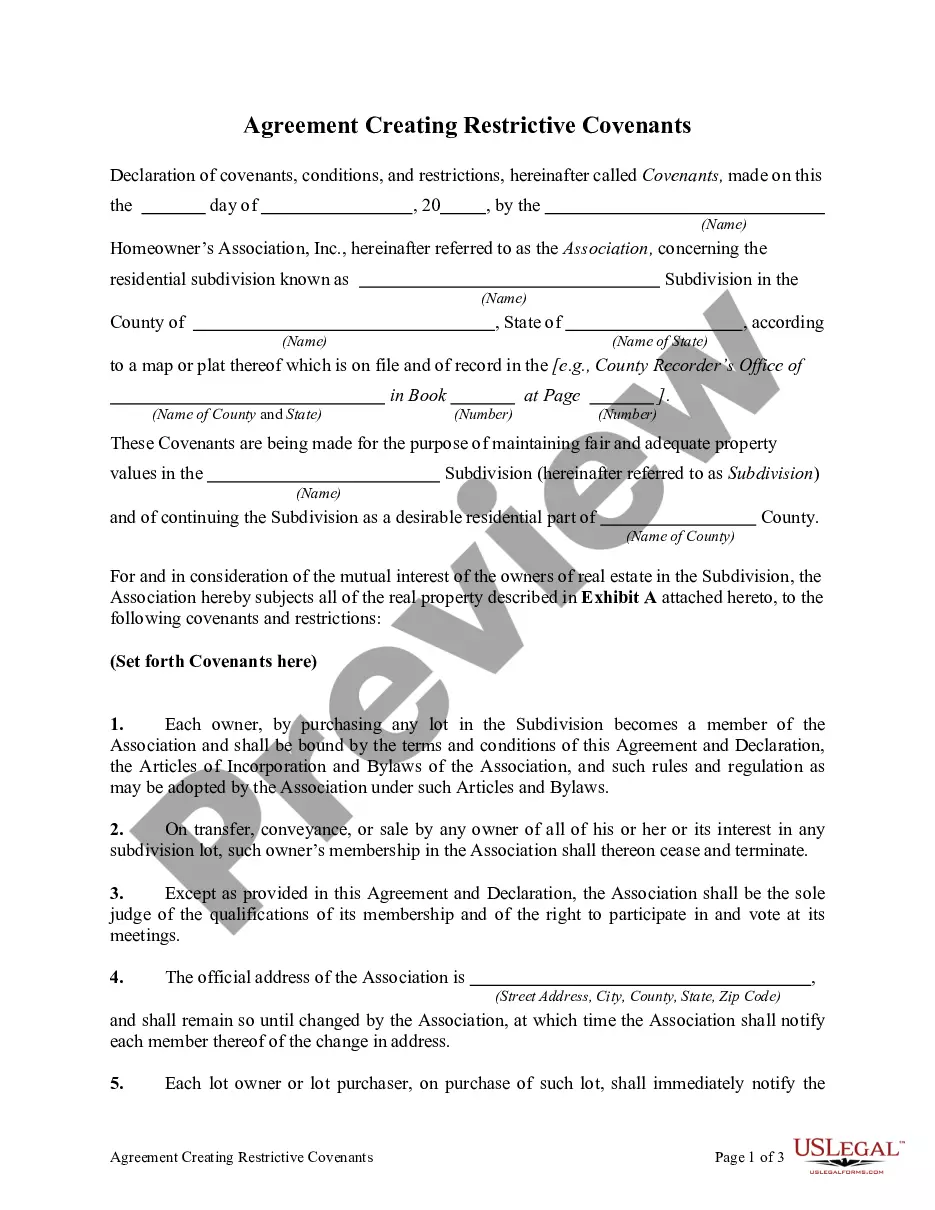
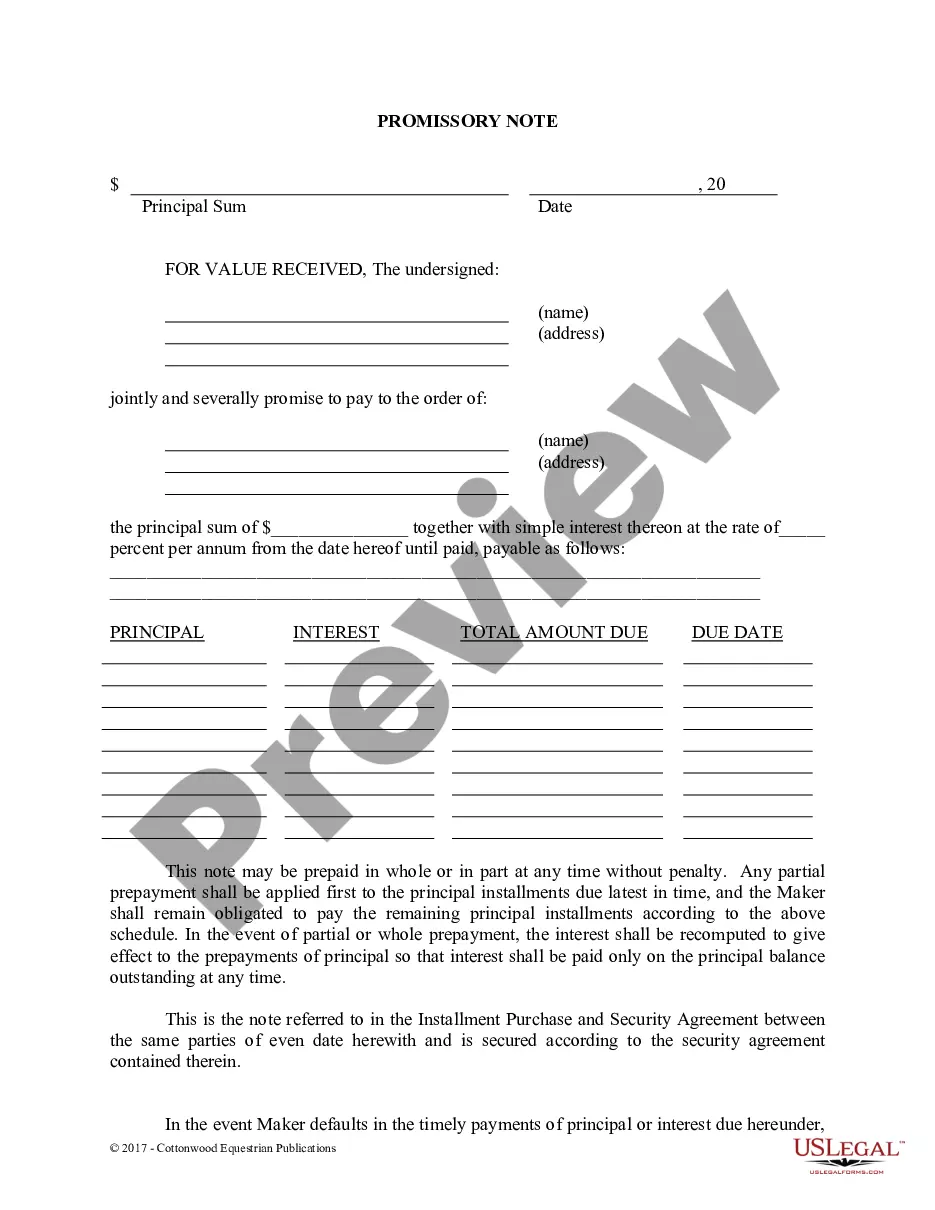
Covenants Form For Hoa In San Antonio
Description

Get your form ready online
Our built-in tools help you complete, sign, share, and store your documents in one place.
Make edits, fill in missing information, and update formatting in US Legal Forms—just like you would in MS Word.
Download a copy, print it, send it by email, or mail it via USPS—whatever works best for your next step.
Sign and collect signatures with our SignNow integration. Send to multiple recipients, set reminders, and more. Go Premium to unlock E-Sign.
If this form requires notarization, complete it online through a secure video call—no need to meet a notary in person or wait for an appointment.
We protect your documents and personal data by following strict security and privacy standards.

Make edits, fill in missing information, and update formatting in US Legal Forms—just like you would in MS Word.

Download a copy, print it, send it by email, or mail it via USPS—whatever works best for your next step.

Sign and collect signatures with our SignNow integration. Send to multiple recipients, set reminders, and more. Go Premium to unlock E-Sign.

If this form requires notarization, complete it online through a secure video call—no need to meet a notary in person or wait for an appointment.

We protect your documents and personal data by following strict security and privacy standards.
Looking for another form?







Form popularity
FAQ
Before filing a legal claim be sure this issue doesn't fall under the Texas 4-year statute of limitations for covenant enforcement. If it has been a long-term, lingering violation the owner may have a statute of limitation defense, which is why it's critical to address violations as they occur.
Disclosure Requirements Disclosure is mandated by law, often through public records and real property records. Before purchasing a home, buyers must receive a set of documents detailing the HOA's health, such as its covenants, conditions, restrictions, bylaws, rules, and financial statements.
Texas law places limits on HOA power, including restrictions on their ability to prohibit certain types of construction like solar panels and rules against unreasonable fines or foreclosure practices. The exact limitations are outlined in state statutes, which are intended to protect homeowners' rights.
Homeowners associations in Texas must be incorporated as nonprofit organizations under the Texas Nonprofit Corporation Act. Meanwhile, inium associations may be organized as for-profit or nonprofit corporations. The association must file the Articles of Incorporation with the Texas Secretary of State.
As a general rule, the statute of limitations on HOA assessments in Texas is currently four years from the date the assessment becomes due.
House Bill 614 guarantees your right to a hearing before the HOA board to contest the violation or the proposed fine. This ensures a fair and transparent process where you can voice your concerns and advocate for your interests.
For example, the statute of limitations for covenant enforcement in Texas is 4 years. The statute of limitations is important because it determines the validity of the HOA's enforcement of a lien, as the association must enforce the lien within the given time period or else it will no longer be enforceable by law.
No, the HOA cannot enter your property without permission.
An HOA in Texas may access a resident's home as needed for the upkeep of shared utilities or common spaces. Although the home itself might not require maintenance by the HOA, some areas, such as balconies, may.
In summary, there is no case where HOA rules override state law. Considering the hierarchy, federal, state, and local laws always take precedence over an association's rules. Board members should have a solid grasp of these laws. In doing so, they can protect the HOA and mitigate the risk of liability.