Covenants Form For Yahoo In Minnesota
Description

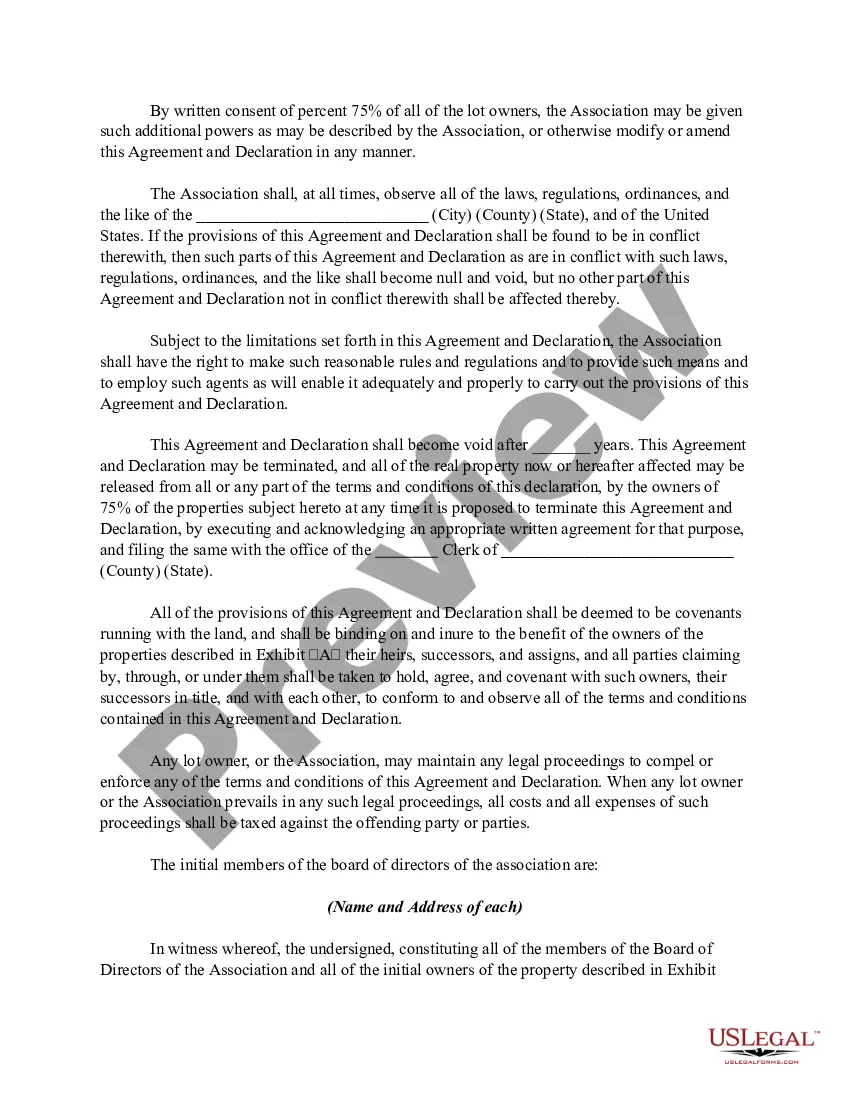
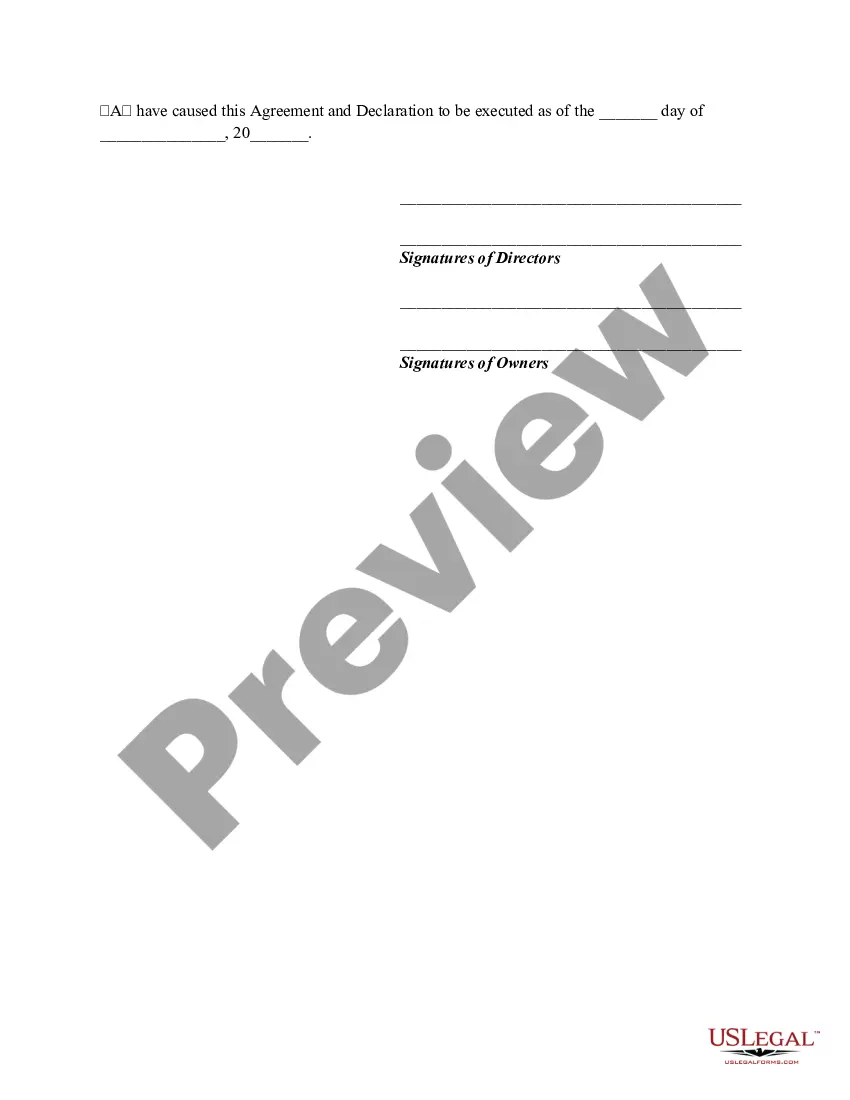
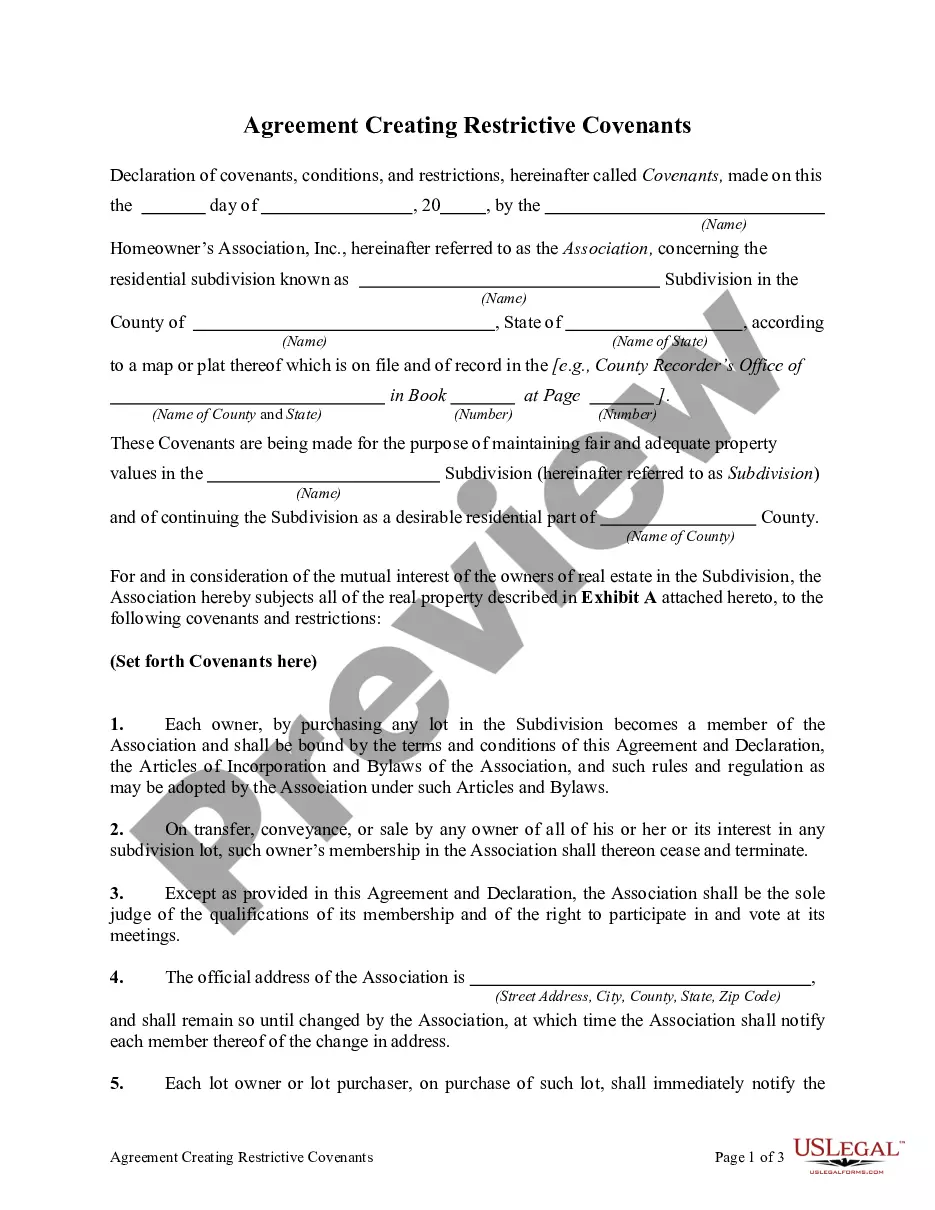
Get your form ready online
Our built-in tools help you complete, sign, share, and store your documents in one place.
Make edits, fill in missing information, and update formatting in US Legal Forms—just like you would in MS Word.
Download a copy, print it, send it by email, or mail it via USPS—whatever works best for your next step.
Sign and collect signatures with our SignNow integration. Send to multiple recipients, set reminders, and more. Go Premium to unlock E-Sign.
If this form requires notarization, complete it online through a secure video call—no need to meet a notary in person or wait for an appointment.
We protect your documents and personal data by following strict security and privacy standards.

Make edits, fill in missing information, and update formatting in US Legal Forms—just like you would in MS Word.

Download a copy, print it, send it by email, or mail it via USPS—whatever works best for your next step.

Sign and collect signatures with our SignNow integration. Send to multiple recipients, set reminders, and more. Go Premium to unlock E-Sign.

If this form requires notarization, complete it online through a secure video call—no need to meet a notary in person or wait for an appointment.

We protect your documents and personal data by following strict security and privacy standards.
Looking for another form?







Form popularity
FAQ
Some of the most common restrictive covenants include: Alterations and extensions to the building. Changes to the use of a property, for example, converting a building into flats or turning a house into business premises. Rent and lease restrictions. Limitations on pets. Limitations on home colour.
And grantee. As well as a description of the property being transferred Once the form is completed.MoreAnd grantee. As well as a description of the property being transferred Once the form is completed. It must be signed by the grtor in the presence of a notary.
Discriminatory racial covenants were private covenants put into recorded documents attempting to prohibit persons of particular races or ethnic backgrounds from owning or occupying homes in certain areas, resulting in segregation within residential neighborhoods throughout the country.
Minnesota Statute § 181.9881 — Restrictive Employment Covenants; Void in Service Contracts — prohibits on a go-forward basis service providers from restricting “in any way a customer from directly or indirectly soliciting or hiring an employee of a service provider.”
How do I challenge a restrictive covenant? Express release: It may be possible to negotiate the release or variation of a restrictive covenant. Indemnity insurance: It is possible to obtain indemnity insurance to protect against the risk of a person with the benefit of a restrictive covenant seeking to enforce it.
Racial covenants are clauses that were inserted into property deeds to prevent people who were not white from buying or occupying land. These covenants served as legally enforceable contracts.
How do I find out if there is a racial covenant on my property? Residents of Hennepin, Ramsey and Dakota counties can use a tool created by the Mapping Prejudice project to find covenants on their property. Residents in other places need to consult their county for historical property records.
Minnesota Deed Transfer A general warranty deed is used to transfer an interest in real estate in Minnesota in most real estate transactions. A Minnesota warranty deed conveys real property with warranty covenants to the buyer. It requires an acknowledgement of the grantor's signature.