Restrictive Covenants Without Hoa In Cuyahoga
Description

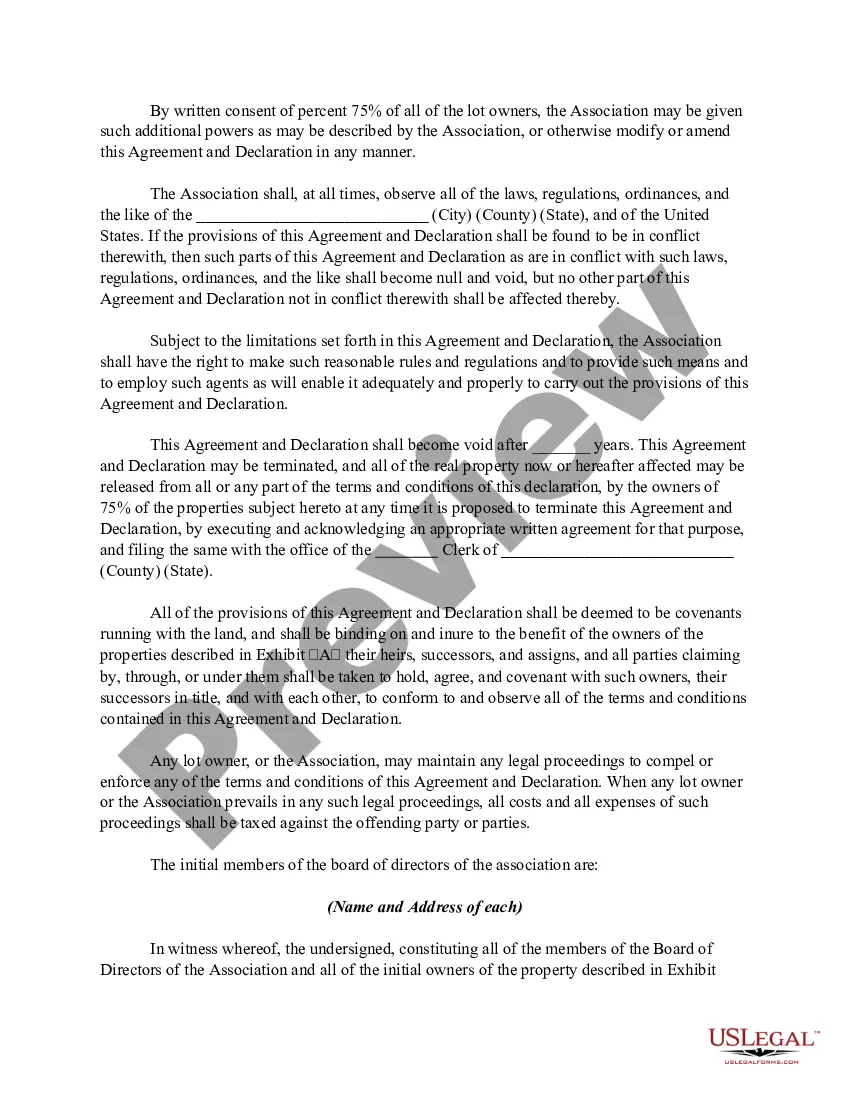
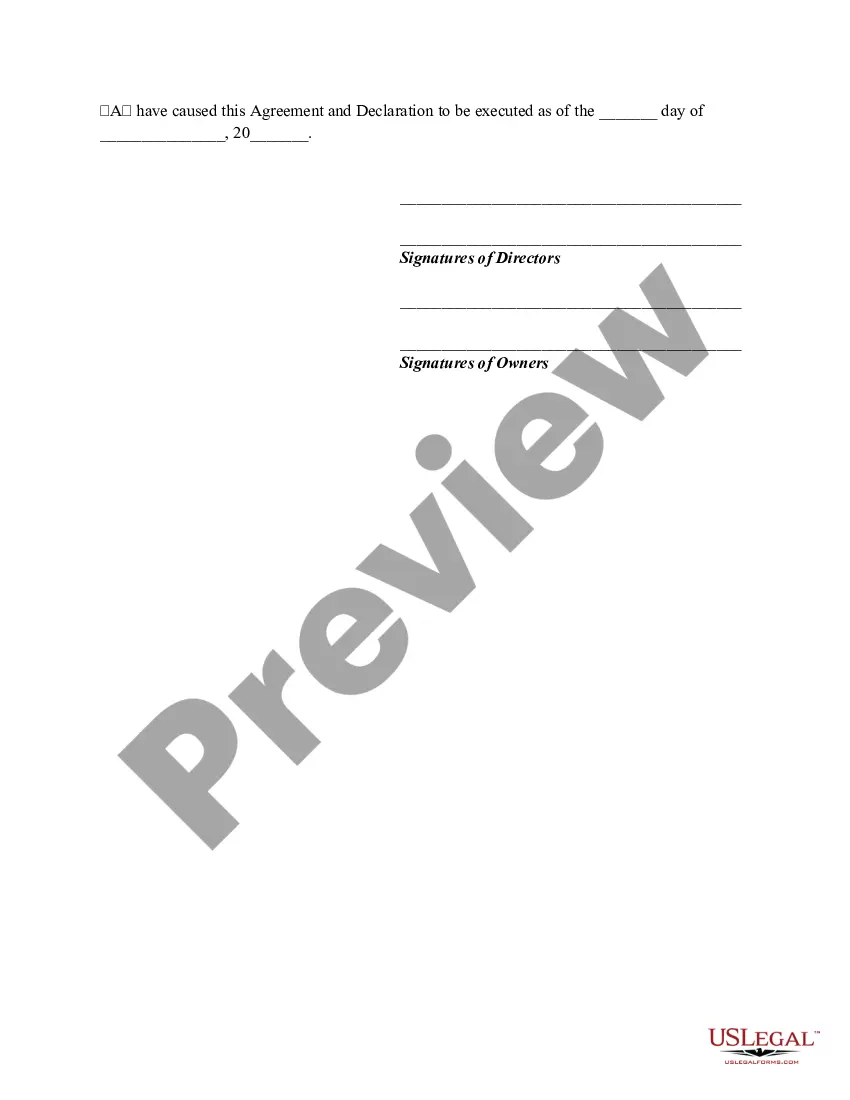
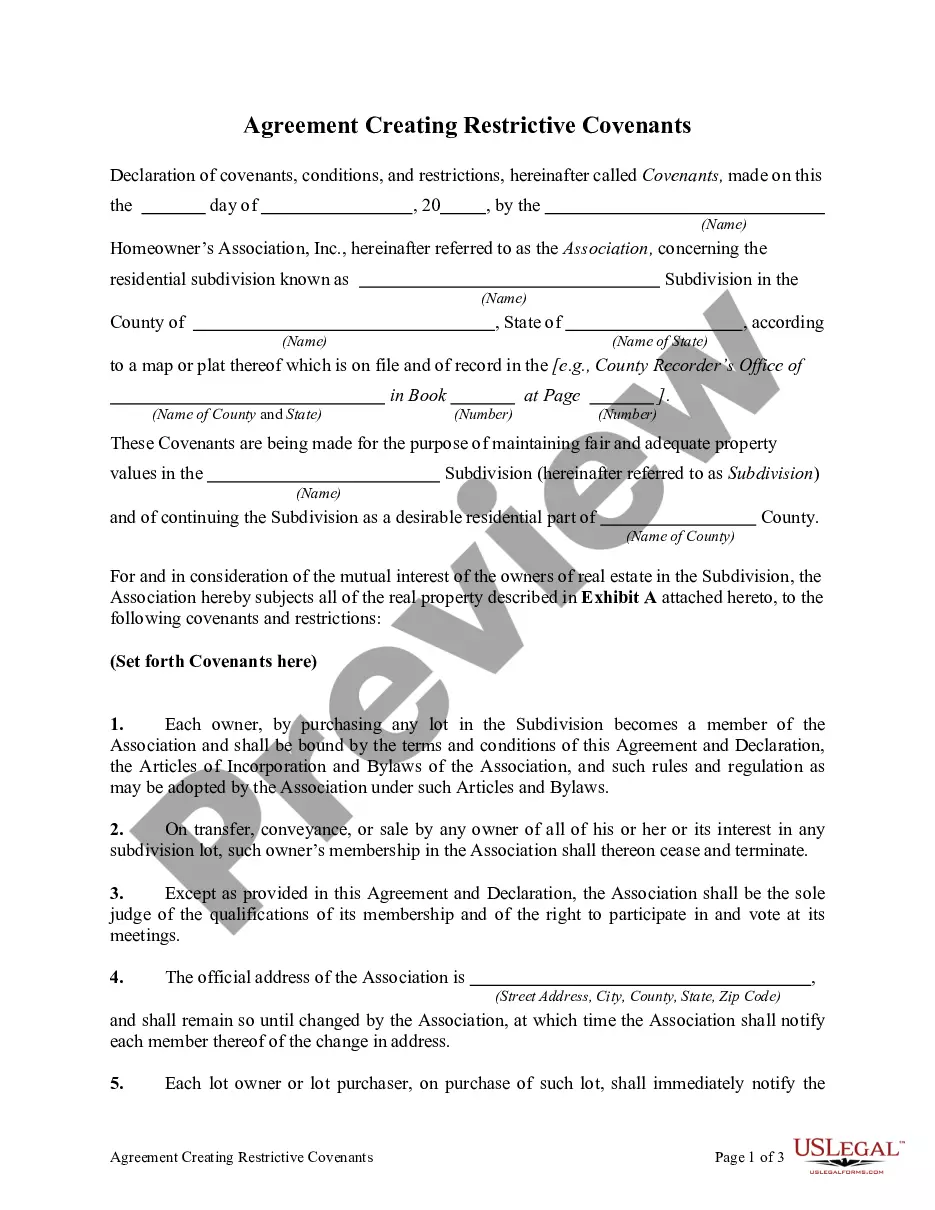
Get your form ready online
Our built-in tools help you complete, sign, share, and store your documents in one place.
Make edits, fill in missing information, and update formatting in US Legal Forms—just like you would in MS Word.
Download a copy, print it, send it by email, or mail it via USPS—whatever works best for your next step.
Sign and collect signatures with our SignNow integration. Send to multiple recipients, set reminders, and more. Go Premium to unlock E-Sign.
If this form requires notarization, complete it online through a secure video call—no need to meet a notary in person or wait for an appointment.
We protect your documents and personal data by following strict security and privacy standards.

Make edits, fill in missing information, and update formatting in US Legal Forms—just like you would in MS Word.

Download a copy, print it, send it by email, or mail it via USPS—whatever works best for your next step.

Sign and collect signatures with our SignNow integration. Send to multiple recipients, set reminders, and more. Go Premium to unlock E-Sign.

If this form requires notarization, complete it online through a secure video call—no need to meet a notary in person or wait for an appointment.

We protect your documents and personal data by following strict security and privacy standards.
Looking for another form?

Form popularity
FAQ
Send Notice Violation If the bad neighbor has clearly broken the HOA's rules and regulations, the HOA should send them an official notice violation. This informs them of their offense, which they might not even be aware of. The letter should include all the necessary details.
Here's the deal: even without an HOA, those deed restrictions still exist, and someone has to enforce them. But who? The short answer: it could be you or your neighbors. Yep, in many states, homeowners themselves can become the enforcers.
While failure to comply with an HOA does not constitute breaking the law, it's not a good idea to simply ignore them — there could be fines or other undesirable consequences. This might even include putting a lien on your home if the situation continues.
As such, they sometimes violate the rules they were elected to enforce. When this happens, it's up to residents to bring the violation(s) to the HOA. If the HOA doesn't take action, it falls into the realm of unenforceable rules, which opens up the HOA to liability, and, you guessed it, lawsuits.
What If You Do Something Without HOA Approval? If you make changes to your landscape without the approval of your Homeowners Association, it is possible that you may be asked to reverse any changes you have made. If you do not comply with the request, you could be fined.
No, an HOA cannot technically “force” you to sell your home for not following the HOA rules. However, in an extreme case it could put a lien on your home, and then choose to foreclose on the lien.
