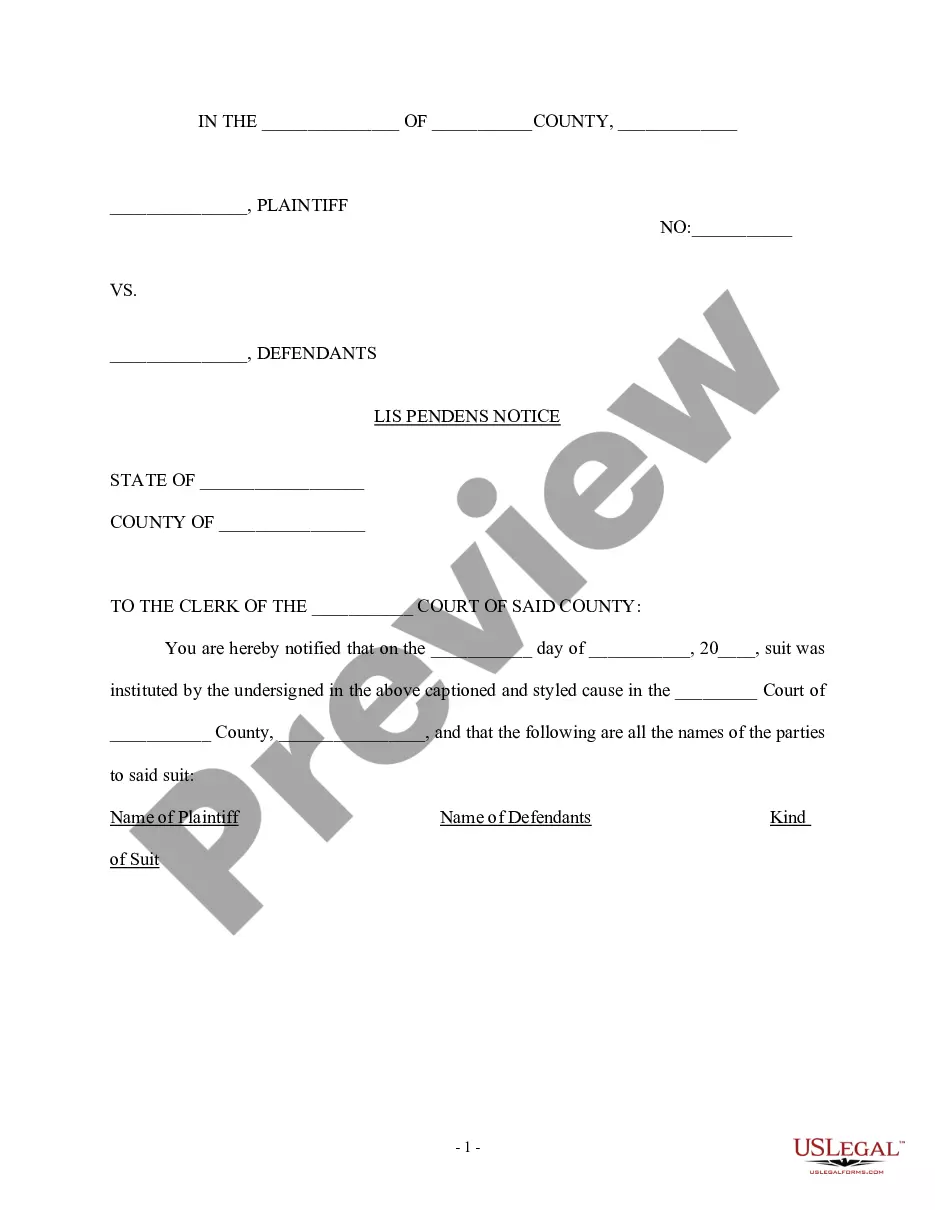
Lis Pendens Release Form With Lien In Utah
Description

Get your form ready online
Our built-in tools help you complete, sign, share, and store your documents in one place.
Make edits, fill in missing information, and update formatting in US Legal Forms—just like you would in MS Word.
Download a copy, print it, send it by email, or mail it via USPS—whatever works best for your next step.
Sign and collect signatures with our SignNow integration. Send to multiple recipients, set reminders, and more. Go Premium to unlock E-Sign.
If this form requires notarization, complete it online through a secure video call—no need to meet a notary in person or wait for an appointment.
We protect your documents and personal data by following strict security and privacy standards.

Make edits, fill in missing information, and update formatting in US Legal Forms—just like you would in MS Word.

Download a copy, print it, send it by email, or mail it via USPS—whatever works best for your next step.

Sign and collect signatures with our SignNow integration. Send to multiple recipients, set reminders, and more. Go Premium to unlock E-Sign.

If this form requires notarization, complete it online through a secure video call—no need to meet a notary in person or wait for an appointment.

We protect your documents and personal data by following strict security and privacy standards.
Looking for another form?

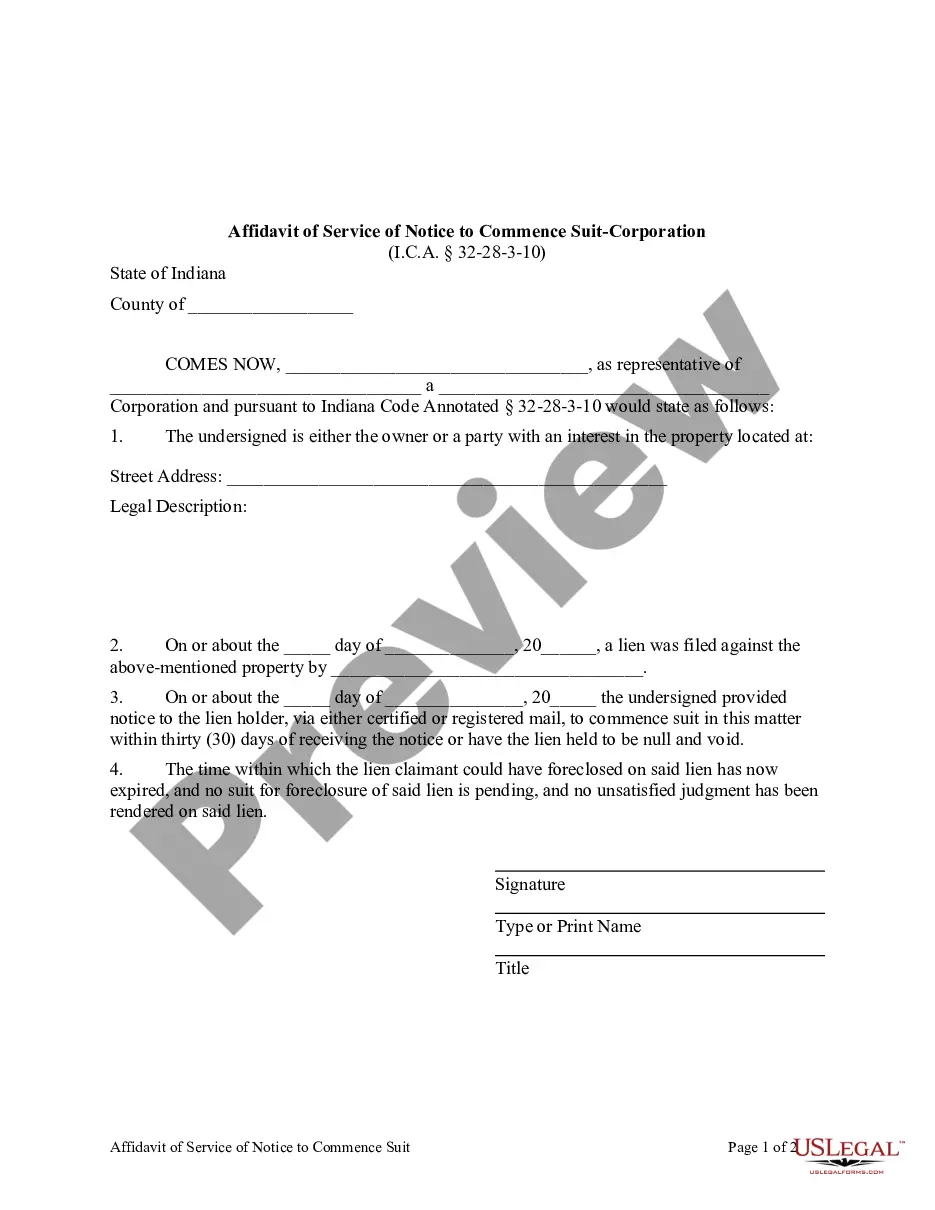




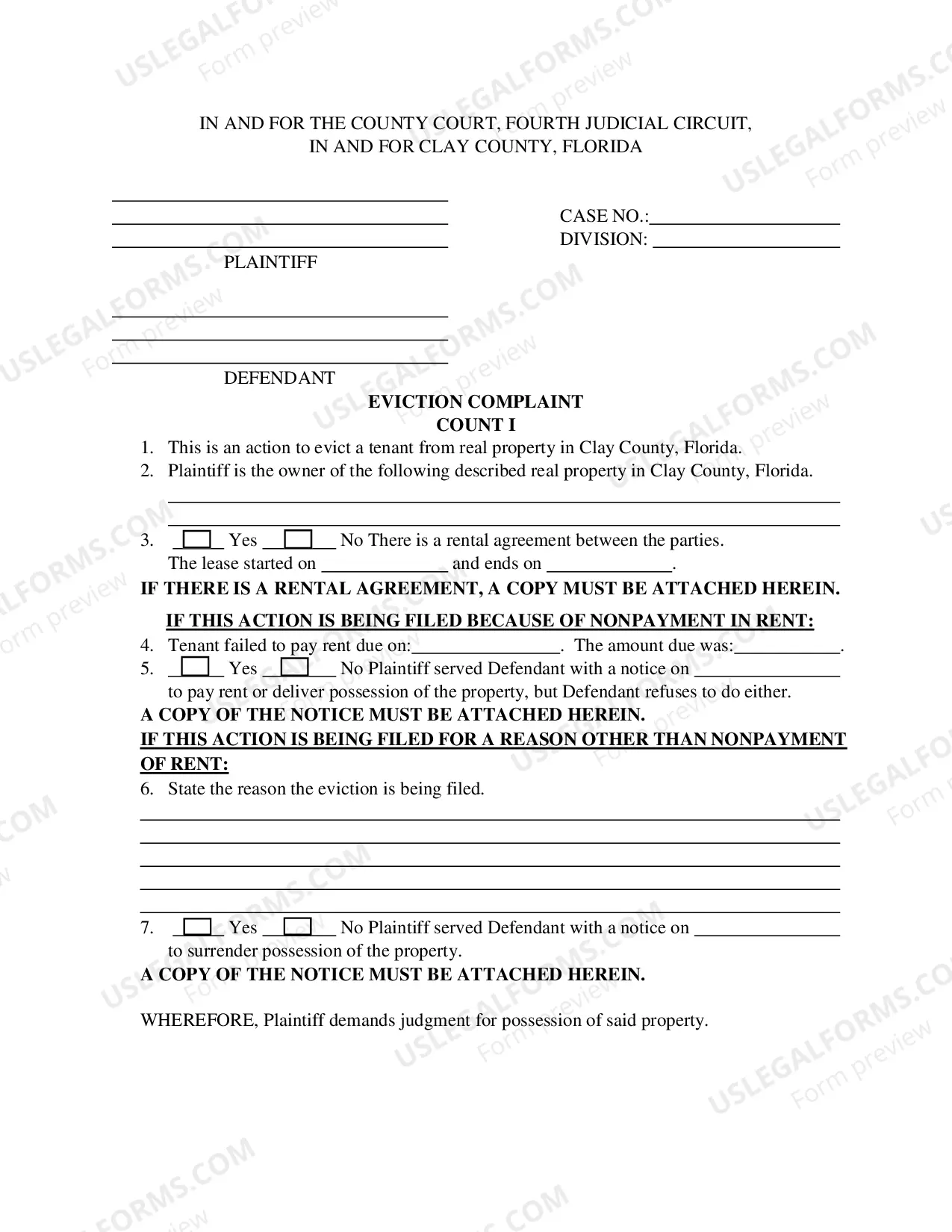


Form popularity
FAQ
If someone believes a wrongful lien has been placed on their real property, they can ask the court for an injunction to remove or "nullify" the lien by filing a petition.
Other than resolution of the pending lawsuit, the only way to remove a lis pendens is by expungement, which requires a court order from a circuit judge. If you refuse service or the action is otherwise delayed, the lis pendens remains intact, making it difficult to sell or otherwise transfer a property.
The duration of a judgment lien in the state of Utah resulting from the docketing of a judgment, abstract of judgment, transcript of judgment or warrant for delinquent taxes, runs as follows: 8 years for all judgments (U.C.A. 78B-5-202) and ten years for tax warrants (U.C.A. 59-1-1414(6)).
Utah statutory lien waivers don't need to be notarized Some contractors and owners may elect to require their lien waivers to be notarized. If the lien waiver provisions in the construction contract do not interfere with any of the statutory regulations, then the terms will be enforceable.
In Utah, like in many other states, the process of pursuing a construction lien involves the following three several key steps: (1), preserving your ability to file a lien by filing a preliminary notice, (2) perfecting your lien by recording a formal lien with the county recorder's office; and (3) enforcing your lien ...
Utah statutory lien waivers don't need to be notarized Some contractors and owners may elect to require their lien waivers to be notarized. If the lien waiver provisions in the construction contract do not interfere with any of the statutory regulations, then the terms will be enforceable.
To submit your Quitclaim Deed, first ensure all fields are accurately filled out. You can mail the completed document to your local county recorder's office or submit it in person for immediate processing.
If payment is not made after recording a lien, the next step is to file a lawsuit to enforce the lien. In Utah, this must be done within 180 days after recording the lien.

