Lis Pendens In Missouri In Nassau
Description
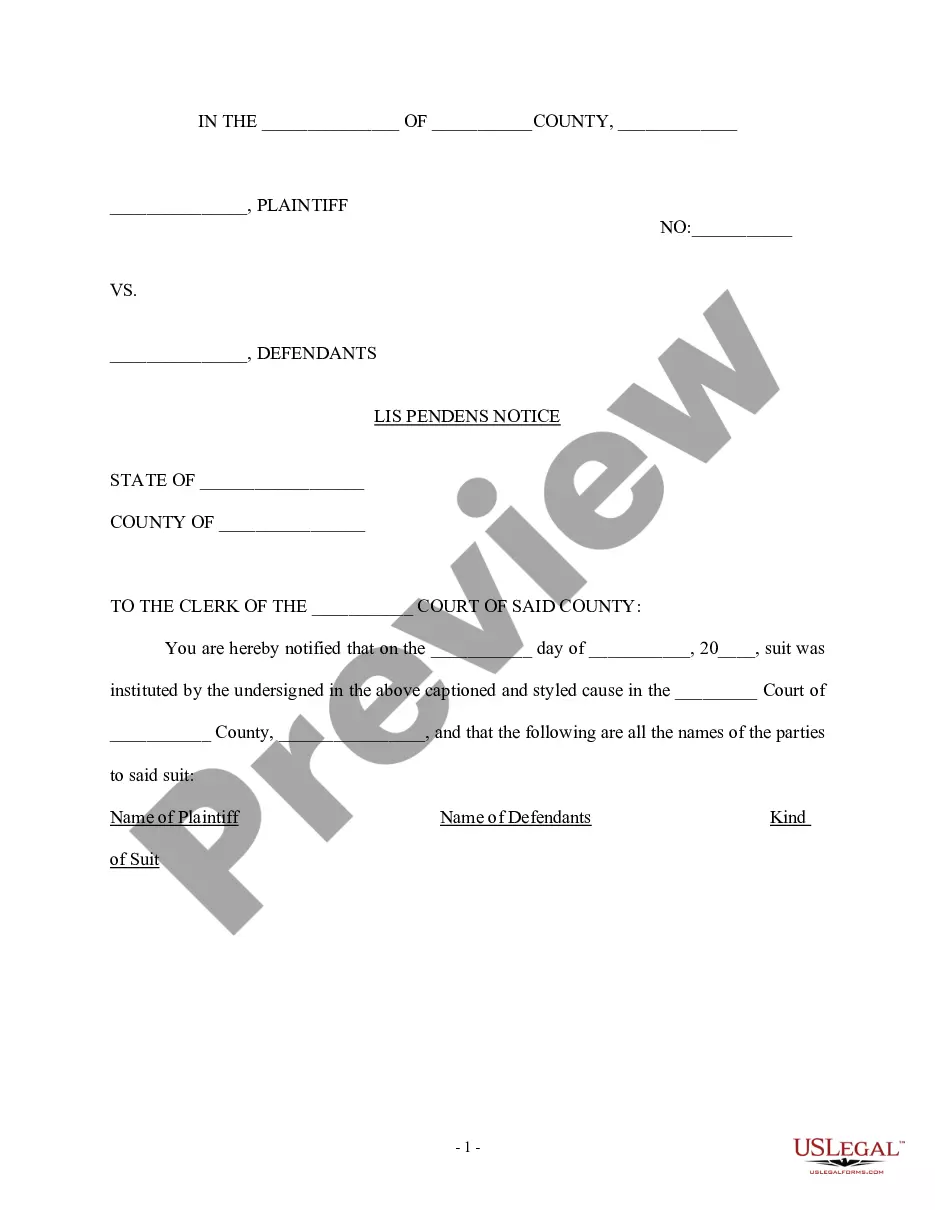

Get your form ready online
Our built-in tools help you complete, sign, share, and store your documents in one place.
Make edits, fill in missing information, and update formatting in US Legal Forms—just like you would in MS Word.
Download a copy, print it, send it by email, or mail it via USPS—whatever works best for your next step.
Sign and collect signatures with our SignNow integration. Send to multiple recipients, set reminders, and more. Go Premium to unlock E-Sign.
If this form requires notarization, complete it online through a secure video call—no need to meet a notary in person or wait for an appointment.
We protect your documents and personal data by following strict security and privacy standards.

Make edits, fill in missing information, and update formatting in US Legal Forms—just like you would in MS Word.

Download a copy, print it, send it by email, or mail it via USPS—whatever works best for your next step.

Sign and collect signatures with our SignNow integration. Send to multiple recipients, set reminders, and more. Go Premium to unlock E-Sign.

If this form requires notarization, complete it online through a secure video call—no need to meet a notary in person or wait for an appointment.

We protect your documents and personal data by following strict security and privacy standards.
Looking for another form?



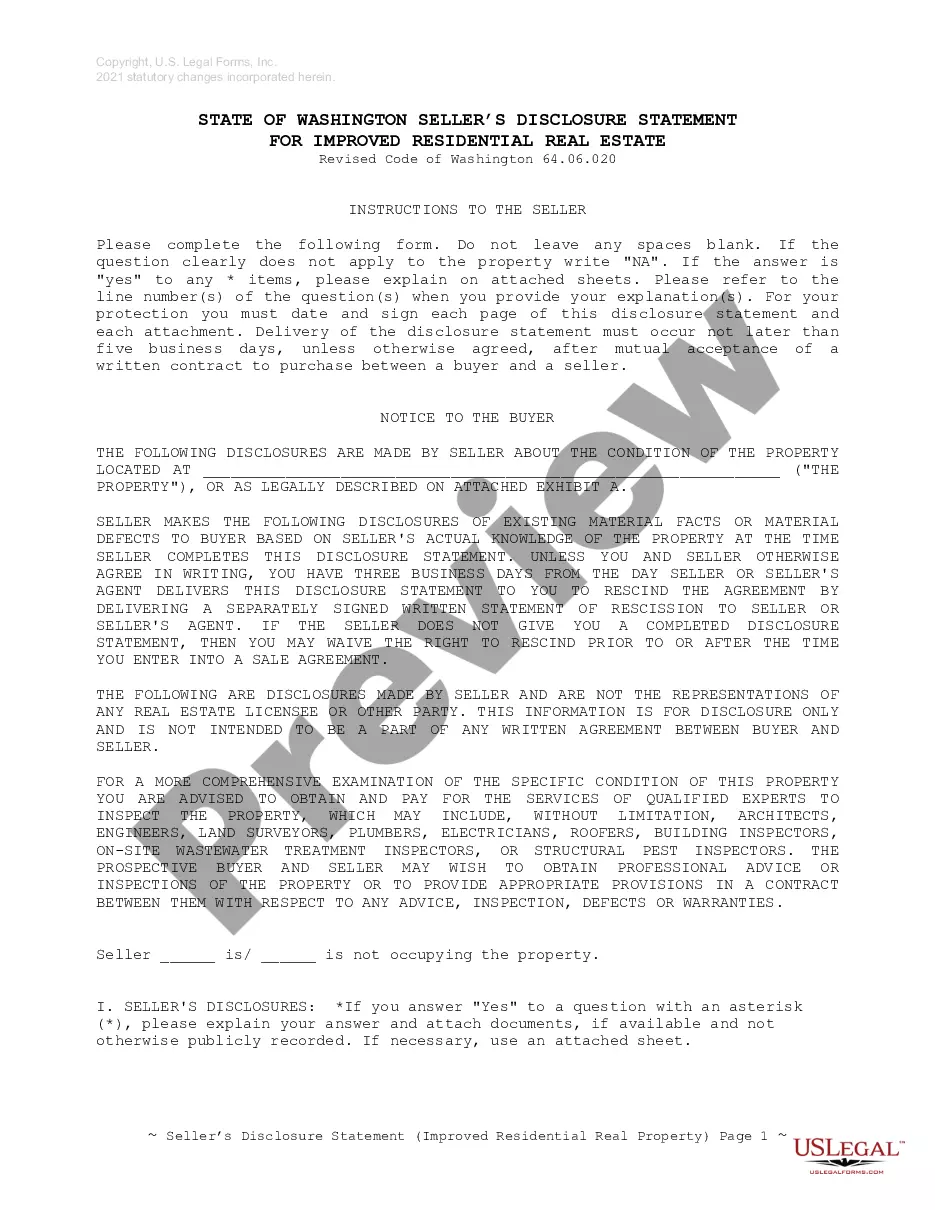




Form popularity
FAQ
The Massachusetts lis pendens statute serves to protect the rights of the property owner as well. A memorandum of lis pendens associated with a parcel of real estate creates a “cloud on title” to the property, which can have harsh consequences.
Lis pendens means suit pending in Latin. In the foreclosure process, a lis pendens is a public document that's filed with the county clerk at the same time that your lender files your public foreclosure complaint.
File a request with the court to remove the lis pendens. Provide the legal reasons the lis pendens is improper, offering proof, for example, that the lis pendens affects real estate that is not connected to the litigation. If the lawsuit is frivolous and merely intended to harass the property owner, offer proof.
Sign the lis pendens document in the presence of a notary. File the lis pendens with the courthouse in the county where the property is located. Serve a notice of the lis pendens on involved parties, such as the property owner, if required.
The titleholder can sell a property and transfer the deed to someone else while subject to a lis pendens. However, most title companies will not provide insurance for homes with a lis pendens, and closing agents may close with the lien being bonded.
That means the house is "frozen" or cannot be sold, refinanced, transferred, until the lawsuit is settled, or the case is tried with a final judgment signed by the judge. Then once the case is over, the attorney who placed the Lis Pendens will be required to remove it. Only after that happens can the house be sold.
Under the new Missouri law passed by the legislature as HB1944, a condemning authority has to present a written offer to all owners of record of the property at least thirty days before filing a condemnation petition. The offer must be held open for the thirty day period unless an agreement is made sooner.
Other than resolution of the pending lawsuit, the only way to remove a lis pendens is by expungement, which requires a court order from a circuit judge. If you refuse service or the action is otherwise delayed, the lis pendens remains intact, making it difficult to sell or otherwise transfer a property.

