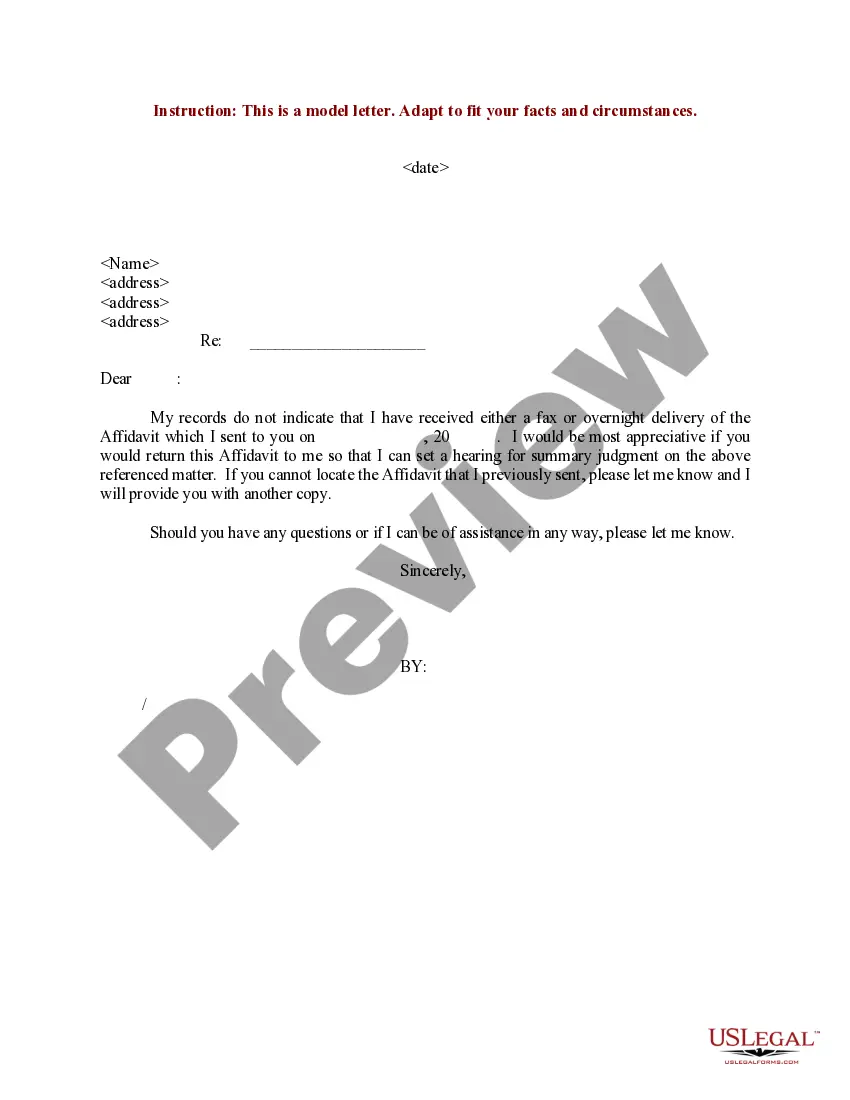
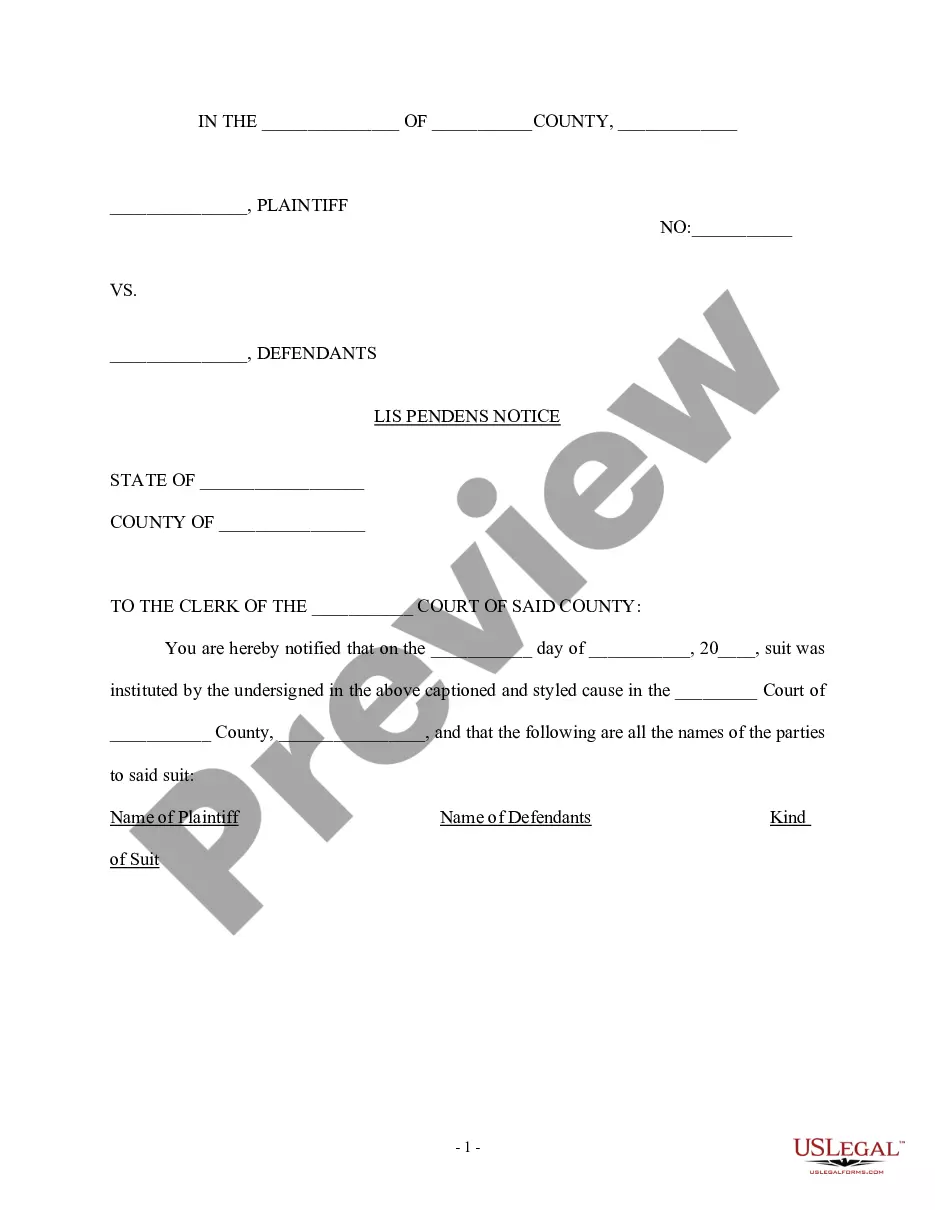
Pennsylvania Lis Pendens Form With Notice In Harris
Description

Get your form ready online
Our built-in tools help you complete, sign, share, and store your documents in one place.
Make edits, fill in missing information, and update formatting in US Legal Forms—just like you would in MS Word.
Download a copy, print it, send it by email, or mail it via USPS—whatever works best for your next step.
Sign and collect signatures with our SignNow integration. Send to multiple recipients, set reminders, and more. Go Premium to unlock E-Sign.
If this form requires notarization, complete it online through a secure video call—no need to meet a notary in person or wait for an appointment.
We protect your documents and personal data by following strict security and privacy standards.

Make edits, fill in missing information, and update formatting in US Legal Forms—just like you would in MS Word.

Download a copy, print it, send it by email, or mail it via USPS—whatever works best for your next step.

Sign and collect signatures with our SignNow integration. Send to multiple recipients, set reminders, and more. Go Premium to unlock E-Sign.

If this form requires notarization, complete it online through a secure video call—no need to meet a notary in person or wait for an appointment.

We protect your documents and personal data by following strict security and privacy standards.
Looking for another form?










Form popularity
FAQ
To file a lis pendens, the party filing must have or show one of two things: That there is a recorded instrument, usually some mortgage or encumbrance, or perhaps something related to a construction mechanics lien—that potentially provides the filer the right to the property on or in the document.
Adverse possession is a process in which a person makes a legal claim to real property that did not belong to them originally.
Section 12.002 - Liability (a) A person may not make, present, or use a document or other record with: (1) knowledge that the document or other record is a fraudulent court record or a fraudulent lien or claim against real or personal property or an interest in real or personal property; (2) intent that the document or ...
A lis pendens has no life of its own apart from the lawsuit that underlies it. If there is no lawsuit, there can be no valid lis pendens. “A lis pendens operates only during the pendency of the underlying suit, and only as to those matters that are involved in the suit.
A variety of parties can place a lien on your property, including contractors, creditors, government agencies for unpaid taxes, and mortgage lenders. Anyone who has provided services, materials, or loans related to the property may have the right to file a lien if they haven't received payment.
The party filing a lis pendens or the party's agent or attorney shall sign the lis pendens, which must state: (1) the style and number, if any, of the proceeding; (2) the court in which the proceeding is pending; (3) the names of the parties; (4) the kind of proceeding; and (5) a description of the property affected.
How Long Does a Lis Pendens Last in Pennsylvania? Under Pennsylvania law, a Lis Pendens typically remains recorded for a period of fifteen years. This duration provides adequate notice to interested parties about ongoing litigation or other legal actions involving the real property.
Generally, lis pendens notices are filed by a party that does not currently own the property outright but has asserted a claim to an interest in the property (e.g., title).
After the action is resolved, the attorney for the plaintiff should file a praecipe to remove the lis pendens and resulting cloud on title. Note that if a defendant believes a lis pendens has been filed improperly, it may make a motion with the court to have it stricken.