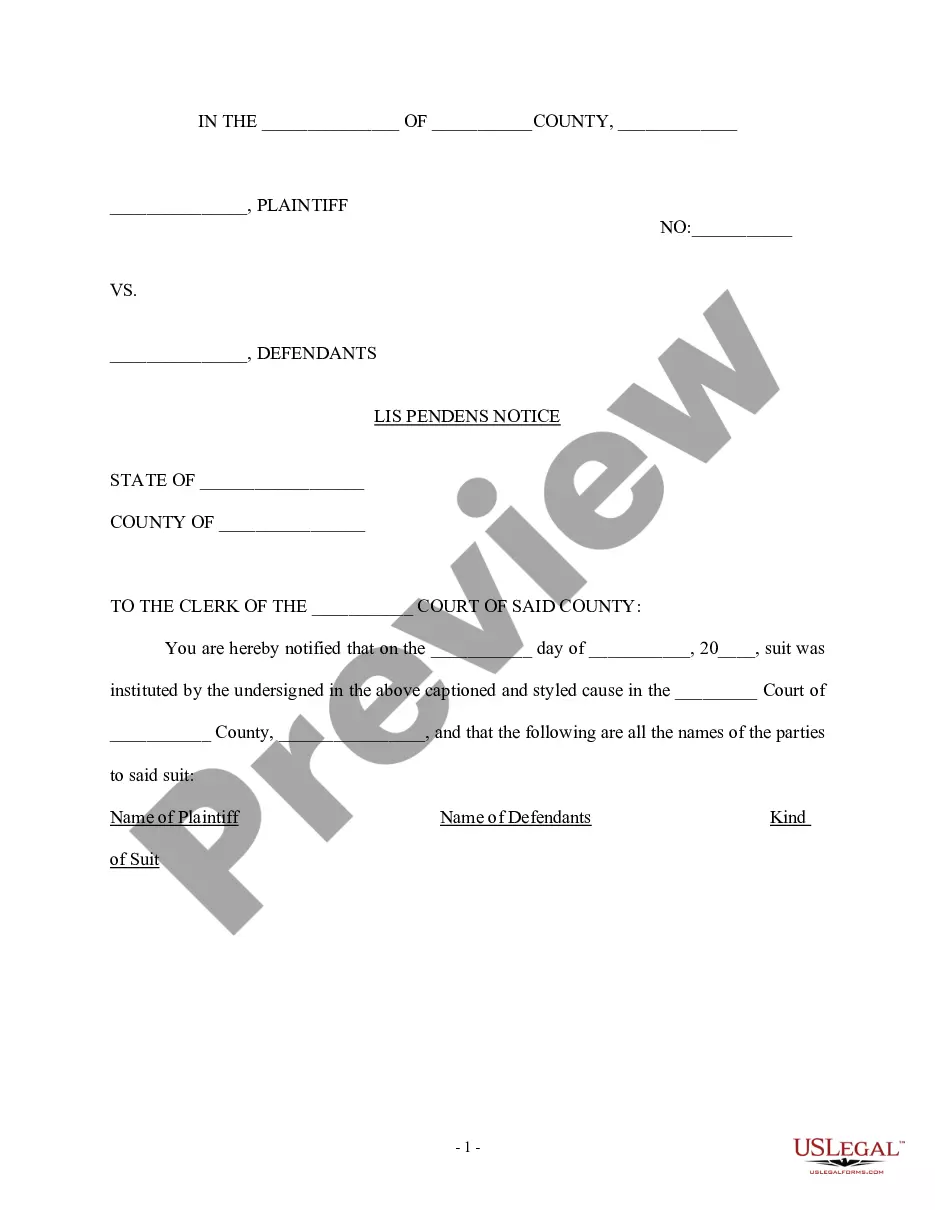
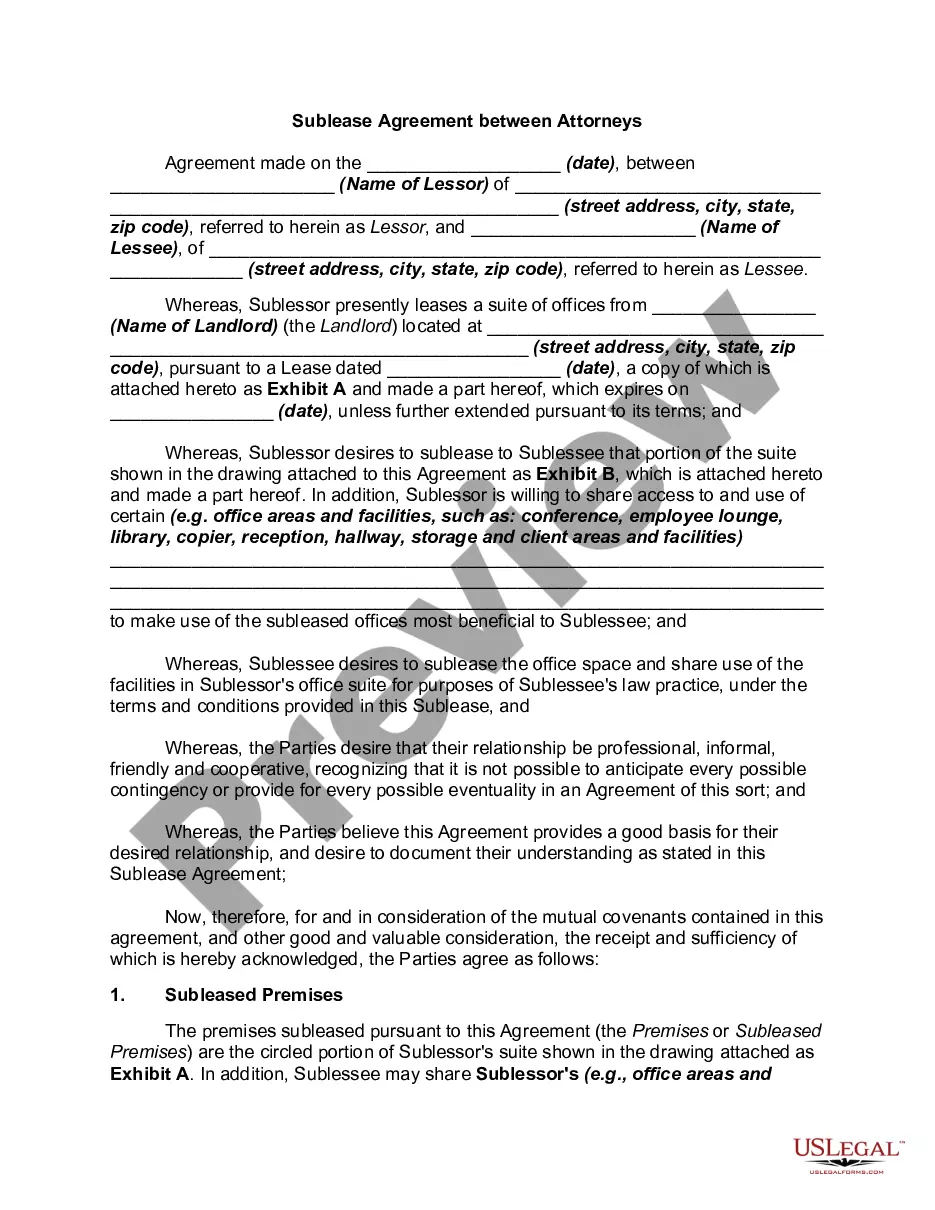
Registering A Lis Pendens In The Registry Of Deeds In Georgia
Description

Get your form ready online
Our built-in tools help you complete, sign, share, and store your documents in one place.
Make edits, fill in missing information, and update formatting in US Legal Forms—just like you would in MS Word.
Download a copy, print it, send it by email, or mail it via USPS—whatever works best for your next step.
Sign and collect signatures with our SignNow integration. Send to multiple recipients, set reminders, and more. Go Premium to unlock E-Sign.
If this form requires notarization, complete it online through a secure video call—no need to meet a notary in person or wait for an appointment.
We protect your documents and personal data by following strict security and privacy standards.

Make edits, fill in missing information, and update formatting in US Legal Forms—just like you would in MS Word.

Download a copy, print it, send it by email, or mail it via USPS—whatever works best for your next step.

Sign and collect signatures with our SignNow integration. Send to multiple recipients, set reminders, and more. Go Premium to unlock E-Sign.

If this form requires notarization, complete it online through a secure video call—no need to meet a notary in person or wait for an appointment.

We protect your documents and personal data by following strict security and privacy standards.
Looking for another form?








Form popularity
FAQ
Georgia law requires the grantor's signature to be notarized and also signed by another witness. Therefore, the grantor must sign the deed in the presence of a notary public and the other witness. This step certifies that the correct party has indeed signed the document, reducing the risk of fraud.
In Georgia, transferring title from the estate to heirs typically requires the execution of an appropriate deed. Because there was no will, the administrator acts under the authority granted by the probate court to issue a deed transferring the property's legal title to the heirs.
Georgia Law requires that all deeds and filings on Real Estate records, be signed, witnessed and notarized with a seal.
Duration of valid notice. - A valid notice of lis pendens, filed pursuant to O.C.G.A. § 44-14-610, remains effective as constructive notice of the action referred to therein only until a final judgment has been entered in the action and the time for appeal therefrom has expired.
If you wish to remove someone from a deed, you will need their consent. This can be done by recording a new deed, which will require their signature. If the person in question is deceased, you will need their death certificate and a notarized affidavit along with the new deed.
1) Competent grantor. 2) Execution by the grantor(s) 3) Identifiable grantee. 4) Delivery to and acceptance by the grantee(s) 5) Legal description of the land (property description) 6) Consideration. 7) Words of conveyance (granting clause)
A notice of lis pendens must be filed in the office of the clerk of the superior court of the county where the real property is situated in a book kept for such purposes and must contain (1) a notice of the institution of the action, (2) the names of the parties, (3) the time of the institution of the action, (4) the ...
The requirement in Georgia is that the notary must attest, or in plain terms, actually witness the signing of the document for it to be valid and recordable. In common practice, deeds and documents involving real property in Georgia are prepared by Georgia attorneys and are executed in the state.
Other than resolution of the pending lawsuit, the only way to remove a lis pendens is by expungement, which requires a court order from a circuit judge. If you refuse service or the action is otherwise delayed, the lis pendens remains intact, making it difficult to sell or otherwise transfer a property.
