Selling Receivables Is Called In Mecklenburg
Description

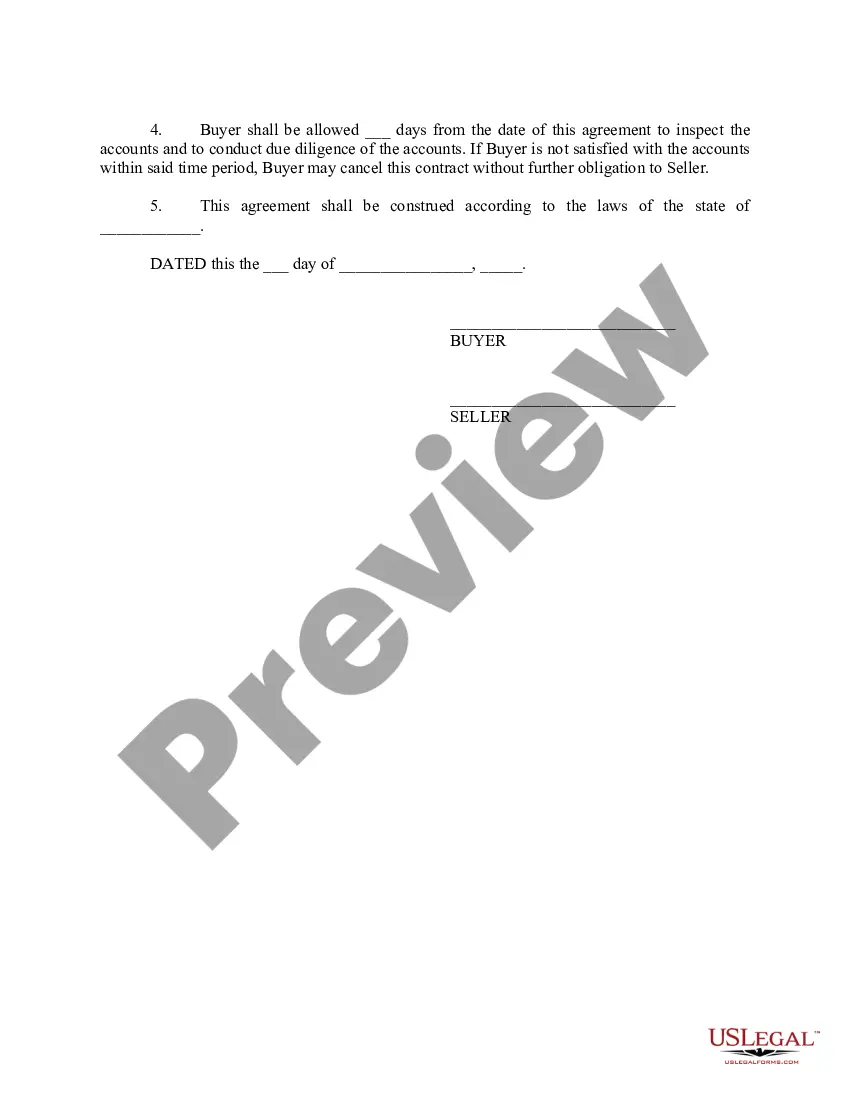

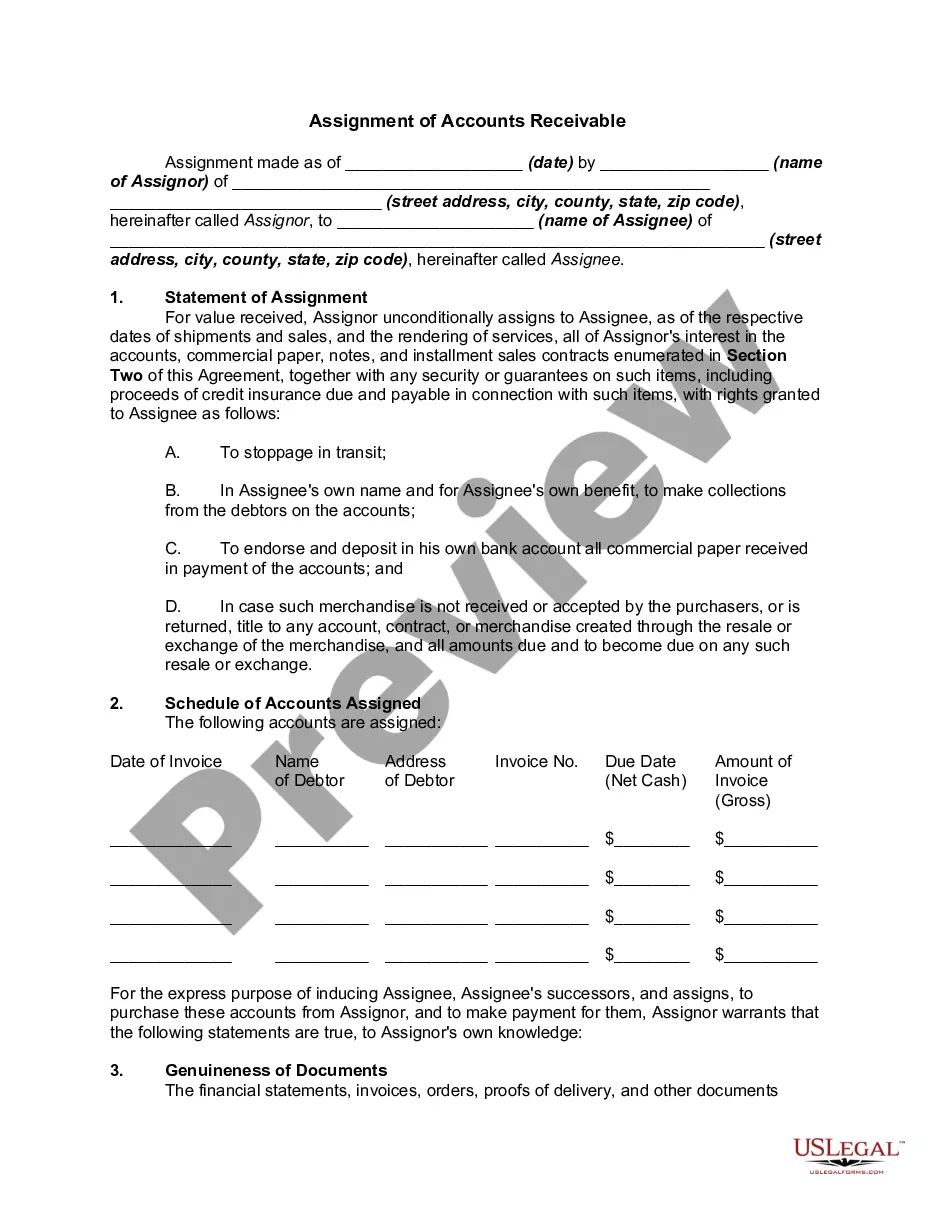
Get your form ready online
Our built-in tools help you complete, sign, share, and store your documents in one place.
Make edits, fill in missing information, and update formatting in US Legal Forms—just like you would in MS Word.
Download a copy, print it, send it by email, or mail it via USPS—whatever works best for your next step.
Sign and collect signatures with our SignNow integration. Send to multiple recipients, set reminders, and more. Go Premium to unlock E-Sign.
If this form requires notarization, complete it online through a secure video call—no need to meet a notary in person or wait for an appointment.
We protect your documents and personal data by following strict security and privacy standards.

Make edits, fill in missing information, and update formatting in US Legal Forms—just like you would in MS Word.

Download a copy, print it, send it by email, or mail it via USPS—whatever works best for your next step.

Sign and collect signatures with our SignNow integration. Send to multiple recipients, set reminders, and more. Go Premium to unlock E-Sign.

If this form requires notarization, complete it online through a secure video call—no need to meet a notary in person or wait for an appointment.

We protect your documents and personal data by following strict security and privacy standards.
Looking for another form?








Form popularity
FAQ
To record accounts receivable in a journal entry, follow these steps: Identify the transaction. Determine the amount of the accounts receivable. Debit the Accounts Receivable account. Credit the Sales Revenue account. Post the journal entry to the general ledger.
The main types include: Trade receivables. Trade receivables are amounts customers owe for selling goods or services as part of the normal course of business. Non-trade receivables. Secured receivables. Unsecured receivables.
Practical Strategies to Reduce Your Accounts Receivable Clear and Transparent Invoicing. Establish Clear Payment Terms. Credit Policies and Screening. Send Timely Reminders. Offer Multiple Payment Options. Implement a Collections Strategy. Offer Early Payment Incentives. Regularly Reconcile and Analyze Accounts.
The Accounts Receivable Process Explained Step 1: Receive Order. Step 2: Approve Credit. Step 3: Send Invoices. Step 4: Manage Collections. Step 5: Address Disputes. Step 6: Write off Uncollectible Debt. Step 7: Process Payments. Step 8: Handle Reporting.
Accounts Receivable workflow is the series of steps a firm takes to collect and record payments for the products or services it provided within the last 12 months. The AR workflow begins when a product or service is purchased and ends when the customer completes payment for the product or service.
