Board Meeting Corporate For Small Companies Act 2013 In Massachusetts
Description

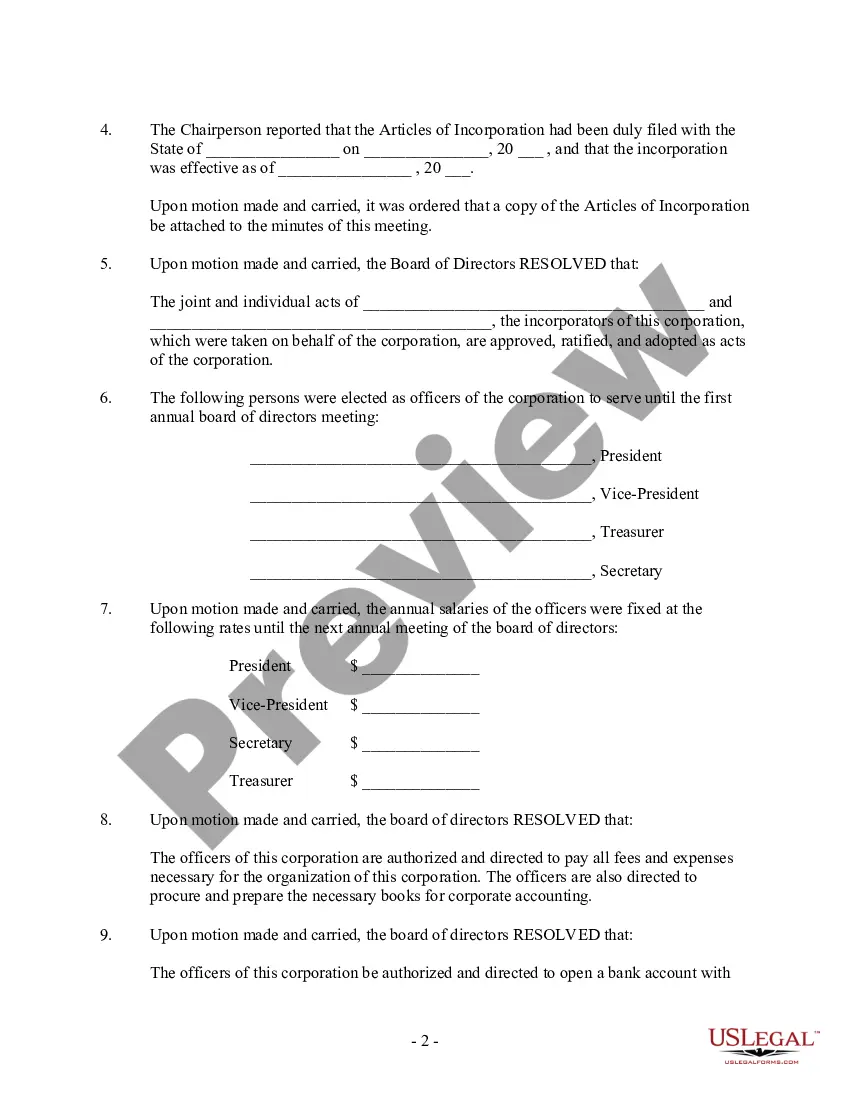
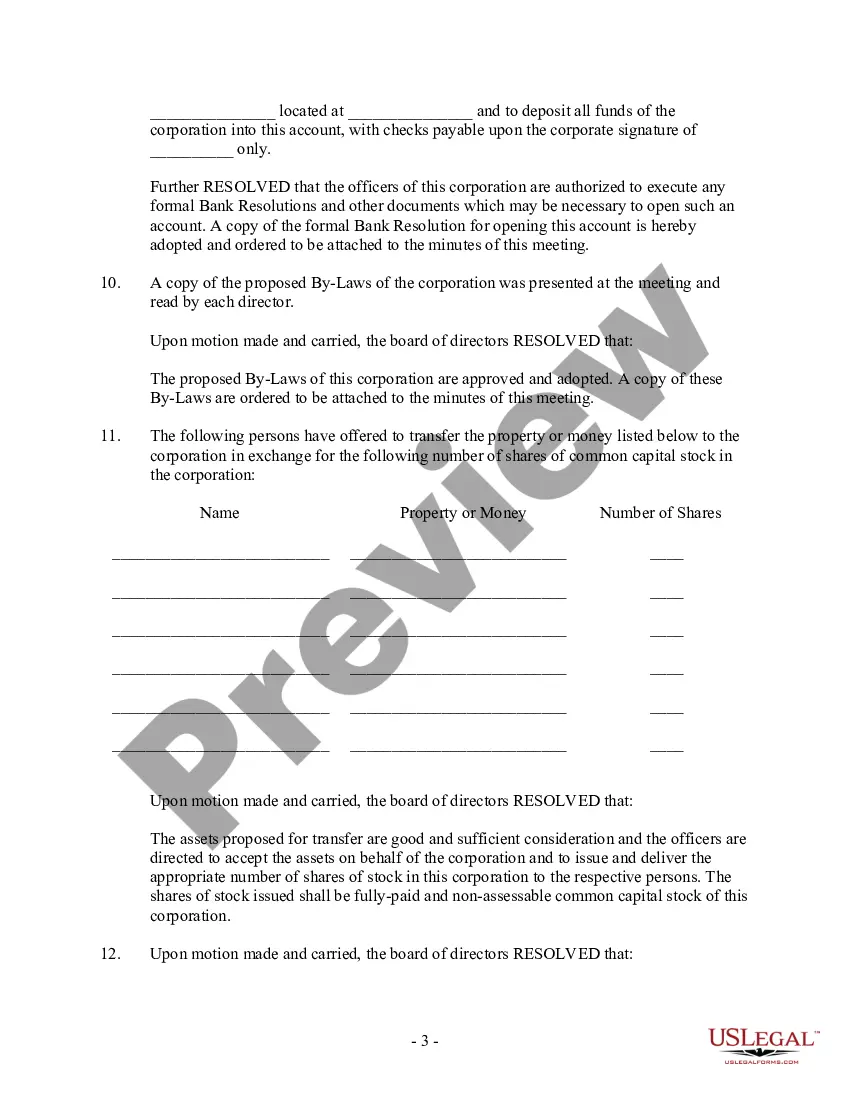
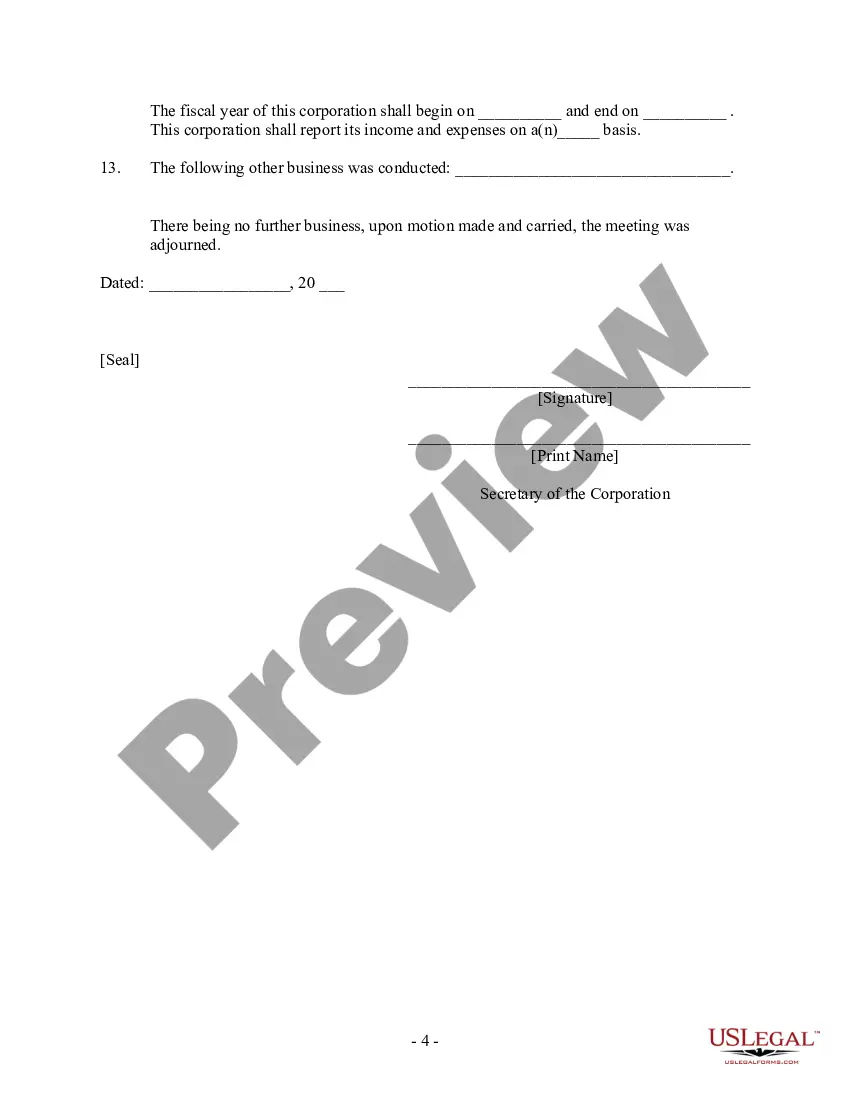

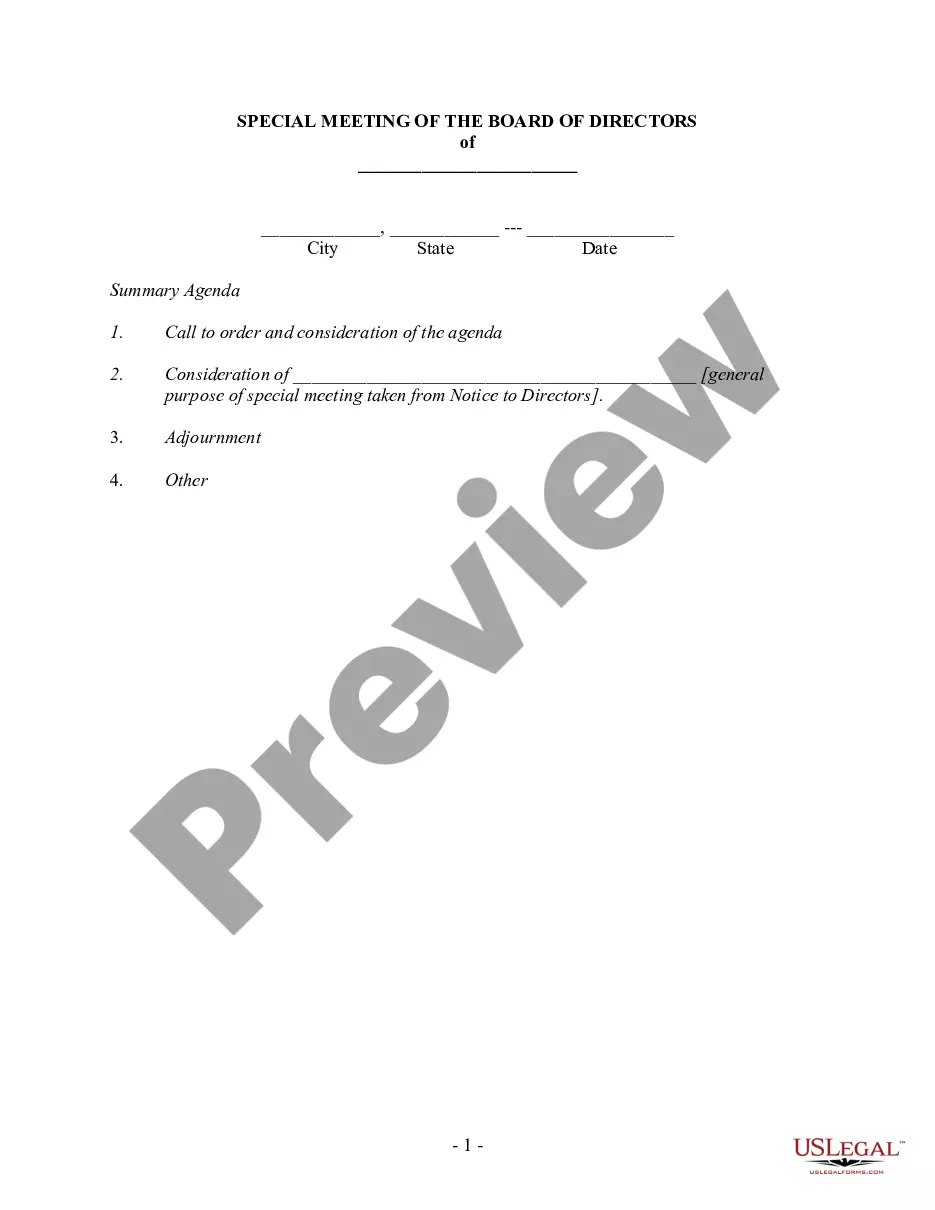
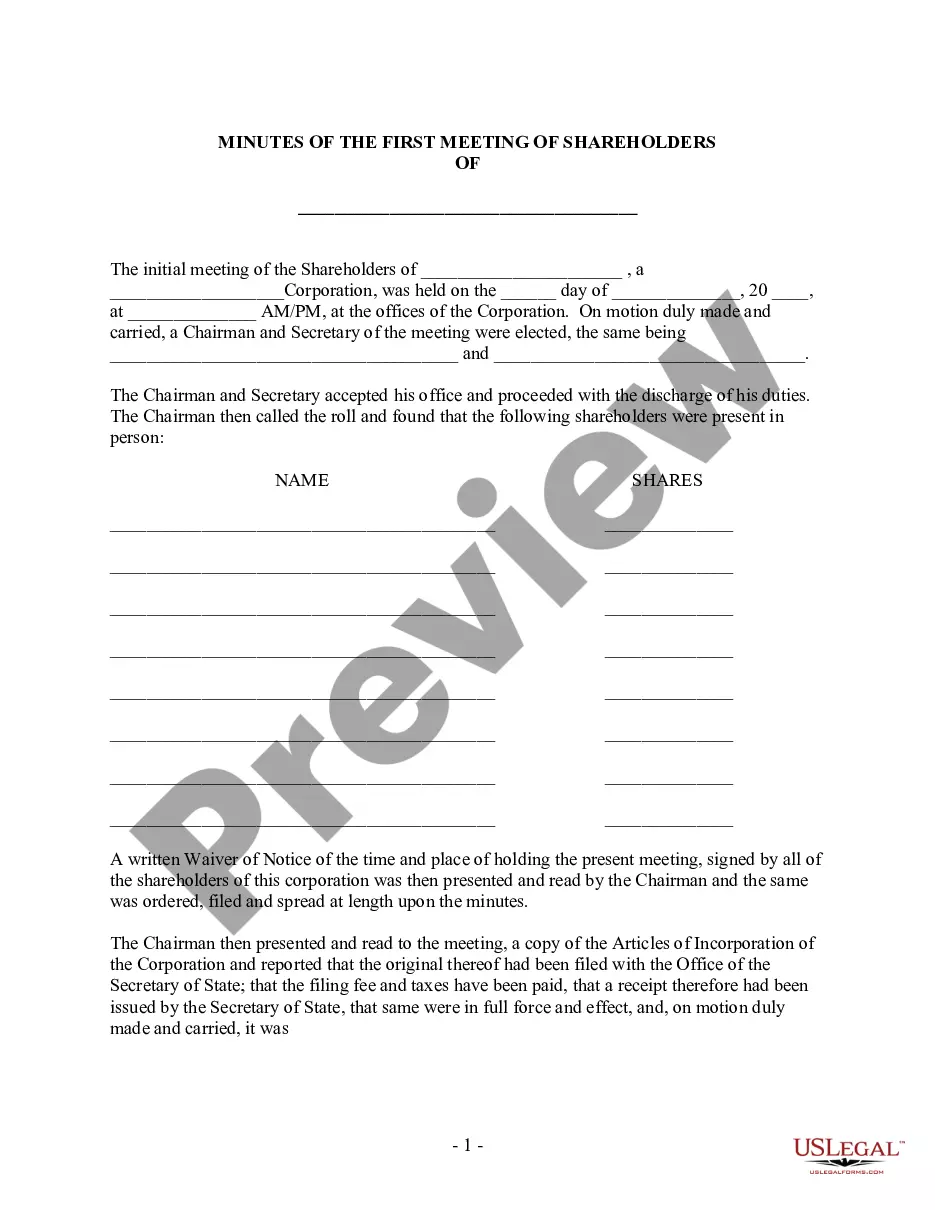
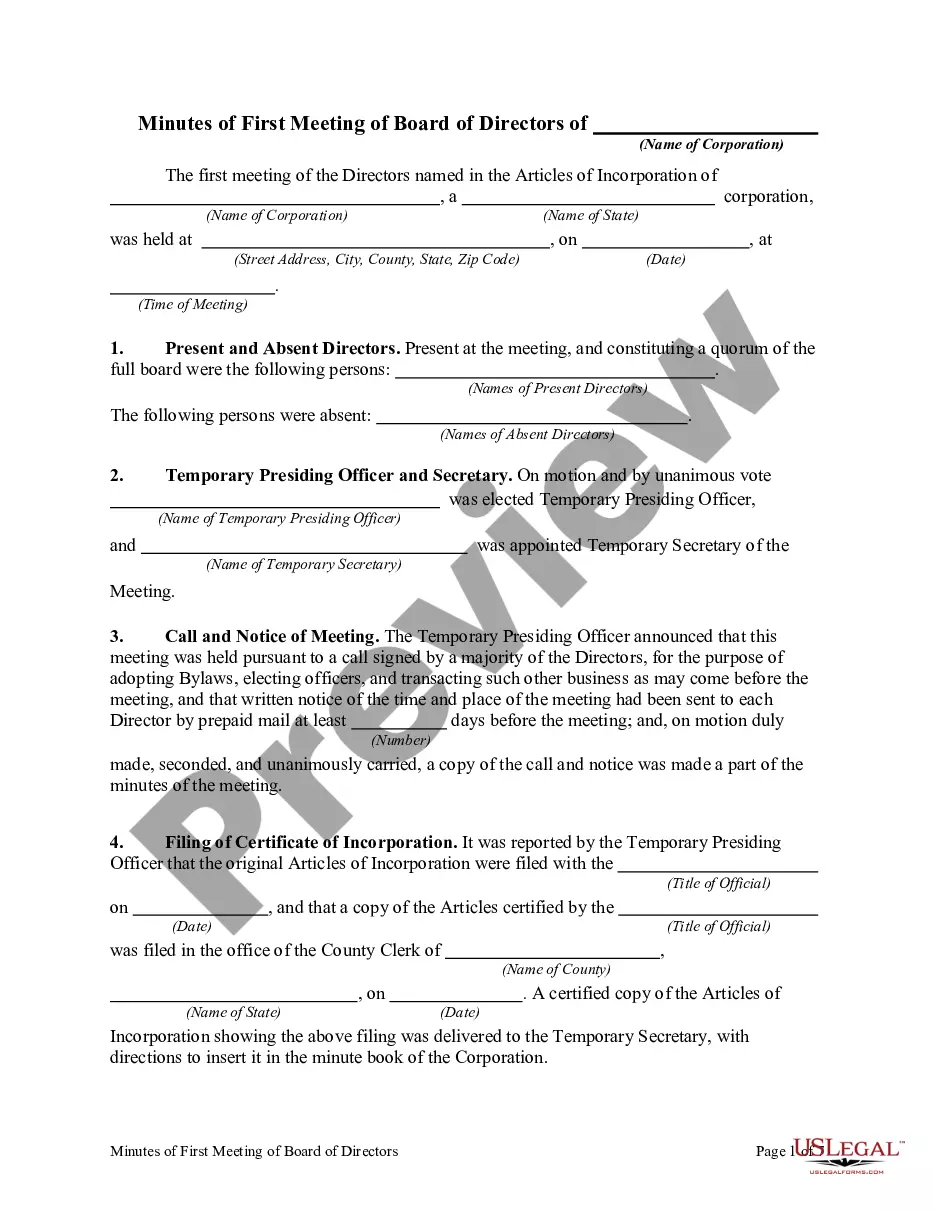
Get your form ready online
Our built-in tools help you complete, sign, share, and store your documents in one place.
Make edits, fill in missing information, and update formatting in US Legal Forms—just like you would in MS Word.
Download a copy, print it, send it by email, or mail it via USPS—whatever works best for your next step.
Sign and collect signatures with our SignNow integration. Send to multiple recipients, set reminders, and more. Go Premium to unlock E-Sign.
If this form requires notarization, complete it online through a secure video call—no need to meet a notary in person or wait for an appointment.
We protect your documents and personal data by following strict security and privacy standards.

Make edits, fill in missing information, and update formatting in US Legal Forms—just like you would in MS Word.

Download a copy, print it, send it by email, or mail it via USPS—whatever works best for your next step.

Sign and collect signatures with our SignNow integration. Send to multiple recipients, set reminders, and more. Go Premium to unlock E-Sign.

If this form requires notarization, complete it online through a secure video call—no need to meet a notary in person or wait for an appointment.

We protect your documents and personal data by following strict security and privacy standards.
Looking for another form?





Form popularity
FAQ
Director information The following are the Massachusetts requirements for directors of corporations: Minimum number. Corporations must have no fewer than three directors, unless there are two or fewer shareholders. In such case, there may be one or two directors.
For management, the annual meeting presents an opportunity to obtain shareholder approval of matters required under state or federal law, including, most significantly, the election of directors. The primary purpose of the annual meeting is to have shareholders act on the matters presented to them for a vote.
While corporate board members are present at shareholder meetings, the main voice in these settings is that of the investors. Owning company stock provides holders with equity and, depending on the type of stock they own, the right to vote during shareholder meetings.
While the shareholder is the owner of the company, the directors control the company's internal affairs and management, including the completion of various tax, regulatory and legal compliances. The same person can assume both the roles unless articles of association of the company explicitly prohibits it.
Section 173 of the Act deals with Meetings of the Board and Section 174 deals with quorum. 1. The Act provides that the first Board meeting should be held within thirty days of the date of incorporation.
While shareholders' meetings represent ownership, board meetings embody the company's leadership. The board of directors, acting as a bridge between management and shareholders, is responsible for making strategic decisions, overseeing management, and safeguarding the company's long-term interests.
The Act states that a meeting occurs at the place where the largest group of those participating is assembled or, if there is no such group, where the chairperson is situated. If neither such situation applies, the meeting may determine the location for itself.
A meeting of the Board shall be convened by giving not less than seven days' notice in writing to every director at his address registered with the company, and such notice shall be sent by hand or by post, or by electronic means.
(6) With respect to every meeting conducted through video conferencing or other audio visual means authorised under these rules, the scheduled venue of the meeting as set forth in the notice convening the meeting, which shall be in India, shall be deemed to be the place of the said meeting and all recordings of the ...
Pursuant to provision of section 173 and clause 2.1 of Secretarial Standards 1 of the Companies Act, 2013 every company is required to conduct four board meetings in a year and the time gap between two meetings should not exceed 120 days.
