Accounts Receivable Contract For Services In King
Description

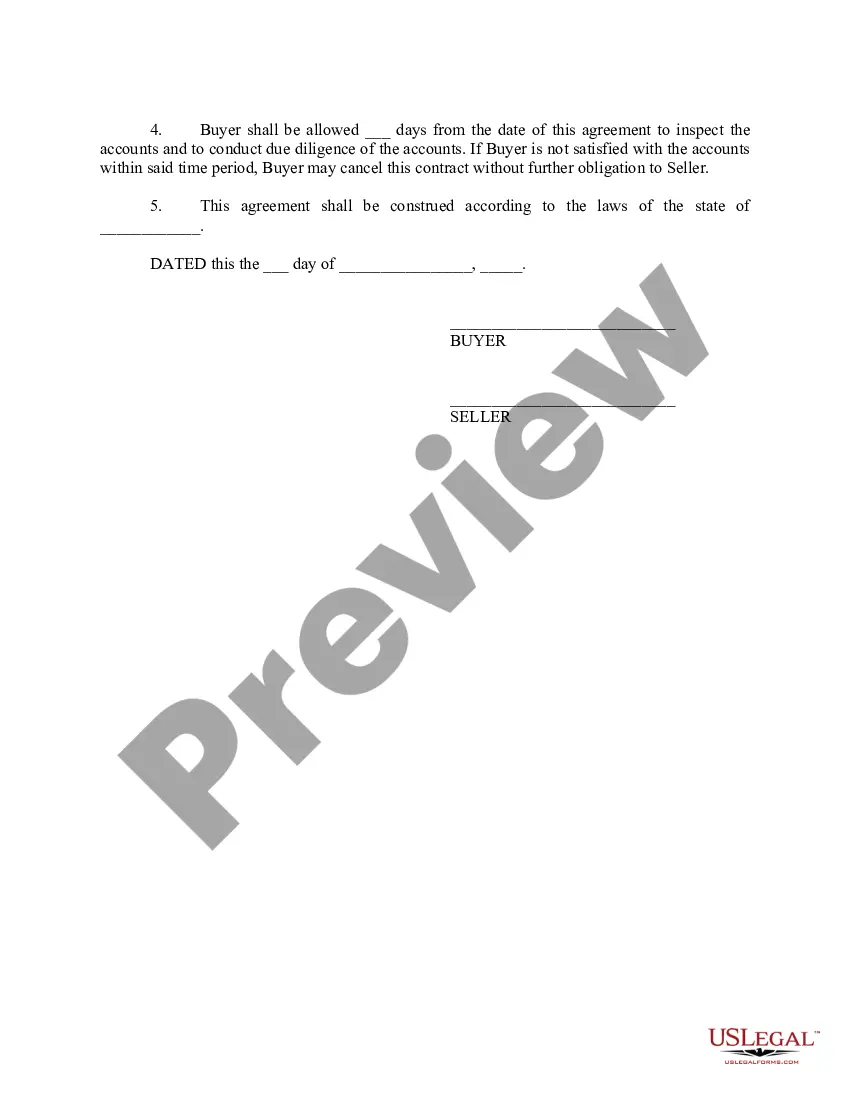

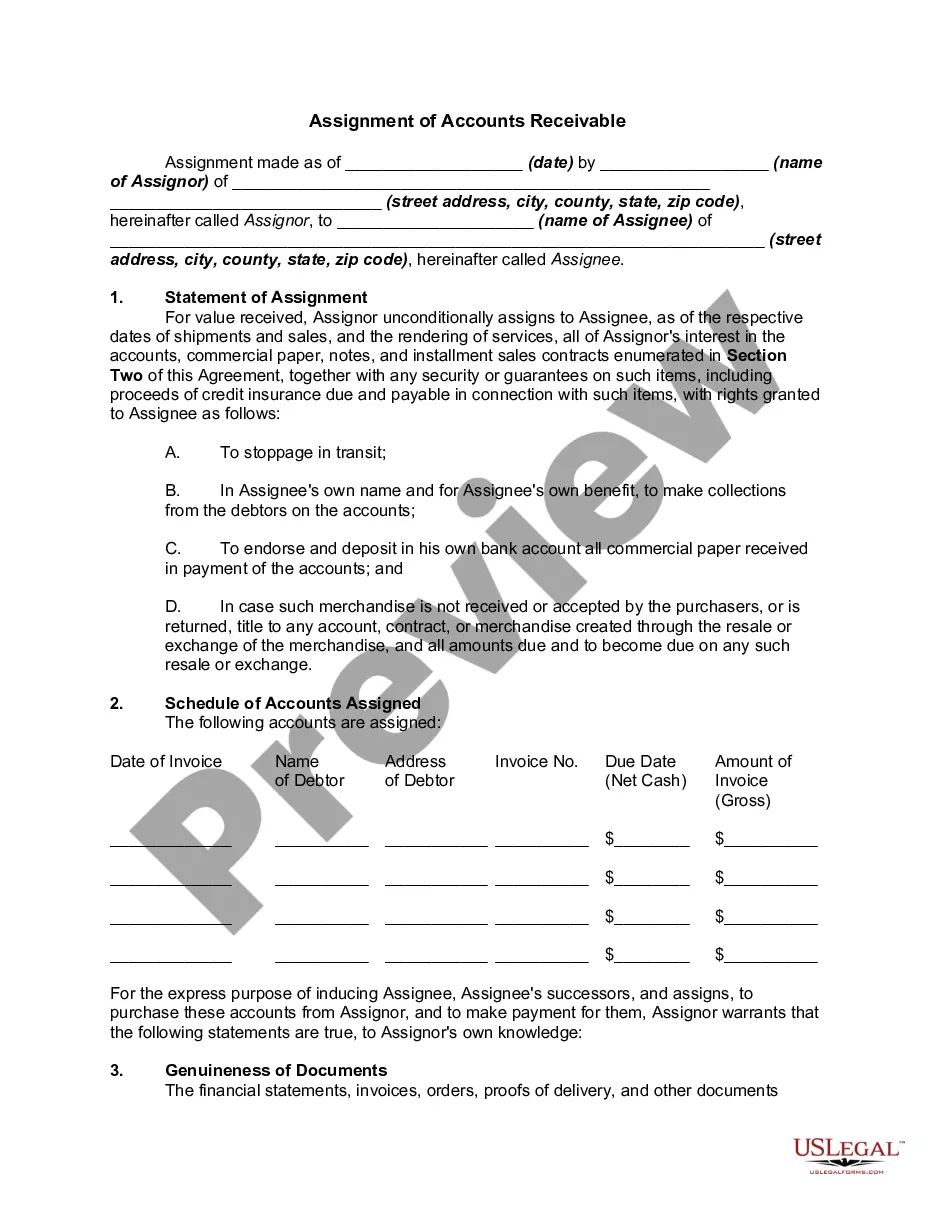
Get your form ready online
Our built-in tools help you complete, sign, share, and store your documents in one place.
Make edits, fill in missing information, and update formatting in US Legal Forms—just like you would in MS Word.
Download a copy, print it, send it by email, or mail it via USPS—whatever works best for your next step.
Sign and collect signatures with our SignNow integration. Send to multiple recipients, set reminders, and more. Go Premium to unlock E-Sign.
If this form requires notarization, complete it online through a secure video call—no need to meet a notary in person or wait for an appointment.
We protect your documents and personal data by following strict security and privacy standards.

Make edits, fill in missing information, and update formatting in US Legal Forms—just like you would in MS Word.

Download a copy, print it, send it by email, or mail it via USPS—whatever works best for your next step.

Sign and collect signatures with our SignNow integration. Send to multiple recipients, set reminders, and more. Go Premium to unlock E-Sign.

If this form requires notarization, complete it online through a secure video call—no need to meet a notary in person or wait for an appointment.

We protect your documents and personal data by following strict security and privacy standards.
Looking for another form?







Form popularity
FAQ
Sometimes in a revenue transaction, a unit provides a good or a service and permits the customer to defer payment to a future date. In this scenario, when revenue is earned but payment is not yet received, an account receivable (A/R) should be recorded and managed.
Contract AR should be entered when the revenue has been earned but not collected. This normally occurs at the time goods or services are provided and should coincide when the invoice is sent. Postponing the recording of contract AR until the payment is received is not encouraged.
Accounts receivable (AR) is a critical component of healthcare revenue cycle management (RCM) that represents the outstanding payments owed to a healthcare provider. It includes charges, payments, adjustments, and denials, all of which impact the financial health of the organization.
Other Receivables: Nontrade receivables such as interest, loans to officers, advances to employees, and income taxes refundable. Service organization records a receivable when it performs service ON ACCOUNT.
off is an elimination of an uncollectible accounts receivable recorded on the general ledger. An accounts receivable balance represents an amount due to Cornell University. If the individual is unable to fulfill the obligation, the outstanding balance must be written off after collection attempts have occurred.
Accounts receivable are listed under the current assets section of the balance sheet and typically fluctuate in value from month to month as the company makes new sales and collects payments from customers.
To report accounts receivable, gather information about outstanding amounts owed by customers, create an accounts receivable ledger, categorize the accounts by age, prepare a report that summarizes the outstanding amounts, analyze the report, and take action to collect payments and manage the balance.
The accounts receivable process — also called AR process or receivable cycle — covers the steps to collect payments from customers for goods/services you've delivered. This includes sending invoices, tracking payment due dates, and recording payments when they're received.
Accounts Receivable SOP (Sales & Invoicing) Accounts standard operating procedure helps to define the following: The credit approval process, including payment cycles. Procedure for invoices, billing, and sales (including invoicing software, digital documentation, and electronic billing & payment)
