Joint Lease Vs Individual Lease In Pima
Description

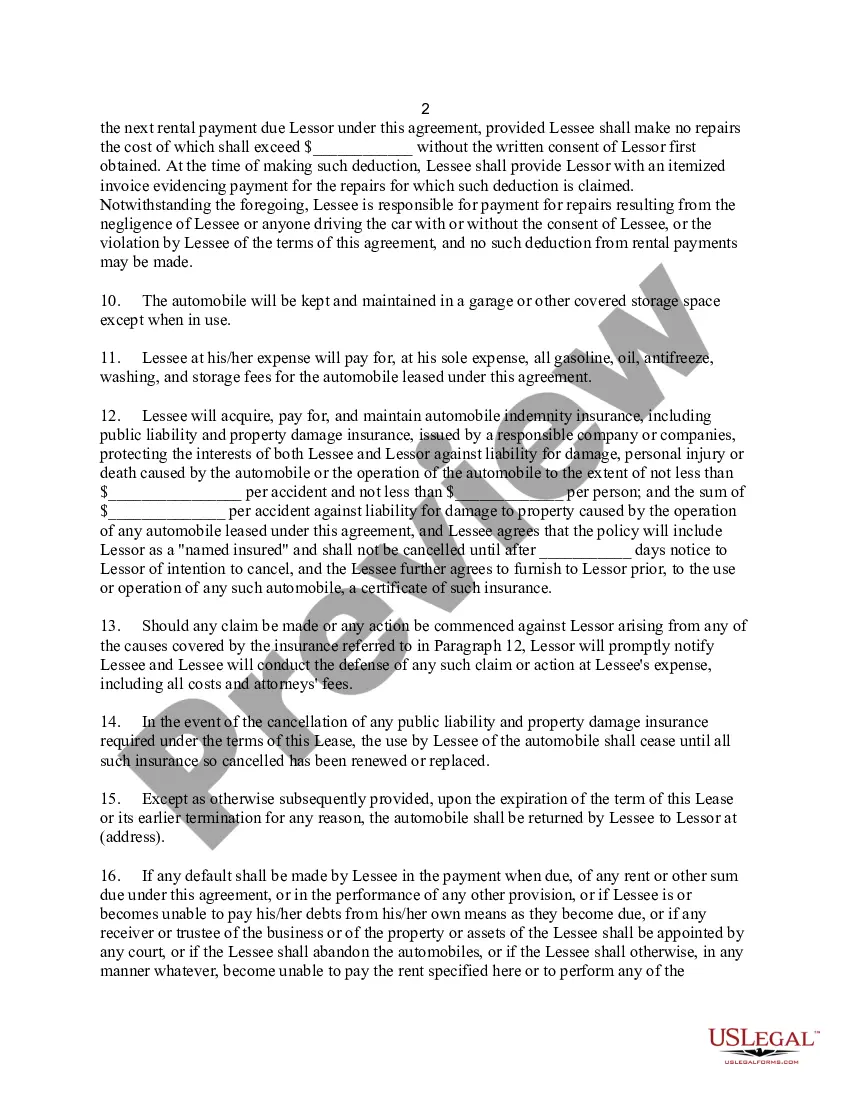
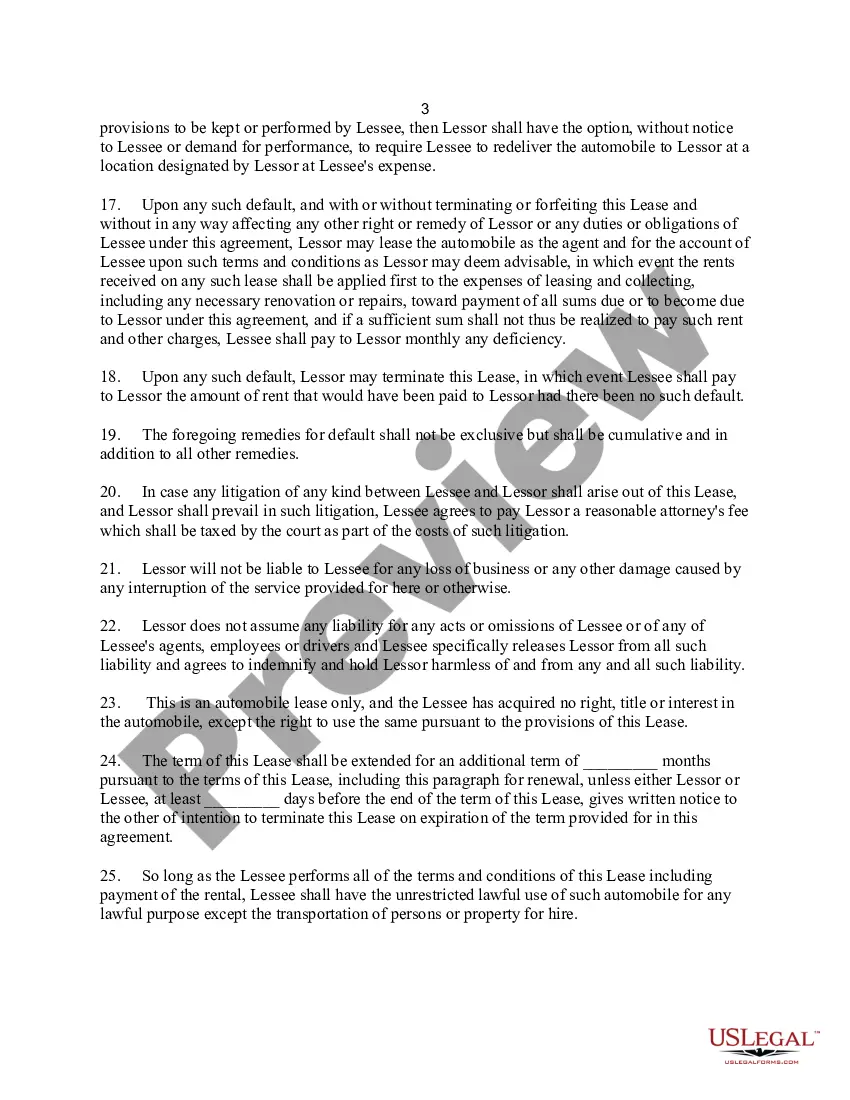
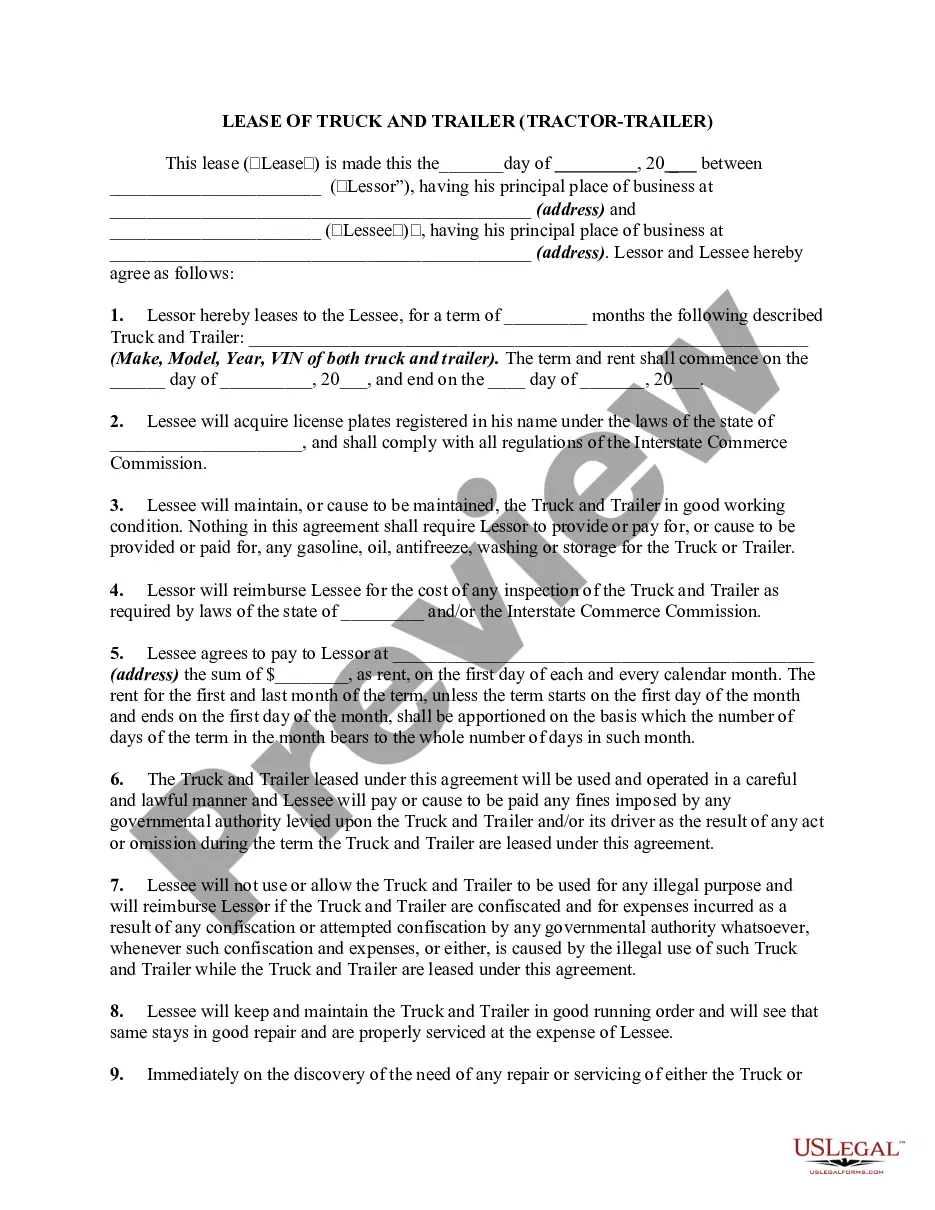
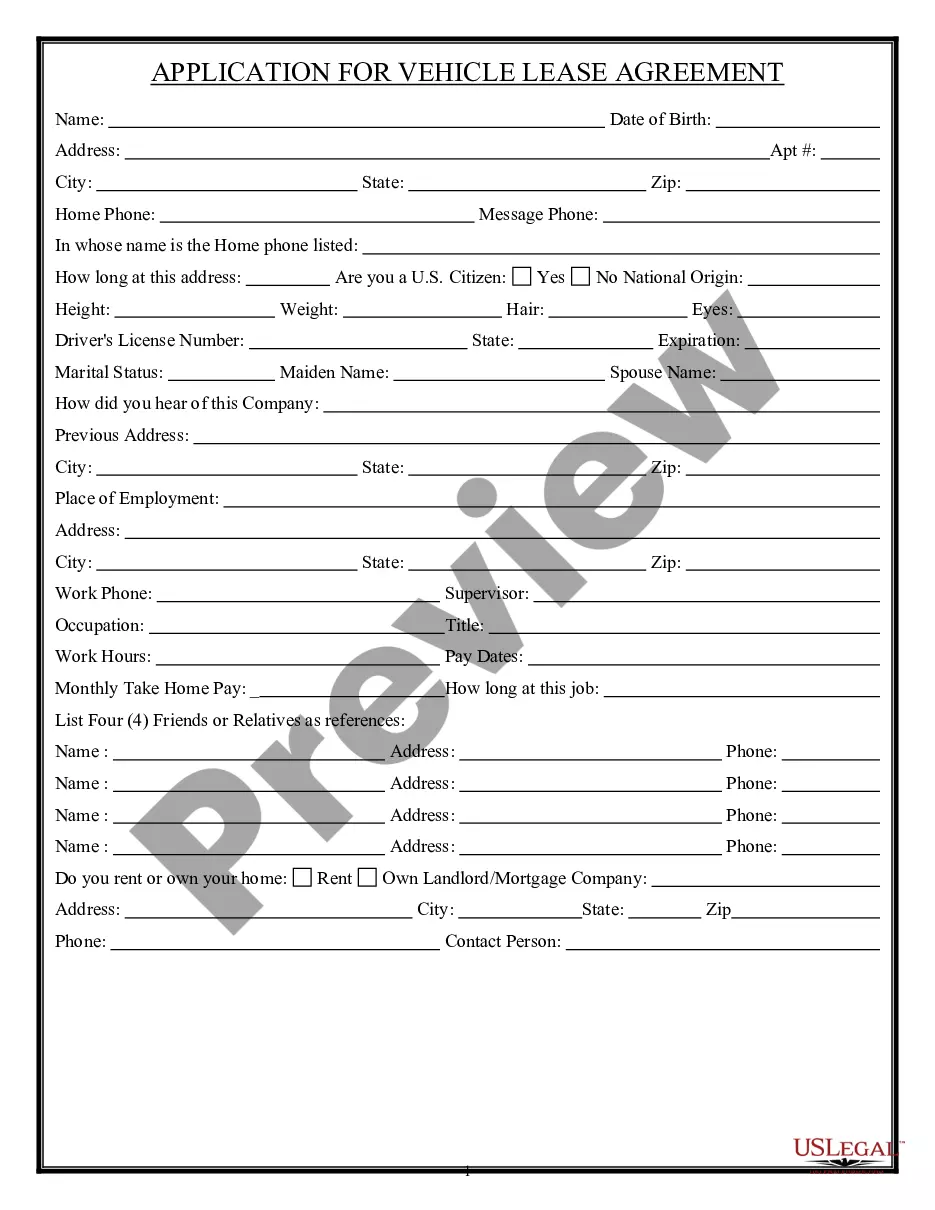
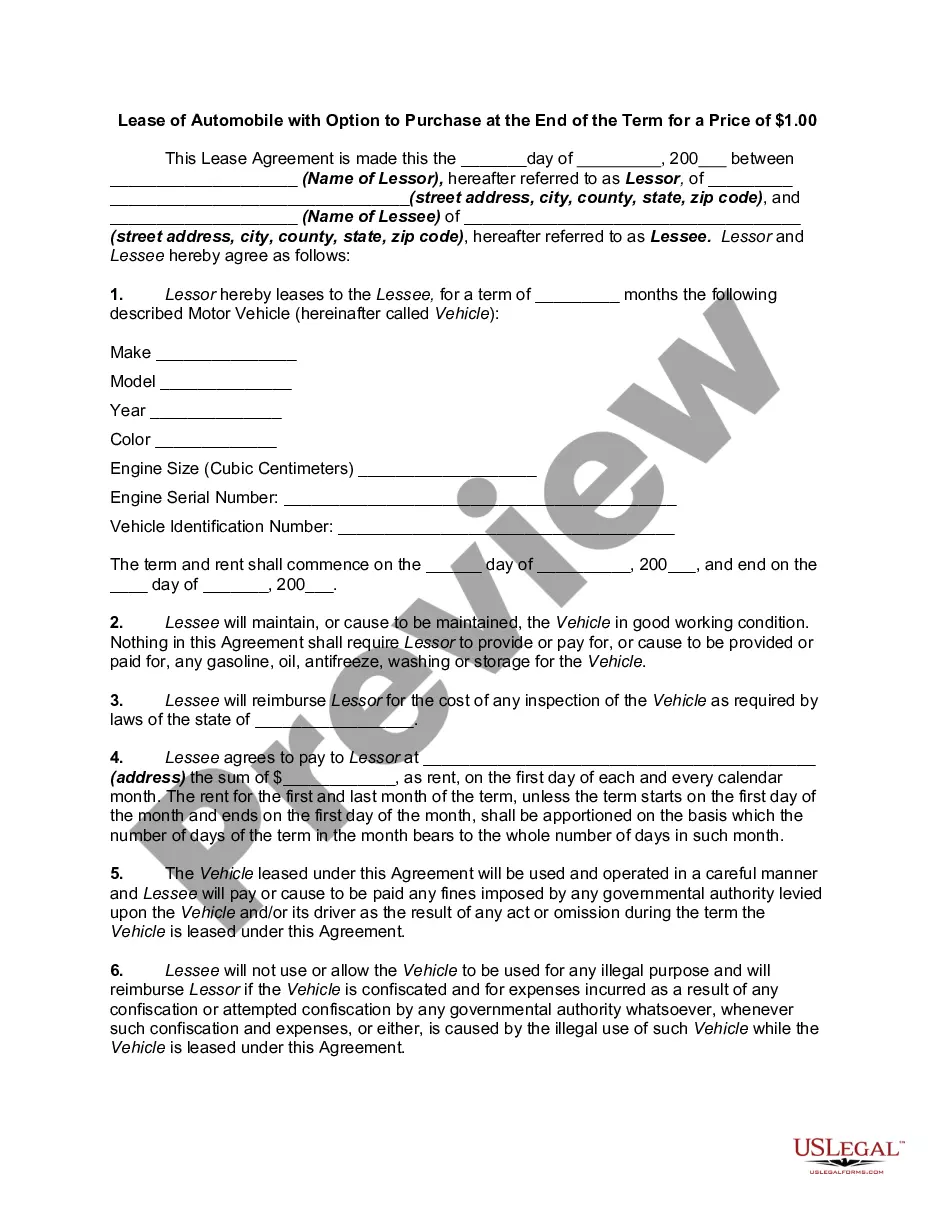
Get your form ready online
Our built-in tools help you complete, sign, share, and store your documents in one place.
Make edits, fill in missing information, and update formatting in US Legal Forms—just like you would in MS Word.
Download a copy, print it, send it by email, or mail it via USPS—whatever works best for your next step.
Sign and collect signatures with our SignNow integration. Send to multiple recipients, set reminders, and more. Go Premium to unlock E-Sign.
If this form requires notarization, complete it online through a secure video call—no need to meet a notary in person or wait for an appointment.
We protect your documents and personal data by following strict security and privacy standards.

Make edits, fill in missing information, and update formatting in US Legal Forms—just like you would in MS Word.

Download a copy, print it, send it by email, or mail it via USPS—whatever works best for your next step.

Sign and collect signatures with our SignNow integration. Send to multiple recipients, set reminders, and more. Go Premium to unlock E-Sign.

If this form requires notarization, complete it online through a secure video call—no need to meet a notary in person or wait for an appointment.

We protect your documents and personal data by following strict security and privacy standards.
Looking for another form?









Form popularity
FAQ
term lease is the most traditional lease. They're called fixed term because tenants and landlords are agreeing to abide by the lease for a fixed amount of time, normally six to 14 months.
Assured Shorthold Tenancies, or ASTs, are the most common agreement for private rentals, typically lasting six to twelve months. With an AST, your landlord is required to protect your deposit in a government-approved scheme.
The most common periodic tenancy is the month-to-month tenancy. rents causes the tenancy to be treated like a periodic tenancy (Civil Code Section 1946).
Key Commercial Lease Types Explained Gross Lease. Often found in office buildings and retail spaces, gross leases provide a simple, all-inclusive rental arrangement. Net Lease. In net leases, the tenant assumes a more significant share of responsibility for building expenses. Modified Gross Lease. Percentage Lease.
The most common types include joint tenancy, tenancy in common, tenants by entirety, sole ownership, and community property.
So it's important for current and future real estate agents to understand the different types of leases used in the industry. There are four different types of lease: gross lease, net lease, percentage lease, and variable lease.
Lessees who report under US GAAP (ASC 842), follow a two-model approach for the classification of lessee leases as either finance or operating. For lessors, the classification categories for leases are sales-type, direct financing, or operating.
If the agreement contains a lease, it must be classified as either an operating or a finance lease and the appropriate object code must be used for transactions related to the lease.
“Assignment" means that another person takes over your lease obligation and your relationship with your landlord. If you are able to “assign” your tenancy, your relationship with the landlord will be legally finished and you will not be responsible for any future payments to your landlord.
