All Business Purchase With Credit Card In Bronx
Description

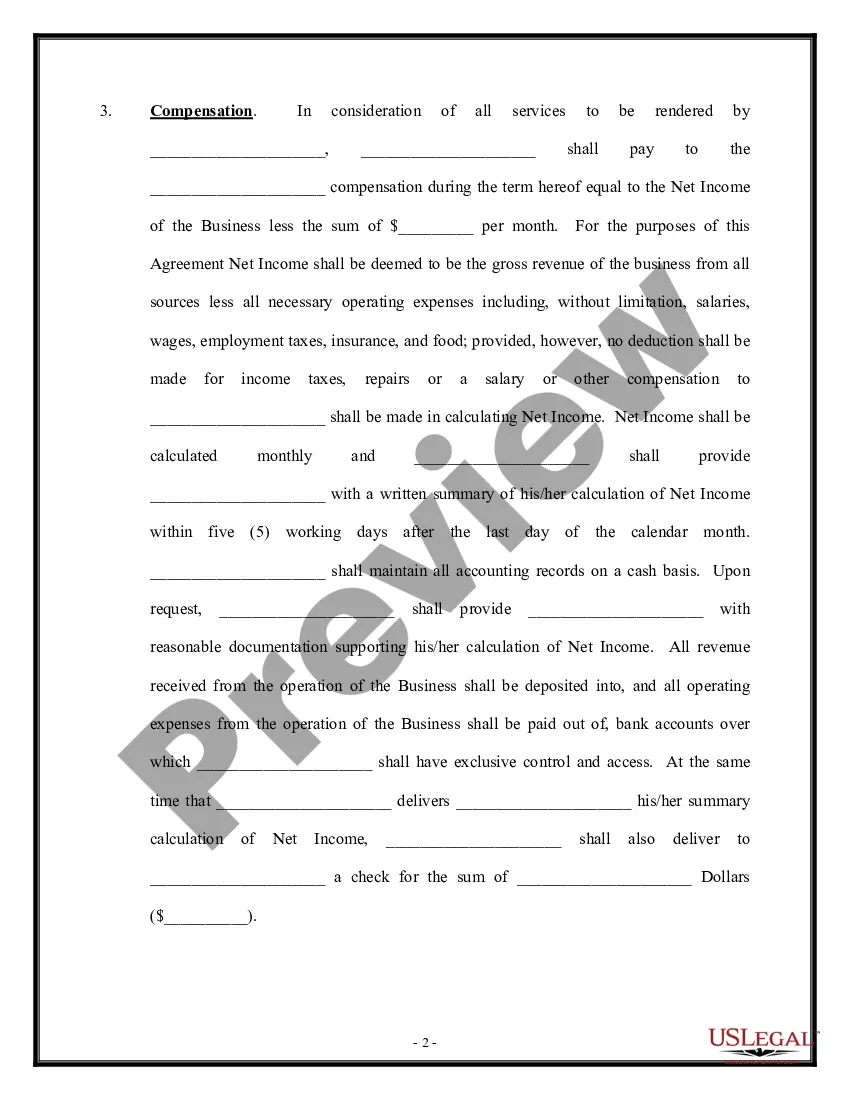
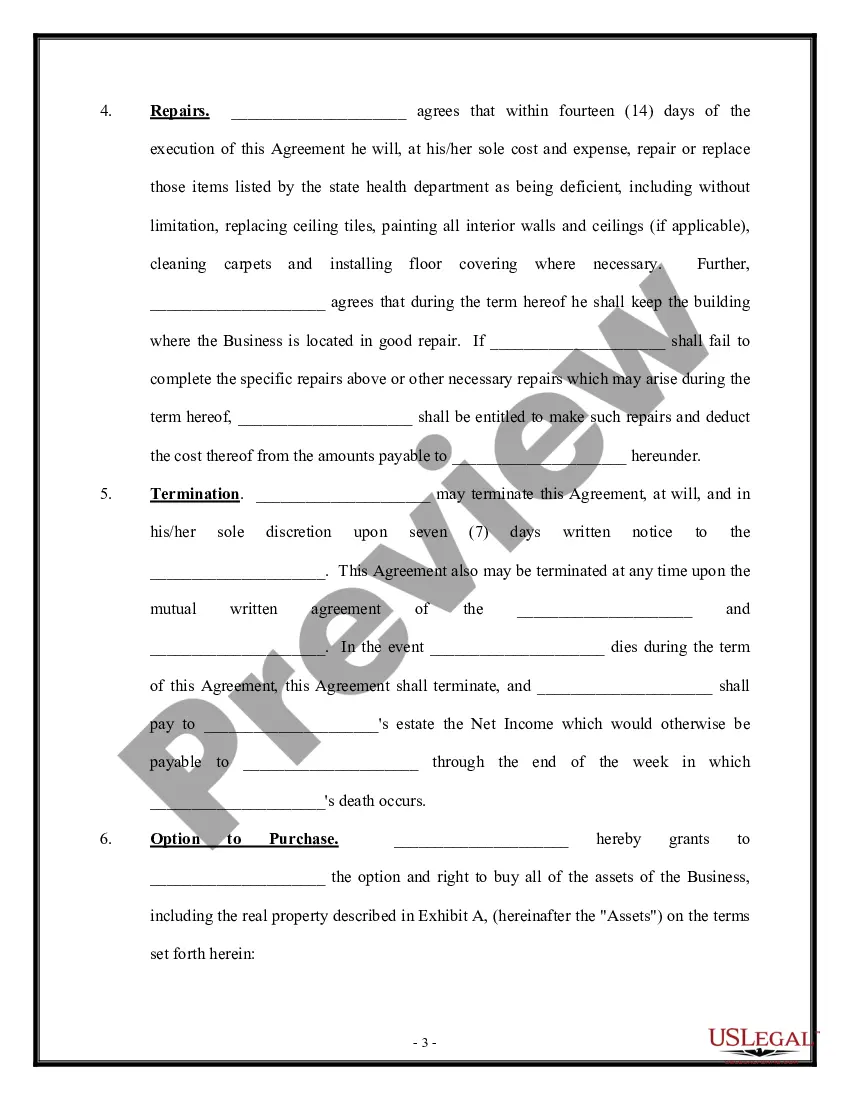
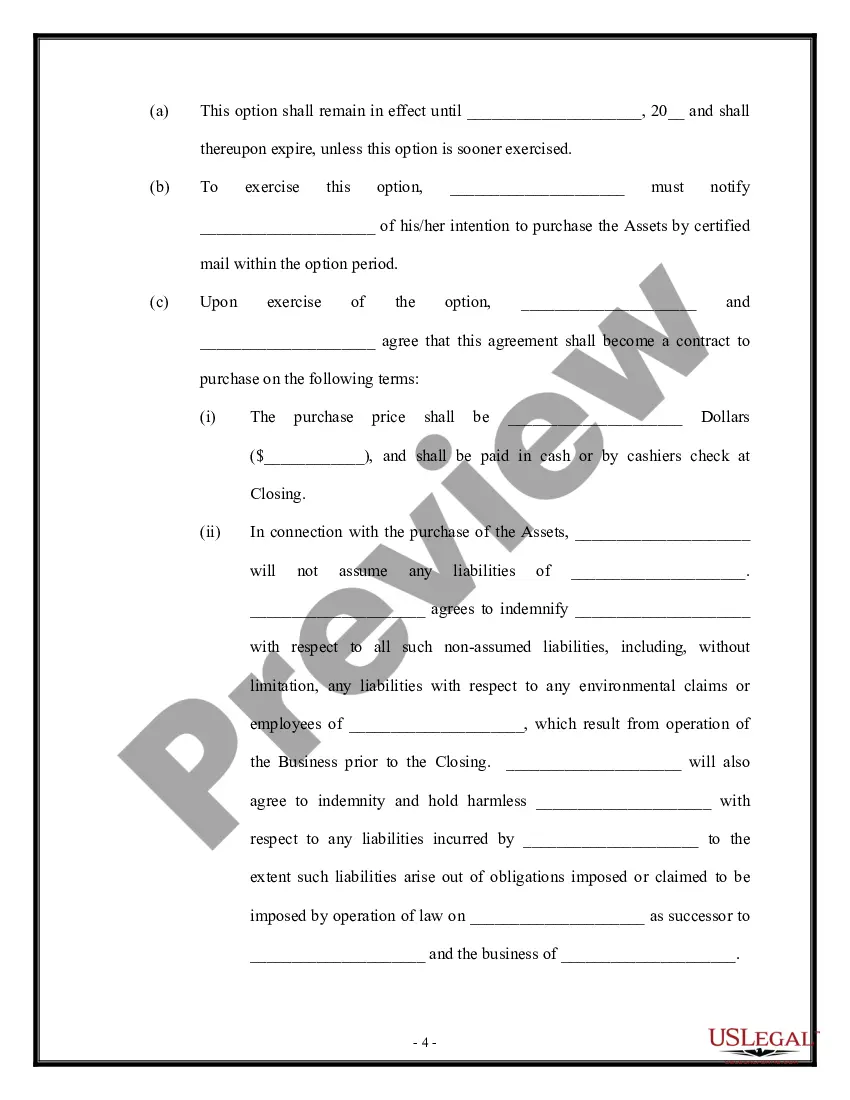
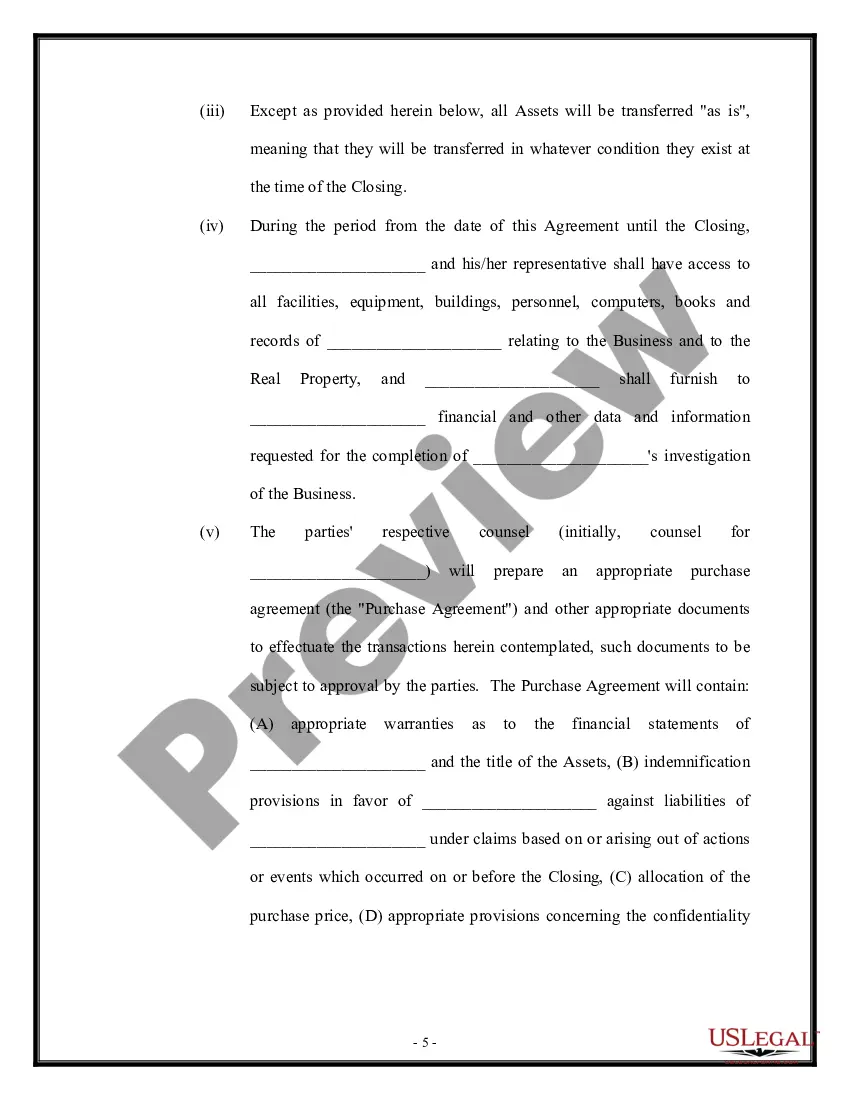
Get your form ready online
Our built-in tools help you complete, sign, share, and store your documents in one place.
Make edits, fill in missing information, and update formatting in US Legal Forms—just like you would in MS Word.
Download a copy, print it, send it by email, or mail it via USPS—whatever works best for your next step.
Sign and collect signatures with our SignNow integration. Send to multiple recipients, set reminders, and more. Go Premium to unlock E-Sign.
If this form requires notarization, complete it online through a secure video call—no need to meet a notary in person or wait for an appointment.
We protect your documents and personal data by following strict security and privacy standards.

Make edits, fill in missing information, and update formatting in US Legal Forms—just like you would in MS Word.

Download a copy, print it, send it by email, or mail it via USPS—whatever works best for your next step.

Sign and collect signatures with our SignNow integration. Send to multiple recipients, set reminders, and more. Go Premium to unlock E-Sign.

If this form requires notarization, complete it online through a secure video call—no need to meet a notary in person or wait for an appointment.

We protect your documents and personal data by following strict security and privacy standards.
Looking for another form?


Form popularity
FAQ
While it isn't illegal to use business credit cards for personal expenses, doing so may violate your credit card's terms and conditions. Potential consequences may include account closure, personal liability, more complex taxes and a negative impact on both your personal and business credit scores.
However, when you use your business bank account to cover personal expenses, you run the risk of losing that protection and being held personally liable for any of your business' liabilities. Even under other business structures that do not protect your personal assets, you may still run a risk in case of an IRS audit.
The short answer is no. You shouldn't leverage a business line of credit for personal expenses.
It isn't illegal to use a business credit card for personal expenses, but it may violate your card's terms and conditions. Violating these policies can lead to penalties or the closure of your account.
The Basics of Maintaining Your LLC Biennial Statement: Required filing in New York to keep your LLC in good standing. Articles of Organization: Updating of your LLC information in New York. Operating Agreement: Legal document outlining the internal rules and procedures of a Limited Liability Company.
No, you do not need to form an LLC before getting a business credit card.
A corporation or LLC that fails to file its Biennial Statement will be reflected in the New York Department of State's records as past due in the filing of its Biennial Statement.
New York doesn't administratively dissolve LLCs. Even if you stop doing business in New York, your LLC will remain active and in existence until you take steps to dissolve it. If you voluntarily dissolved your LLC but want to get it back into business, you'll have to start over and form a new New York LLC.
Though there is no limit to the number of business cards you can apply for, you'll want to take into account that every application initiates a hard inquiry on your credit report.
Yes. You can have multiple Chase Performance Business Checking® accounts depending on your business's finances and goals.
