Joint Lease Vs Individual Lease In King
Description

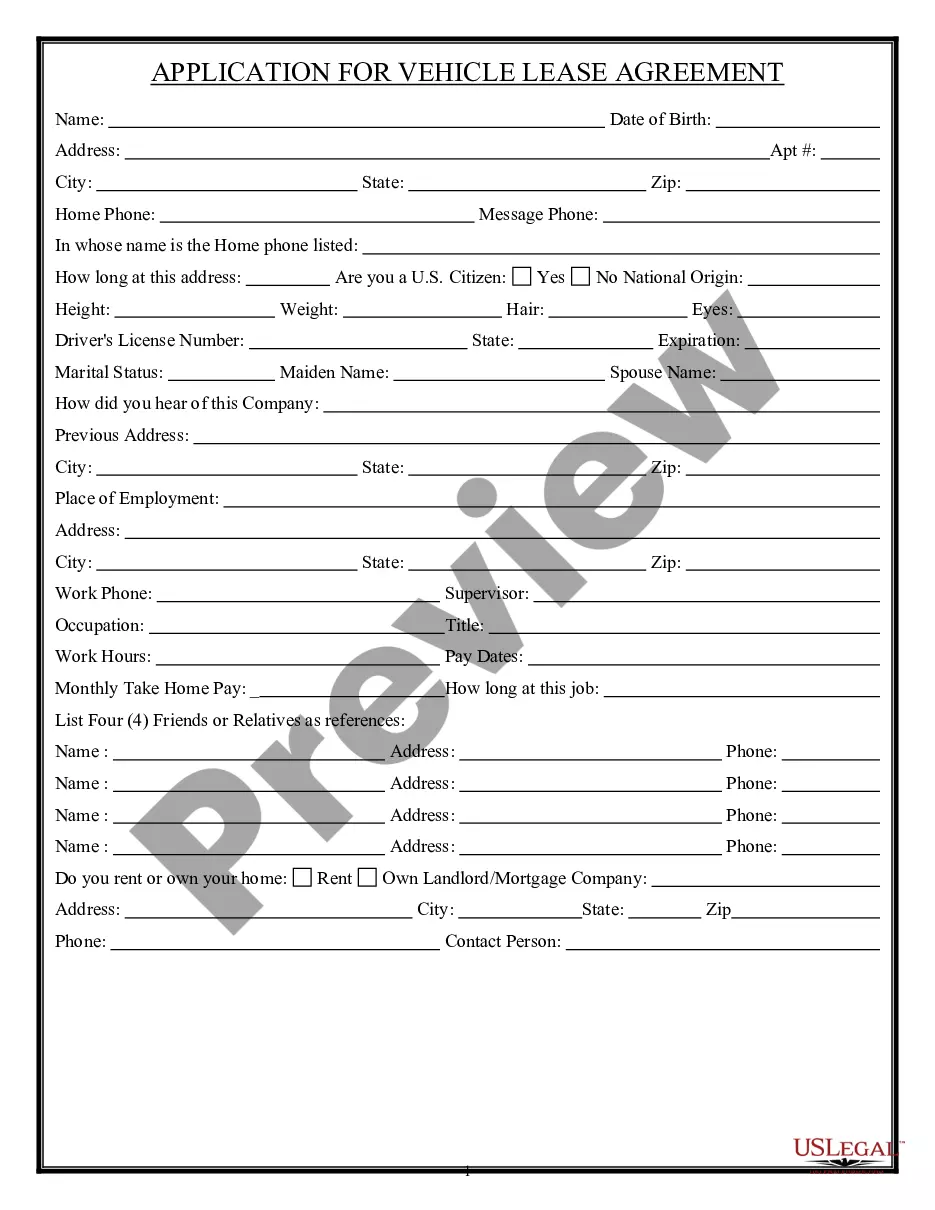
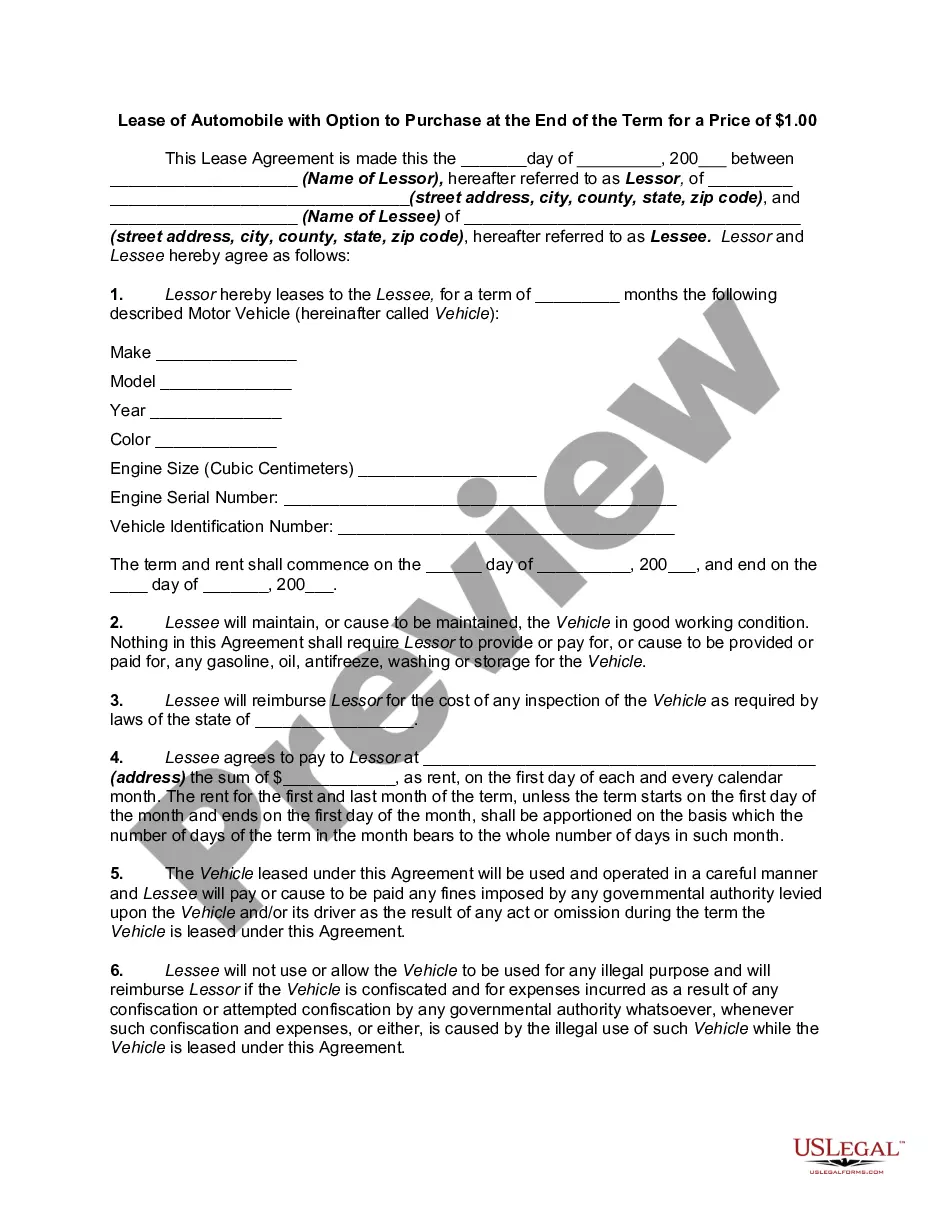
Get your form ready online
Our built-in tools help you complete, sign, share, and store your documents in one place.
Make edits, fill in missing information, and update formatting in US Legal Forms—just like you would in MS Word.
Download a copy, print it, send it by email, or mail it via USPS—whatever works best for your next step.
Sign and collect signatures with our SignNow integration. Send to multiple recipients, set reminders, and more. Go Premium to unlock E-Sign.
If this form requires notarization, complete it online through a secure video call—no need to meet a notary in person or wait for an appointment.
We protect your documents and personal data by following strict security and privacy standards.

Make edits, fill in missing information, and update formatting in US Legal Forms—just like you would in MS Word.

Download a copy, print it, send it by email, or mail it via USPS—whatever works best for your next step.

Sign and collect signatures with our SignNow integration. Send to multiple recipients, set reminders, and more. Go Premium to unlock E-Sign.

If this form requires notarization, complete it online through a secure video call—no need to meet a notary in person or wait for an appointment.

We protect your documents and personal data by following strict security and privacy standards.
Looking for another form?






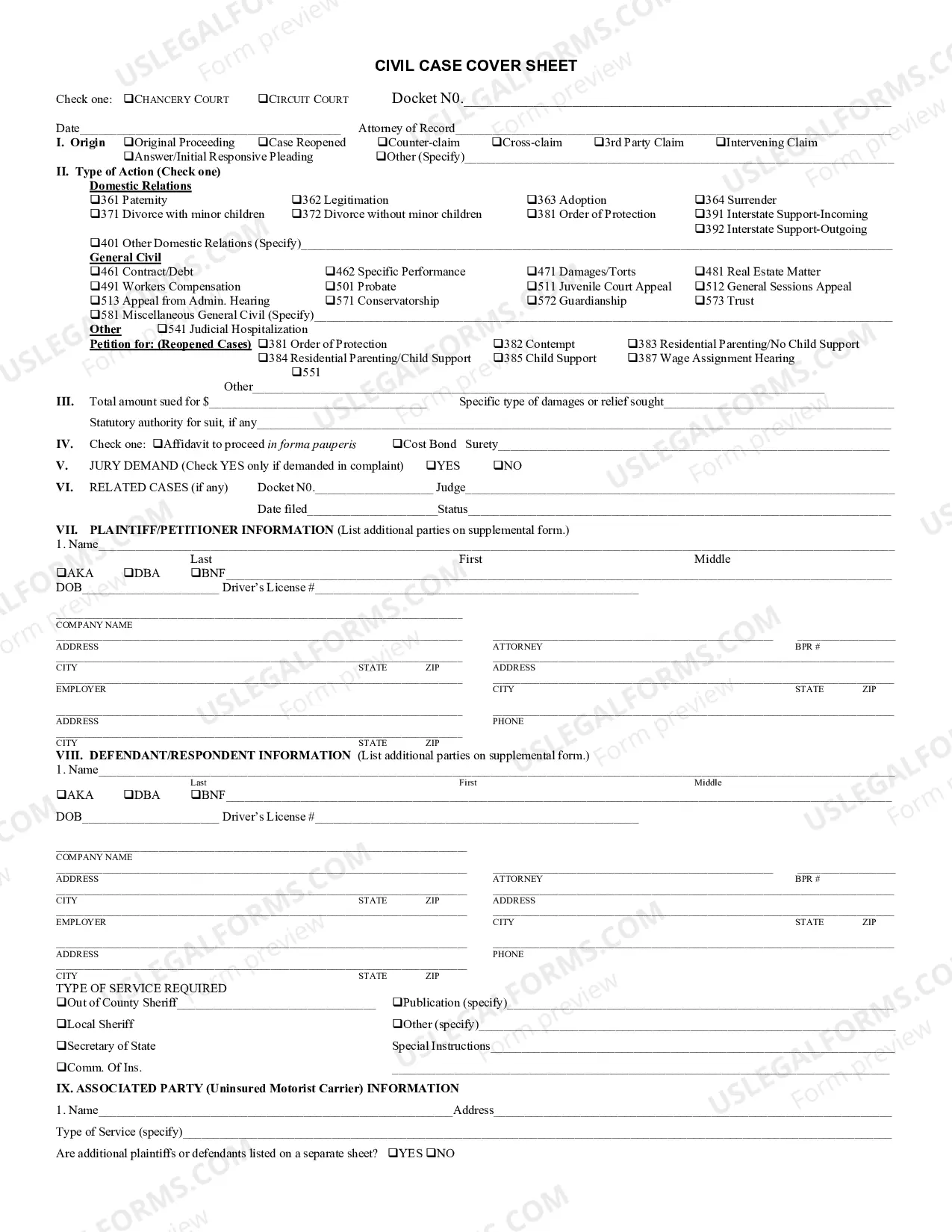



Form popularity
FAQ
Lessees who report under US GAAP (ASC 842), follow a two-model approach for the classification of lessee leases as either finance or operating. For lessors, the classification categories for leases are sales-type, direct financing, or operating.
Key Commercial Lease Types Explained Gross Lease. Often found in office buildings and retail spaces, gross leases provide a simple, all-inclusive rental arrangement. Net Lease. In net leases, the tenant assumes a more significant share of responsibility for building expenses. Modified Gross Lease. Percentage Lease.
So it's important for current and future real estate agents to understand the different types of leases used in the industry. There are four different types of lease: gross lease, net lease, percentage lease, and variable lease.
If the agreement contains a lease, it must be classified as either an operating or a finance lease and the appropriate object code must be used for transactions related to the lease.
Signing a lease agreement that doesn't protect you can have serious consequences if things go wrong. Let's review common types of lease agreements and what they mean. A fixed-term lease may be the most familiar type of rental agreement.
term lease is the most traditional lease. They're called fixed term because tenants and landlords are agreeing to abide by the lease for a fixed amount of time, normally six to 14 months.
Which type of lease would be most likely associated with an apartment rental? Choose only ONE best answer. The correct answer is 'A' It is common for residential leases to be gross leases - with rent being charged at a fixed rate.
Rental agreements terminate when the lease period expires, unless extended by mutual agreement between the lessor and lessee. A royalty agreement does not transfer ownership of the asset; it grants the user the right to use or profit from the intellectual property or resources for a limited time.
One-year lease deals are widely available, but two- and three-year contracts are most popular.