Capital Contribution Board Resolution In North Carolina
Description

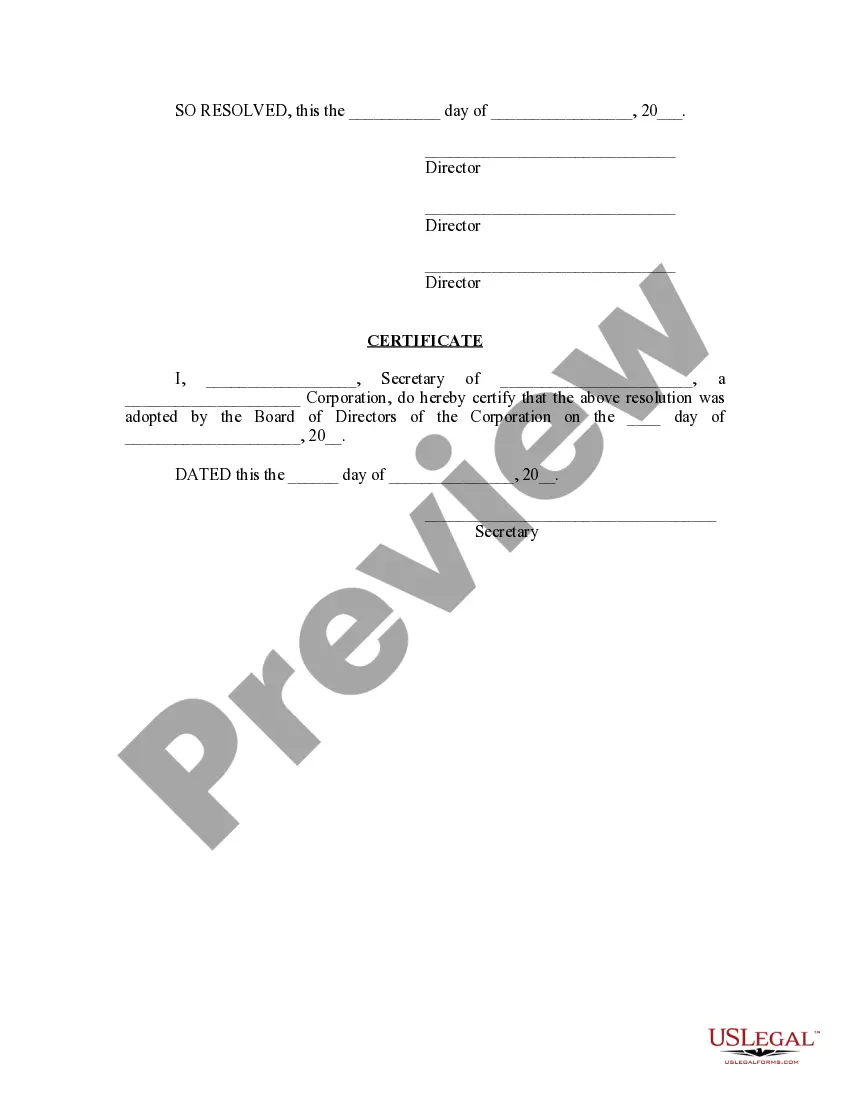


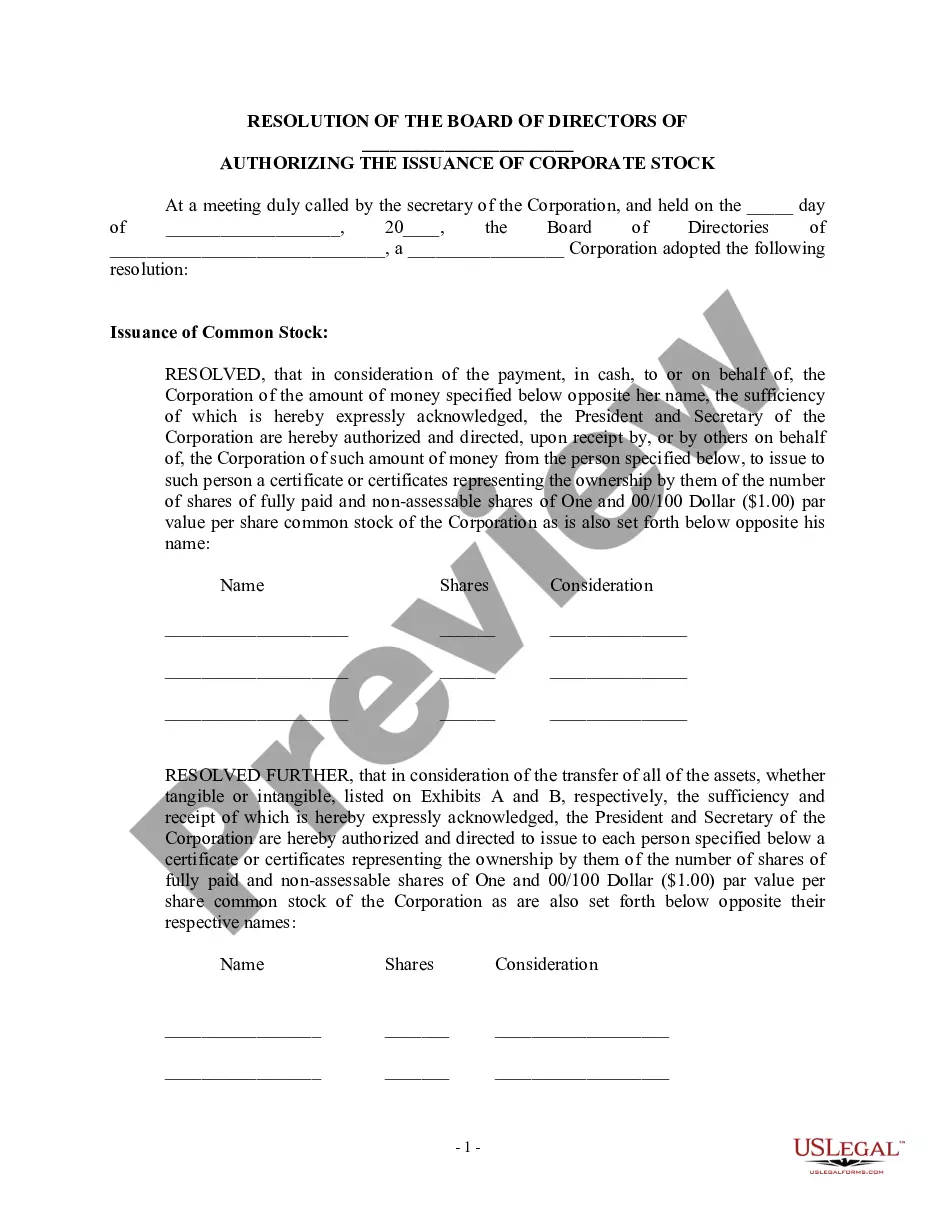
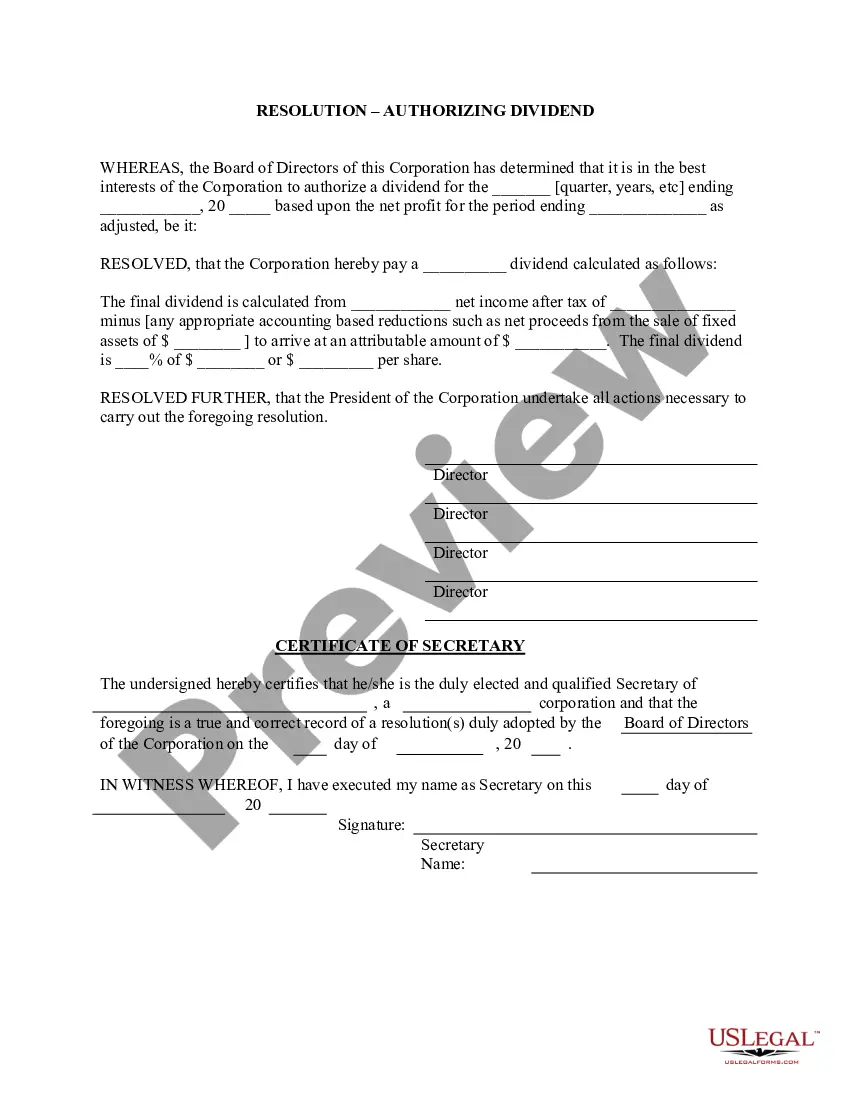
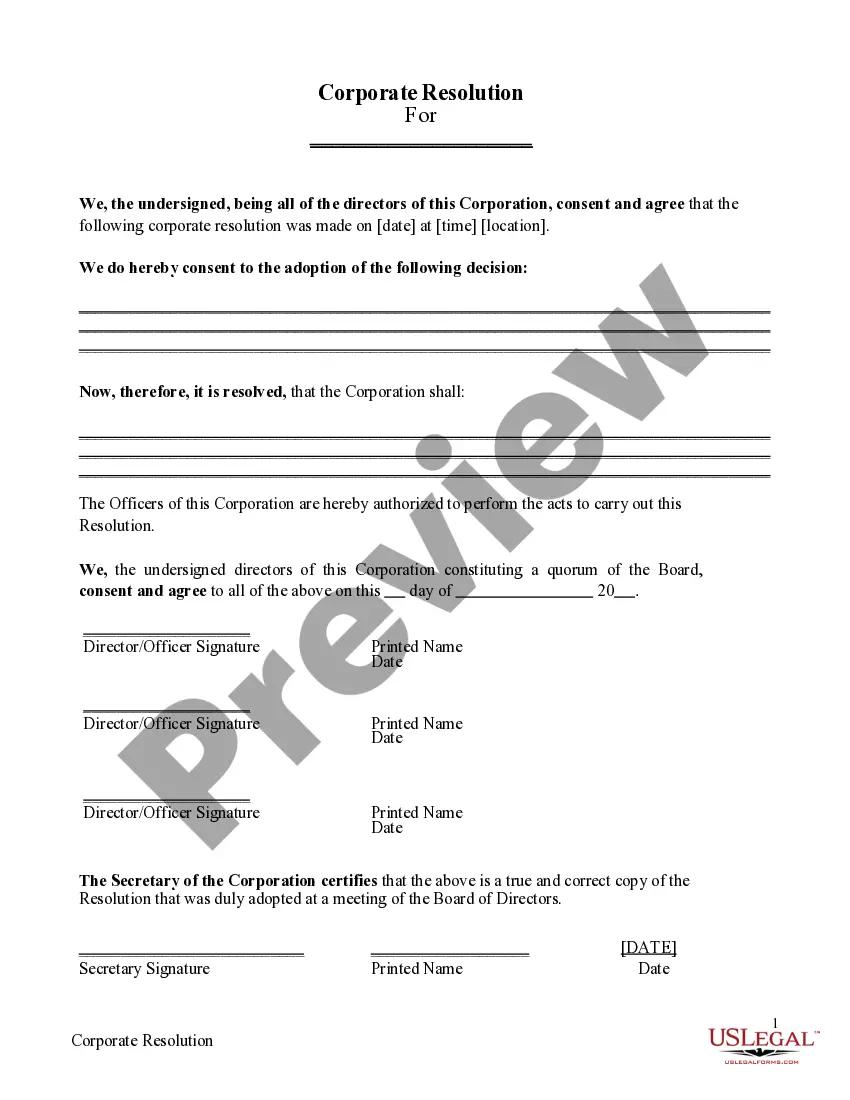
Get your form ready online
Our built-in tools help you complete, sign, share, and store your documents in one place.
Make edits, fill in missing information, and update formatting in US Legal Forms—just like you would in MS Word.
Download a copy, print it, send it by email, or mail it via USPS—whatever works best for your next step.
Sign and collect signatures with our SignNow integration. Send to multiple recipients, set reminders, and more. Go Premium to unlock E-Sign.
If this form requires notarization, complete it online through a secure video call—no need to meet a notary in person or wait for an appointment.
We protect your documents and personal data by following strict security and privacy standards.

Make edits, fill in missing information, and update formatting in US Legal Forms—just like you would in MS Word.

Download a copy, print it, send it by email, or mail it via USPS—whatever works best for your next step.

Sign and collect signatures with our SignNow integration. Send to multiple recipients, set reminders, and more. Go Premium to unlock E-Sign.

If this form requires notarization, complete it online through a secure video call—no need to meet a notary in person or wait for an appointment.

We protect your documents and personal data by following strict security and privacy standards.
Looking for another form?
Form popularity
FAQ
Board Resolutions: Capital Contribution (Corporate Limited Partner) Resolutions of the board of directors of a corporate limited partner authorizing an additional contribution of capital to a limited partnership (LP). This Standard Clause has integrated Drafting Notes with important explanations and drafting tips.
North Carolina nonprofit corporations are required to register with the North Carolina Secretary of State. To maintain their registration, nonprofit corporations must comply with all state licensing and reporting requirements, including, for many nonprofit organizations, maintaining a charitable solicitation license.
Return of Capital Resolution means the special resolution in respect of the (i) reduction of the Corporation's stated capital by an amount equal to not less than the value of the Digital Shares and Digital Warrants acquired by the Corporation in the Private Placement, and (ii) the distribution of such Digital Shares ...
Board Resolutions: Capital Contribution (Corporate Limited Partner) Resolutions of the board of directors of a corporate limited partner authorizing an additional contribution of capital to a limited partnership (LP).
A capital contribution is a business owner putting their own financial resources or material into their company in order to increase equity capital and improve liquidity. The same applies to partnerships: Each shareholder has the option of making their own assets available to the company.
A capital contribution can be documented by way of: Board minutes of the shareholder (resolving to make the capital contribution). Board minutes of recipient subsidiary (noting receipt of the contribution and the account to be credited).
North Carolina law requires only one board member, but best practices recommend that you have at least five; a minimum of seven is preferable.
Steps to Dissolve a Partnership in California Review the Partnership Agreement. The first step is to review the partnership agreement. Mutual Agreement to Dissolve. File a Statement of Dissolution. Notify Creditors and Clients. Settle Debts and Obligations. Tax Considerations. Close Business Accounts.
