Capital Resolutions Llc In Michigan
Description

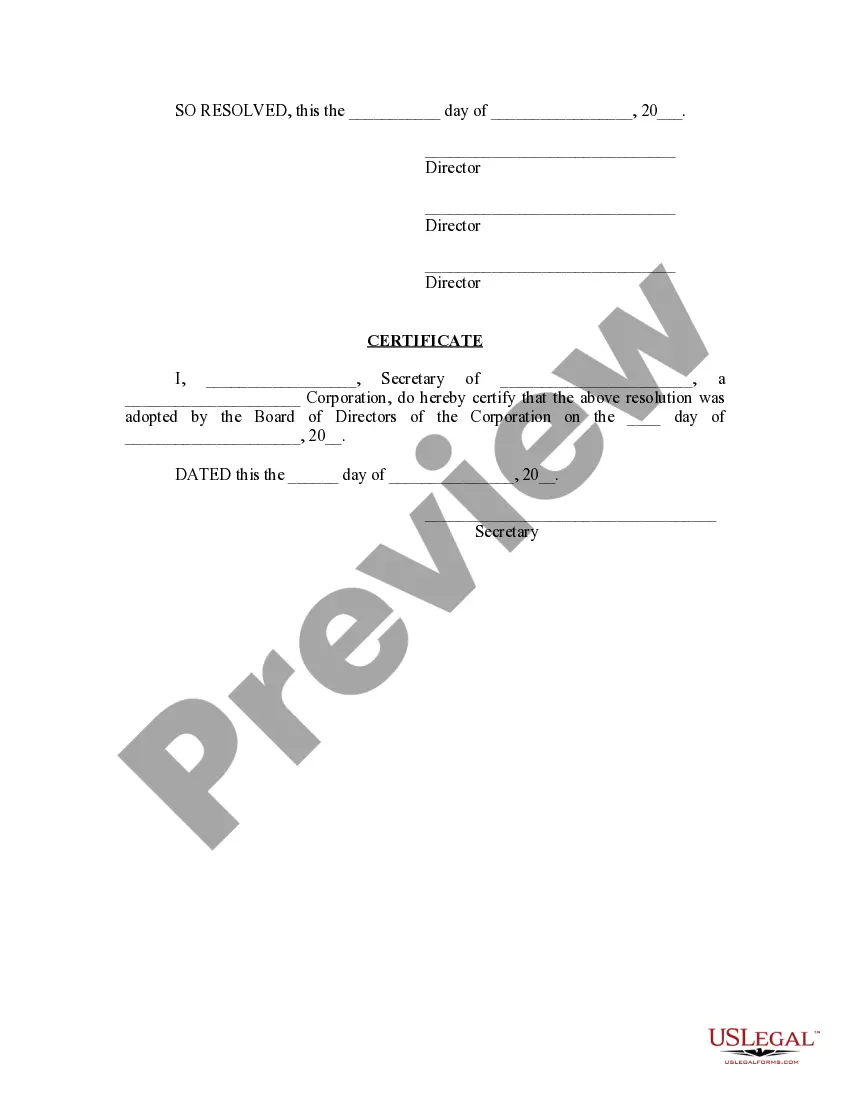


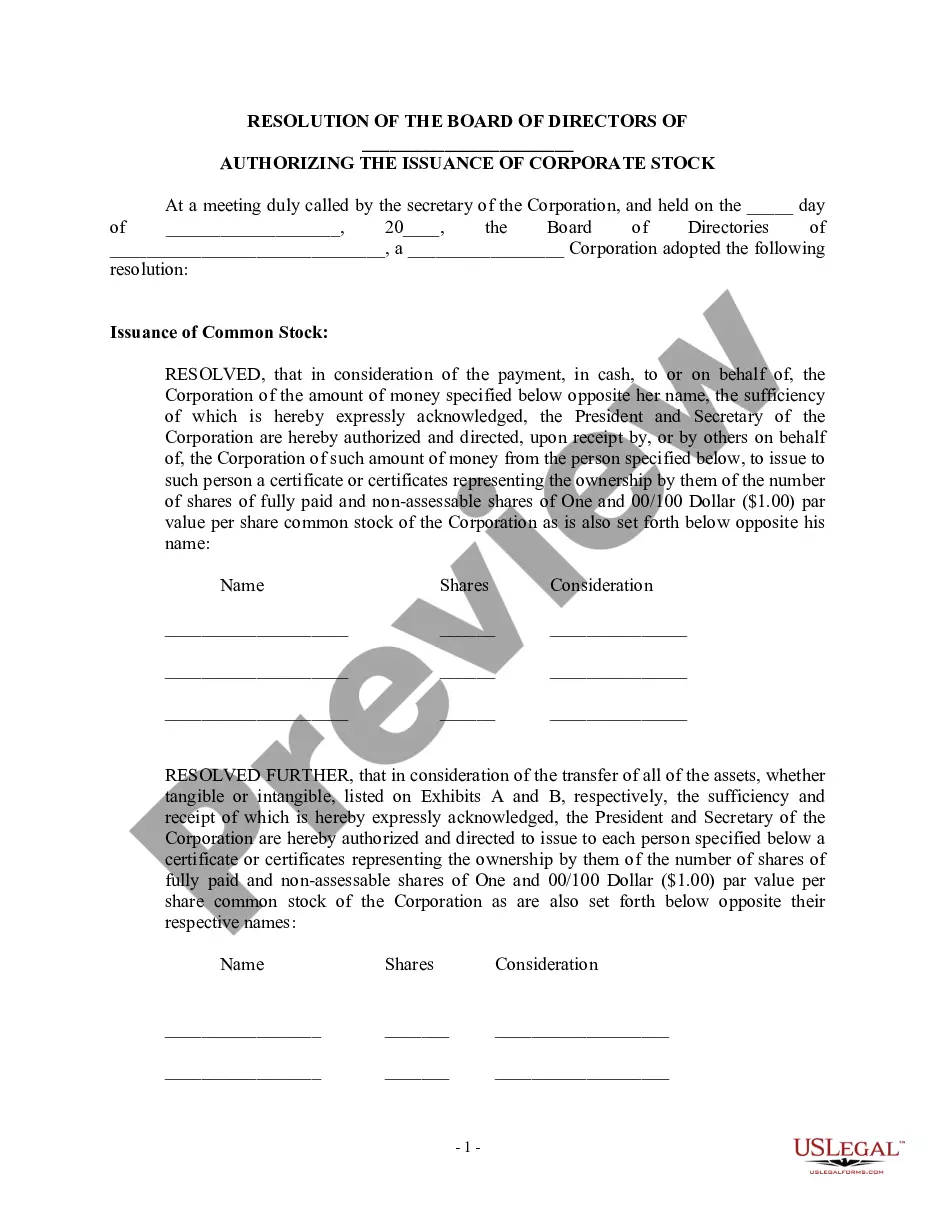
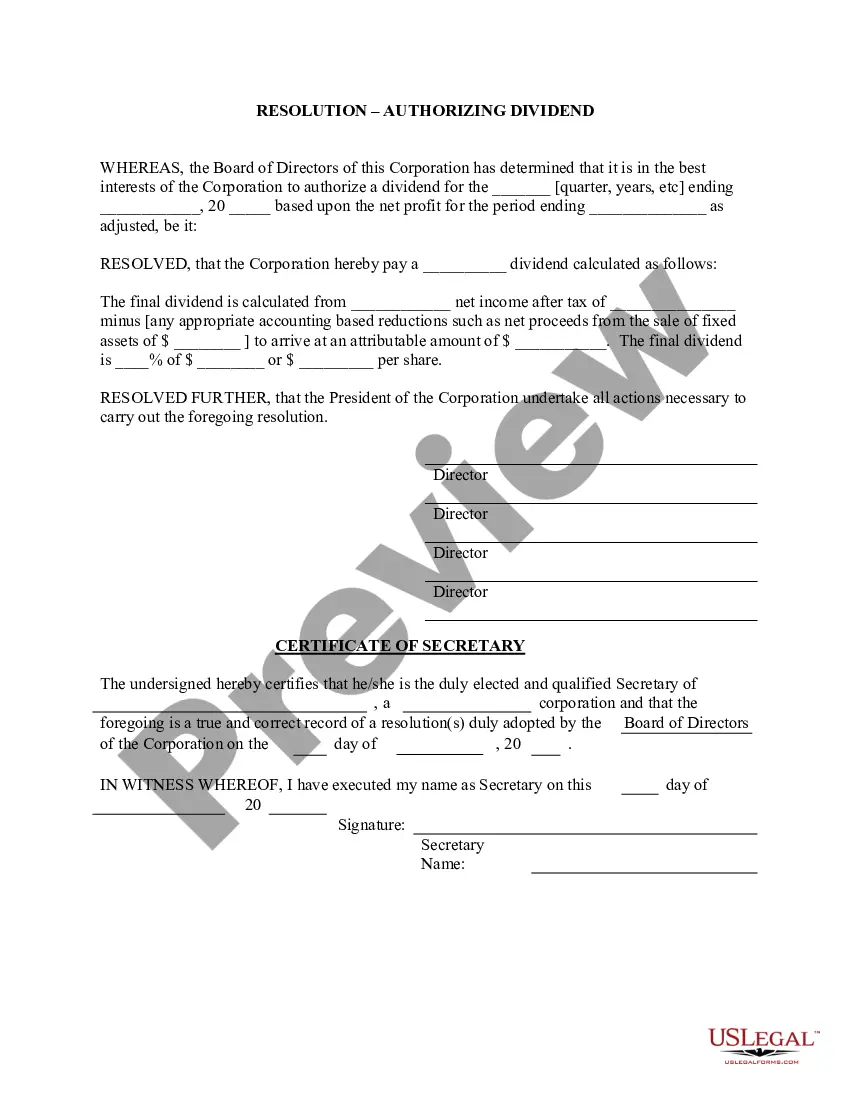
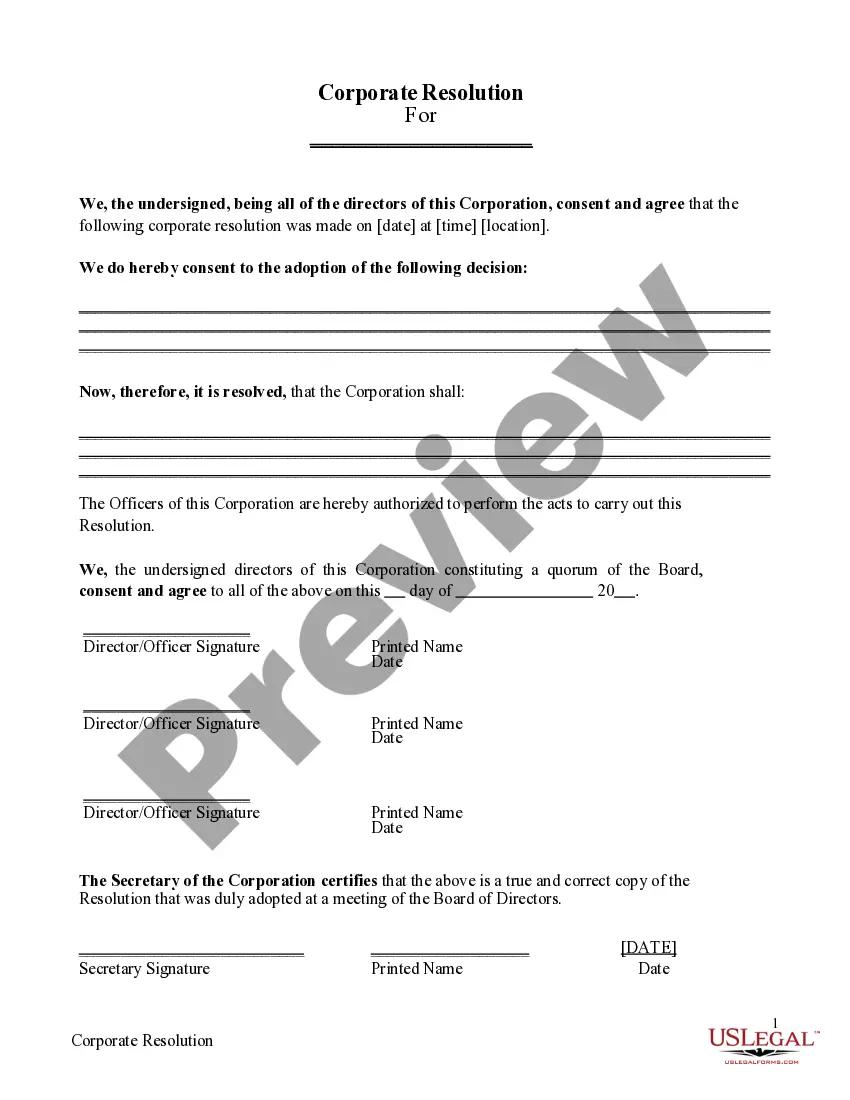
Get your form ready online
Our built-in tools help you complete, sign, share, and store your documents in one place.
Make edits, fill in missing information, and update formatting in US Legal Forms—just like you would in MS Word.
Download a copy, print it, send it by email, or mail it via USPS—whatever works best for your next step.
Sign and collect signatures with our SignNow integration. Send to multiple recipients, set reminders, and more. Go Premium to unlock E-Sign.
If this form requires notarization, complete it online through a secure video call—no need to meet a notary in person or wait for an appointment.
We protect your documents and personal data by following strict security and privacy standards.

Make edits, fill in missing information, and update formatting in US Legal Forms—just like you would in MS Word.

Download a copy, print it, send it by email, or mail it via USPS—whatever works best for your next step.

Sign and collect signatures with our SignNow integration. Send to multiple recipients, set reminders, and more. Go Premium to unlock E-Sign.

If this form requires notarization, complete it online through a secure video call—no need to meet a notary in person or wait for an appointment.

We protect your documents and personal data by following strict security and privacy standards.
Looking for another form?




Form popularity
FAQ
It takes four weeks to form an LLC in Michigan if you file by mail and 10 business days if submitted your application online. The state of Michigan offers expedited service by mail, which costs $50 for 24-hour processing, $100 for same-day approval, $500 for 2-hour turnaround, $1,000 for 1-hour application.
The legal forms that officially create your LLC are the Articles of Organization. In Michigan, this is also called Form CSCL/CD-700 (for PLLCs, it's Form CSCL/CD-701.) You'll file the articles online or by mail with LARA.
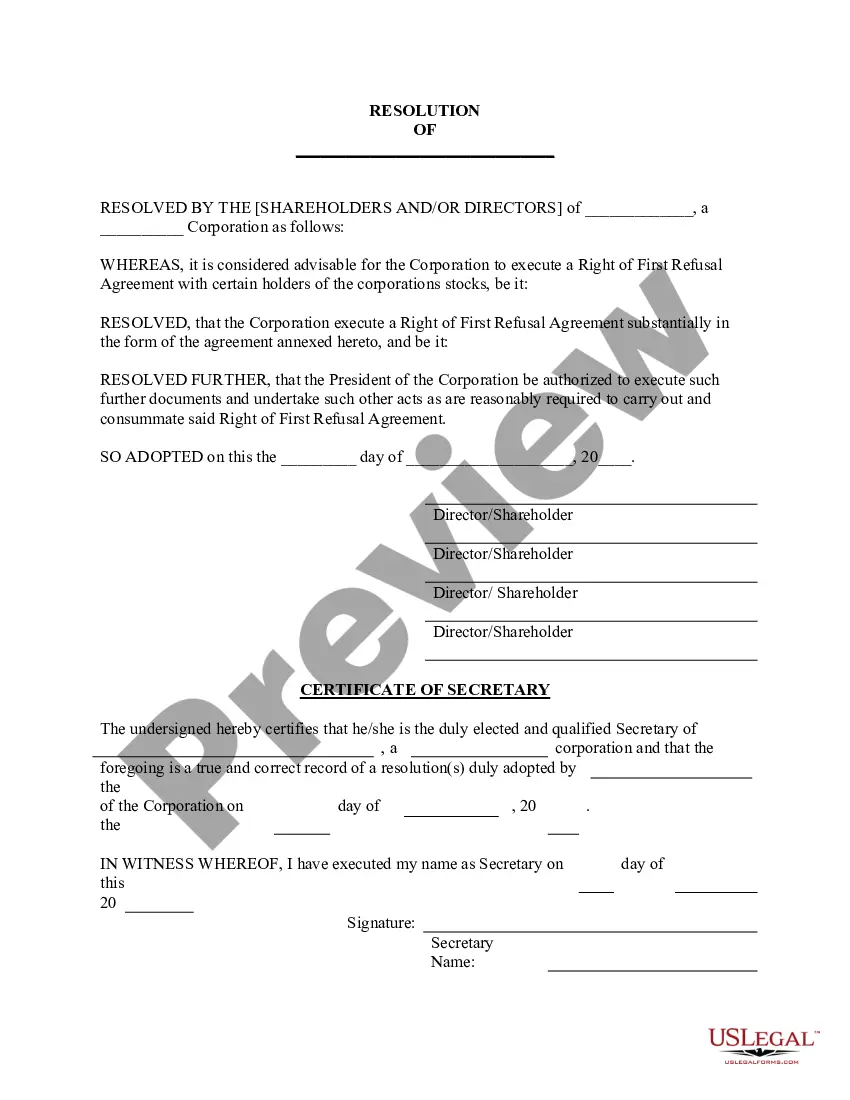
LLC managers may occasionally need to make a resolution—a formal record of a vote that authorizes a specific business action. Typically, resolutions are made by the members of an LLC. However, there are some cases where members have granted authority to managers to make resolutions on behalf of the company.
The Michigan Business Entity Search is an online tool provided by the Michigan Department of Licensing and Regulatory Affairs (LARA). It allows users to search for registered businesses in the state, offering crucial information about their status, ownership, and compliance with state regulations.
There is no minimum income you have to meet before your small corporation is taxed. Every dollar it earns (after deductions and credits are factored in) will be taxed at 21%. Corporate tax rates also apply to limited liability companies (LLCs) who have elected to be taxed as corporations.
The State of Michigan offers a favorable environment for forming a Limited Liability Company (LLC). Entrepreneurs benefit from the legal protection that an LLC provides. This structure separates personal assets from business liabilities, reducing risk for owners.
How to get an LLC in Michigan in 8 steps Name your Michigan LLC. Choose your resident agent. Prepare and file articles of organization. Create an operating agreement. Get an employer identification number and open a business bank account. Comply with employer obligations. Obtain business licenses. Register for state taxes.
Any LLC member can propose a resolution, but all members must vote on it. Typically a majority of the members is needed to pass the resolution, but each LLC may have different voting rights. Some LLCs give a different value to each member's vote based on their percentage of interest in the company.
Under Michigan law, LLC members can remove a manager for cause. However, a member can neither withdraw nor be expelled unless the operating agreement allows it. Most operating agreements include provisions dictating circumstances where a member can be removed. This may require a vote of other members.
