Trademark Law In Cambodia In Wayne
Description

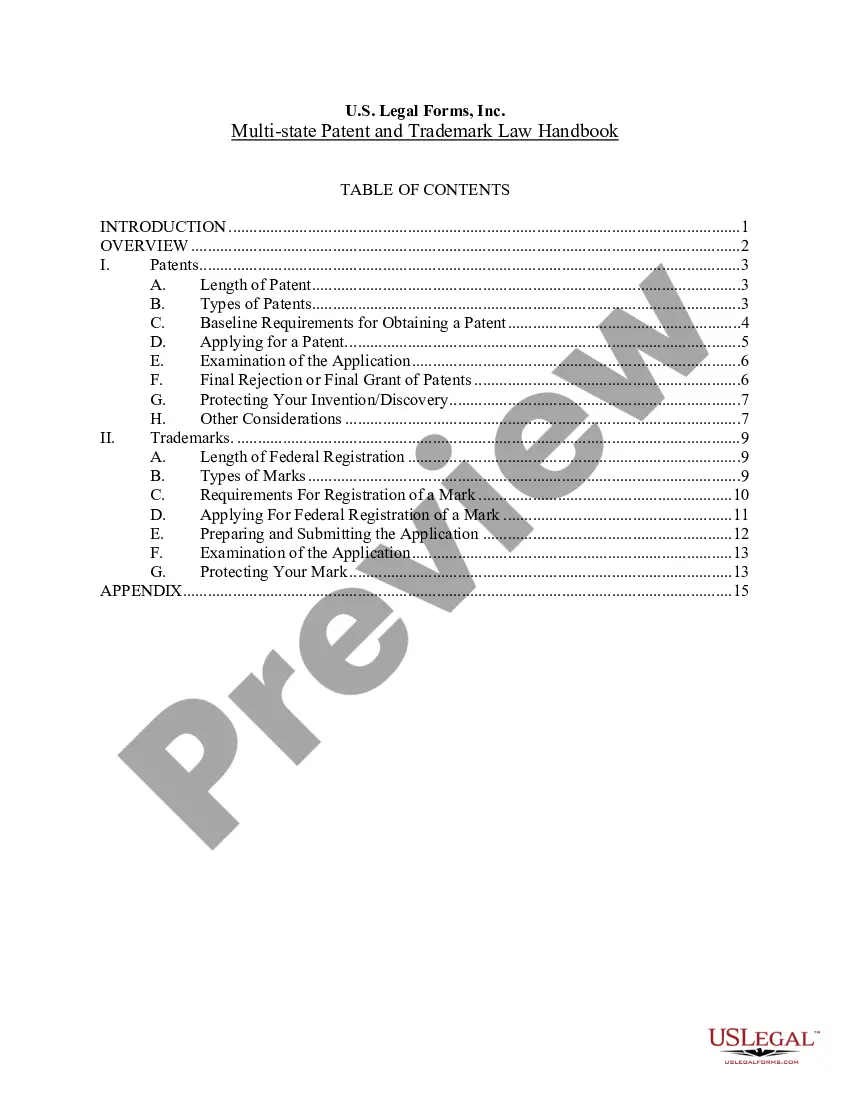
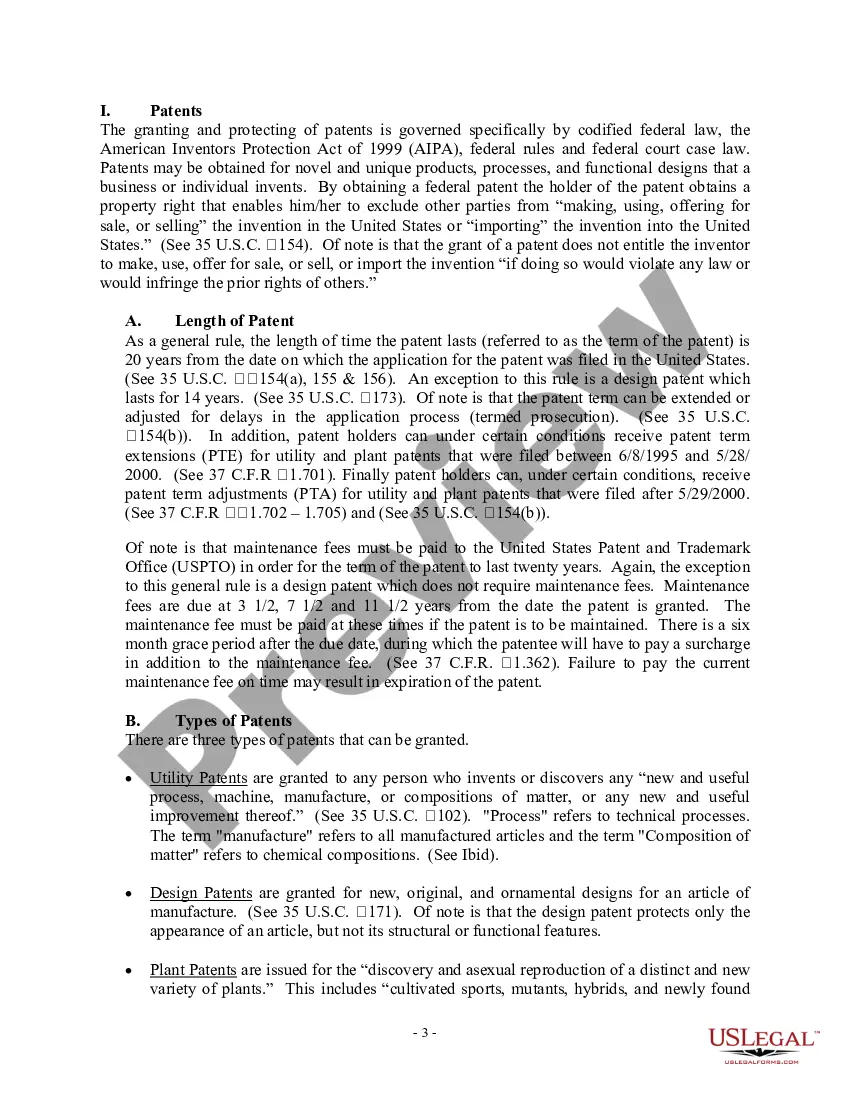
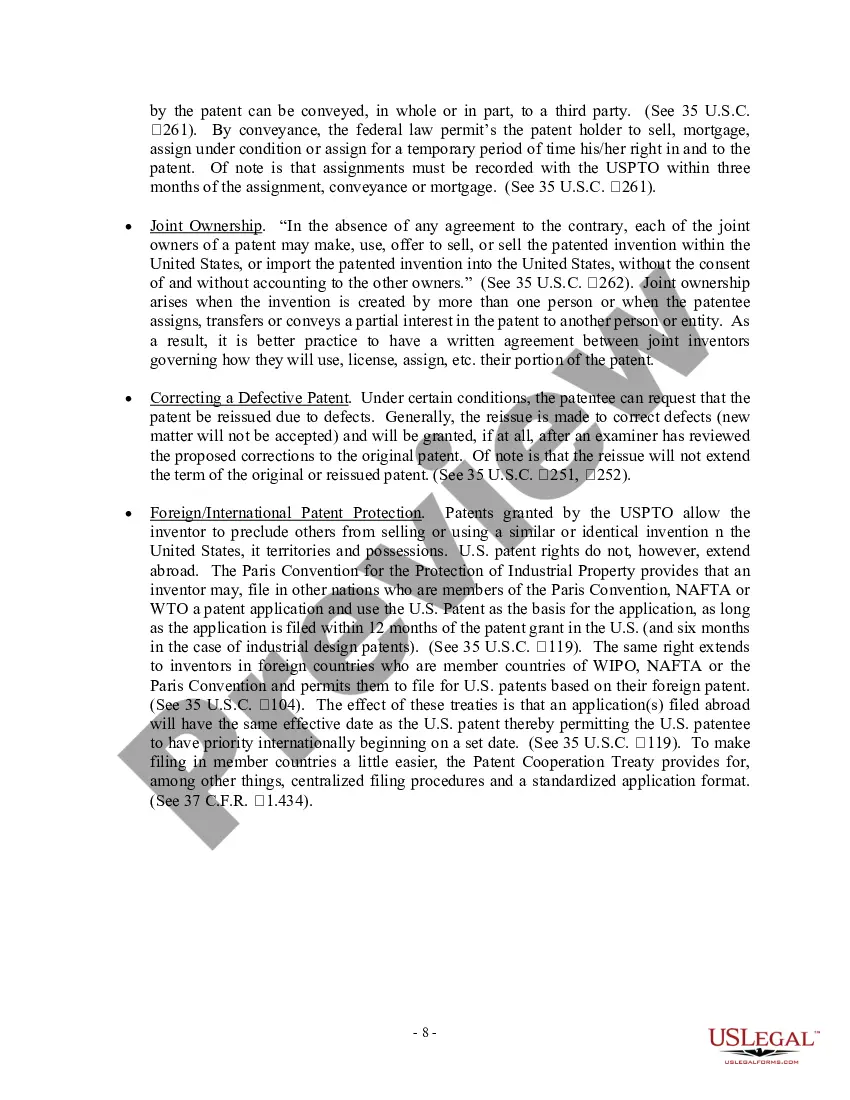


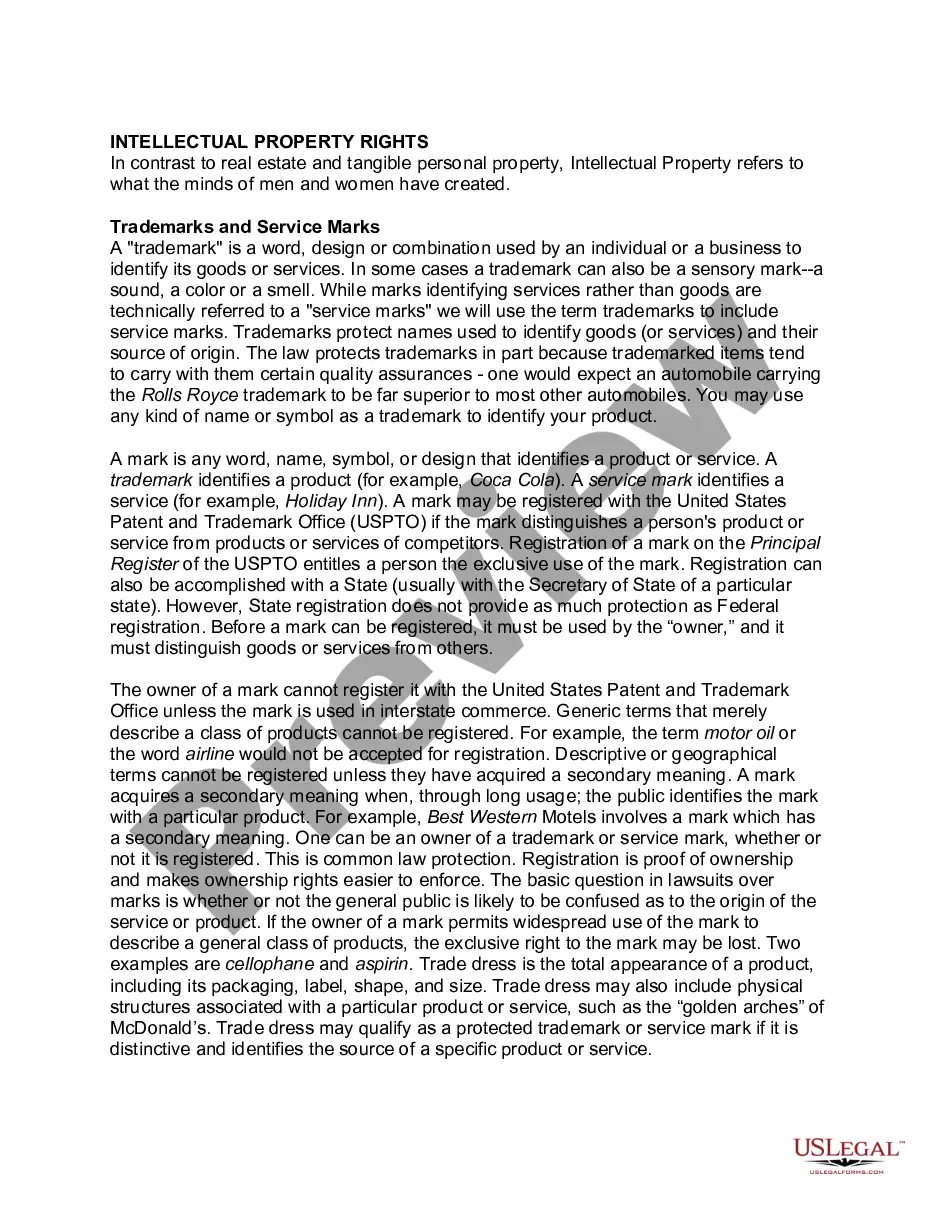
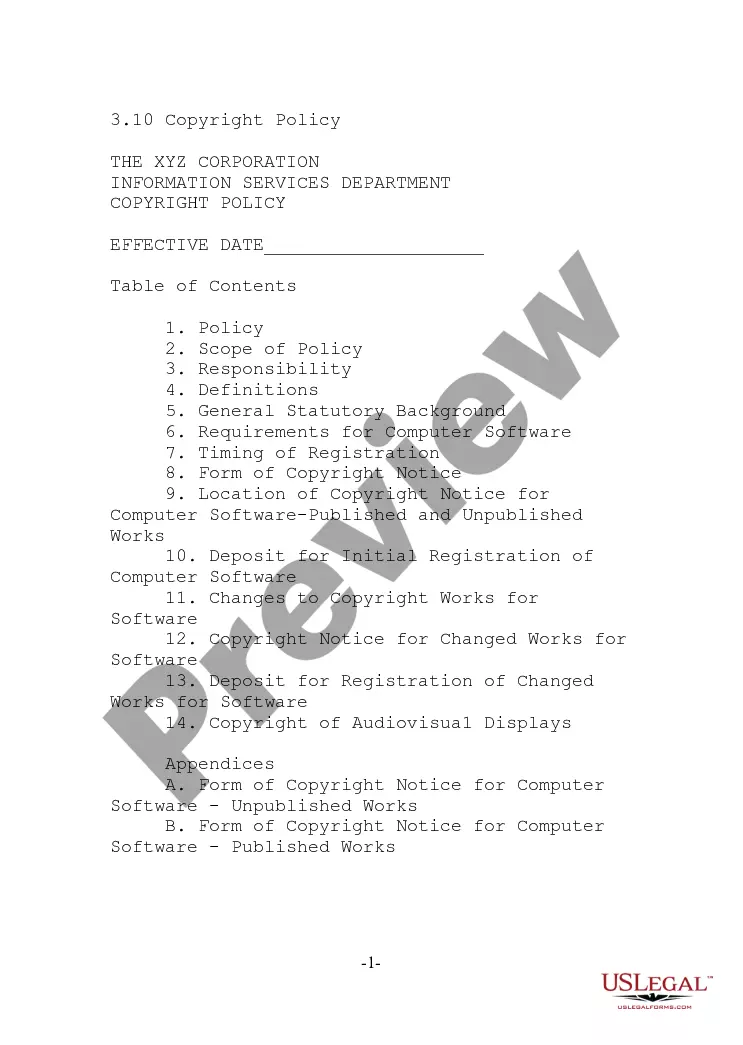
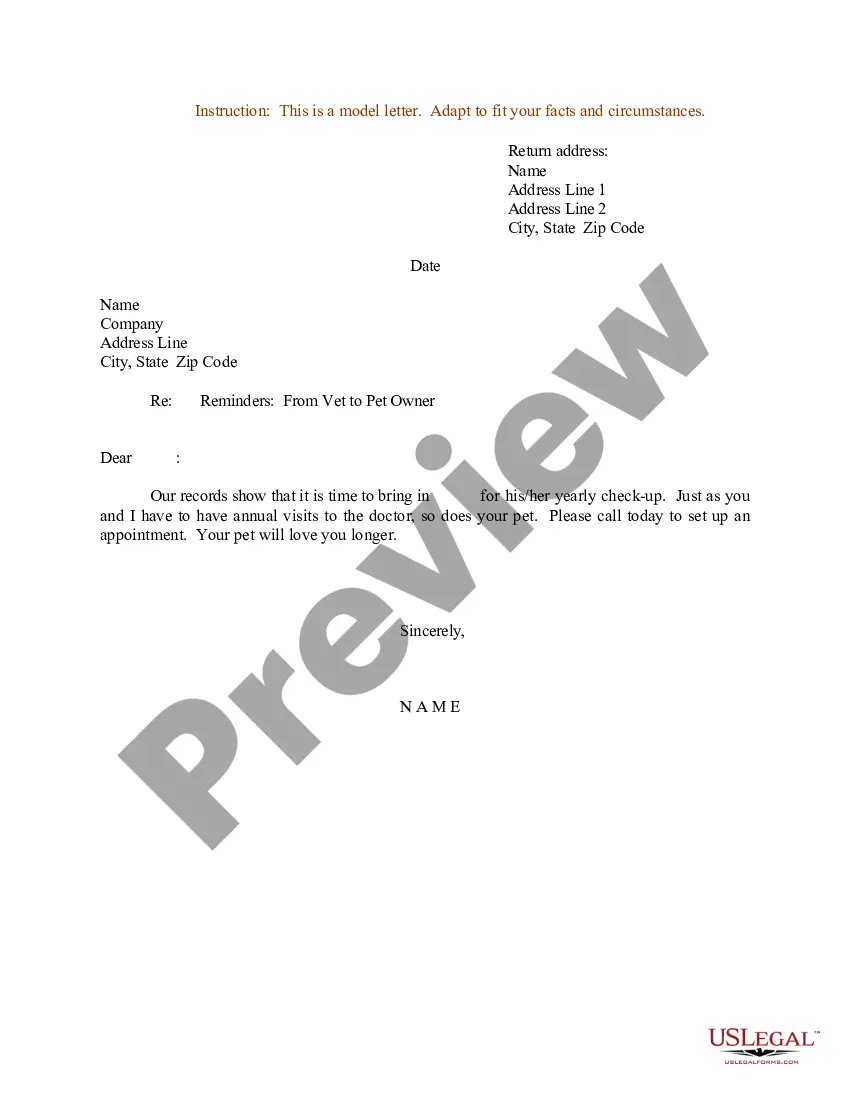
Get your form ready online
Our built-in tools help you complete, sign, share, and store your documents in one place.
Make edits, fill in missing information, and update formatting in US Legal Forms—just like you would in MS Word.
Download a copy, print it, send it by email, or mail it via USPS—whatever works best for your next step.
Sign and collect signatures with our SignNow integration. Send to multiple recipients, set reminders, and more. Go Premium to unlock E-Sign.
If this form requires notarization, complete it online through a secure video call—no need to meet a notary in person or wait for an appointment.
We protect your documents and personal data by following strict security and privacy standards.

Make edits, fill in missing information, and update formatting in US Legal Forms—just like you would in MS Word.

Download a copy, print it, send it by email, or mail it via USPS—whatever works best for your next step.

Sign and collect signatures with our SignNow integration. Send to multiple recipients, set reminders, and more. Go Premium to unlock E-Sign.

If this form requires notarization, complete it online through a secure video call—no need to meet a notary in person or wait for an appointment.

We protect your documents and personal data by following strict security and privacy standards.
Looking for another form?








Form popularity
FAQ
To get permission to sell a company's products, reach out to their licensing or sales team. Make sure to get everything in writing, especially if you're selling on sites like Amazon or your own online store.
Request Permission: Submit a formal request that outlines how and where you want to use the logo. Negotiate Terms: If the owner has conditions, discuss them and make sure they work for your needs.
Federal registration may be obtained by contacting the United States Patent and Trademark Office at 800-786-9199.
Contact the owner of the material you want to use, explain how you want to use their material, and ask for permission to use it.
In general, the permissions process involves a simple five-step procedure: Determine if permission is needed. Identify the owner. Identify the rights needed. Contact the owner and negotiate whether payment is required. Get your permission agreement in writing.
In general, the permissions process involves a simple five-step procedure: Determine if permission is needed. Identify the owner. Identify the rights needed. Contact the owner and negotiate whether payment is required. Get your permission agreement in writing.
This protection covers the life of the author, and the whole 50 (fifty) years following his/her decease. In the case of a work of collaboration, the economic rights shall be protected during the life of the last surviving author and for 50 (fifty) years after his/her death.
You can use someone else's trademark without permission if you are using it for informational purposes. This exception applies to situations where you are: Expressing an opinion.
Using a trade mark without permission is considered trade mark infringement and can result in serious consequences. Infringing on someone else's trade mark rights can result in liability for damages and penalties, which can be substantial.
