Patent Use Can For Product Or Process In Washington
Description

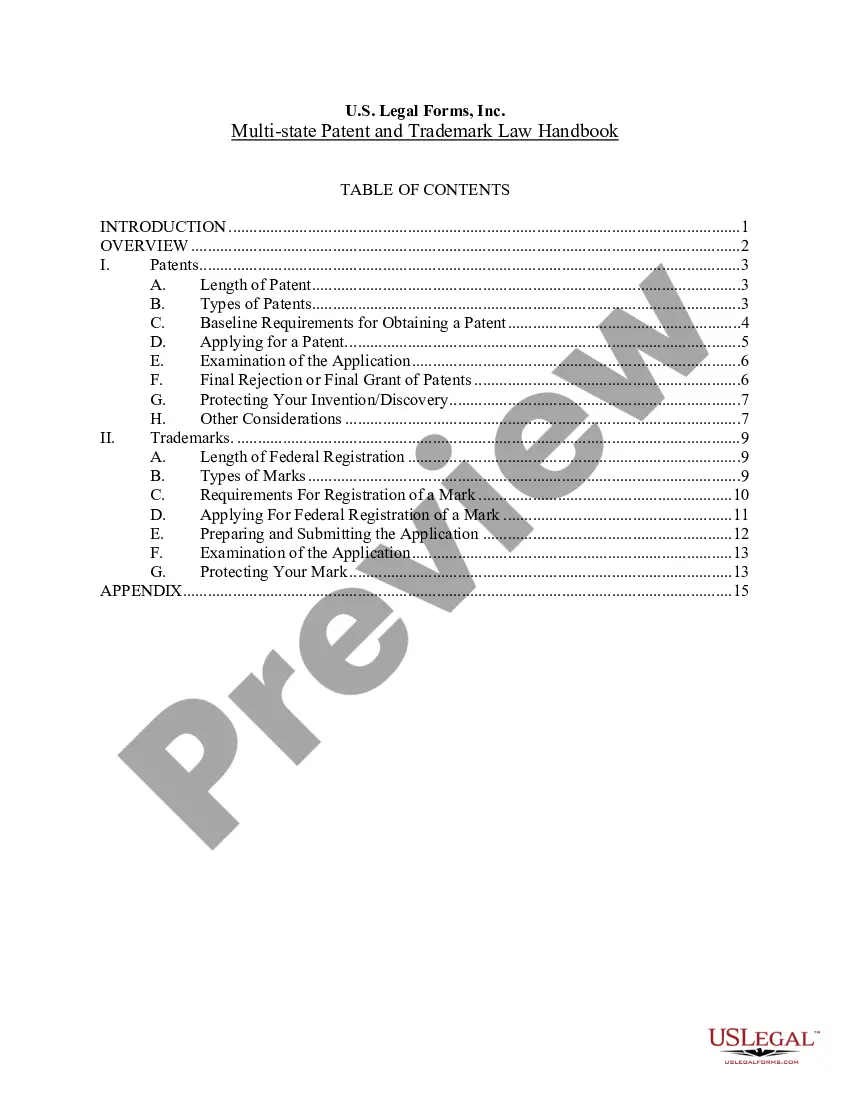
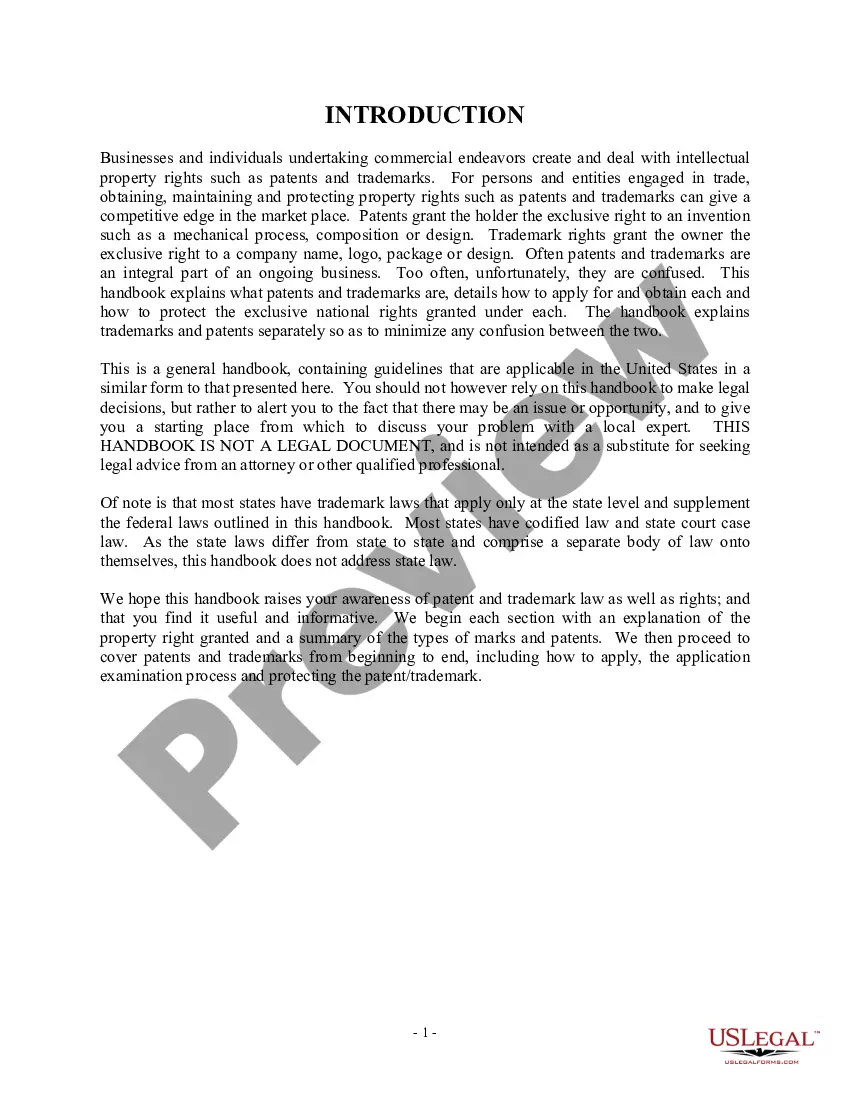
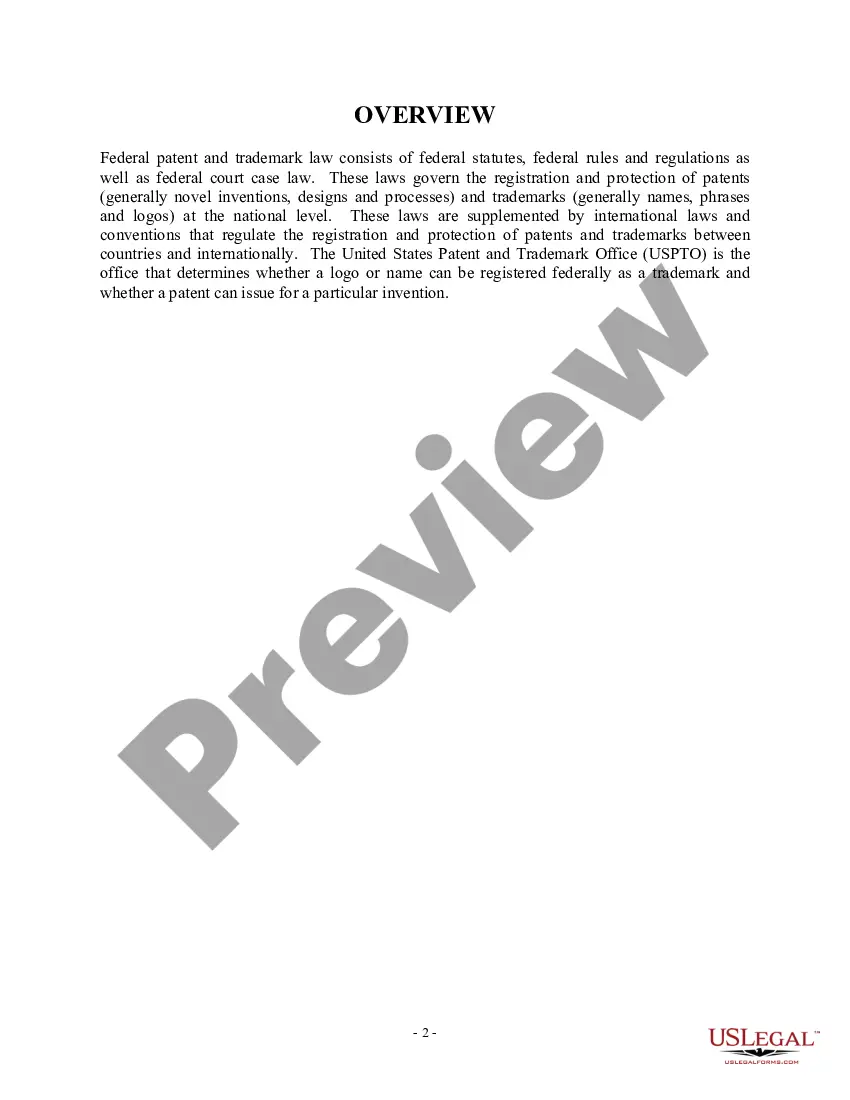
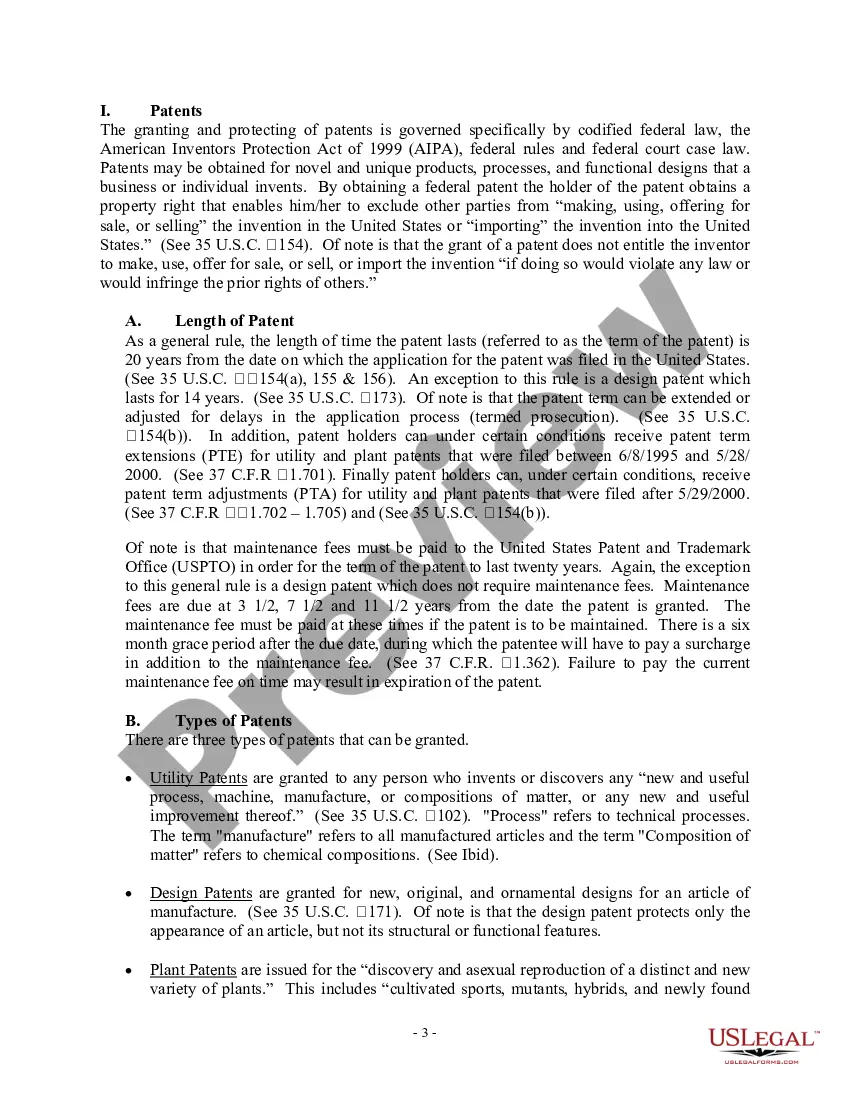


Get your form ready online
Our built-in tools help you complete, sign, share, and store your documents in one place.
Make edits, fill in missing information, and update formatting in US Legal Forms—just like you would in MS Word.
Download a copy, print it, send it by email, or mail it via USPS—whatever works best for your next step.
Sign and collect signatures with our SignNow integration. Send to multiple recipients, set reminders, and more. Go Premium to unlock E-Sign.
If this form requires notarization, complete it online through a secure video call—no need to meet a notary in person or wait for an appointment.
We protect your documents and personal data by following strict security and privacy standards.

Make edits, fill in missing information, and update formatting in US Legal Forms—just like you would in MS Word.

Download a copy, print it, send it by email, or mail it via USPS—whatever works best for your next step.

Sign and collect signatures with our SignNow integration. Send to multiple recipients, set reminders, and more. Go Premium to unlock E-Sign.

If this form requires notarization, complete it online through a secure video call—no need to meet a notary in person or wait for an appointment.

We protect your documents and personal data by following strict security and privacy standards.
Looking for another form?





Form popularity
FAQ
If you have applied technology to perform a business method that directly improves or adds value to it, then you could apply for patent protection. Your application and implementation of the method or process must also be novel and inventive.
A patent is an exclusive right granted for an invention. In other words, a patent is an exclusive right to a product or a process that generally provides a new way of doing something, or offers a new technical solution to a problem.
The United States Patent Act states that “whoever without authority makes, uses, offers to sell, or sells any patented invention, within the United States or imports into the United States any patented invention during the term of the patent therefor, infringes the patent.” Therefore, simply using a patented product ...
The answer is yes, You can patent a process. This is when you obtain a utility patent that protects a sequence of steps used to make a physical object. To be patentable, your process must contain patentable subject matter. It must also be unique and useful.
In United States patent law, a method, also called "process", is one of the four principal categories of things that may be patented through "utility patents". The other three are a machine, an article of manufacture (also termed a manufacture), and a composition of matter.
Yes, you can patent a teaching method as a process patent, provided it meets certain criteria. In the United States, for a teaching method to be patentable, it must satisfy the following conditions: Novelty: The method must be new and not previously disclosed or used by others.
Do some more research. An idea cannot be patented. Patent laws define the subject matter which can be protected, typically an apparatus, product, process or composition of matter. There must be some reduction to practice -- actual or constructive -- in one of those classes for a patent to issue.
Technically, it is possible to patent a new use of an existing product. Realistically, it might not be worth applying because you would have to show that the new use is nonobvious. Even if you believe your use to spectacularly nonobvious, expect an uphill battle.
While ideas alone cannot be patented, you can obtain a patent on an invention that was developed from an idea. Note this: if you pursue a patent, an invention must be actually produced, or at minimum, a detailed description of the invention has to be included with the patent application.
With a granted patent, you gain exclusive rights, preventing direct competition and enabling you to monetize your invention through licensing, selling, or building a business around it. Without a patent, competitors can copy your innovative solution, potentially leading to lost market share and profits.
