Patent Trademark Law With Example In Washington
Description



Get your form ready online
Our built-in tools help you complete, sign, share, and store your documents in one place.
Make edits, fill in missing information, and update formatting in US Legal Forms—just like you would in MS Word.
Download a copy, print it, send it by email, or mail it via USPS—whatever works best for your next step.
Sign and collect signatures with our SignNow integration. Send to multiple recipients, set reminders, and more. Go Premium to unlock E-Sign.
If this form requires notarization, complete it online through a secure video call—no need to meet a notary in person or wait for an appointment.
We protect your documents and personal data by following strict security and privacy standards.

Make edits, fill in missing information, and update formatting in US Legal Forms—just like you would in MS Word.

Download a copy, print it, send it by email, or mail it via USPS—whatever works best for your next step.

Sign and collect signatures with our SignNow integration. Send to multiple recipients, set reminders, and more. Go Premium to unlock E-Sign.

If this form requires notarization, complete it online through a secure video call—no need to meet a notary in person or wait for an appointment.

We protect your documents and personal data by following strict security and privacy standards.
Looking for another form?
Form popularity
FAQ
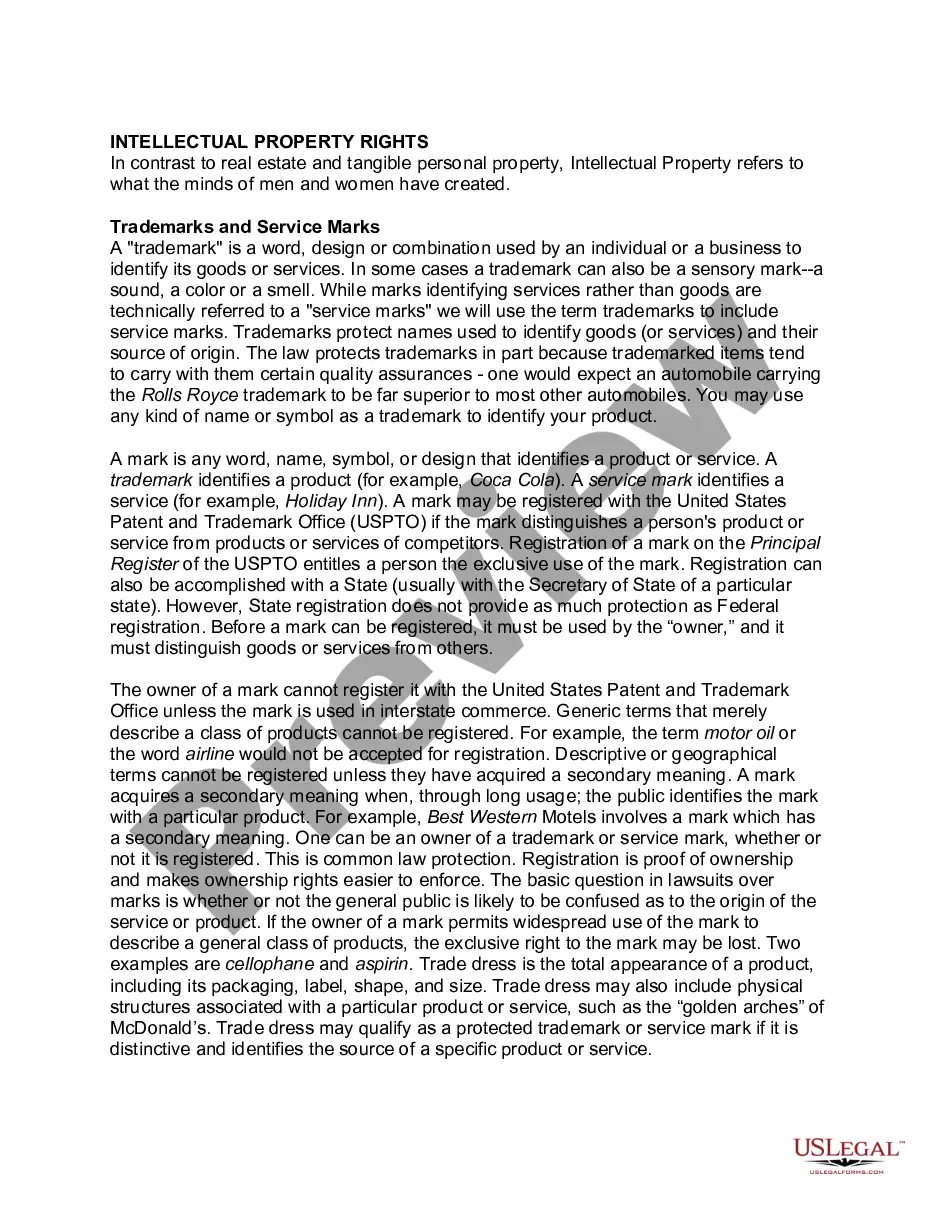
Definition of Trademark A trademark is used to identify goods made by a specific producer. Tom's distinctive logo would be one such example, but trademarks can also take the forms of phrases, words, or symbols. Distinctive sounds, scents, or even shapes and colors can also be registered as trademarks.
Patents can protect the functional features of a process, machine, manufactured item, asexually reproduced plant, or composition of matter, for example. TRADEMARK LAW. Trademark law protects words, phrases, logos or symbols used to distinguish one product from another.
Instead, patent attorneys aim to settle IP disputes outside of court through means such as cease and desist letters, opposition proceedings and revocation actions. Conversely, IP lawyers specialise in the legal and commercial issues that are associated with IP.
Differences Between Patents and Trademarks Patents prevent others from making or selling an invention. Trademarks give the owner exclusive use of certain images and phrases. You commonly see brand names trademarked with a ™ or ® if federally trademarked next to the name.
Patents deal with inventions, while copyright deals with the creation of ideas and original works of the author, whether in literature, drama, music, art etc. Other differences have been explained in the article.
The Coca-Cola Corp owns the trademark to the name Coca-Cola, as well as the trademark on the bottle shape, and the graphic representation of their name. These are all things that help distinguish them from other cola brands and define their individual product. Coca-Cola also owns the patent on their formula.
In addition, you acknowledge that the Site itself is protected by copyright law. You further acknowledge that Coca Cola owns the trademarks “Coca Cola”, “Coke” and all associated Coca Cola trade names, service marks and logos. All other trademarks used on the Site are the property of their respective owners.
A trademark can be any word, phrase, symbol, design, or a combination of these things that identifies your goods or services. It's how customers recognize you in the marketplace and distinguish you from your competitors. The word “trademark” can refer to both trademarks and service marks.
To patent a phrase, you need to register it as a trademark with the United States Patent and Trademark Office (USPTO). It's important to note that phrases cannot be patented in the traditional sense like inventions, instead, they can be protected under federal trademark rules.
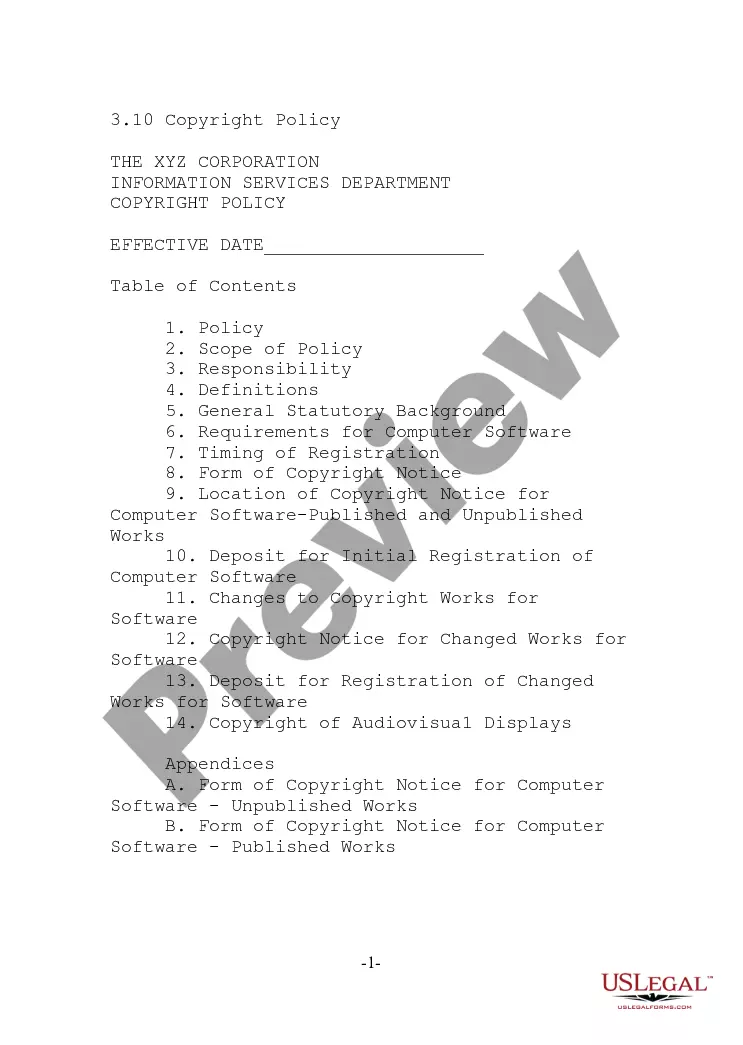
The © symbol stands for copyright and is a reserved right notice concerning any work that can be copyrighted like artwork, photography, videography, books, literary works, etc.,. The C symbol is used along with the copyright holder name and the year of first publication.
