Patent Application For Prosecution In Washington
Description

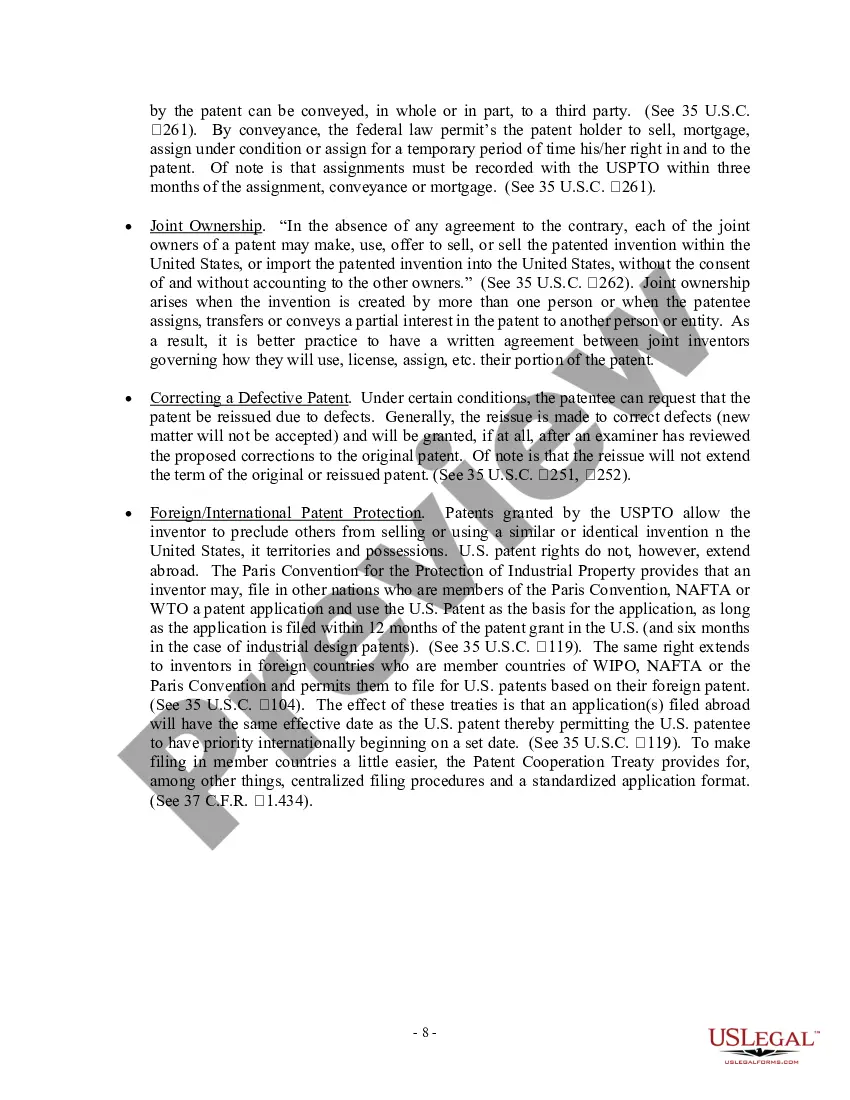



Get your form ready online
Our built-in tools help you complete, sign, share, and store your documents in one place.
Make edits, fill in missing information, and update formatting in US Legal Forms—just like you would in MS Word.
Download a copy, print it, send it by email, or mail it via USPS—whatever works best for your next step.
Sign and collect signatures with our SignNow integration. Send to multiple recipients, set reminders, and more. Go Premium to unlock E-Sign.
If this form requires notarization, complete it online through a secure video call—no need to meet a notary in person or wait for an appointment.
We protect your documents and personal data by following strict security and privacy standards.

Make edits, fill in missing information, and update formatting in US Legal Forms—just like you would in MS Word.

Download a copy, print it, send it by email, or mail it via USPS—whatever works best for your next step.

Sign and collect signatures with our SignNow integration. Send to multiple recipients, set reminders, and more. Go Premium to unlock E-Sign.

If this form requires notarization, complete it online through a secure video call—no need to meet a notary in person or wait for an appointment.

We protect your documents and personal data by following strict security and privacy standards.
Looking for another form?



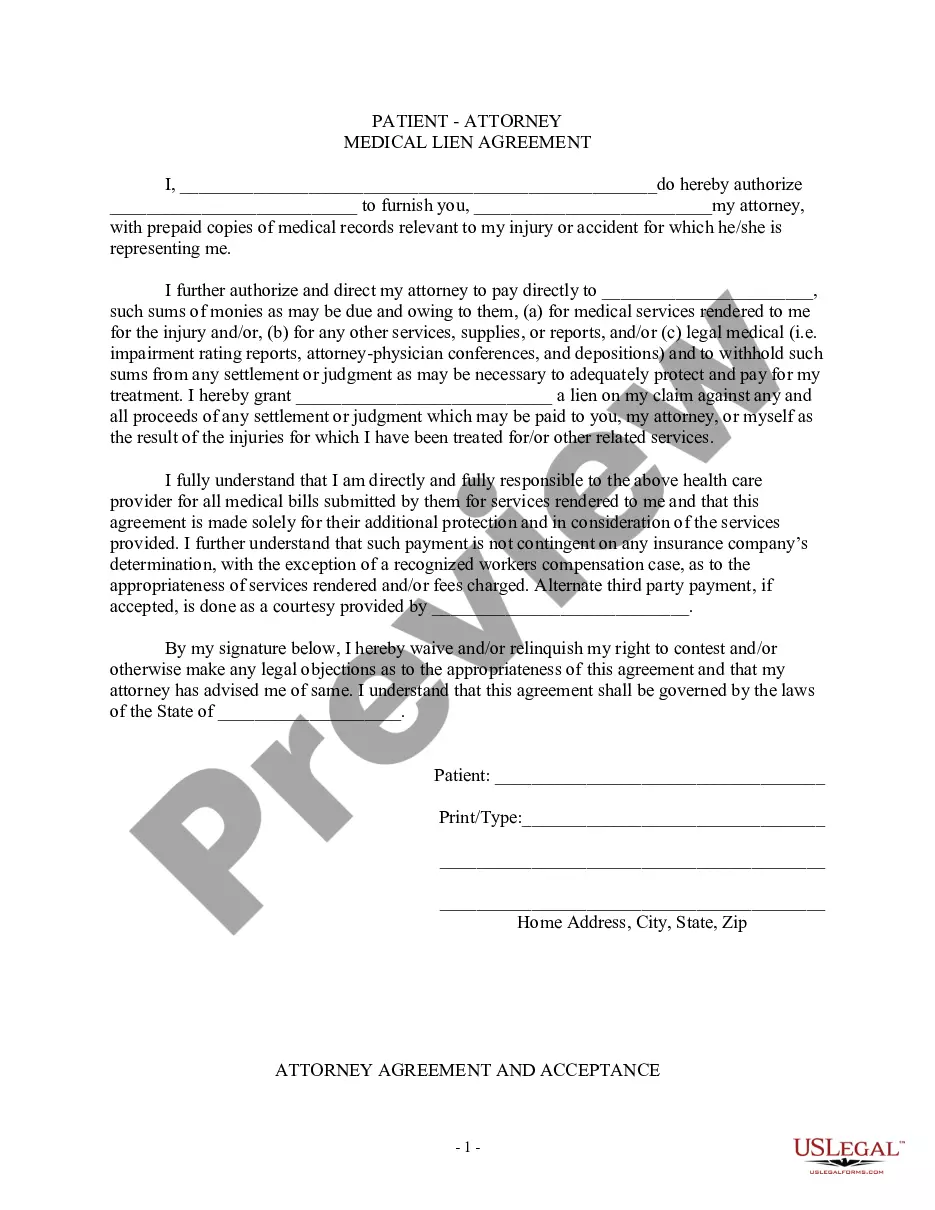


Form popularity
FAQ
Patent prosecution is the interaction between applicants and a patent office with regard to a patent application or a patent. The prosecution process is broadly divided into two phases: pre-grant and post-grant prosecution.
Here are six steps to become a patent attorney: Earn a science or engineering degree. Take the LSAT. Attend law school. Pass the state bar exam. Pass patent bar and register with USPTO. Consider additional specialized education.
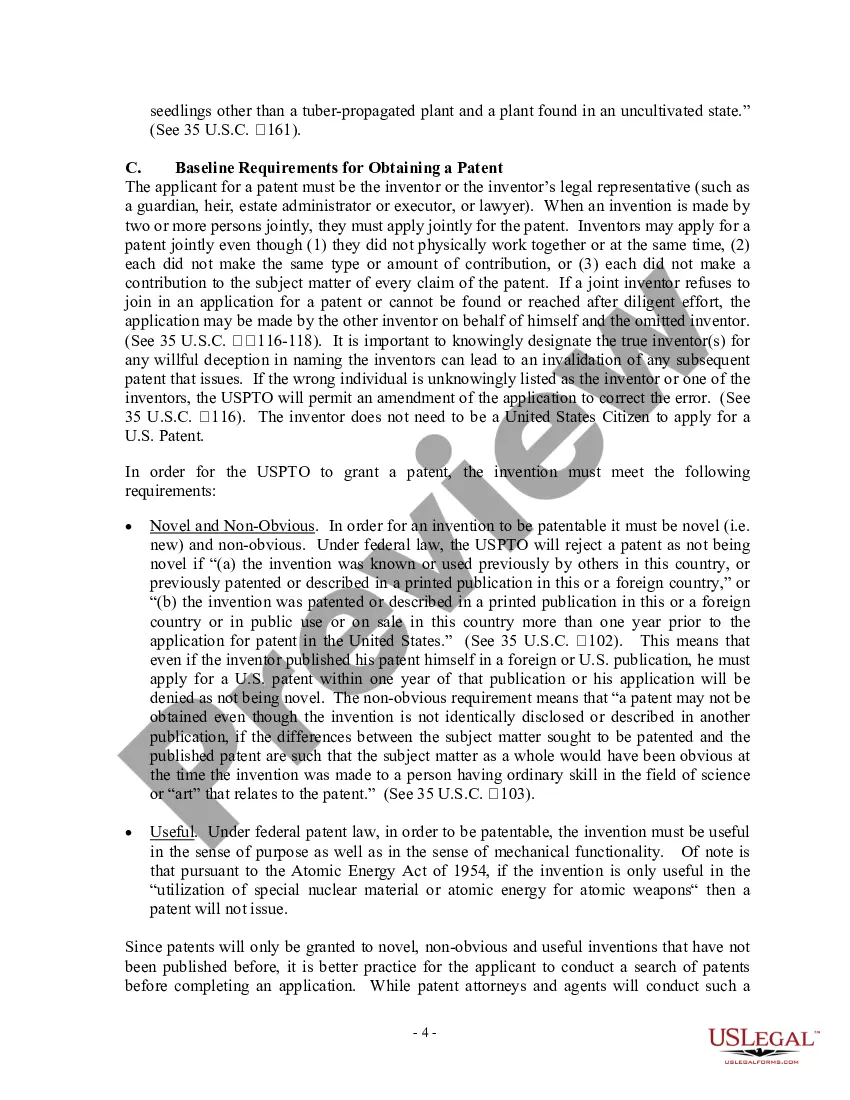
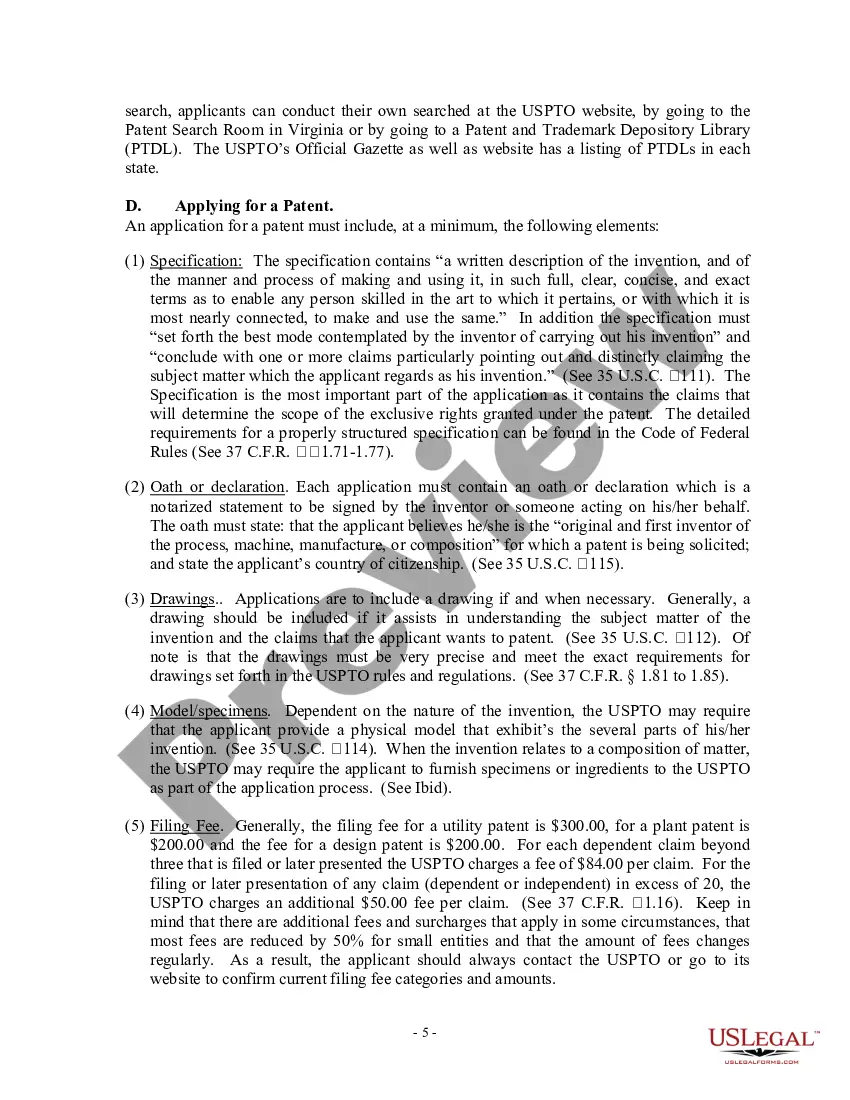
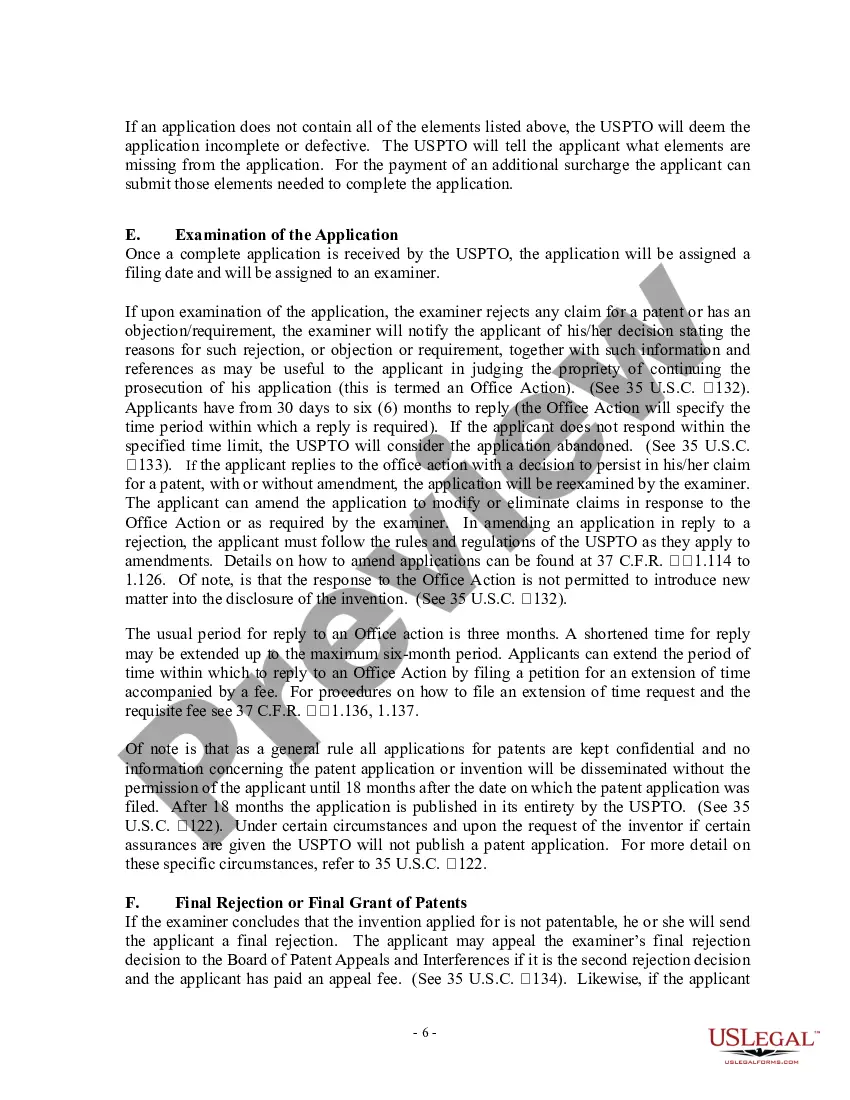
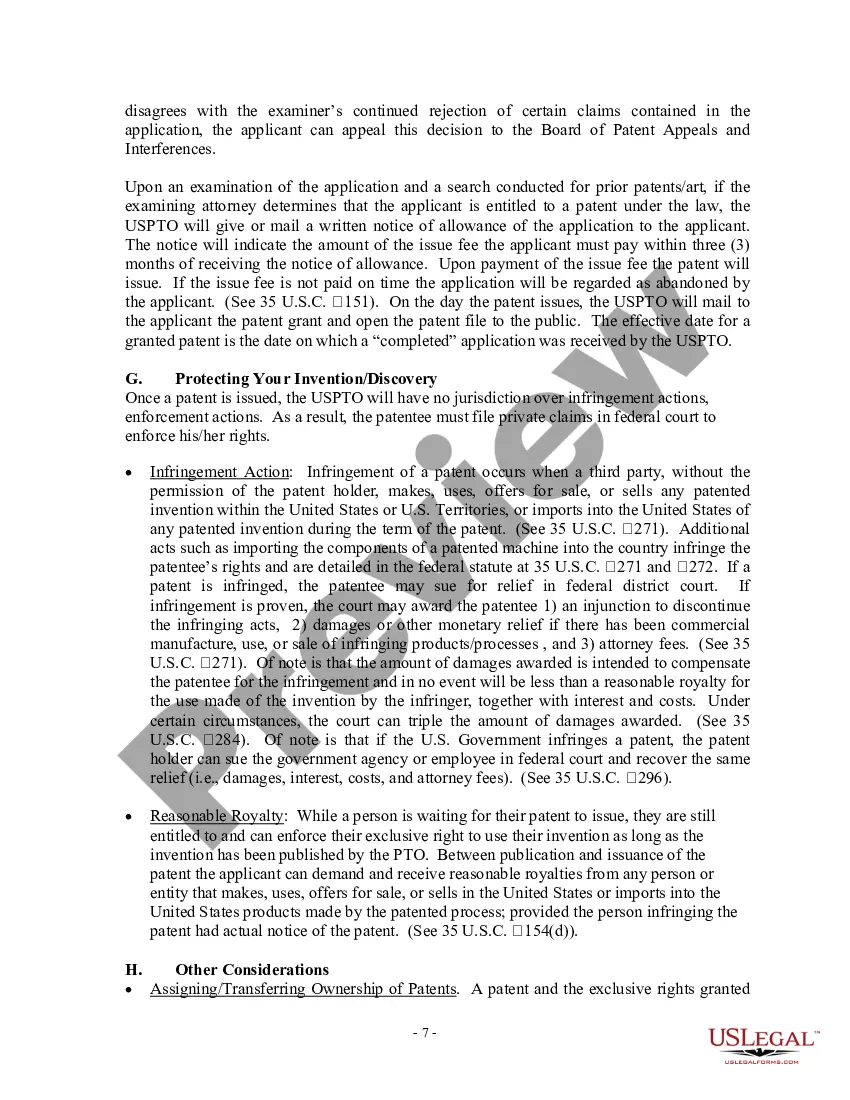
The five primary requirements for patentability are: (1) patentable subject matter; (2) utility; (3) novelty; (4) non-obviousness; and (5) enablement. Like trademarks, patents are territorial, meaning they are enforceable in a specific geographic area.
What must a patent application include? an application form (paper or online form) a description of your invention. claims. an abstract. drawings if they illustrate your invention.
A nonprovisional utility patent application must include a specification, including a description and a claim or claims; drawings, when necessary; an oath or declaration; and the prescribed filing, search, and examination fees. Patent Center accepts electronic documents formatted in DOCX.
A nonprovisional utility patent application must include a specification, including a description and a claim or claims; drawings, when necessary; an oath or declaration; and the prescribed filing, search, and examination fees. Patent Center accepts electronic documents formatted in DOCX.
Here are seven key considerations to keep in mind when preparing your patent application: Clarity and precision in description. Avoid overly broad claims. Anticipate future modifications. Consider international protection. Work with professionals. Disclose all relevant information. Understand the importance of timing.
Patent Application Contents A patent application must include provisional or complete specification with description, claims, abstract and drawings. In order to obtain a patent, the patent applicant must provide in depth information about the patent and corresponding invention.
❖ WRITTEN AS A SINGLE SENTENCE. ❖ CLAIMS IDENTIFIER preceding the sentence, e.g. “Claim 1” ❖ HEAVILY PUNCTUATED SINGLE SENTENCE AND ENDS. WITH A PERIOD. ❖ APPEARS TOWARDS THE END OF THE ISSUED PATENT. OR PATENT APPLICATION.
