Patent Trademark Application With Prejudice In Virginia
Description

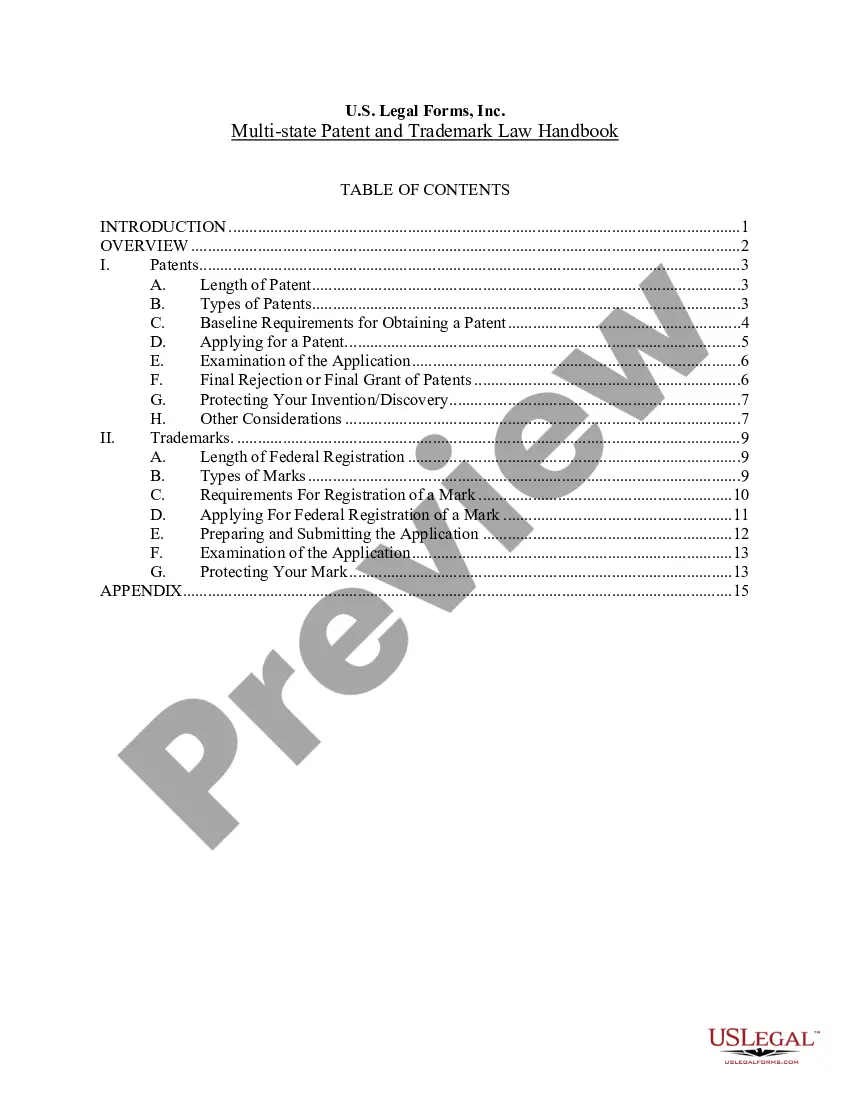
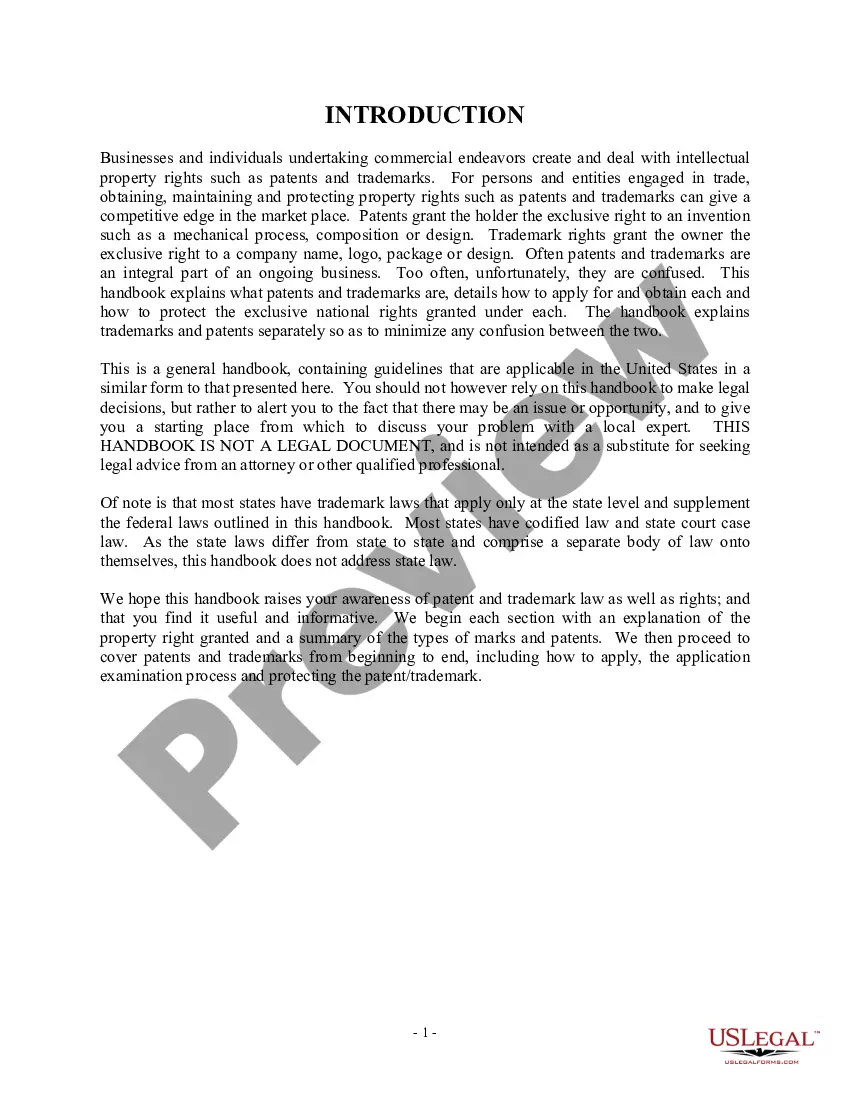
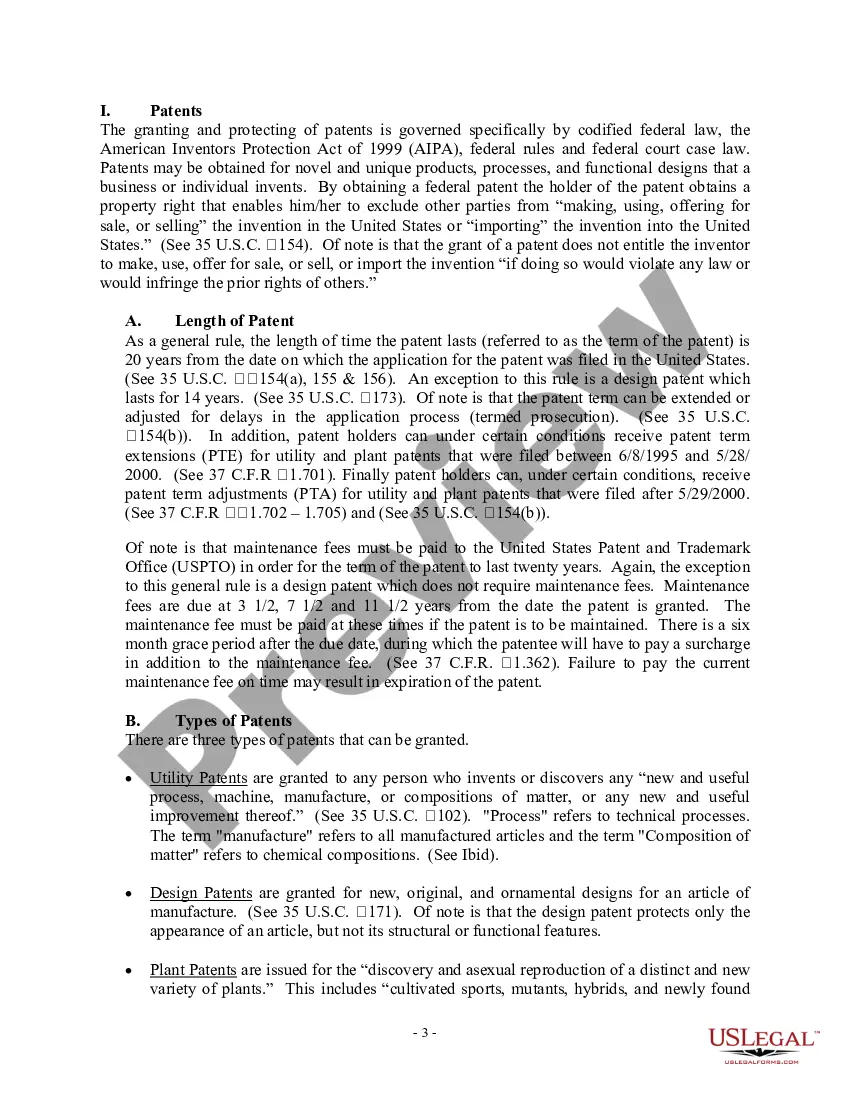



Get your form ready online
Our built-in tools help you complete, sign, share, and store your documents in one place.
Make edits, fill in missing information, and update formatting in US Legal Forms—just like you would in MS Word.
Download a copy, print it, send it by email, or mail it via USPS—whatever works best for your next step.
Sign and collect signatures with our SignNow integration. Send to multiple recipients, set reminders, and more. Go Premium to unlock E-Sign.
If this form requires notarization, complete it online through a secure video call—no need to meet a notary in person or wait for an appointment.
We protect your documents and personal data by following strict security and privacy standards.

Make edits, fill in missing information, and update formatting in US Legal Forms—just like you would in MS Word.

Download a copy, print it, send it by email, or mail it via USPS—whatever works best for your next step.

Sign and collect signatures with our SignNow integration. Send to multiple recipients, set reminders, and more. Go Premium to unlock E-Sign.

If this form requires notarization, complete it online through a secure video call—no need to meet a notary in person or wait for an appointment.

We protect your documents and personal data by following strict security and privacy standards.
Looking for another form?








Form popularity
FAQ
Likelihood of confusion is a common reason for refusal of a trademark application. The USPTO will review your application and compare your mark to any existing trademark applications or registered trademarks.
If a trademark misdescribes a quality, purpose, function, feature, characteristic, ingredient, or use of the goods or services, and the misrepresentation would be credible or plausible to consumer, the mark would be refused as deceptively misdescriptive.
The first is Genericide, a term used when a brand name has become so widely used that it becomes synonymous with a general class of product or service, causing the trademark to lose its distinctiveness. For example, 'Band-Aid' often being used to refer to any adhesive bandage is an instance of genericide.
Strong trademarks are suggestive, fanciful, or arbitrary. Weak trademarks are descriptive or generic. Think about them this way. You want your trademark to be strong or “hot,” as opposed to weak or “cold.”
You use the registered trademark symbol (®) to identify a registered trademark. There is some flexibility in how you use any trademark symbol. Still, you typically put the registered trademark symbol (®) immediately next to the trademark and in the upper right corner for words and the lower right corner for logos.
Nowadays, nearly half (48.3%) of all trademark applications filed in the US with the United States Patent and Trademark Office (USPTO) are rejected.
The USPTO defines a dead mark as: “A dead or abandoned status for a trademark application means that specific application is no longer under prosecution within the USPTO, and would not be used as a bar against your filing.” While you can register a dead mark, other potential issues may make it not worth the risk.
The application for trademark registration goes through multiple phases throughout the process, and the status of each of these phases is updated on the official IP India website. One such status is "refused", which means that the trademark is not going forward for its registration.
Whether a trademark or a patent is better for you depends on what type of intellectual property you are aiming to protect. As mentioned above, trademarks protect portions of a company's branding and consumer recognition whereas a patent protects an inventor's right to their creation.
§1064, which provides for cancellation of a trademark registration as being invalid any time if the registered mark becomes the generic name for the goods or services, or a portion thereof, or is functional, or has been abandoned for non-use, or its registration was obtained fraudulently.
