Patent Use Can Withstand In Texas
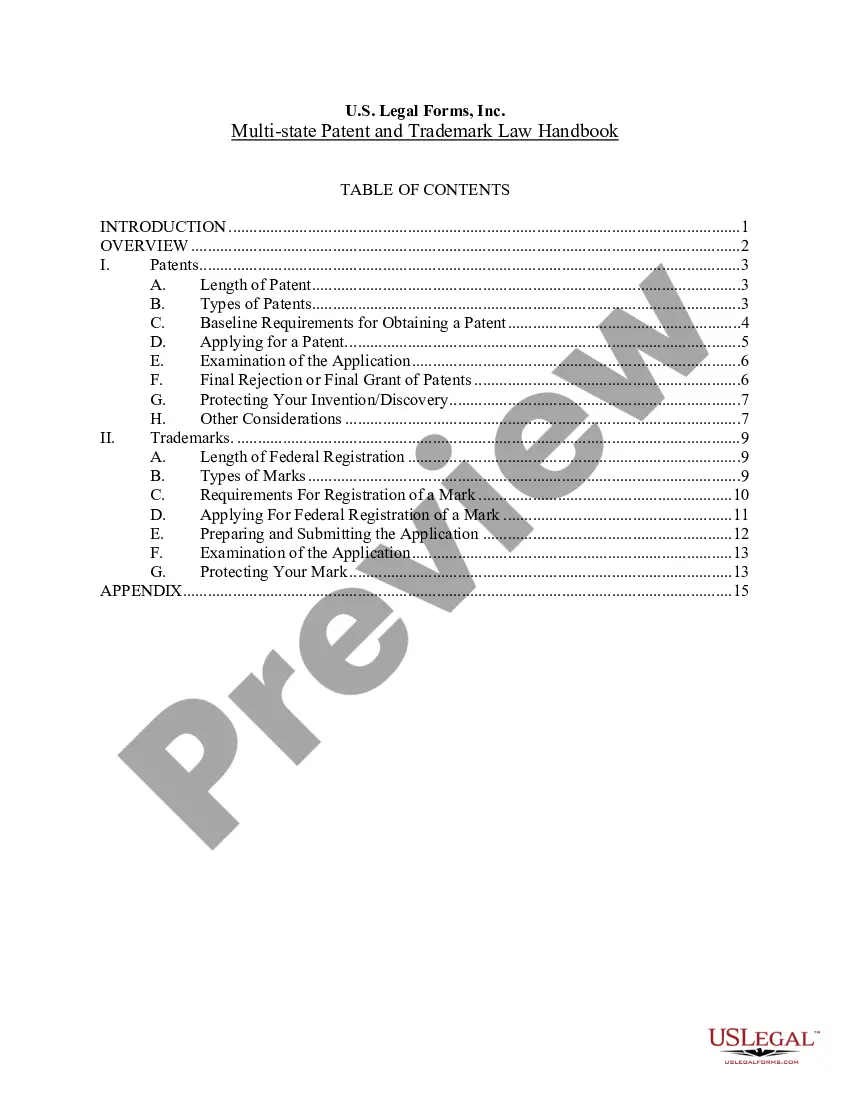
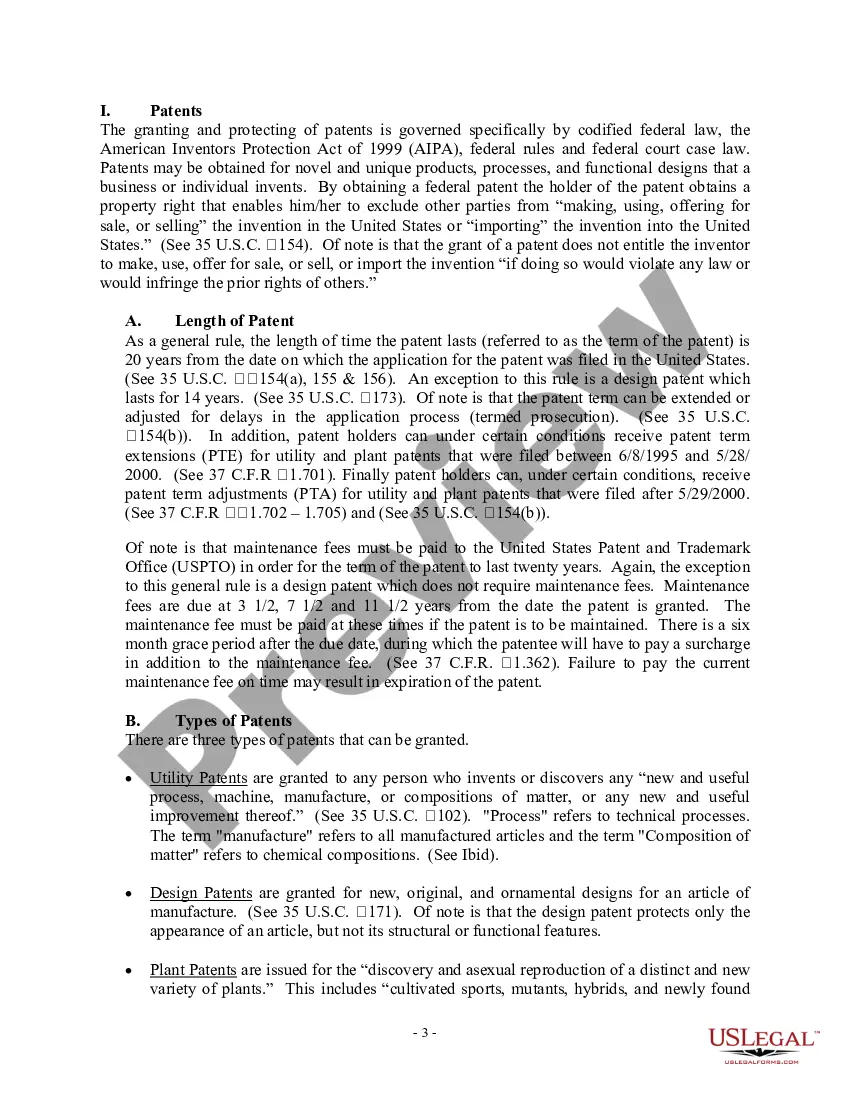
Description

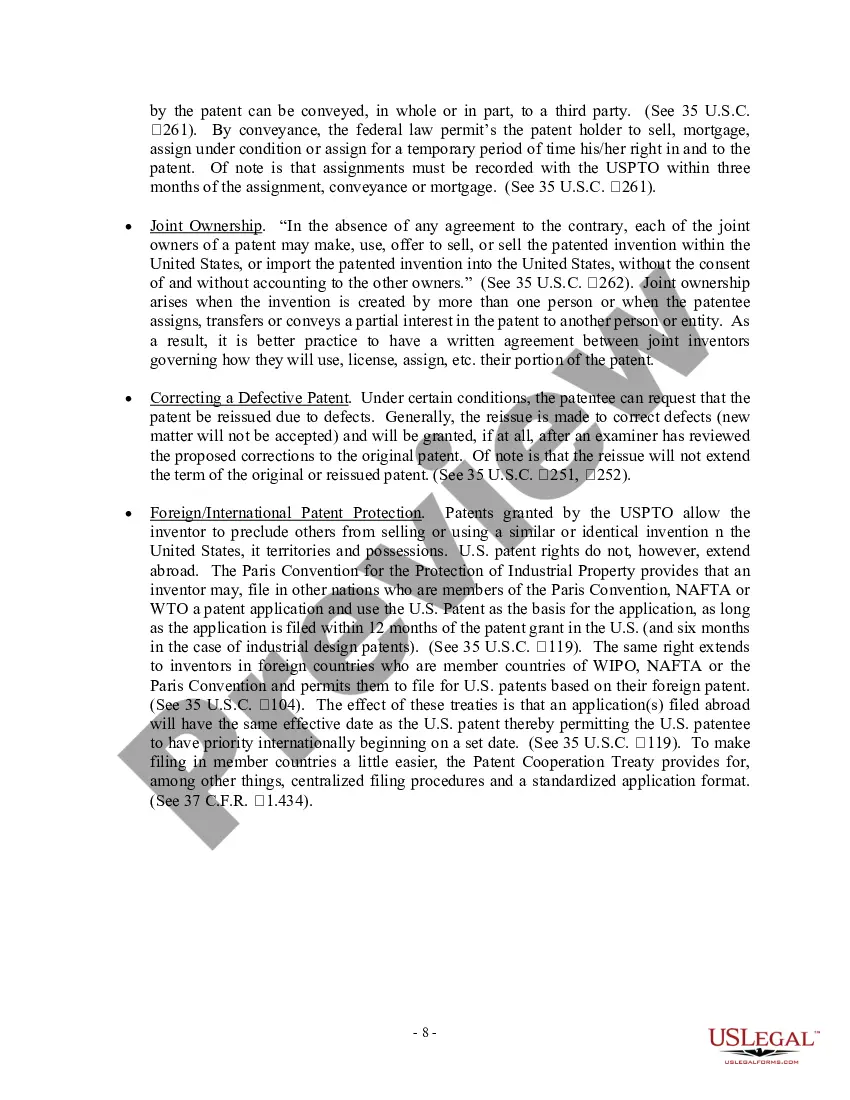


Get your form ready online
Our built-in tools help you complete, sign, share, and store your documents in one place.
Make edits, fill in missing information, and update formatting in US Legal Forms—just like you would in MS Word.
Download a copy, print it, send it by email, or mail it via USPS—whatever works best for your next step.
Sign and collect signatures with our SignNow integration. Send to multiple recipients, set reminders, and more. Go Premium to unlock E-Sign.
If this form requires notarization, complete it online through a secure video call—no need to meet a notary in person or wait for an appointment.
We protect your documents and personal data by following strict security and privacy standards.

Make edits, fill in missing information, and update formatting in US Legal Forms—just like you would in MS Word.

Download a copy, print it, send it by email, or mail it via USPS—whatever works best for your next step.

Sign and collect signatures with our SignNow integration. Send to multiple recipients, set reminders, and more. Go Premium to unlock E-Sign.

If this form requires notarization, complete it online through a secure video call—no need to meet a notary in person or wait for an appointment.

We protect your documents and personal data by following strict security and privacy standards.
Looking for another form?







Form popularity
FAQ
A patent owner has the right to decide who may – or may not – use the patented invention for the period in which the invention is protected. In other words, patent protection means that the invention cannot be commercially made, used, distributed, imported, or sold by others without the patent owner's consent.
Abstract and purely intellectual ideas are excluded from patentability. A discovery may be new and may be very significant scientifically and industrially, but you cannot prevent others from taking advantage of that discovery per se.
Patents can protect lots of different types of inventions like medical technology, pharmaceuticals, appliances, and mechanical devices. But some ideas can't be patented. You can't patent things like human beings, artistic creations, mathematical models, plans, schemes, or mental processes.
Intellectual property law refers to the legal protections afforded to creators for their inventions, designs, original works of authorship and trade secrets. IP law gives the creator exclusive rights to use and distribute their work, usually for a certain period of time.
Inventive inventions whose intended usage would result in damage to public morals, order, or human, animal, or plant life cannot be patented. This provision seeks to eliminate those inventions that may be used for destructive purposes, such as lethal chemicals, biological warfare substances, or hazardous side effects.
The patent grant confers “the right to exclude others from making, using, offering for sale, or selling the invention throughout the United States or importing the invention into the United States.” The term of a utility or plant patent generally lasts 20 years from the date the application was filed in the United ...
On the flip side, there are also inventions and ideas that cannot be patented. For example, laws of nature cannot be patented. Articles that are contrary to the public good also cannot be patented. This means that, as a matter of policy, the USPTO will not patent things such as processes for building a nuclear bomb.
For example, the laws of nature, physical phenomena, and abstract ideas cannot be patented, nor can only an idea or suggestion. Other restrictions include the patenting of inventions exclusively related to nuclear material or atomic energy in an atomic weapon (see MPEP 2104.01).
How to File a Patent in Texas Do You Have an Idea or Invention? Every invention begins as an idea. Perform Market Research. Verify Patent Eligibility. Conduct a Patent Search. Determine Inventorship & Ownership. Choose the Type of Patent. Prepare the Patent Application. Submit the Patent Application.
For example, the laws of nature, physical phenomena, and abstract ideas cannot be patented, nor can only an idea or suggestion. Other restrictions include the patenting of inventions exclusively related to nuclear material or atomic energy in an atomic weapon (see MPEP 2104.01).
