Trademark Laws For Logos In Queens
Description

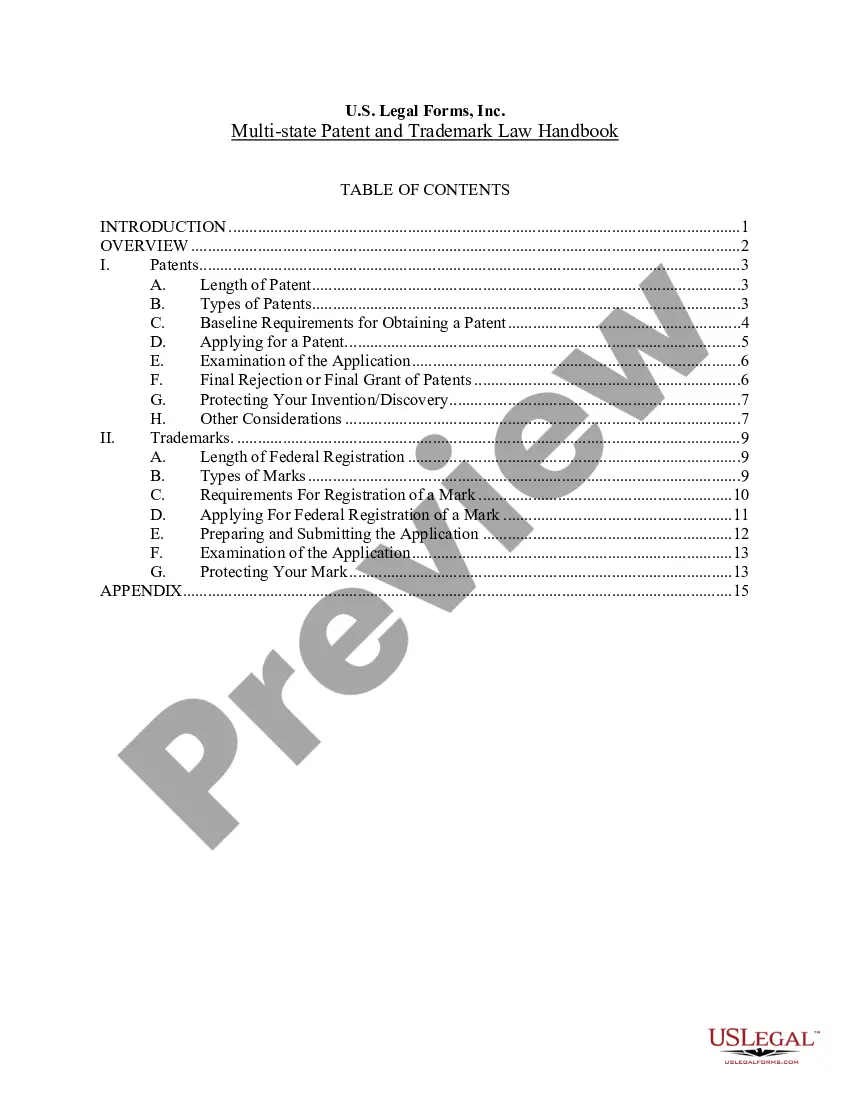
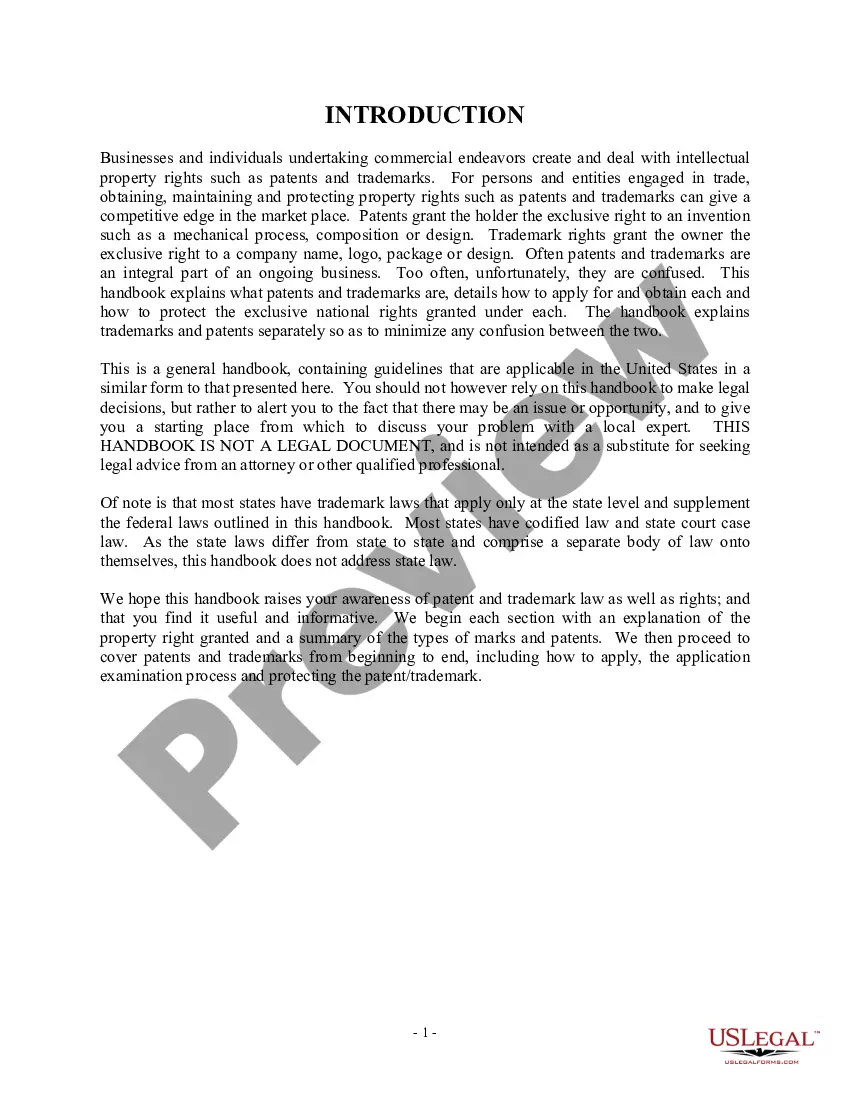
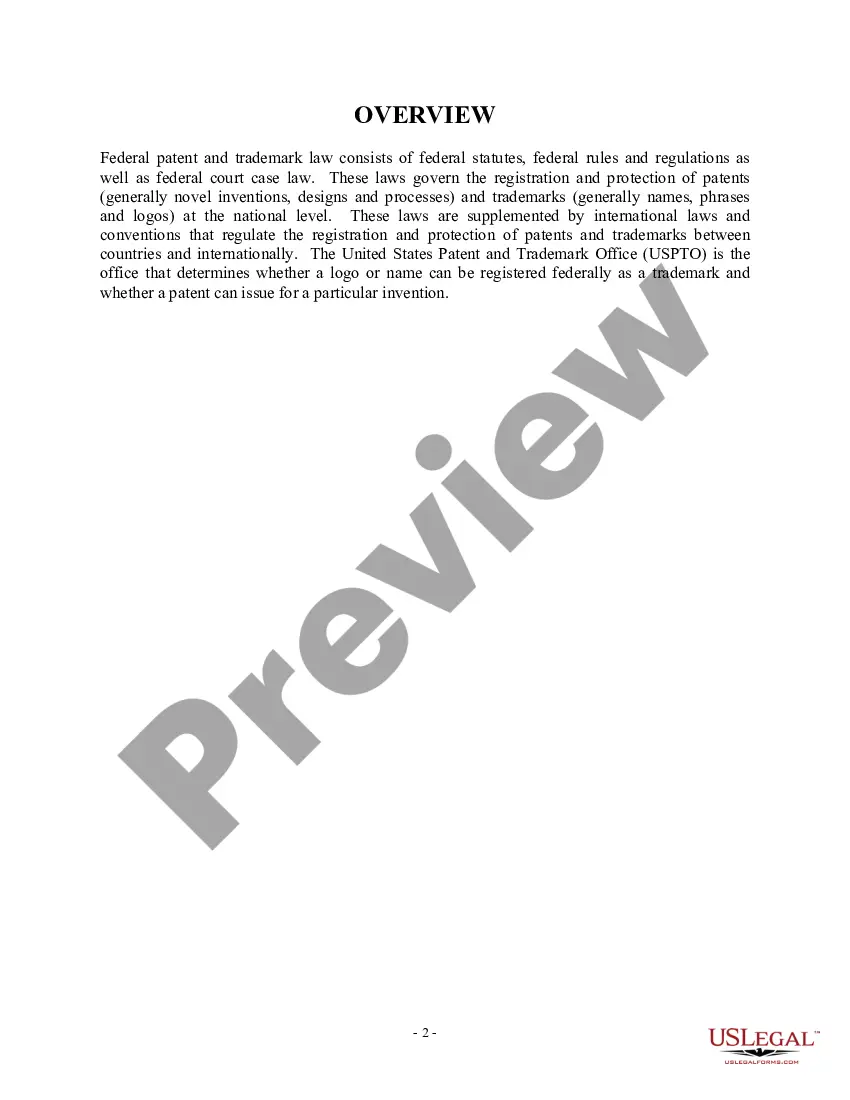
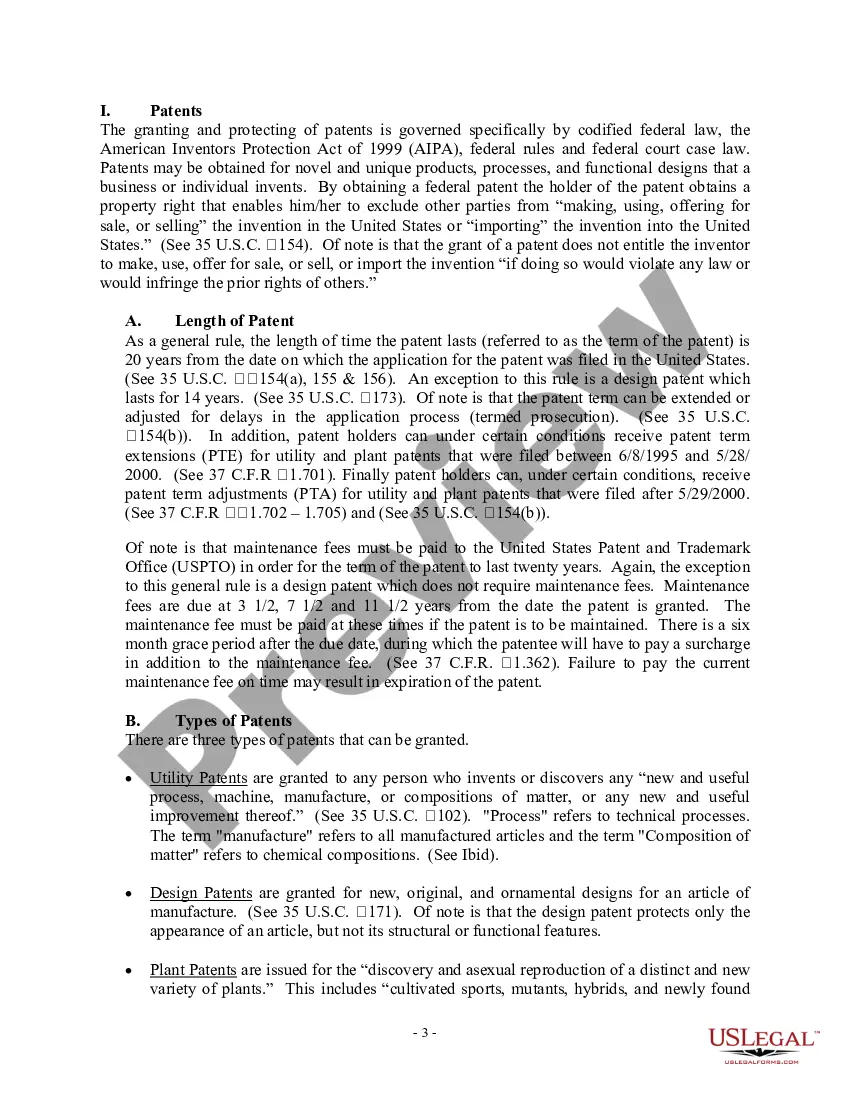



Get your form ready online
Our built-in tools help you complete, sign, share, and store your documents in one place.
Make edits, fill in missing information, and update formatting in US Legal Forms—just like you would in MS Word.
Download a copy, print it, send it by email, or mail it via USPS—whatever works best for your next step.
Sign and collect signatures with our SignNow integration. Send to multiple recipients, set reminders, and more. Go Premium to unlock E-Sign.
If this form requires notarization, complete it online through a secure video call—no need to meet a notary in person or wait for an appointment.
We protect your documents and personal data by following strict security and privacy standards.

Make edits, fill in missing information, and update formatting in US Legal Forms—just like you would in MS Word.

Download a copy, print it, send it by email, or mail it via USPS—whatever works best for your next step.

Sign and collect signatures with our SignNow integration. Send to multiple recipients, set reminders, and more. Go Premium to unlock E-Sign.

If this form requires notarization, complete it online through a secure video call—no need to meet a notary in person or wait for an appointment.

We protect your documents and personal data by following strict security and privacy standards.
Looking for another form?
Form popularity
FAQ
Yes, any trademark owner can use the TM symbol at any time. You don't have to ask for permission or have the approval of the US Patent and Trademark Office. In fact, a trademark owner can continue to use the TM symbol even if the US Patent and Trademark Office rejects their trademark application.
Anyone can use a TM symbol regardless of whether they've successfully registered the trademark, or whether they've applied for a trademark at all. Even if the trademark application is rejected, the owner can continue to use the TM symbol.
Use of the TM symbol does not guarantee that the owner's mark will be protected under trademark laws. The owner may use the TM symbol regardless of whether an application for registration has been filed or whether the trademark is registered, and even if an application for registration of the mark is refused.
Trademark process Step 1: Is a trademark application right for you? ... Step 2: Get ready to apply. Step 3: Prepare and submit your application. Step 4: Work with the assigned USPTO examining attorney. Step 5: Receive approval/denial of your application. Step 6: Maintain your registration.
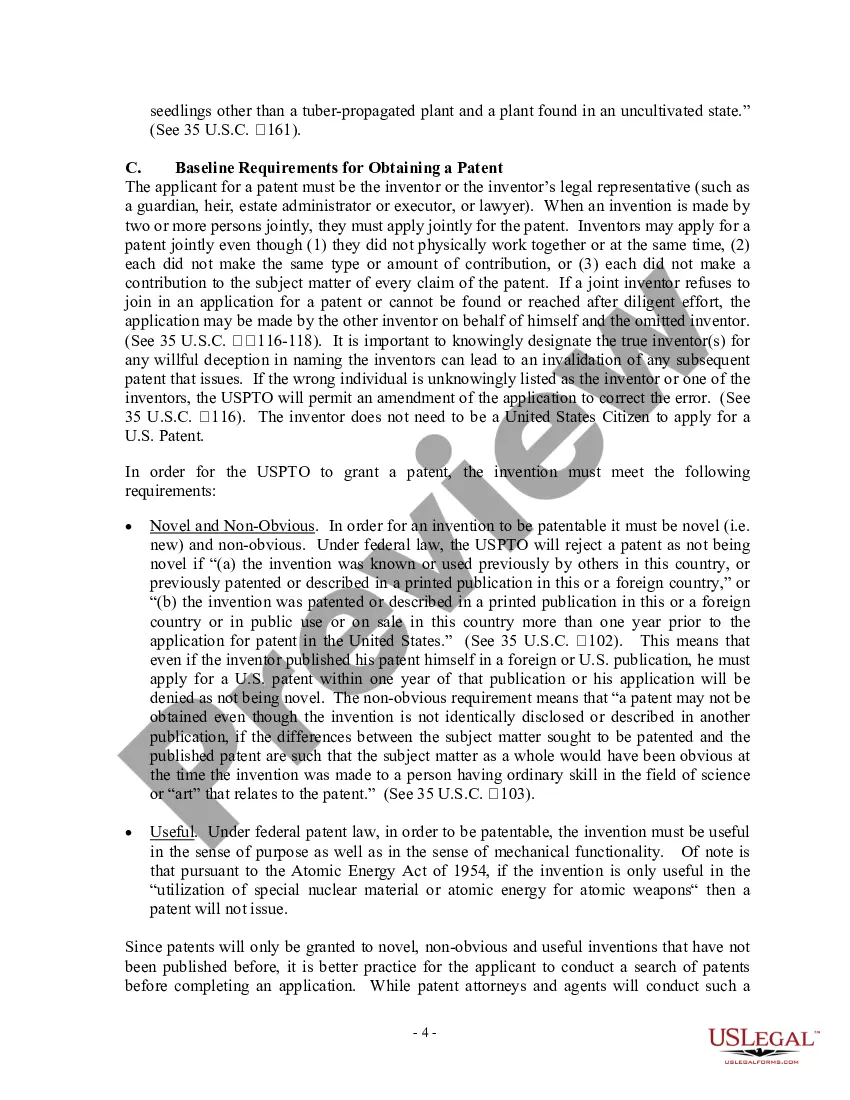
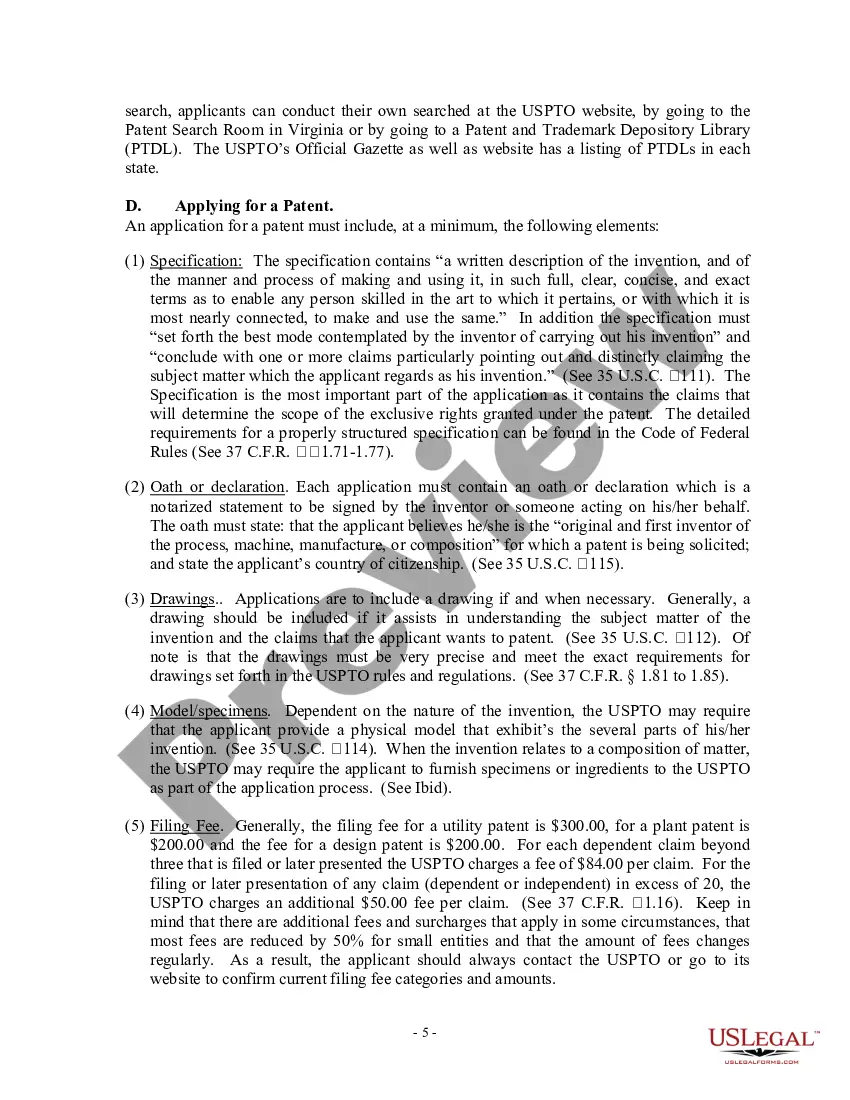
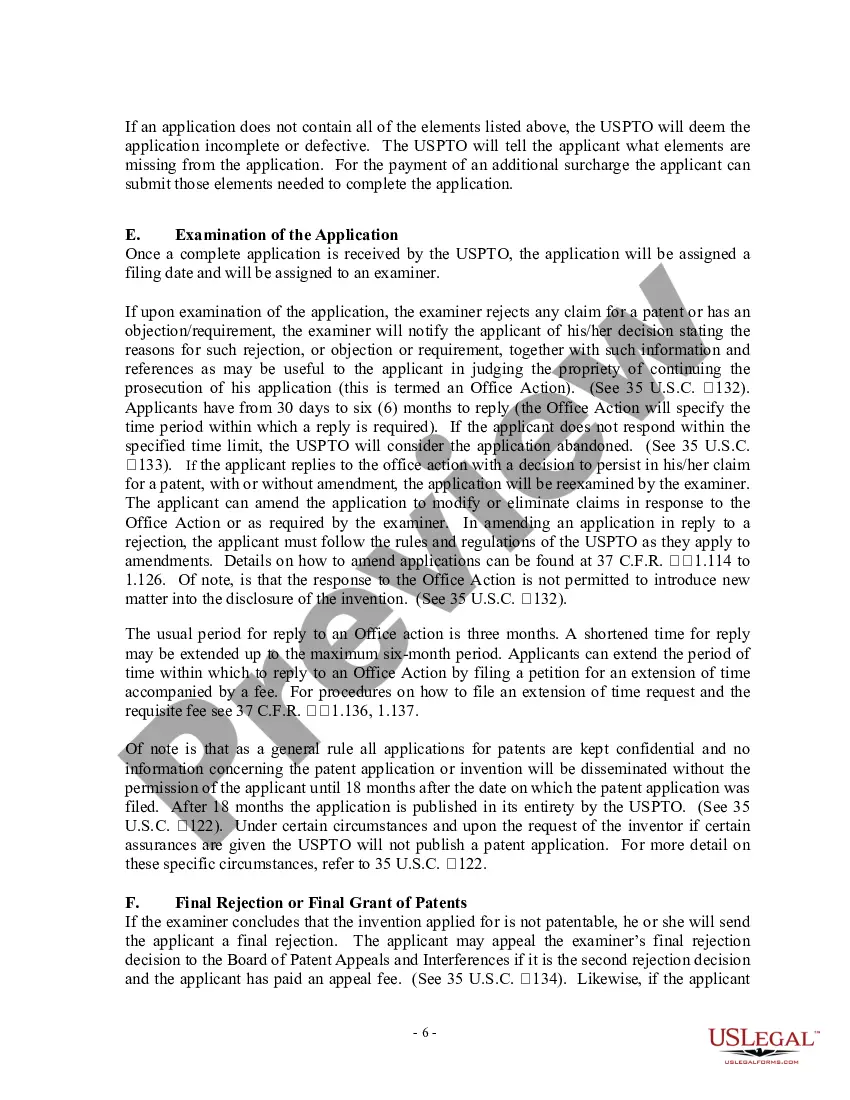
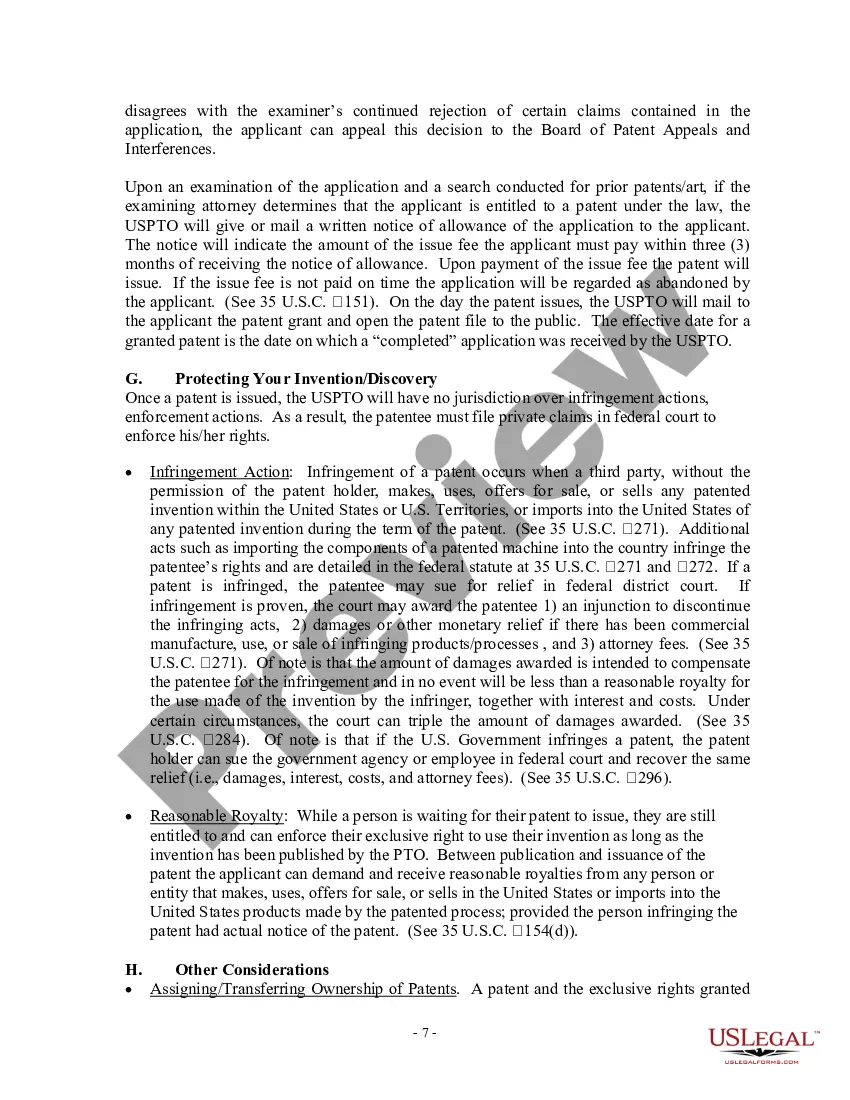
To obtain trademark protection in the United States, you must register your company's logo with the U.S. Patent and Trademark Office (USPTO).
Usually, businesses will use the TM symbol to indicate their first usage or that they have applied for its registration. A trademark owner can use the TM symbol only after he/she has filed a trademark application with the Registrar of Trademarks.
The trademark office will then evaluate your application to see if it qualifies for trademark protection. Best of all, they will not consider the other business who is using the same name if they haven't filed for trademark protection. This means you can get a trademark even if someone else is using your business name.
A unique logo can be trademarked by registering it with the USPTO. Anyone can apply online if their business is based in the U.S. Businesses outside the U.S. will need to hire a USA-based attorney to file.
A unique logo can be trademarked by registering it with the USPTO. Anyone can apply online if their business is based in the U.S. Businesses outside the U.S. will need to hire a USA-based attorney to file.
No, It Isn't Possible to Patent a Name To protect your brand name and logo, you will need to utilize the trademark registration service. Both patents and trademarks are registered with the United States Patent and Trademark Office.
