Patent Trademark Law For Beginners In Queens
Description

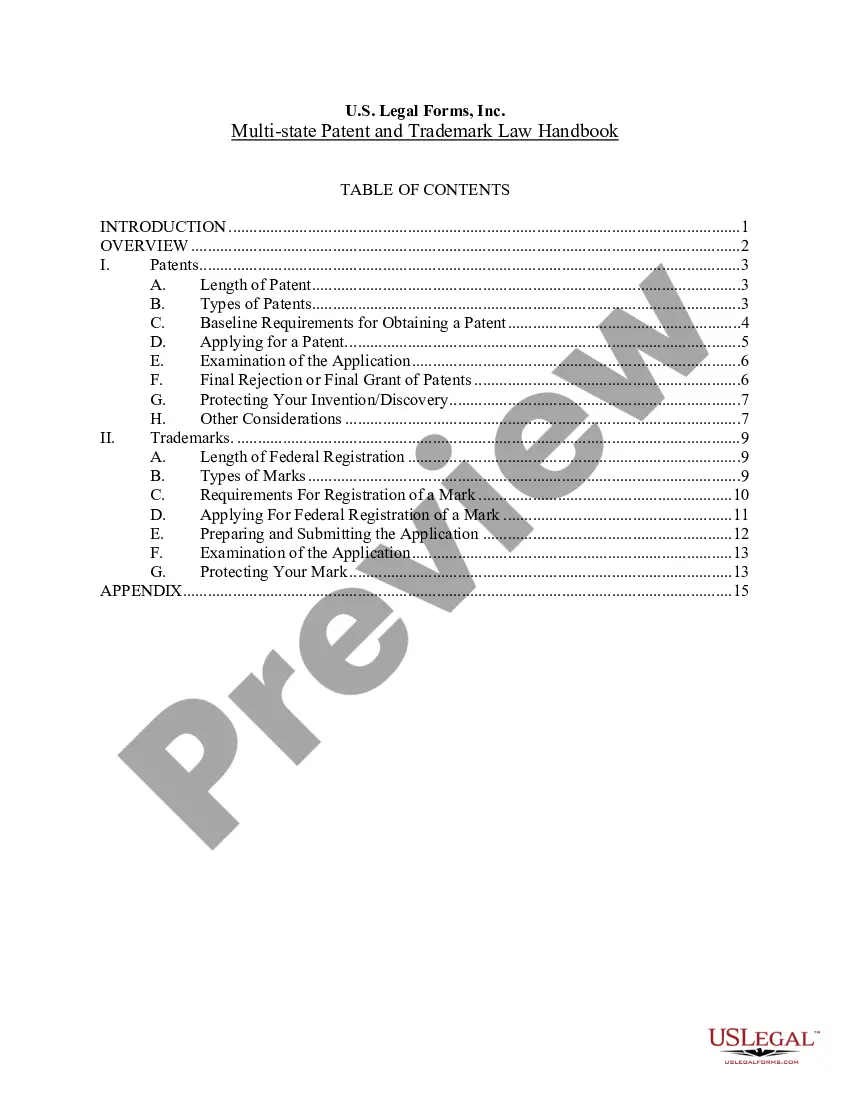
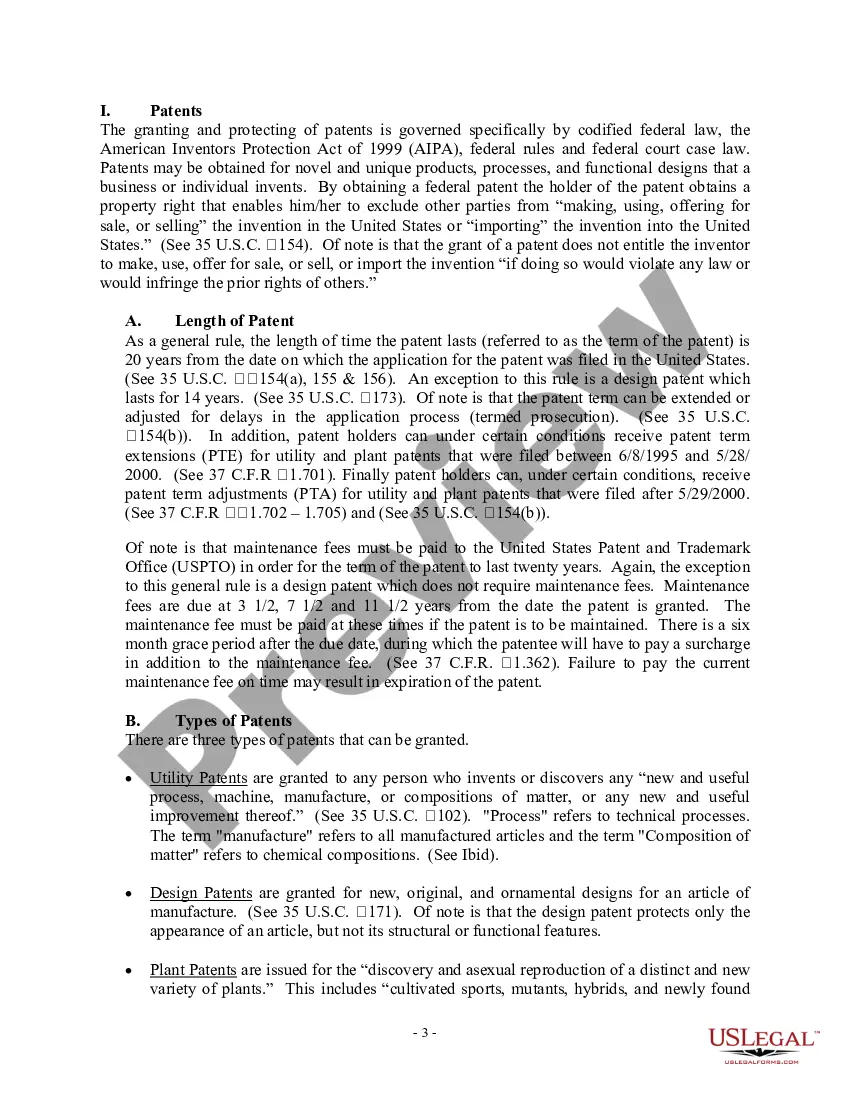
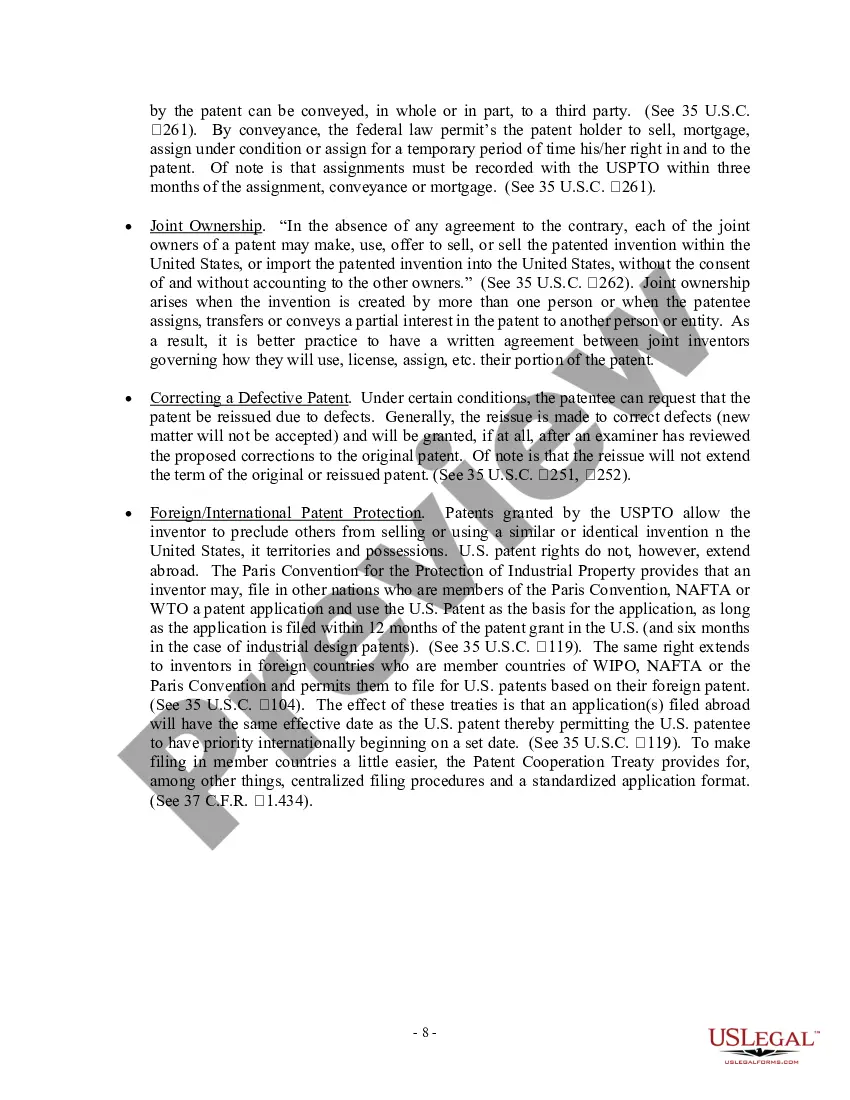



Get your form ready online
Our built-in tools help you complete, sign, share, and store your documents in one place.
Make edits, fill in missing information, and update formatting in US Legal Forms—just like you would in MS Word.
Download a copy, print it, send it by email, or mail it via USPS—whatever works best for your next step.
Sign and collect signatures with our SignNow integration. Send to multiple recipients, set reminders, and more. Go Premium to unlock E-Sign.
If this form requires notarization, complete it online through a secure video call—no need to meet a notary in person or wait for an appointment.
We protect your documents and personal data by following strict security and privacy standards.

Make edits, fill in missing information, and update formatting in US Legal Forms—just like you would in MS Word.

Download a copy, print it, send it by email, or mail it via USPS—whatever works best for your next step.

Sign and collect signatures with our SignNow integration. Send to multiple recipients, set reminders, and more. Go Premium to unlock E-Sign.

If this form requires notarization, complete it online through a secure video call—no need to meet a notary in person or wait for an appointment.

We protect your documents and personal data by following strict security and privacy standards.
Looking for another form?









Form popularity
FAQ
A trademark can be any word, phrase, symbol, design, or a combination of these things that identifies your goods or services. It's how customers recognize you in the marketplace and distinguish you from your competitors. The word “trademark” can refer to both trademarks and service marks.
TM stands for trademark. The TM symbol (often seen in superscript like this: TM) is usually used in connection with an unregistered mark—a term, slogan, logo, or other indicator—to provide notice to potential infringers that rights in the mark are claimed in connection with specific goods or services.
The TM and SM symbols indicate that your trademark is not yet registered with the U.S. Patent and Trademark Office. In contrast, the ® symbol means that your trademark is registered. The ® is only for trademarks that have been federally registered with the U.S. government.
A trademark can be any word, phrase, symbol, design, or a combination of these things that identifies your goods or services. It's how customers recognize you in the marketplace and distinguish you from your competitors. The word “trademark” can refer to both trademarks and service marks.
The © symbol stands for copyright and is a reserved right notice concerning any work that can be copyrighted like artwork, photography, videography, books, literary works, etc.,. The C symbol is used along with the copyright holder name and the year of first publication.
With trademarks, the entire process can be completed online pretty easily, even if you do it yourself without hiring an attorney.
How to Patent a Phrase. Patents protect novel inventions. Thus, it is not possible to patent a phrase, saying, quote or term. Instead, trademark protection would apply.
So, if any of the following three things happen with your invention, then you cannot apply for a patent: It is on sale. It is in public use. It has a printed publication one year before the application date.
The Poor Man's Patent Is Obsolete Being the first to invent will no longer save you is someone else filed first. So even if you did write out the idea for your invention and mailed it to yourself, that date would not matter.
The five primary requirements for patentability are: (1) patentable subject matter; (2) utility; (3) novelty; (4) non-obviousness; and (5) enablement. Like trademarks, patents are territorial, meaning they are enforceable in a specific geographic area.
