Patent Application For Toilet Paper In Pima
Description




Get your form ready online
Our built-in tools help you complete, sign, share, and store your documents in one place.
Make edits, fill in missing information, and update formatting in US Legal Forms—just like you would in MS Word.
Download a copy, print it, send it by email, or mail it via USPS—whatever works best for your next step.
Sign and collect signatures with our SignNow integration. Send to multiple recipients, set reminders, and more. Go Premium to unlock E-Sign.
If this form requires notarization, complete it online through a secure video call—no need to meet a notary in person or wait for an appointment.
We protect your documents and personal data by following strict security and privacy standards.

Make edits, fill in missing information, and update formatting in US Legal Forms—just like you would in MS Word.

Download a copy, print it, send it by email, or mail it via USPS—whatever works best for your next step.

Sign and collect signatures with our SignNow integration. Send to multiple recipients, set reminders, and more. Go Premium to unlock E-Sign.

If this form requires notarization, complete it online through a secure video call—no need to meet a notary in person or wait for an appointment.

We protect your documents and personal data by following strict security and privacy standards.
Looking for another form?







Form popularity
FAQ
Seth Wheeler's 1891 patent shows the original placement of the toilet paper roll using an "over" approach. Not that you should ever blindly follow the crowd, but a whopping 70% of the population prefers the “over” position.
An immediate improvement filed by Seth Wheeler, which was granted on December 22, 1891, as patent number US465588A. In Wheeler's improved patent for toilet paper he described the idea of perforated toilet paper on a roll.
Seth Wheeler's 1891 patent shows the original placement of the toilet paper roll using an "over" approach. Not that you should ever blindly follow the crowd, but a whopping 70% of the population prefers the “over” position.
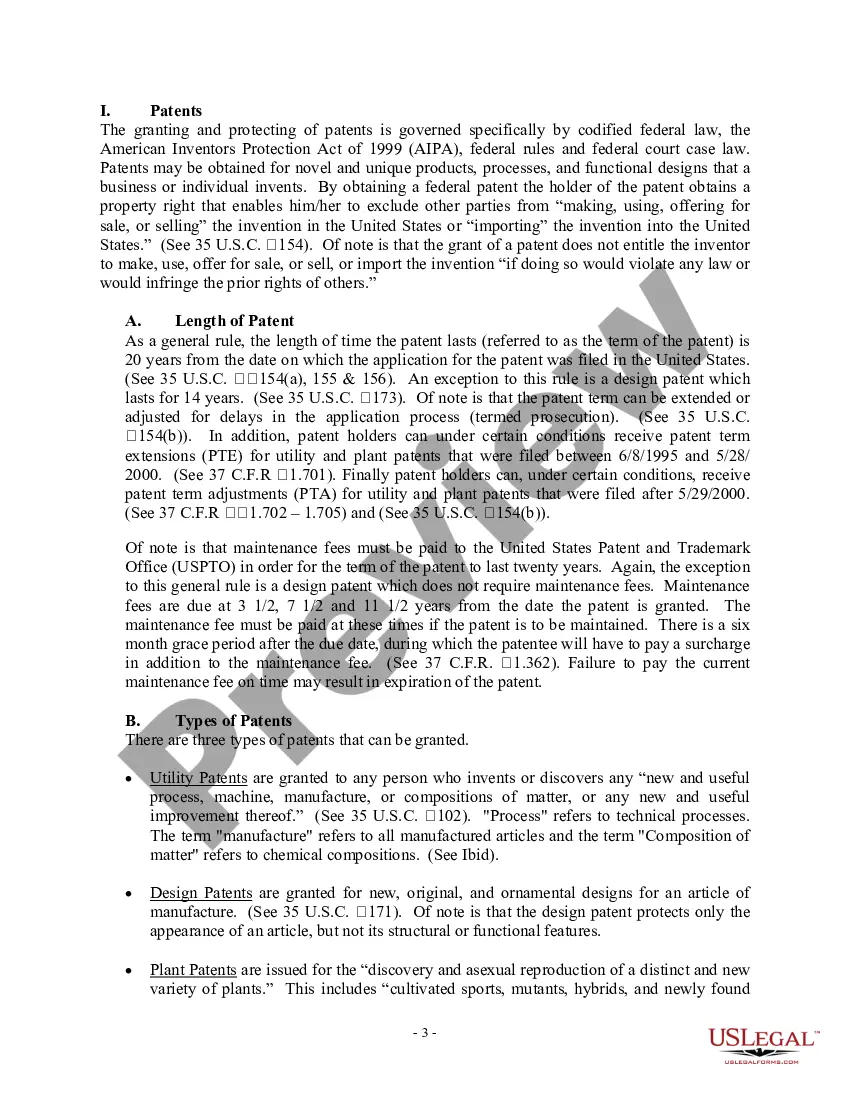
In this form, you will have to furnish information, such as, name and address of the inventor(s), name and address of the applicant(s), information corresponding to prior patent applications relating to the current invention, which you or any authorized entity has filed, and some declarations, among other information.
The inventor of perforated toilet paper Seth Wheeler illustrated his new and futuristic creation with the paper going up and over the roll. The Google Patents Database also displays a series of diagrams with the toilet paper going over as well.
Toilet paper should be "over," not "under." The eternal debate over bathroom conventions seems to have actually been answered more than a century ago. ing to an 1891 patent by New York businessman Seth Wheeler, the end of a toilet paper roll should be on the outside, or in the “over” position.
A patent application often includes the following primary sections: Invention Title. The title's objective is to provide a clear understanding of the invention or idea. Prior Art: Context and Novelty. Invention Summary. Drawings and Descriptions. Detailed Description. Claims. Scope. Characteristics.
It's best to hang the toilet paper over the roll so that your fingers only touch what you need. This practice minimizes how much bacteria is deposited on the wall and ensures you peace of mind when touching something a stranger has just used.
